In modern industrial applications, selecting high-efficacy oligomers forms the basis of polymer science design. Everay Environmental Material supplies high-purity Aromatic Polyurethane Acrylate (APUA) oligomers engineered to balance adhesion strength, reaction speed, and chemical resistance.
The manufacturing infrastructure of New York State—ranging from the high-tech semiconductor fabrication clusters in Albany and upstate New York, to the precision optical and printing centers in Rochester and Long Island—demands specialized materials capable of meeting tight technical thresholds. Aromatic Polyurethane Acrylate Oligomers serve a critical function within these regional ecosystems.
For chemical compounders, raw material specifiers, and industrial coating engineers operating in Buffalo, Syracuse, Rochester, and the Greater New York metro area, high-purity polyurethane acrylate oligomers act as the backbone for coatings requiring rapid cure speed, low thermal stress, and high surface hardness. The unique polymer structure of Everay's aromatic polyurethanes balances mechanical strength with exceptional flexibility, providing properties essential for electronics packaging, localized graphic arts, structural adhesives, and complex plastic components.
By establishing high-performance resin solutions within New York's supply channels, domestic coaters bypass typical logistics hurdles, securing reliable access to specialty chemical profiles tailored to extreme operating conditions.
Targeting low-VOC requirements, environmental compliance, and high-performance crosslinking across medical, automotive, and wood surfaces.
Understanding the fundamental chemistry behind urethane acrylates allows material scientists to tailor formula profiles for targeted applications.
Polyurethane acrylate oligomers are synthesized via the reaction of diisocyanates, polyols, and hydroxyl-functional acrylates (such as HEA or HEMA). The division between aliphatic and aromatic polyurethane acrylates lies in the choice of the isocyanate precursor. Aliphatic types utilize molecules like IPDI or HDI, which lack benzene rings. Aromatic types, conversely, utilize diisocyanates such as TDI or MDI, embedding rigid benzene structures into the polymer backbone.
| Performance Vector | Aromatic Polyurethane Acrylate (APUA) | Aliphatic Polyurethane Acrylate (APUA-Aliph) | Impact on Formulation Strategy |
|---|---|---|---|
| Cure Kinetics (Speed) | Rapid radical propagation under standard UV emission wavelengths. | Moderate curing progression; requires balanced photoinitiator packages. | Aromatics minimize energy usage on production lines by speeding up line run times. |
| Mechanical Rigidity & Tensile | Extremely high tensile strength, modulus, and scratch resistance. | Flexible, high elongation at break, lower tensile modulus. | APUA is preferred for rigid electronic frames, tooling, and durable outer coats. |
| Substrate Adhesion | Excellent initial adhesion on non-polar plastics (ABS, PC, treated PE/PP). | Moderate to good adhesion; often requires primer interface step. | Eliminates adhesion failures on challenging automotive and appliance plastic housings. |
| UV Exposure / Yellowing | Susceptible to yellowing under prolonged solar UV exposure (benzene rings). | Highly resistant to yellowing, UV degradation, and weathering. | Aromatics are ideal for basecoats, dark inks, indoor applications, and metal primers. |
| Cost Profile & Yield | Cost-effective due to standardized, highly efficient synthesis paths. | Higher raw material cost due to complex aliphatic precursor synthesis. | Optimizes batch production costs without sacrificing core physical parameters. |
In UV vacuum metallization—a process utilized for decorative closures, cosmetics packaging, and consumer electronics—the basecoat must lay down flat, wet out the plastic substrate, and cure quickly to form a hard surface. It must also retain sufficient chemical groups to bond with the vapor-deposited aluminum layer. Our aromatic polyurethane acrylates are designed specifically with this balance of properties, maintaining structural integrity under vacuum conditions while preventing outgassing that could disrupt the metal deposition process.
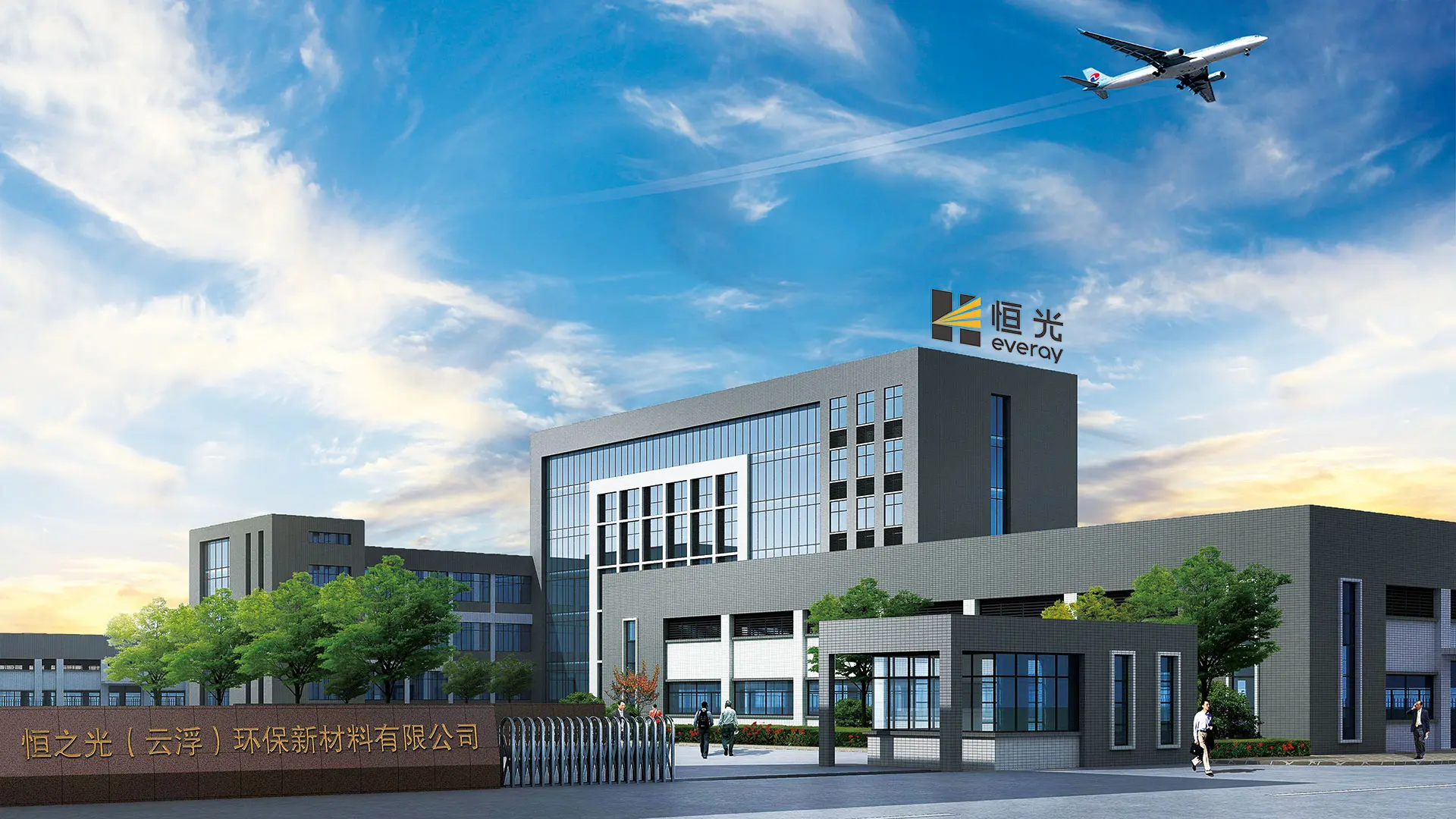
Operational capacities designed to deliver consistent raw materials from our advanced production facilities to global distribution hubs.
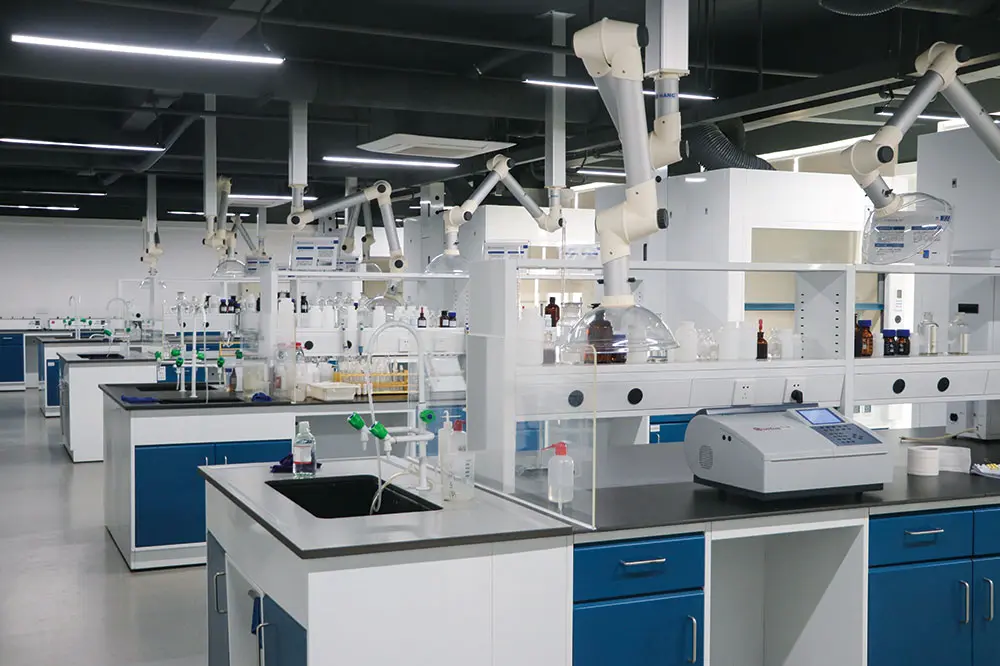
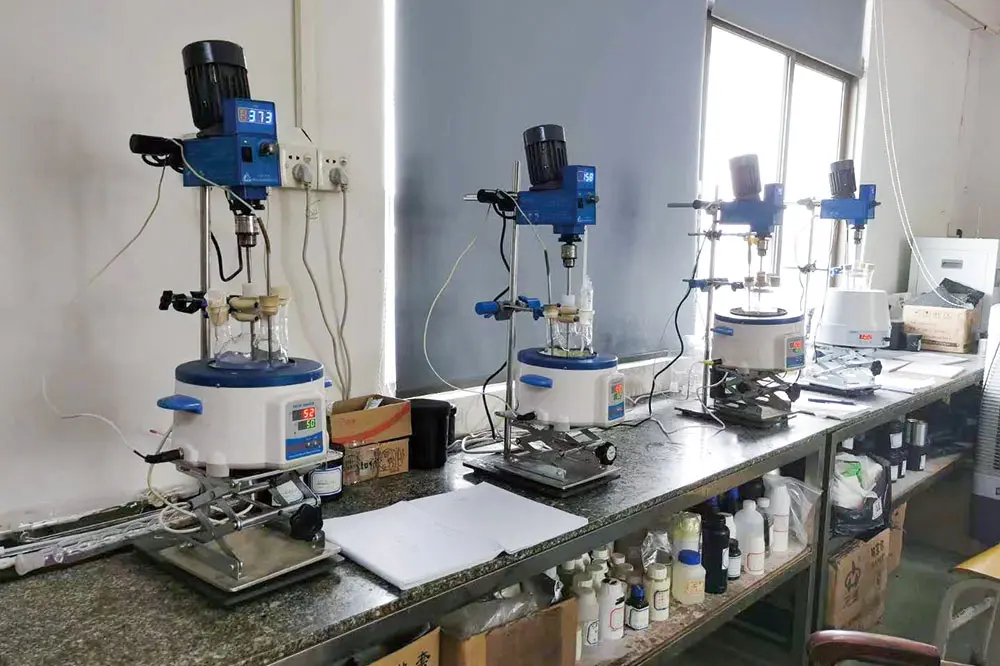
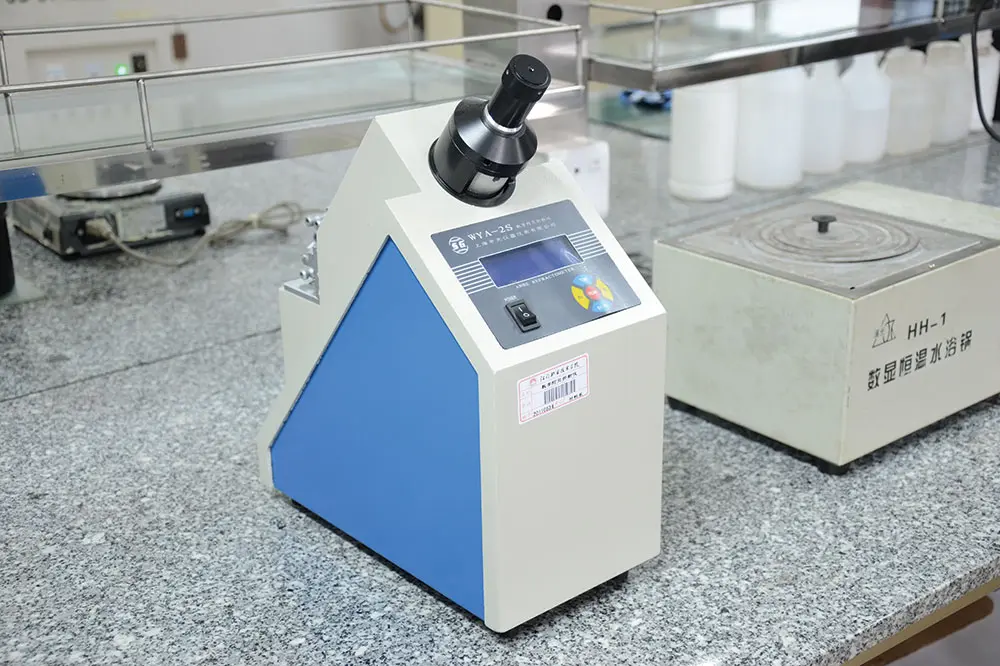
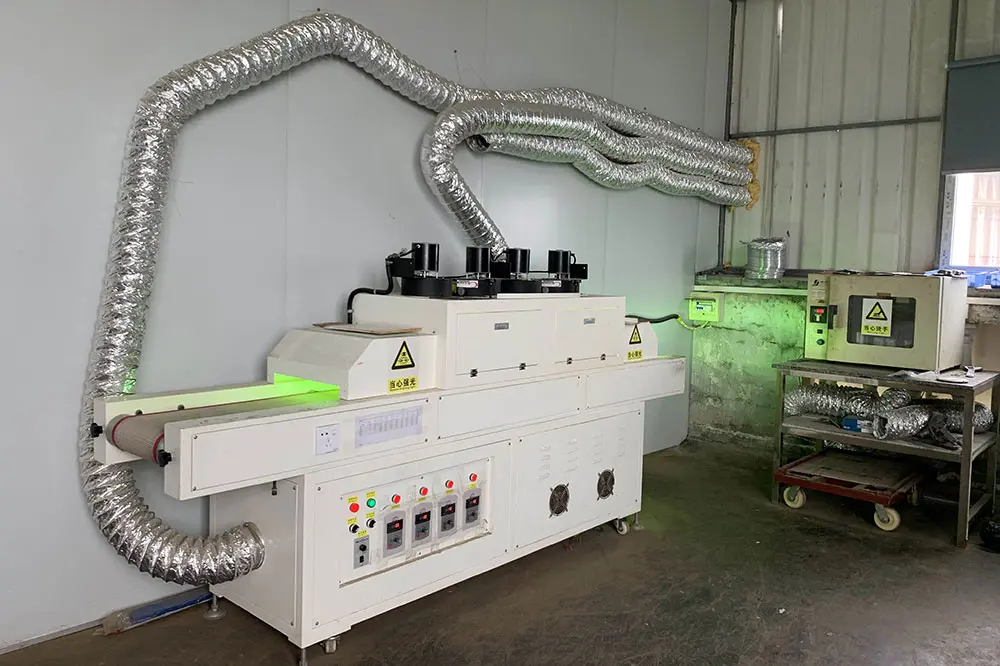
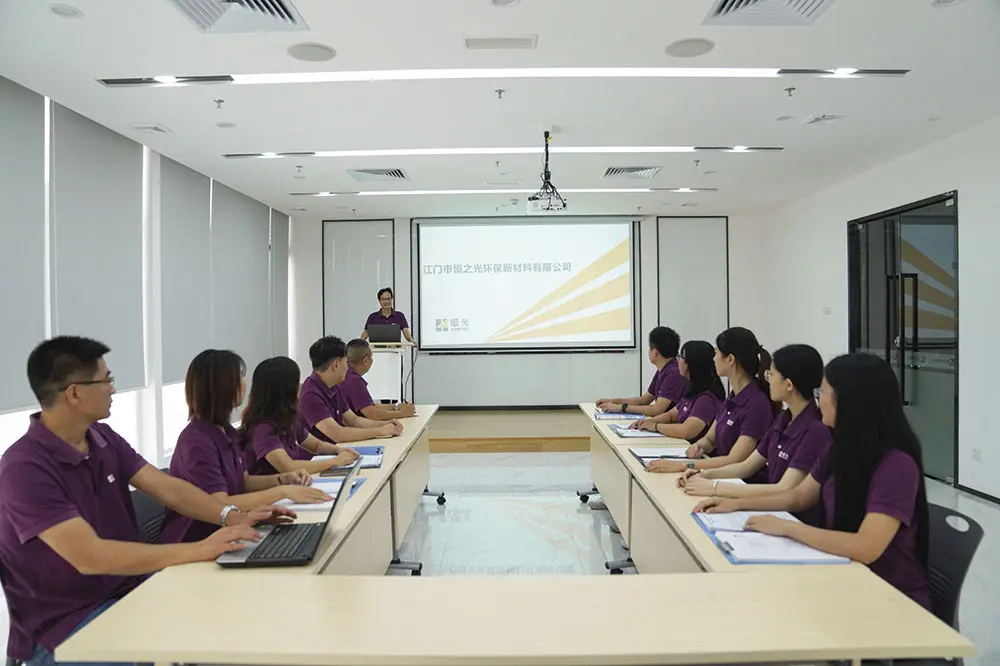
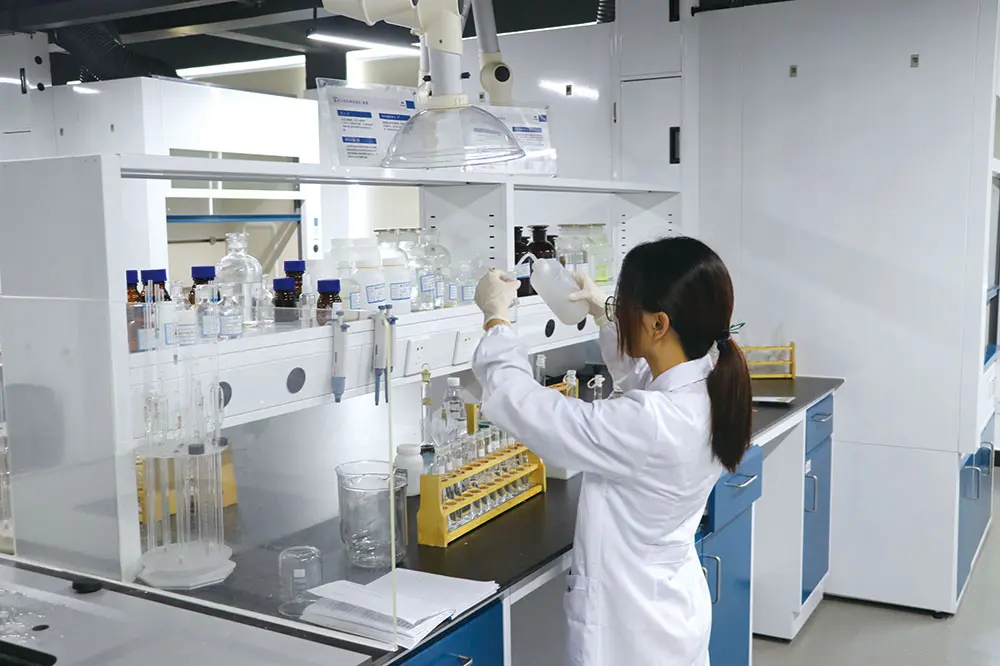
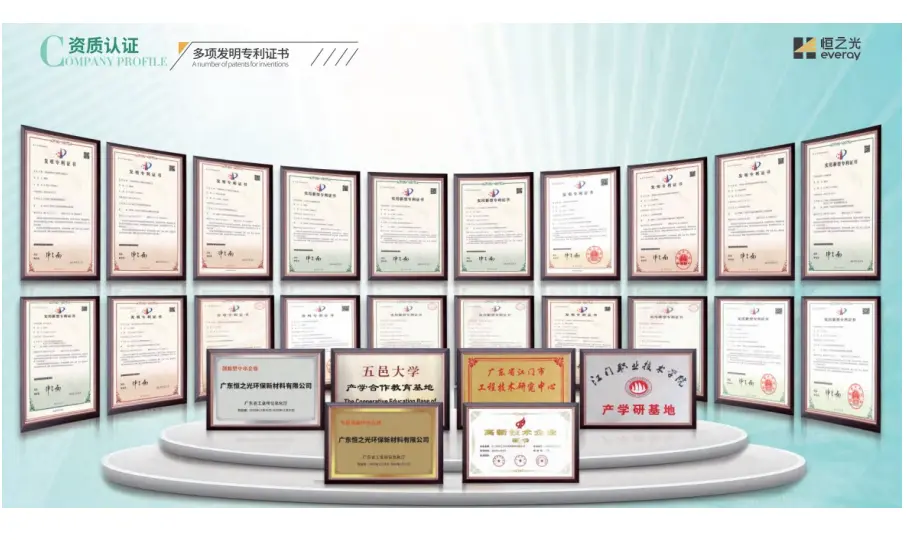
Established in 2006, Guangdong Ever Ray Environmental Material Co., Ltd. is an R&D-focused manufacturer of oligomers for UV-curable systems. Our production system is split between two primary facilities designed to minimize supply disruptions:
With more than 10 production lines running under DCS computerized control systems, our annual capacity exceeds 20,000 tons. This automated oversight maintains batch-to-batch consistency for critical physical parameters like viscosity, acid value, and color density. Both facilities operate under ISO9001 Quality Management and ISO14001 Environmental Management Systems, providing high-purity materials that comply with international safety standards.
Developing sustainable, high-performance chemistry designed for modern regulatory environments.
Our research team is working to substitute petroleum-derived polyols with bio-based alternatives, aiming for more sustainable carbon content without compromising physical properties like hardness and thermal resistance.
We optimize our oligomers to match the narrow output wavelengths of modern LED curing units (primarily 365nm, 385nm, and 395nm), helping formulations cure efficiently without requiring energy-intensive mercury lamps.
We work to align our products with international inventories including TSCA, REACH, and domestic EPA regulations, easing the export and import process for our customers' chemical formulations.
Addressing chemical parameters, handling guidelines, and formulation queries from resin compounders.
Browse our full range of epoxy acrylates, polyurethane acrylates, polyester acrylates, and specialty UV-curable monomers.
 Ever Ray