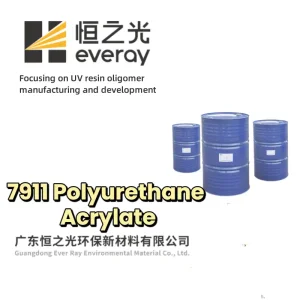
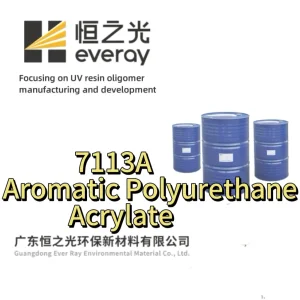
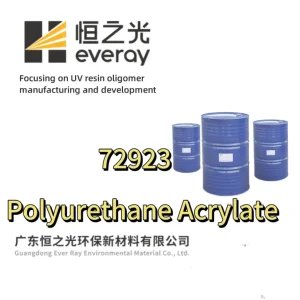
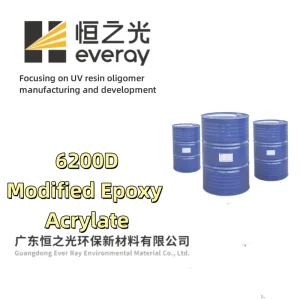
Specially selected range optimized for vacuum metallization, industrial plastics, and robust structural coatings operating under challenging Russian weather profiles.
The industrial landscape in the Russian Federation is undergoing a major structural evolution. As traditional solvent-based processes face tighter eco-standards and rising process overheads, advanced sectors—spanning domestic automotive parts production (Togliatti, Nizhny Novgorod), packaging lines in Leningrad and Moscow Oblast, and heavy-duty electronics coatings—are turning rapidly to UV-curable chemistries.
Aromatic Polyurethane Acrylate (Aromatic PUA) oligomers occupy a pivotal technical niche here. By pairing the rapid radical polymerization velocity of acrylated systems with the structural toughness of urethane linkages and the economic benefits of aromatic diisocyanates, formulation engineers can achieve exceptional wear resistance and substrate adhesion. This makes them highly preferred for high-volume plastic decorative topcoats, vacuum-metallized layers for cosmetic containers, and low-shrinkage industrial wood finishing lines.
Climatic Resilience & Storage: Storage and application within Russian industrial corridors demand chemistry that maintains chemical stability during harsh winters and transitions into production lines without loss of functionality. Ever Ray's proprietary chemistry addresses monomer-diluent compatibility directly, preventing phase separation during low-temperature transportation.
Formulators seeking high performance must balance structural strength against optical stability. Aromatic Polyurethane Acrylates leverage isocyanates such as TDI (toluene diisocyanate) or MDI (methylene diphenyl diisocyanate) as their hard segments. The inclusion of the rigid benzene ring within the backbone yields distinct properties compared to aliphatic diisocyanates (like IPDI or HDI):
| Property Group | Aromatic PUA (e.g., Ever Ray 7113A / 7160) | Aliphatic PUA (e.g., Ever Ray 7291B) | Formulation/Process Impact |
|---|---|---|---|
| Tensile Strength & Tg | High (Glass Transition Temp 55°C - 85°C) | Moderate to Flexible (Tg -20°C to 45°C) | Aromatics deliver excellent scratch resistance & surface hardness. |
| Cure Rate (radical response) | Very Fast (due to rigid polymer backbone) | Moderate to Fast | Speeds up high-throughput industrial coatings lines. |
| Refractive Index | Higher (typically 1.50 - 1.54) | Lower (typically 1.46 - 1.48) | Aromatic PUA maximizes gloss & metallic brightness on metallized parts. |
| UV Yellowing Resistance | Prone to yellowing under prolonged solar UV | Exceptional non-yellowing characteristics | Aromatics are ideal for dark colors, metallization, primers, & indoor finishes. |
| Adhesion Energy | Excellent on ABS, PC, PS, Wood & Paper | Good general adhesion across substrates | Strong bonding on complex structural shapes. |
For vacuum-metallized topcoats—such as those on high-end perfume caps or automotive trims exported and distributed across the CIS—aromatic polyurethane acrylates provide the required inter-coat adhesion. They bond securely to both the vapor-deposited aluminum layer and the plastic substrate base without cracking or peeling, even when exposed to rapid thermal cycles.
Extended portfolio of modified acrylates engineered to solve extreme formulation challenges in industrial floorings, coatings, and composite applications.
Deploying automated process lines to secure reliable logistics and consistent quality for international chemical importers.
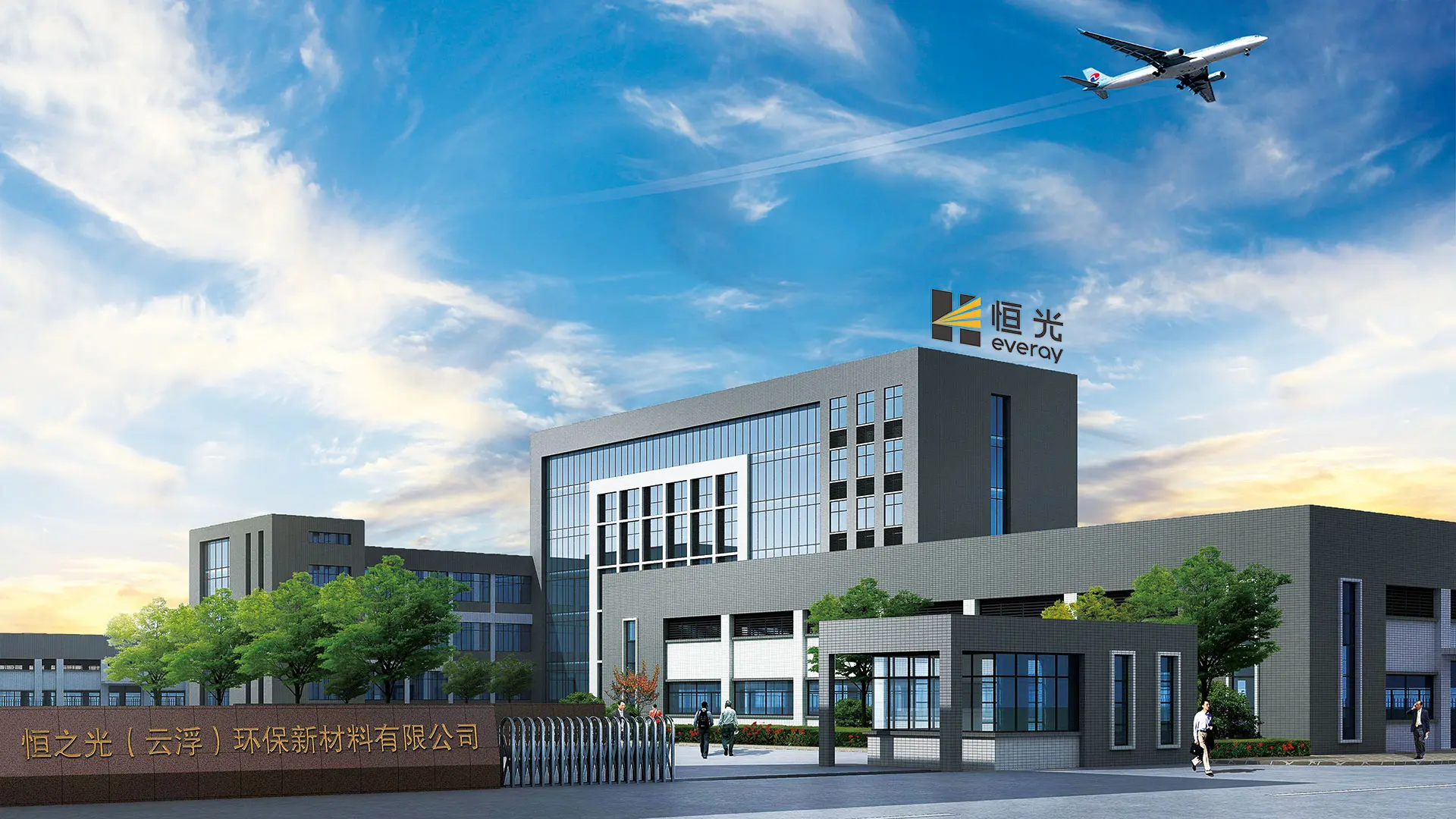
Guangdong Ever Ray Environmental Material Co., Ltd. operates two state-of-the-art production bases in South China: one in Jiangmen (10,000 sqm) and an advanced scale production facility in Yunfu (40,000 sqm). Our manufacturing relies on automated DCS computerized systems that monitor temperature, pressure, feed rates, and polymer conversion curves in real time.
This digital foundation minimizes batch-to-batch variation, which is essential for formulation lines that demand high consistency. In addition, our manufacturing operations are managed under ISO9001 and ISO14001 certification frameworks, ensuring compliance with international quality and environmental management standards.
Chemical supply chains face unique challenges. Ever Ray has structured reliable raw material sourcing pipelines and finished-goods logistics networks. Our team coordinates directly with major freight routes, including the China-Europe Railway Express (New Silk Road), facilitating overland transit from South China terminals to primary hubs in Russia.
Every shipment is accompanied by comprehensive documentation, including detailed Certificates of Analysis (CoA), Technical Data Sheets (TDS), and Russian-compliant Safety Data Sheets (SDS), ensuring smooth customs clearance and regulatory alignment.
We work closely with local formulators and technical directors across the Russian Federation to solve application-specific challenges. Key regional industries use our oligomer solutions in several targeted applications:
Russian packaging suppliers require coatings that provide deep gloss and high barrier properties on plastic cosmetic caps and beverage closures. Using aromatic polyurethane acrylates like 7113A and 7162 in basecoats prevents the outgassing of substrates, while topcoats protect the delicate aluminum deposition layer from abrasion and moisture damage.
For laminate floorings and wood panel processing lines, durability is essential. High-adhesion, low-shrinkage acrylates (such as 1290H and 6100D-85) are integrated into formulations to prevent warping of thin wood boards, while providing resistance to physical wear, household chemicals, and moisture.
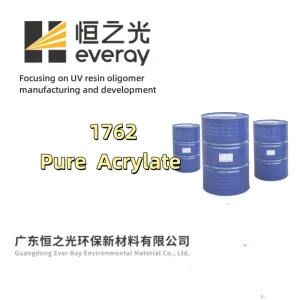
Electronic manufacturing hubs in Moscow and Saint Petersburg utilize high-purity UV adhesives for glass-to-metal bonding and touch-screen laminations. Resins like 6200D and 1762 are selected for these applications due to their high bonding strength, optical clarity, and resistance to environmental stress.
With the expansion of local prototype design centers, waterborne UV resins (like 70601 and 70251) are increasingly used in 3D printing formulations. These resins offer high-precision curing profiles, minimal volumetric shrinkage, and easy water cleanability during post-processing.
Answering common technical questions from formulation chemists and logistics managers purchasing UV monomers and oligomers.
Under normal storage conditions (sealed containers, protected from direct sunlight and heat below 35°C), our polyurethane acrylate oligomers maintain stability for at least 12 months. When shipping to cold regions in Russia, we formulate our products to prevent crystallization or crystallization-induced phase separation, ensuring the material remains processable upon returning to room temperature.
Aromatic PUA resins utilize cost-efficient aromatic diisocyanates, making them more economical than aliphatic alternatives. They provide similar high reactivity, surface hardness, and chemical resistance, making them ideal for applications where direct outdoor sunlight exposure is not a primary concern.
Monofunctional monomers like IBOA or hema-phosphate work well for adhesion promotion. For general viscosity reduction with balanced cure speed, standard diluent monomers such as TPGDA, DPGDA, and TMPTA are highly compatible with our aromatic polyurethane acrylates.
Yes. Our R&D center in Guangdong, staffed by over 15 technicians, can adjust molecular weights, viscosity ranges, and functional group densities. We work directly with customers to optimize oligomers to meet specific formulation and application requirements.
Explore our complete portfolio of waterborne, non-yellowing, and structural UV adhesive resins designed for advanced applications.
Whether you require adjustments to glass transition temperatures, customized viscosity ranges, or specific monomer-diluent ratios, our technical team is ready to assist. Contact us to coordinate bulk supply arrangements.
 Ever Ray