High-performance modified acrylate resins and oligomers engineered to meet the stringent quality, durability, and compliance standards of the UK clean-energy and industrial coatings sectors.
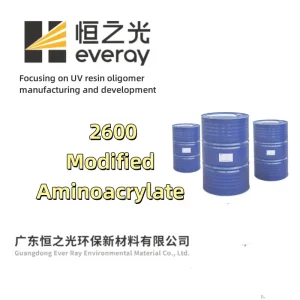
High Water Resistance & Leveling Anti-Yellowing for High-End Commercial Glass Facades.
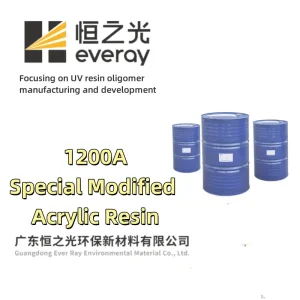
Designed for excellent glass adhesion and complex water transfer printing applications.
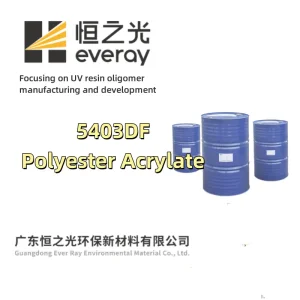
The premium specification choice for chemical resistance and exterior weathering profiles.
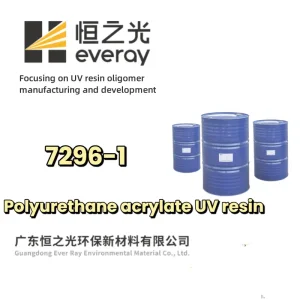
Optimized with low shrinkage metrics to prevent warping on plastic and card stock.
As the UK accelerates its transition toward green manufacturing and net-zero industrial targets, the demand for volatile organic compound (VOC) reduction is reshaping the industrial coatings, graphic arts, and adhesive supply chains in the greater London region.
UK REACH and local London environment guidelines demand that raw chemical importers transition to low-odor, hazard-free alternatives. Our modified epoxy and polyurethane acrylates are molecularly engineered to minimize residual monomers, thereby resolving indoor emission challenges in residential and commercial coatings.
London's packaging converters and automotive component suppliers require polymers that adhere to difficult substrates. The specific chemistry of modified acrylate monomers guarantees exceptional chemical crosslinking density, assuring strong mechanical interlocking on non-porous glass, dense metal surfaces, and specialty PET plastics.
In high-speed processing lines typical of modern manufacturing sites in the South East of England, cure-through speed determines manufacturing yield. By optimizing structural functionalities, these monomers deliver faster double-bond conversion under standard UV-Hg or modern UV-LED lamp configurations.
Understanding the relationship between acrylate functional groups and performance in demanding London packaging, electronic, and industrial coating environments.
The core technology behind Ever Ray's modified acrylate portfolio focuses on optimizing molecular architectures to overcome historical limitations of radiation-curable systems. Standard acrylic polymers suffer from oxygen inhibition and significant polymerization shrinkage, leading to poor adhesion on metallic and glass substrates.
Our R&D team modifies these oligomers by integrating organic-inorganic hybrid elements, hydroxyl, and carboxyl functionalities into epoxy and polyurethane backbones. This targeted modification creates several key benefits:
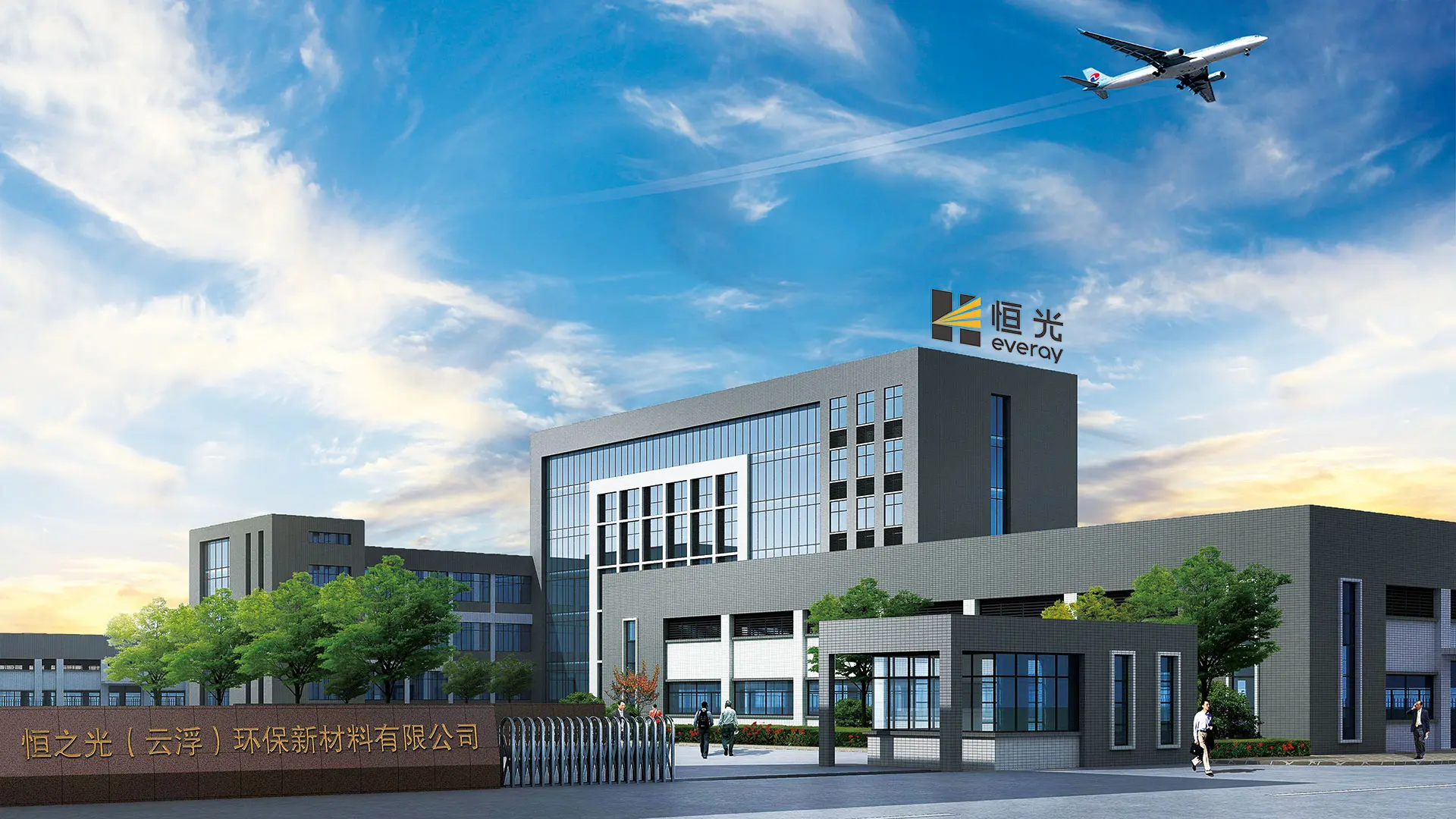
Established in 2006, Ever Ray is a high-tech manufacturer specializing in oligomers for UV-curable systems, including epoxy acrylates, polyurethane acrylates (waterborne, aliphatic, and aromatic), polyester acrylates, and special functional modified acrylate oligomers.
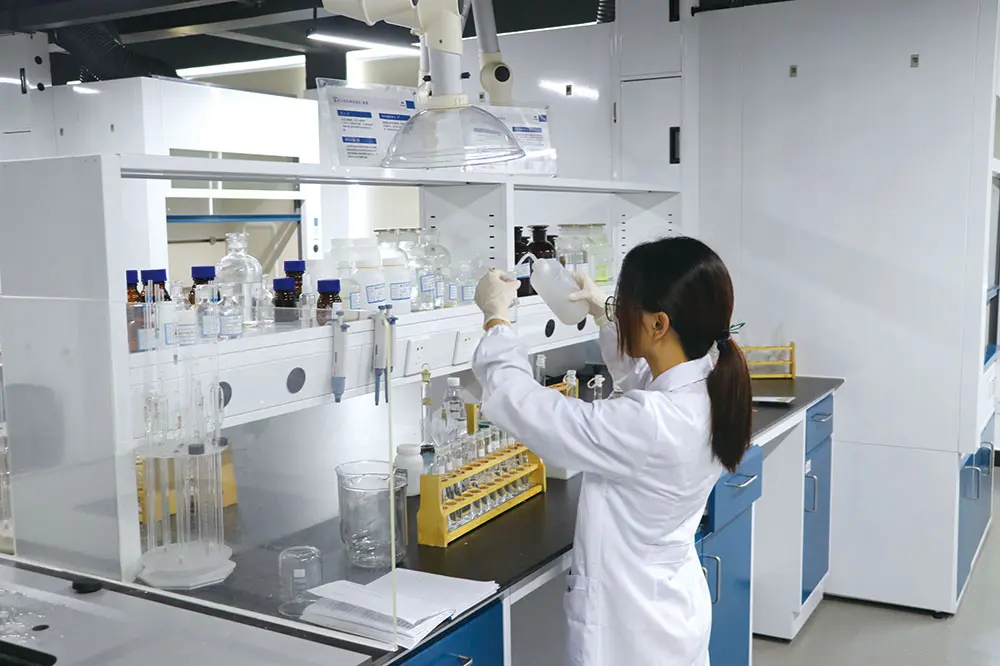
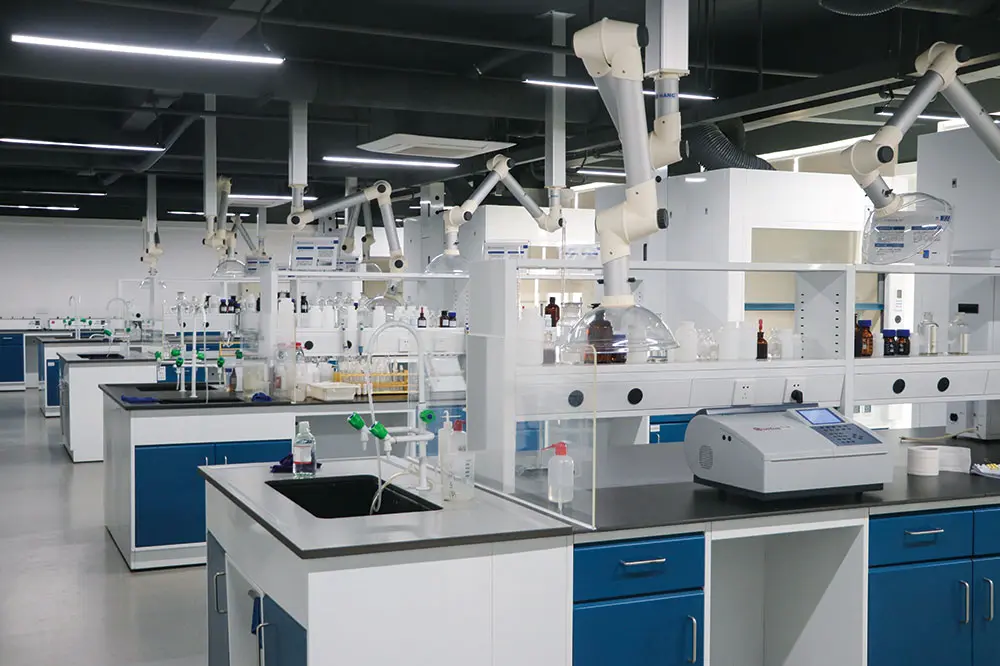
We support London chemical companies and coating manufacturers with reliable materials, advanced technical documentation, and tailored formulations. Whether you seek to lower formulation costs, improve hardness, or resolve challenging adhesion parameters, our R&D center provides customized solutions to meet strict design standards.
Ensuring reliable raw material supply chains for high-volume consumers of UV oligomers through state-of-the-art chemical manufacturing.
Ever Ray operates two key production complexes in Guangdong province. The first facility in Jiangmen covers 10,000 square meters, while the second in Yunfu expands our reach by 40,000 square meters. Together, these facilities support a production capacity exceeding 20,000 tons per year across more than 10 modern synthesis lines.
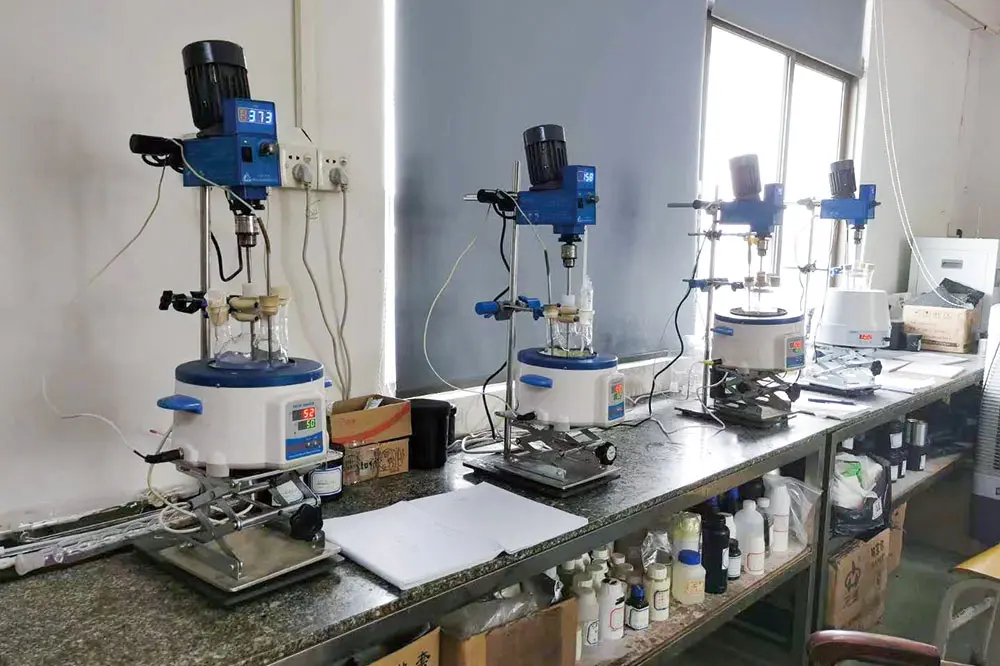
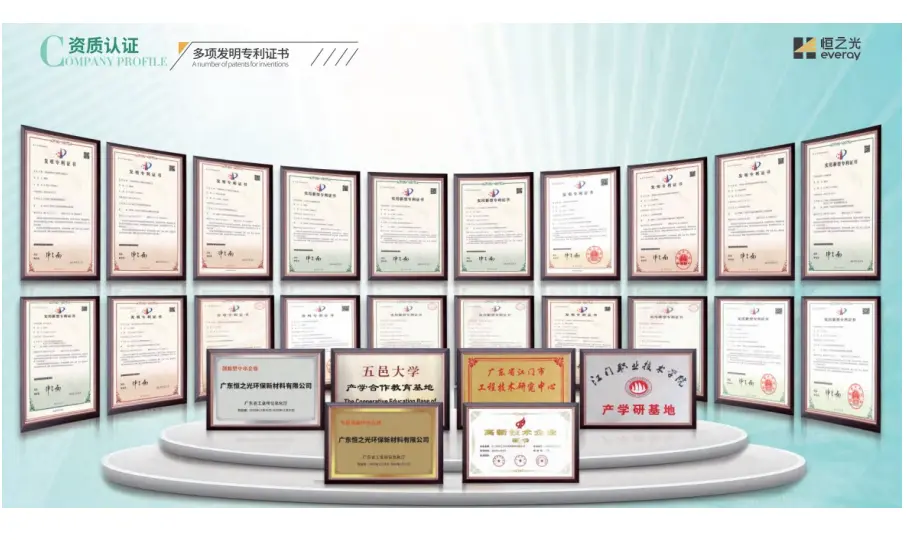
Both operations utilize advanced DCS computerized controls to ensure highly consistent reaction pathways. Operating under ISO 9001 and ISO 14001, we ensure that batch-to-batch polymerizations are strictly controlled, protecting chemical consistency for downstream product formulation.
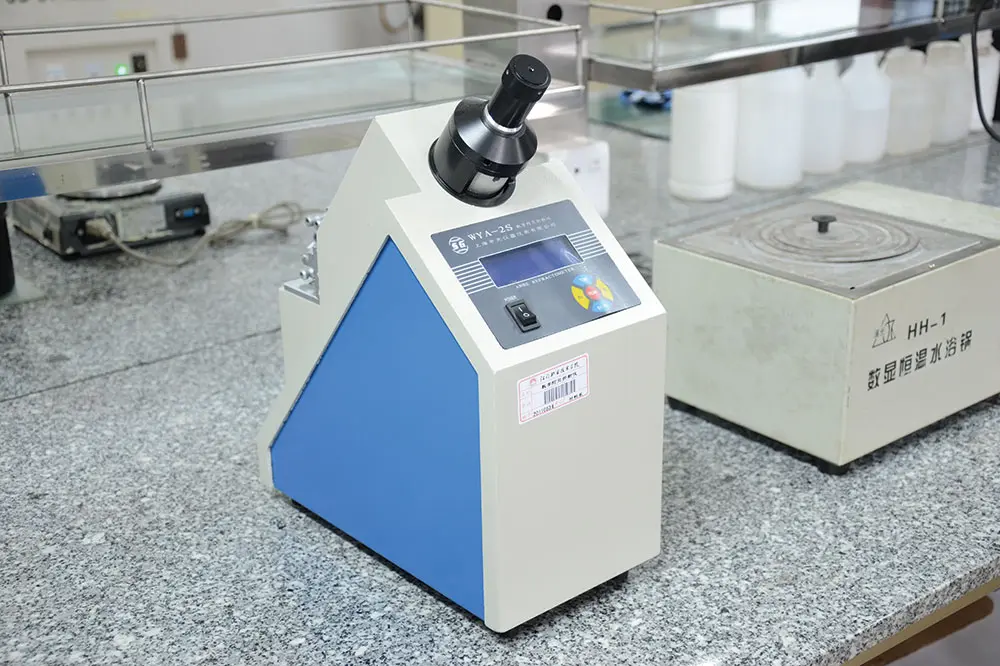
Find answers to frequently asked questions regarding modified acrylate monomers, custom oligomer synthesis, and global shipping to London ports.
Standard epoxy acrylates have high viscosity and high shrinkage, which can cause poor adhesion on glass and metals. Modified epoxy acrylates, like our 6231 series, incorporate fatty acid or polyurethane chains to improve flexibility, reduce viscosity, lower shrinkage, and increase leveling without compromising curing speeds.
We coordinate with leading regulatory consultants to handle import protocols and ensure all exported monomers comply with UK REACH and EU environmental frameworks. Complete SDS files and TDS datasheets are provided for every batch, confirming low-VOC and heavy metal-free compliance.
For flexographic and offset UV printing, we recommend our Polyester Acrylate 5377A and Polyester Acrylic UV Resin 5403DF. These show excellent pigment wetting, low ink misting at high run speeds, and high surface reactivity under energy-efficient UV-LED exposure systems.
Yes. With over 15 technicians in our R&D center, we regularly adjust molecular weights, functional groups, and reactive diluent blends to match specific viscosity, hardness, impact resistance, and curing speeds requested by our customers.
From high-toughness 3D printing resins to durable wood coatings, explore our chemically stable grades designed for challenging industrial conditions.
 Ever Ray