Engineered to deliver exceptional adhesion, rapid curing kinetics, and low shrinkage properties on challenging substrates.
Understanding the critical performance metrics of radical UV polymerization in tropical conditions and regional industrial supply chain logistics.
Ho Chi Minh City (HCMC), alongside its neighboring industrial corridors in Binh Duong, Dong Nai, and Long An, has established itself as the manufacturing powerhouse of Southeast Asia. As global consumer demand drives production in wooden furniture, flexible packaging, consumer electronics, and automotive plastics, the local coatings and printing ink sector has undergone a massive technological shift from traditional solvent-borne formulations to ecological, high-efficiency UV-curing systems.
Historically reliant on imported base resins, local formulators in Vietnam now seek advanced, customized chemical architectures. Tropical climates introduce unique variables to chemical application: high humidity (>80% R.H.) and sustained ambient temperatures (28-36°C) can affect the surface cure and monomer evaporation rates of traditional oligomers. This makes the selection of high-reactivity, low-shrinkage, and humidity-resistant Modified Acrylate Monomers and Oligomers a critical performance criterion for Vietnamese paint and ink manufacturers.
Specialty modified acrylates represent a refined class of chemistry that enhances radical polymerization under UV light sources (mercury arc and LED). Standard acrylic monomers often suffer from high shrinkage rates (up to 15%), leading to warping on plastic film layers and poor adhesion on dense surfaces like glass, sheet metals, and treated aluminum foil. By altering the polymer backbone with organic modifiers—such as urethanes, polyesters, epoxies, and aromatic structures—we balance the internal stress during rapid curing.
Key technological attributes achieved through modification include:
Global procurers, from OEM consumer brand holders to local coatings manufacturers, face volatile shipping environments and strict environmental directives (such as REACH, RoHS, and local EPA limits). When procuring specialty UV oligomers for assembly and print lines serving the Ho Chi Minh City cluster, buyers emphasize three metrics: consistency of chemical assays (batch-to-batch repeatability), regulatory compliance, and lead-time agility. Direct supply lines from reliable Chinese factories minimize transport delays, utilizing deep-water ports like Nansha or Shenzhen directly to HCMC’s Cat Lai Port.
Guangdong Ever Ray Environmental Material Co., Ltd.
Established in 2006, Guangdong Ever Ray Environmental Material Co., Ltd. is a state-level high-tech enterprise focusing on the R&D and manufacturing of oligomers for UV curable resin. Our comprehensive product matrix includes epoxy acrylate, polyurethane acrylate (water-borne, aliphatic urethane, aromatic urethane), polyester acrylate, pure acrylate, and other custom-formulated functional modified acrylate oligomers.
By blending technological advancement with environmental responsibility, we serve as a strategic supplier to international markets, delivering tailored chemical solutions to customers across Europe, Southeast Asia, and the Americas.
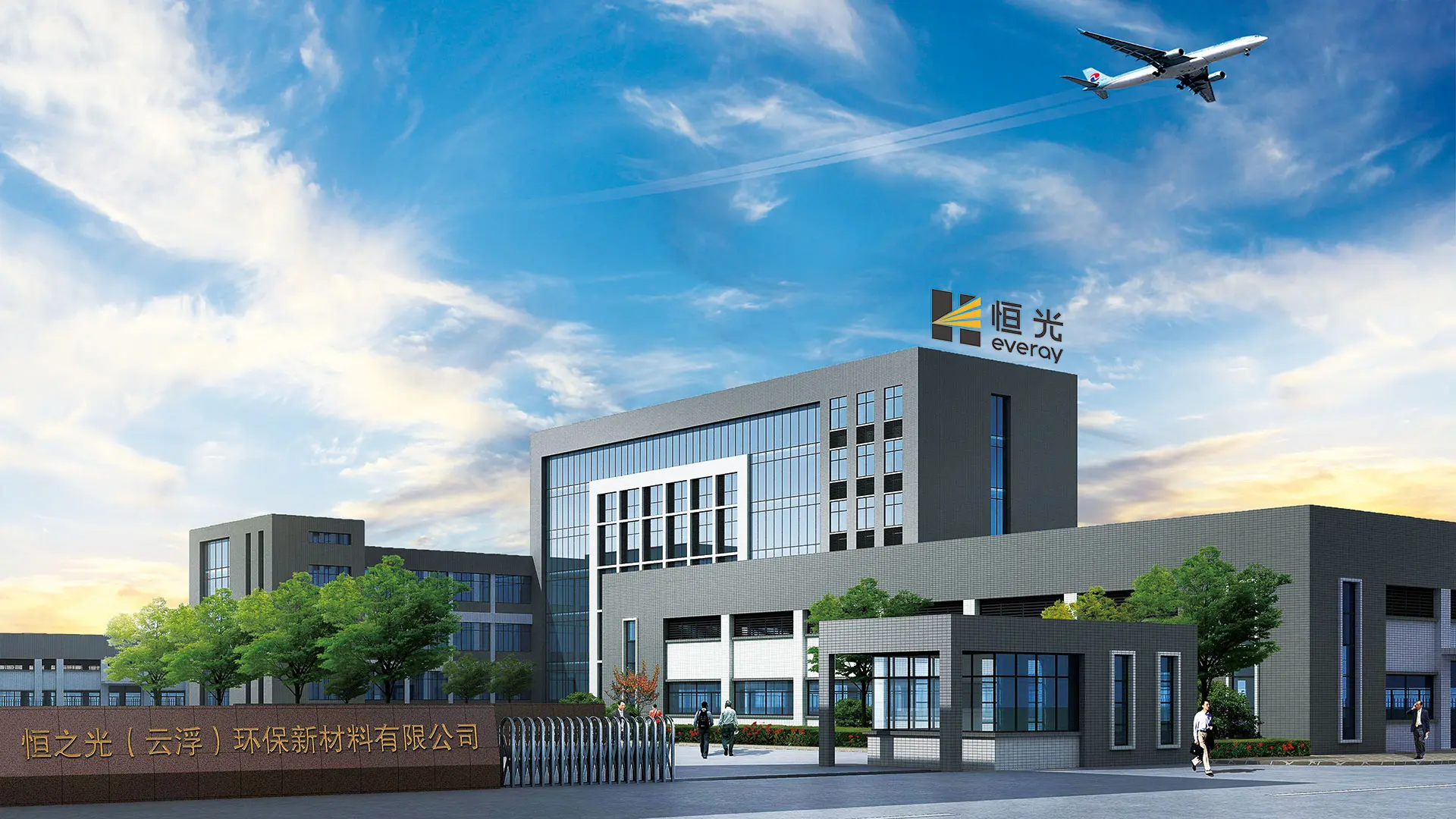
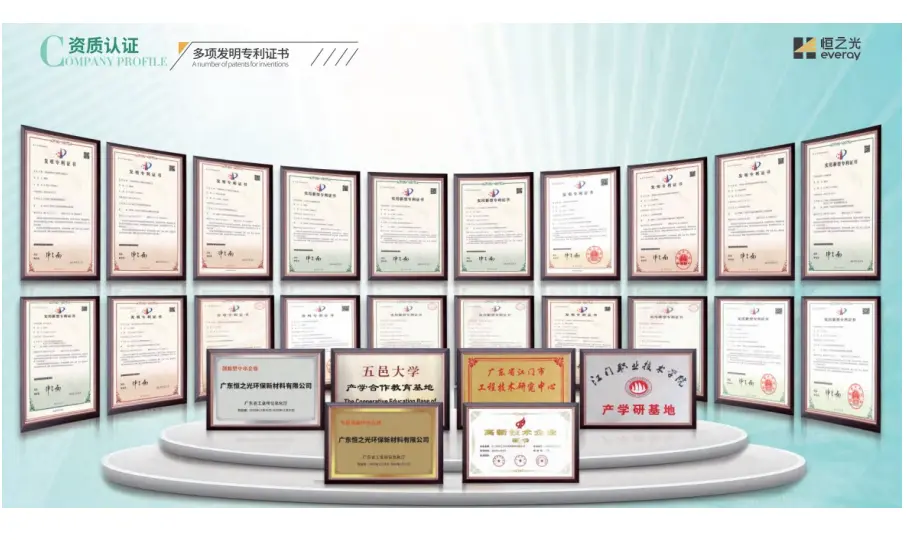
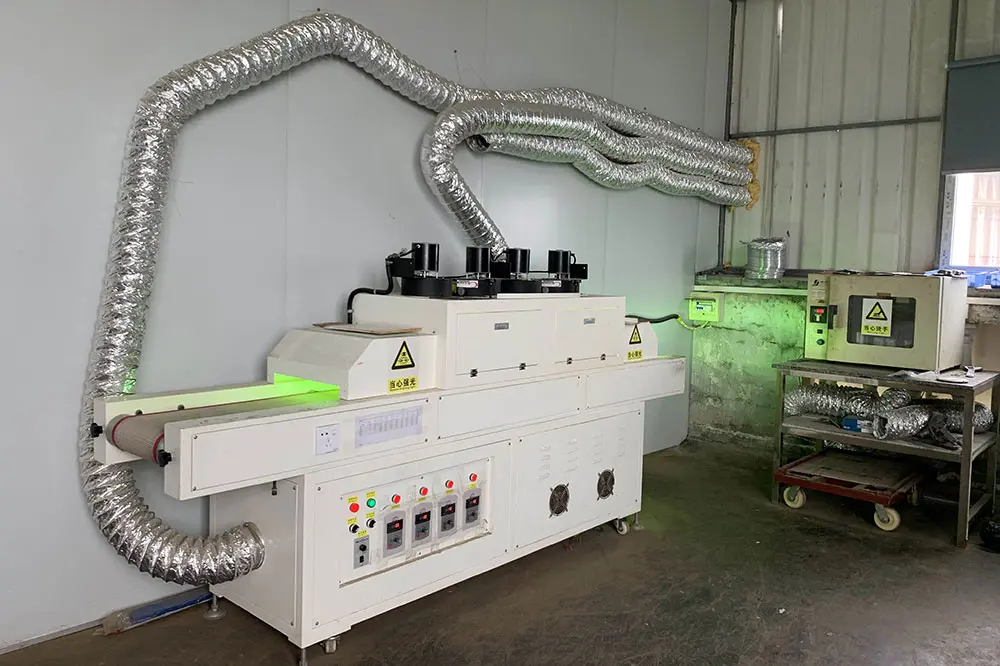
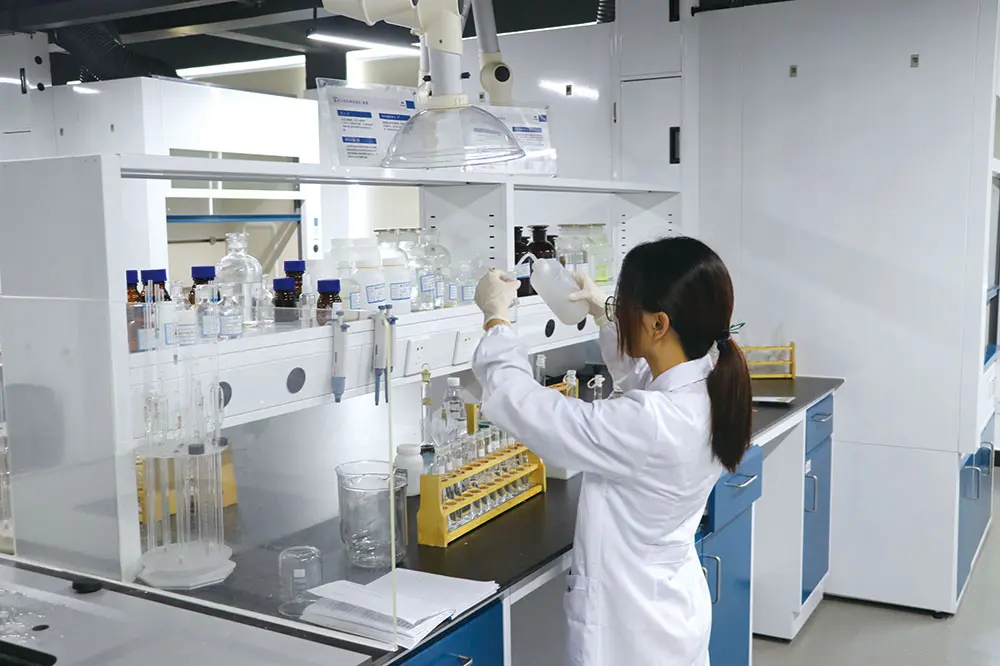
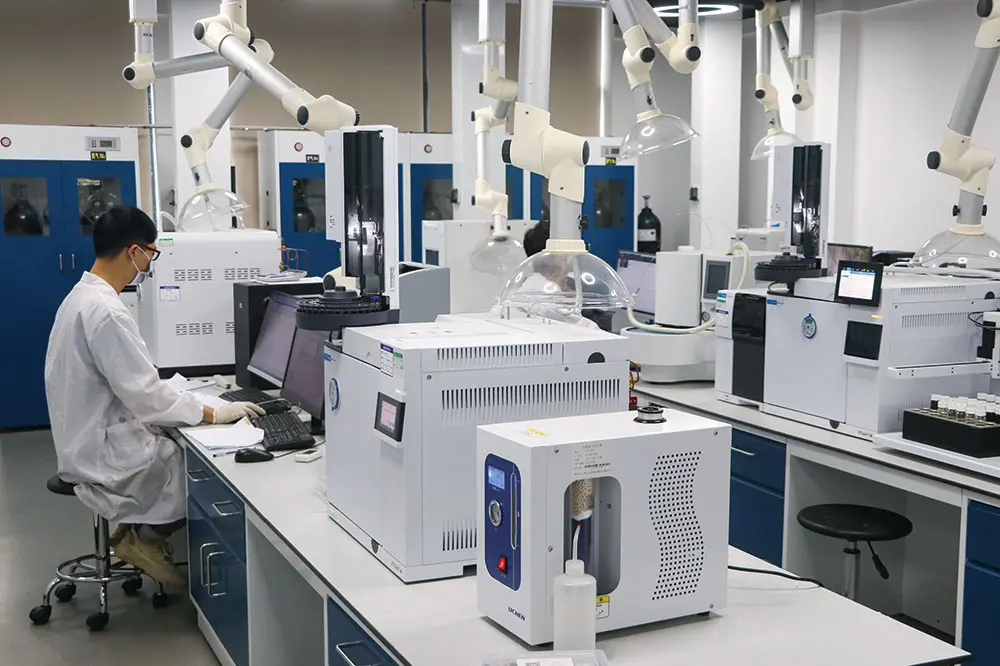
Ever Ray operates two key manufacturing complexes in Guangdong Province: our Jiangmen base spans 10,000 square meters, while our flagship Yunfu base covers 40,000 square meters. These installations house advanced chemical synthesis lines, fully integrated with raw material storage, clean room testing facilities, and dedicated safety structures.
To ensure consistent output quality, both factories operate under the ISO9001 Quality Management System and ISO14001 Environmental Management System. The heart of our production is the fully computerized DCS (Distributed Control System). This automated framework monitors reaction temperature, pressure curves, and feedstock addition in real-time, reducing human error and assuring batch consistency.
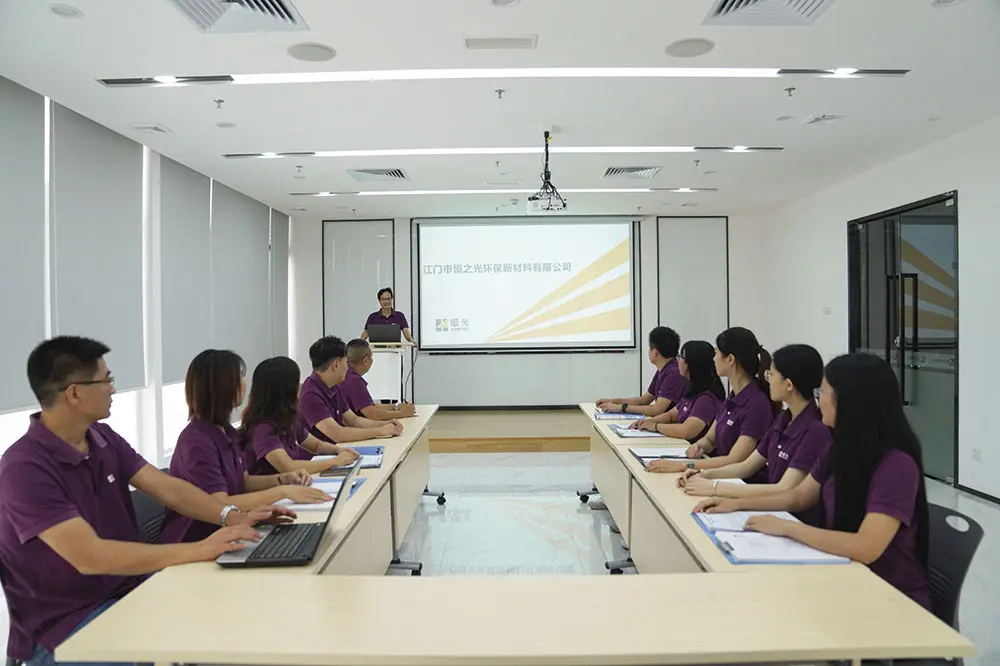
Supported by more than 10 invention and practical patents, Ever Ray’s core team of 15 R&D scientists works closely with domestic polymer universities and UV research institutes. We focus on enhancing product reactivity, resistance properties, and gloss metrics across diverse industries, including wood coatings, packaging offset inks, high-speed plastic finishes, and optoelectronic adhesives.
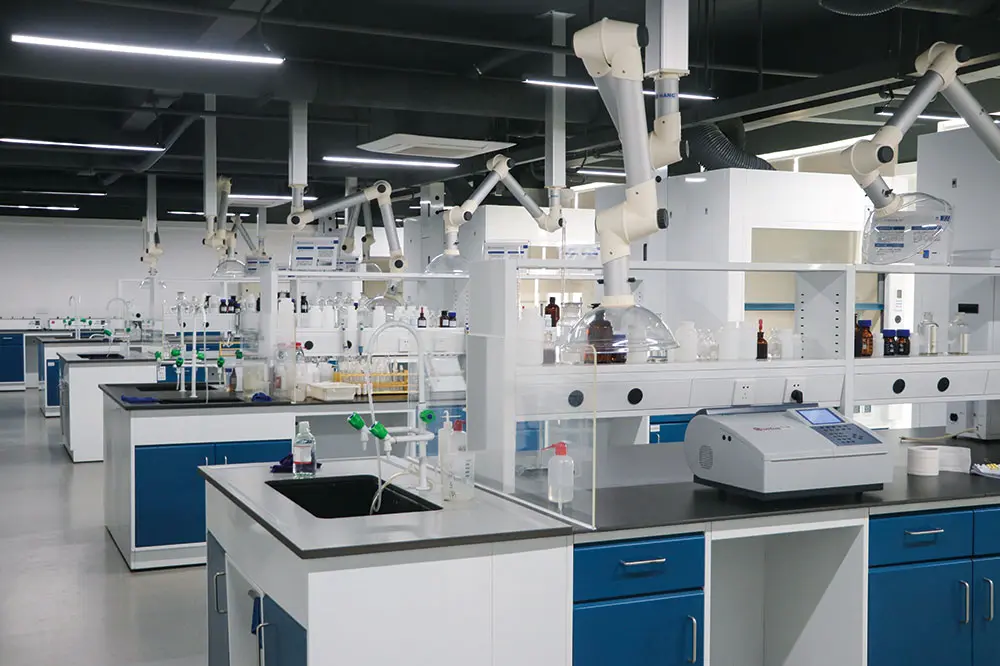
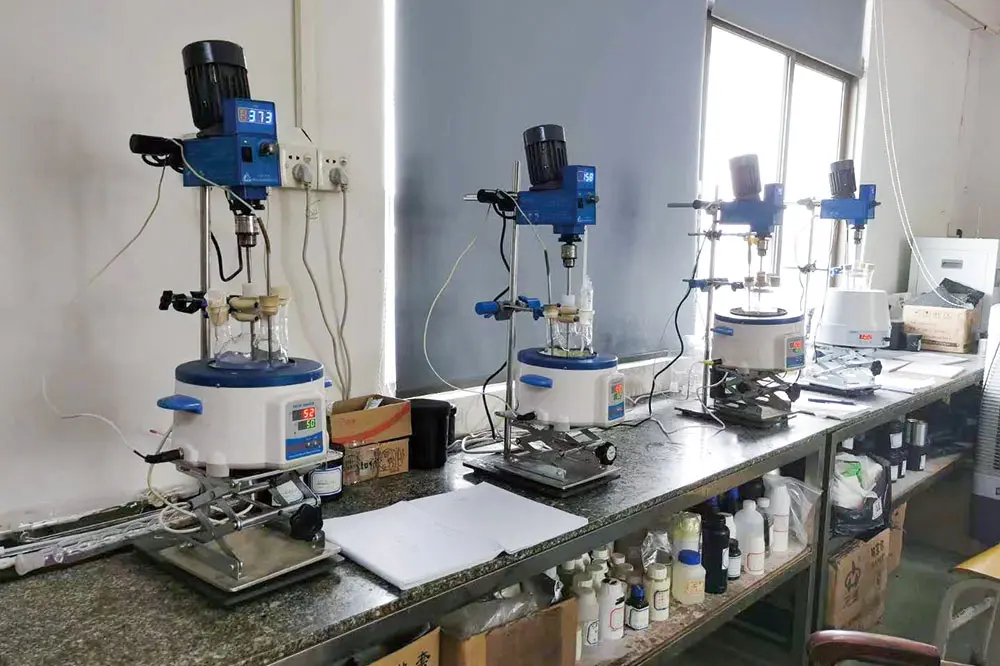
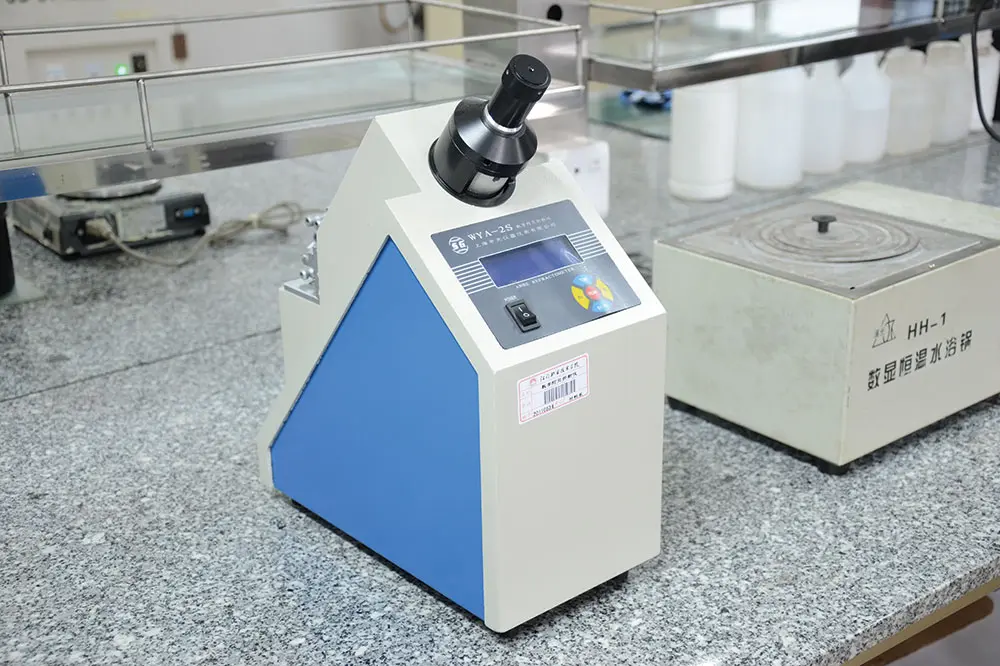
Explore our complete list of industrial oligomers engineered for specialty coatings, laminations, varnishes, and high-performance industrial inks.
How customized modification processes overcome traditional formulation bottlenecks in furniture coatings, food packaging, and metal decoration.
Glass container decoration (e.g., cosmetic jars, beverage containers) requires coatings to withstand post-processing, pasteurization, and high moisture levels. Traditional acrylate systems fail when water molecules penetrate the coating-glass interface. Our specialized products, such as the Wholesale 17730A-2 Special Modified Acrylate Resin, are designed with built-in adhesion promoters. These form robust siloxane linkages with the silica structure of glass surfaces, maintaining high crosslink density and color stability even under boiling water tests.
Industrial printing presses run at speeds exceeding 300 meters per minute, demanding near-instantaneous UV curing. High pigment concentration (especially carbon black or titanium dioxide) can block UV wavelengths from penetrating the ink film completely, leaving a wet uncured bottom layer. Formulators resolve this using low-viscosity, high-functionality polyester acrylates like our 5336B Polyester Acrylate Resin. This resin provides excellent pigment wetting properties, low viscosity without excessive solvent dilution, and fast radical generation to ensure deep curing at high line speeds.
As the largest wooden furniture export hub in Southeast Asia, Southern Vietnam relies heavily on high-speed flat-line rollers to apply base coats and sealers. The raw timber substrate can be porous, resulting in loss of surface gloss. Polyurethane acrylate resins with high elasticity and rapid cure profiles allow manufacturers to apply thick, robust layers that resist cracking and scratch damage. Our low-odor options, like the 2406 UV Resin, maintain low VOC profiles, helping factories meet strict export standards for North American and European markets.
Direct technical answers from Ever Ray's laboratory concerning logistics, chemical parameters, and application support in Ho Chi Minh City.
 Ever Ray