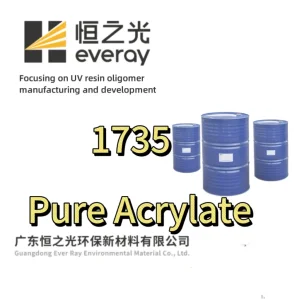
Direct supply line to the Kanto industrial zone. These highly advanced, pure acrylate materials meet the strict tolerance limits required by Japanese semiconductor, automotive component, and display manufacturing sectors.
The Tokyo Metropolitan Area, comprising the Kanagawa industrial centers, Chiba's chemical complexes, and Saitama's electronics hubs, represents the absolute zenith of precision manufacturing globally. Here, the requirements for UV-curable monomers and oligomers are distinct from other global sectors. Tokyo formulation labs prioritize physical reliability, minimal chemical variance, and deep environmental alignment over simple cost considerations.
Our market research reveals that the rapid growth of high-speed flexographical printing, optical display coatings (such as COP and PET film applications), and 3D engineering resins has driven a steep demand curve for pure acrylate oligomers. Unlike epoxy acrylates or standard polyester variants, pure acrylates feature highly stable carbon-carbon backbones, providing outstanding resistance to yellowing, minimal volume shrinkage, and robust crosslinking density.
Additionally, Japanese suppliers and industrial consumers face pressure from the Ministry of Economy, Trade and Industry (METI) to drastically limit Volatile Organic Compounds (VOCs). Transitioning to 100% solids UV-curing systems based on pure acrylate technology is no longer optional; it is a core business continuity strategy for manufacturers located across the Tokyo Bay industrial corridor.
To assist chemical formulators and procurement agents in the Kanto region, our R&D department has mapped the structural differences, mechanical characteristics, and application thresholds of major oligomer classifications compared with our proprietary Pure Acrylate Resin technologies.
| Oligomer Class | Cure Speed | Shrinkage Profile | Weatherability (Yellowing) | Adhesion to COP / PET / Glass | Main Tokyo Applications |
|---|---|---|---|---|---|
| Pure Acrylate Oligomer | Fast to Moderate | Extremely Low (<1.5%) | Excellent (Non-Yellowing) | Outstanding (Chemical bond integration) | Optical display adhesives, automotive varnishes |
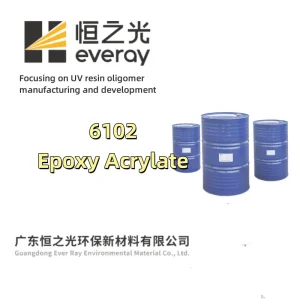
| Epoxy Acrylate | Very Fast | High (3% - 6%) | Poor (Prone to yellowing) | Good on rigid substrates | Paper varnishes, rigid wood coatings |
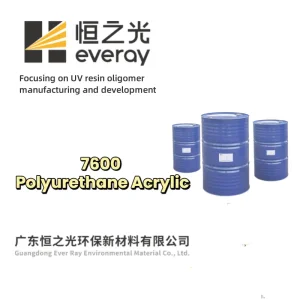
| Urethane Acrylate (Aliphatic) | Moderate | Low to Moderate | Excellent | Excellent on plastics | Soft-touch electronics, mobile screens |
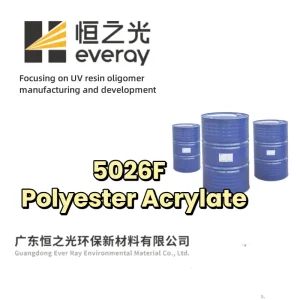
| Polyester Acrylate | Fast | Moderate | Moderate | Moderate | Industrial packaging inks, flexo inks |
Our pure acrylate technology achieves minimal shrinkage because we incorporate bulky, non-polar cycloaliphatic segments and highly flexible ether-ester linkages within the polymer main chain. This design mitigates the mechanical stresses that develop during rapid crosslinking reactions triggered by high-output LED-UV curing systems.
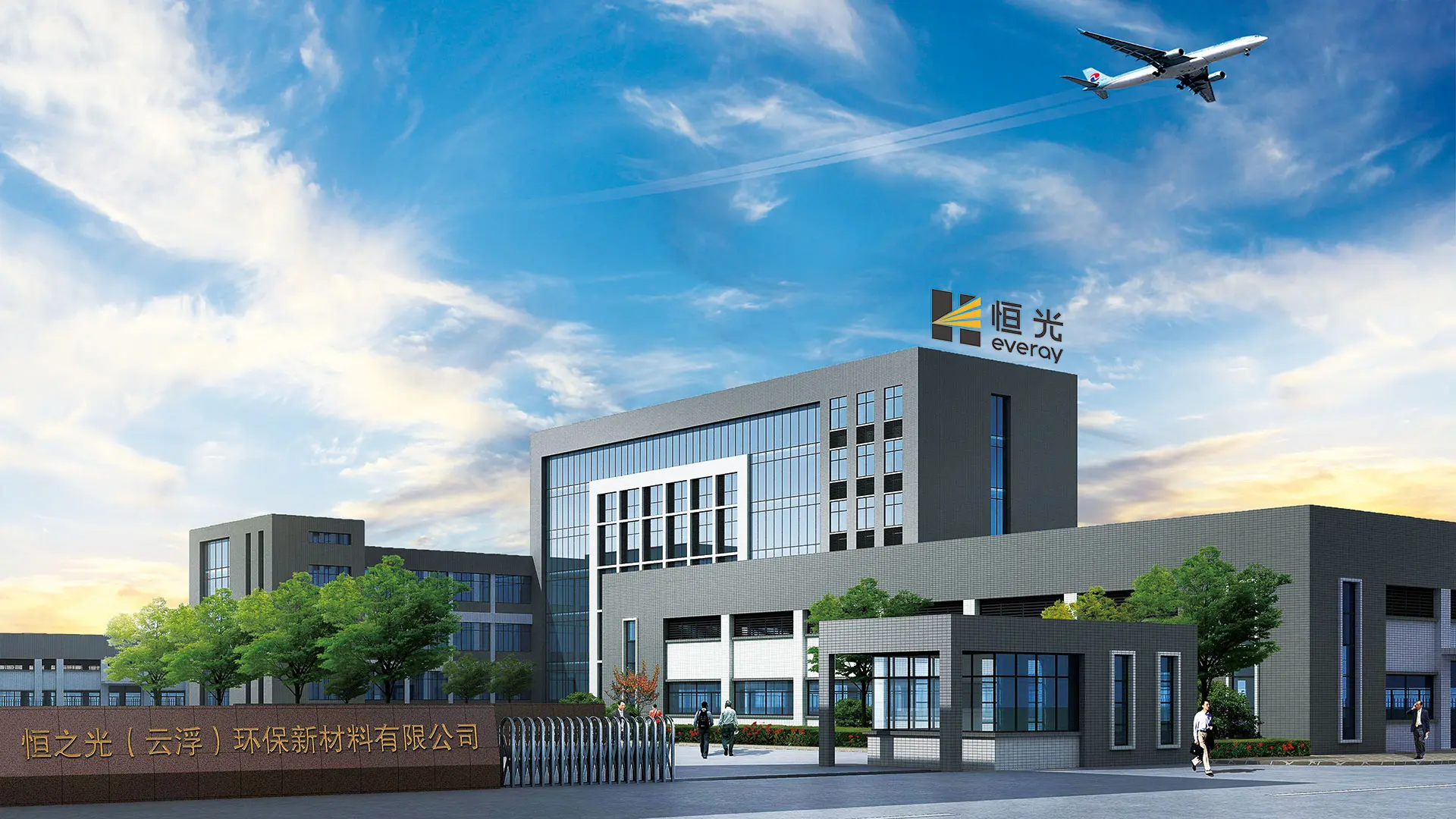
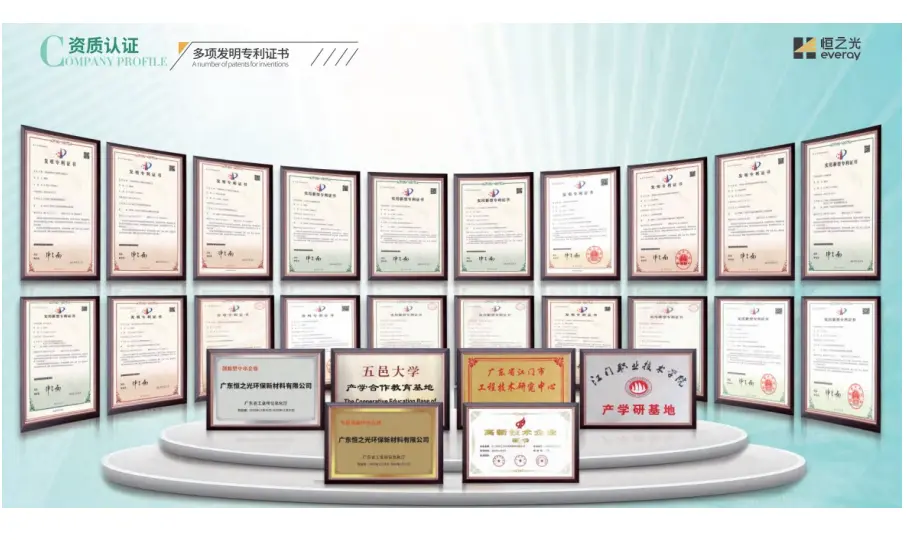
Established in 2006, Guangdong Ever Ray Environmental Material Co., Ltd. is a recognized high-tech enterprise dedicated to the research, development, and manufacturing of oligomers for UV-curable systems. Our product portfolio includes epoxy acrylates, polyurethane acrylates (waterborne, aliphatic, and aromatic), polyester acrylates, pure acrylates, and custom functionalized acrylate oligomers.
To satisfy the strict risk mitigation protocols (BCP) mandated by Japanese enterprises, Ever Ray operates two separate production facilities:
Equipped with 10 production lines, our total annual output capacity exceeds 20,000 tons. Quality and environmental safety are certified under the ISO9001 Quality Management System and ISO14001 Environmental Management System. We source premium domestic and international raw materials, using advanced scientific management methods and cooperating with external polymer experts to maintain consistent batch-to-batch chemical stability.
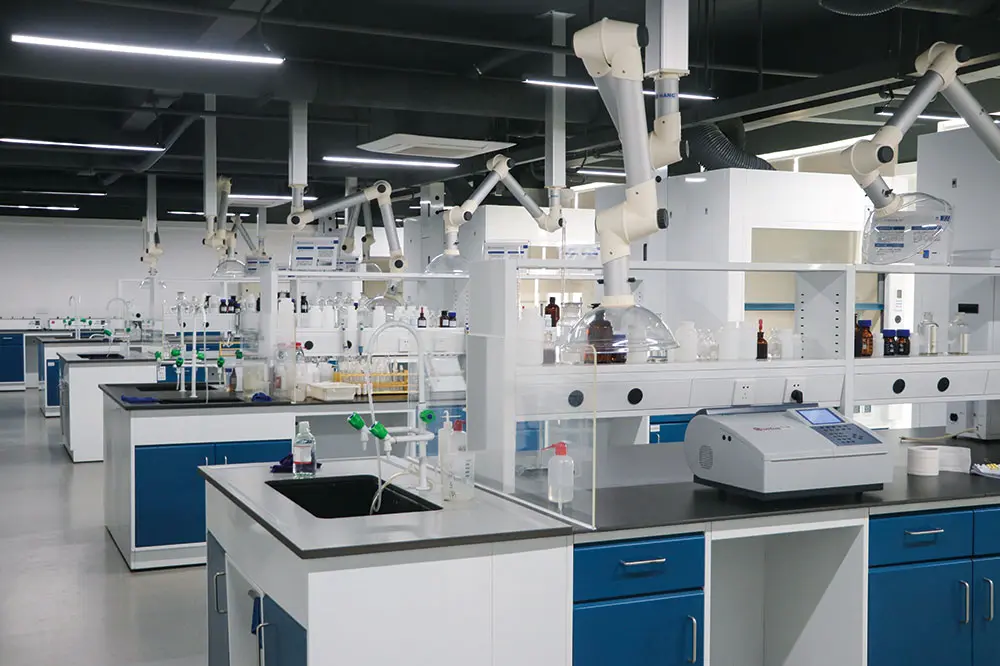
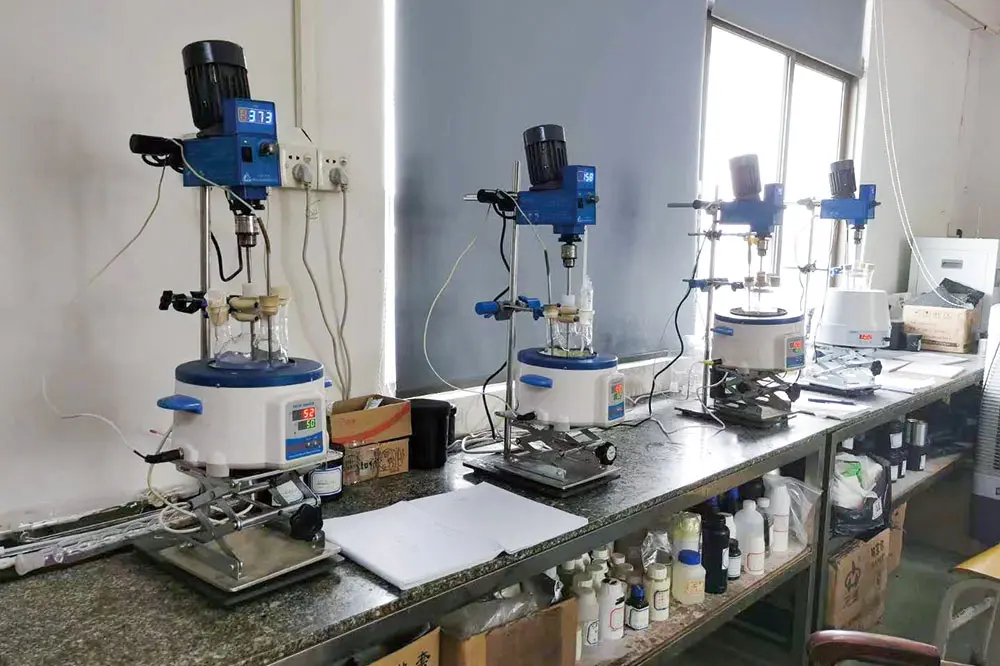
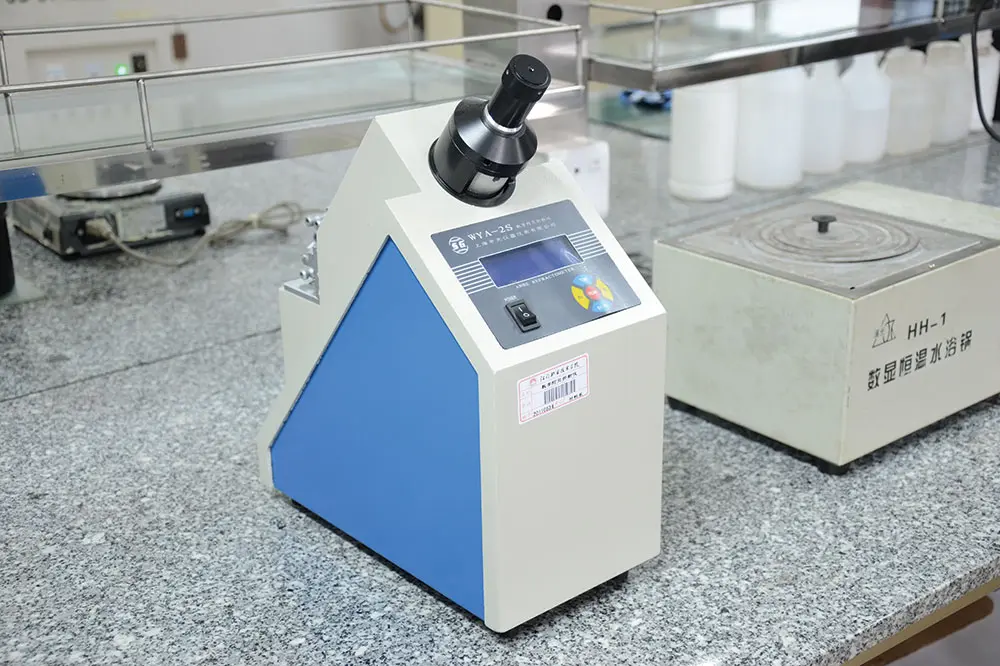
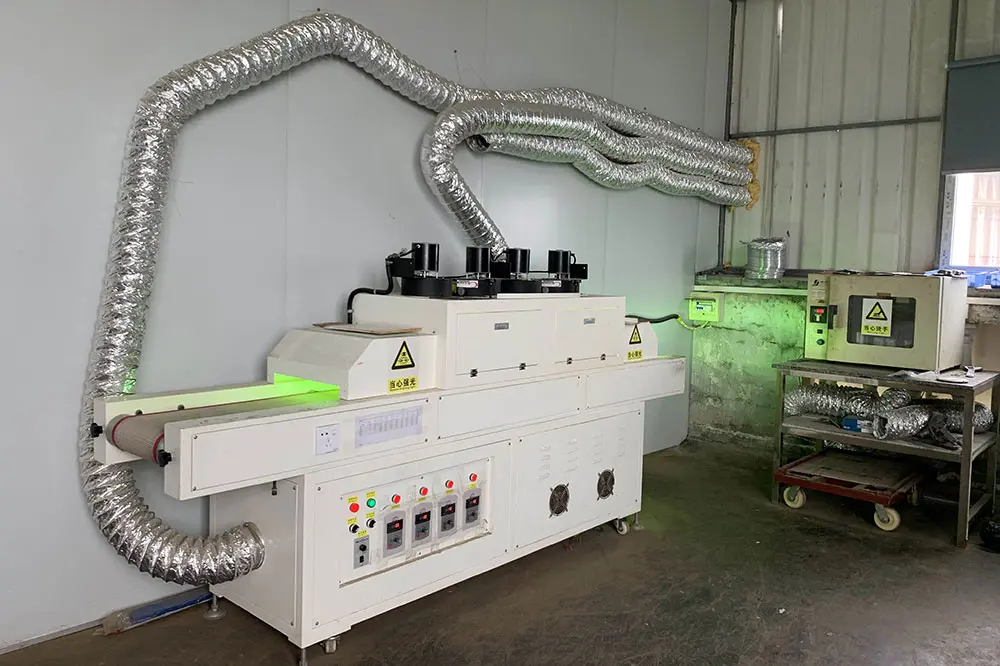
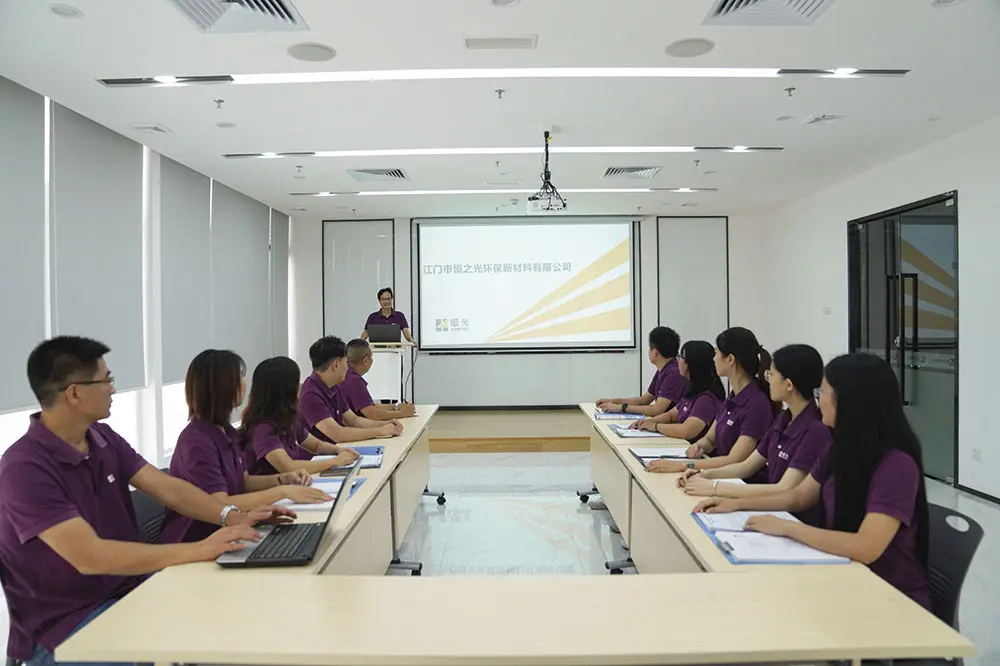
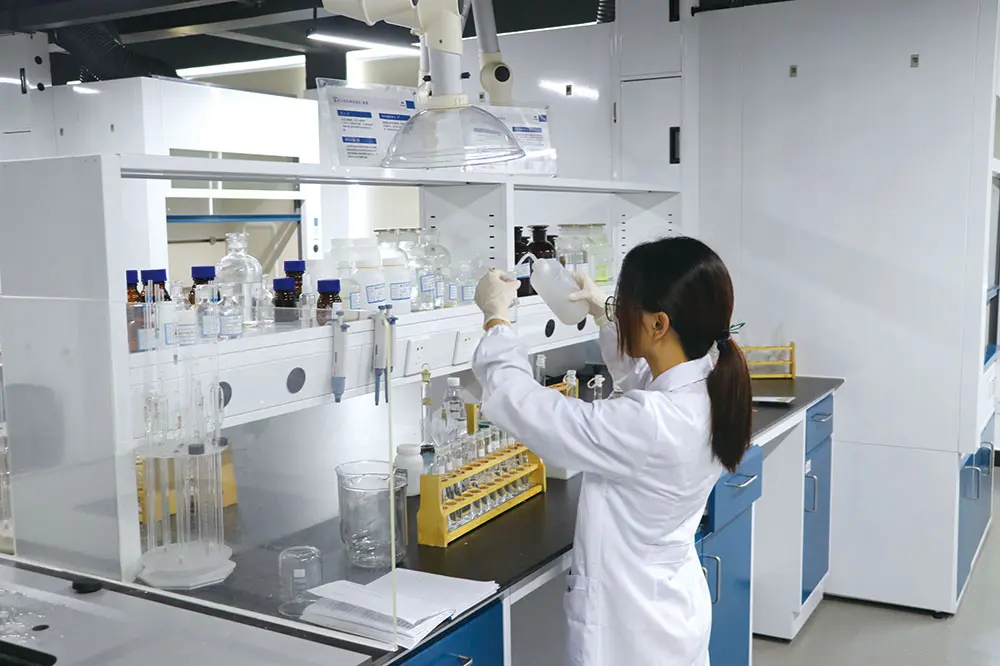
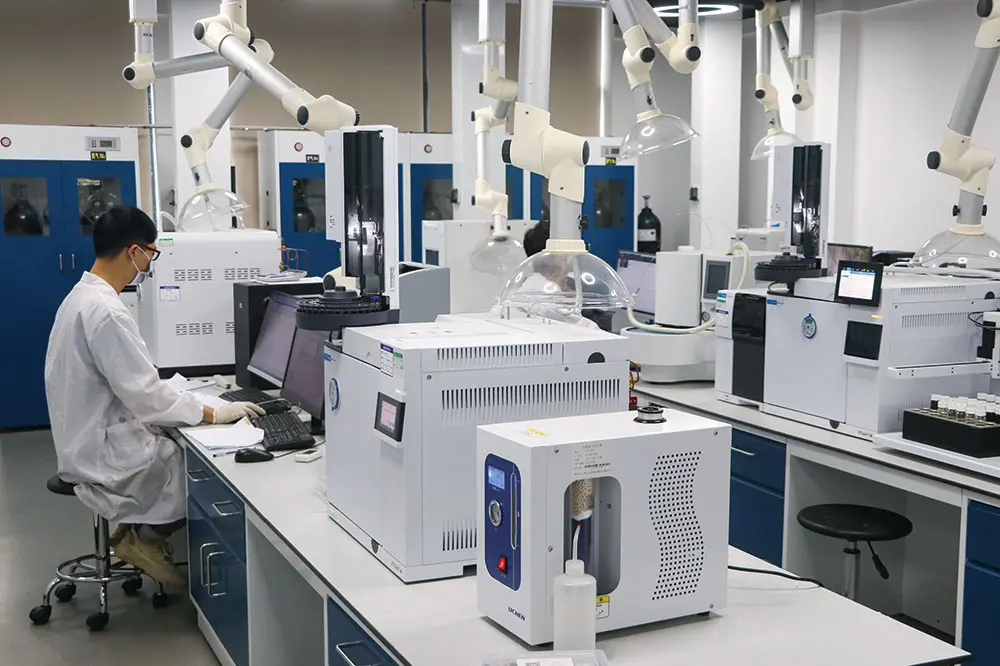
Our internal R&D division includes 15 experienced polymer chemists who focus on increasing reactivity, chemical resistance, and surface gloss. Whether designing coatings for natural wood, synthetic plastics, metals, high-speed offset inks, or structural adhesives, Ever Ray balances raw material performance with economic value, helping our clients reduce their formulation costs.
Importing polymer materials into Japan requires adherence to strict domestic regulations. At Ever Ray, we assist our logistics partners in Tokyo, Yokohama, and Osaka to ensure that every shipment of pure acrylate oligomers complies with Japanese laws:
By coordinating with certified logistics hubs at the Port of Tokyo and Port of Yokohama, Ever Ray maintains a reliable delivery pipeline. Our standard packaging—including steel drums, IBC totes, and ISO tanks—features double-seal closures to prevent moisture infiltration, ensuring the long-term storage stability of highly reactive pure acrylates.
Specialty modified resins designed for demanding industrial applications in Japan, offering high reactivity, thermal stability, and excellent adhesion to glass, metal, and plastic.
Modern applications require chemical properties tailored to specific mechanical, optical, and environmental demands. Ever Ray helps local formulation engineers address these needs with tailored solutions:
Optical displays in automotive head-up displays (HUDs) and consumer touchscreens require optical clarity and UV resistance. Standard epoxy acrylates can yellow under continuous UV exposure, causing color shifts in displays. Our Pure Acrylate Resins offer high light transmission (>99%), high weatherability, and minimal volume shrinkage, which helps prevent display warping and delamination.
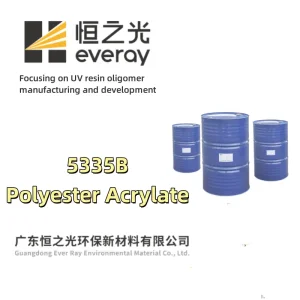
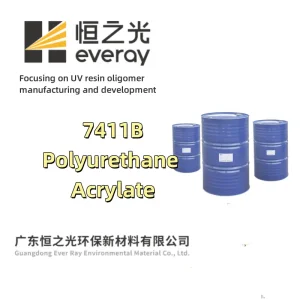
For high-speed press runs in Saitama and Chiba, ink systems must cure rapidly under UV-LED stations. Our low-viscosity, high-solids polyester acrylates (e.g., 5377A and 7411B) optimize pigment wetting and rheological behavior. They maintain clean resolution and solid adhesion at high run speeds while minimizing odor and VOC emissions.
Consumer electronics and high-end automotive interior components demand scratch resistance combined with a premium tactile feel. Aliphatic polyurethane acrylate blends and pure acrylate copolymers protect substrates such as ABS, Polycarbonate, and treated wood veneer. They resist abrasion and chemical exposure while maintaining excellent finish clarity.
Speak directly with our polymer synthesis team to request test samples customized to your target viscosity, Tg, and cure parameters.
Request FormulationsIndustrial chemistry is shifting towards sustainable and high-performance solutions. Ever Ray is adapting its R&D efforts to meet the evolving standards of the Japanese market:
We are expanding the use of renewable raw materials, such as bio-succinic acid and modified vegetable oils, in our synthesis processes. Our goal is to achieve over 35% bio-based carbon content in our next generation of pure acrylate oligomers without compromising reactivity or shelf life.
To address the challenge of curing shadowed areas in complex 3D components, we are developing dual-cure oligomers. These systems cure initially under UV light for immediate handling, followed by thermal or moisture mechanisms to complete crosslinking in unexposed areas.
Volume shrinkage occurs during polymerization when van der Waals forces are replaced by shorter covalent bonds. Pure acrylate oligomers feature larger molecular structures and customizable spacing between acrylate functional groups. By optimizing monomer distance and incorporating sterically hindered molecular segments, we minimize free-volume contraction during UV exposure, resulting in low stress and minimal shrinkage.
We use automated DCS computerized control systems across our production lines in Jiangmen and Yunfu. These systems closely regulate parameters such as reaction temperature, vacuum pressures, and esterification cycles. Additionally, every batch undergoes quality control testing—including GPC molecular weight analysis, acid value titrations, and Brookfield viscosity checks—to verify conformance to specifications before shipment.
Yes. Our pure acrylate, polyester, and modified polyurethane oligomers are compatible with standard mono-, di-, and multi-functional reactive diluents. For low-viscosity requirements, we recommend blending with monomers like IBOA or cyclic trimethylolpropane formal acrylate (CTFA) to maintain high dilution efficiency while preserving mechanical properties.
We work closely with local regulatory agents in Tokyo to provide safety data sheets (SDS) that comply with JIS Z 7253. We also verify the CSCL (ENCS) inventory status of all materials and supply polymer composition statements to help our clients submit PRTR reports and clear customs smoothly.
Our complete range of UV resins, epoxy acrylates, polyester acrylates, and specialty oligomers, designed to meet rigorous performance standards in industrial applications.
Get in touch with Guangdong Ever Ray's technical sales team to request price quotes, custom packaging options, and logistics support for the Tokyo Metropolitan Area.
Send Inquiry Now Ever Ray