Discover our precision-engineered industrial UV-curable resins, selected to optimize curing efficiency, substrate adhesion, and overall coating durability.
An expert analysis of photopolymerization trends, market dynamics, and global supply demand.
Modern industrial manufacturing demands raw materials that offer rapid cycle times and low environmental footprints. The transition to UV-curable systems is key here, replacing solvent-based systems and dramatically reducing volatile organic compound (VOC) emissions.
Selecting the right durable resin requires balancing chemical performance with mechanical properties. Epoxy acrylates deliver high hardness, quick curing, and strong chemical resistance, whereas polyurethane acrylates (PUA) provide flexibility, weatherability, and impact strength.
With regulations tightening globally (REACH, TSCA, RoHS), sourcing oligomers from factories certified to ISO9001 and ISO14001 standards is critical. Dependable suppliers rely on advanced automated systems, like Distributed Control Systems (DCS), to guarantee batch consistency.
The global demand for high-durability resins is expanding beyond traditional wood coatings into electronics, automotive assemblies, and high-speed packaging lines. This growth is driven by the need for faster curing speeds, low curing shrinkage, and excellent adhesion to diverse substrates including ABS, PC, PET, and various metals.
In response to this demand, chemical synthesis has evolved significantly. Advanced structural modification, such as inserting polyether or polyester chains into epoxy acrylates, allows formulation chemists to fine-tune oligomers. This customizability helps balance tensile strength, elongation, and crosslinking density to meet demanding application requirements.
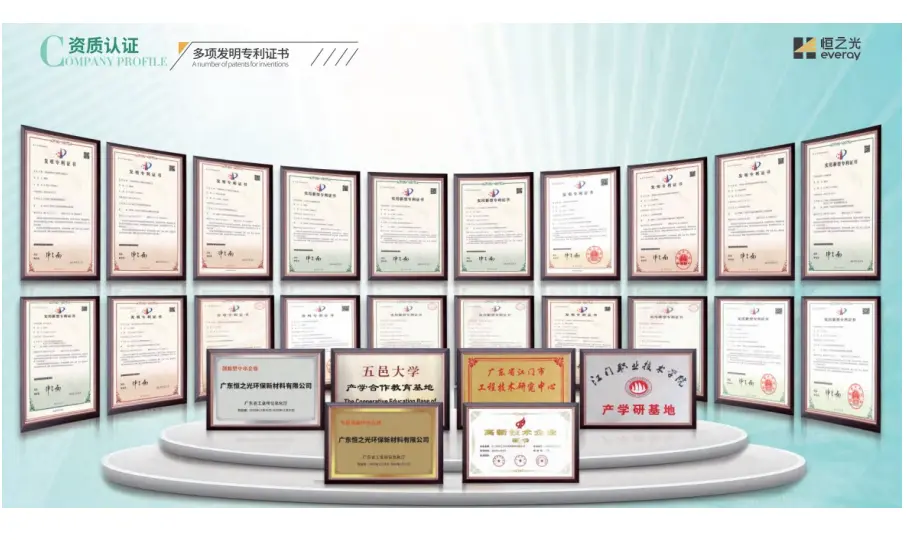
Established in 2006, Guangdong Ever Ray Environmental Material Co., Ltd. is a high-tech enterprise dedicated to the R&D and manufacture of oligomers for UV-curable resins, including epoxy acrylates, polyurethane acrylates (waterborne, aliphatic, and aromatic urethane), polyester acrylates, pure acrylates, and custom modified oligomers.
Focusing on combining technological innovation with environmental responsibility, we drive development through science. We provide high-reactivity, chemically resistant, and high-gloss formulations for wood coatings, plastics, printing inks, and adhesives.
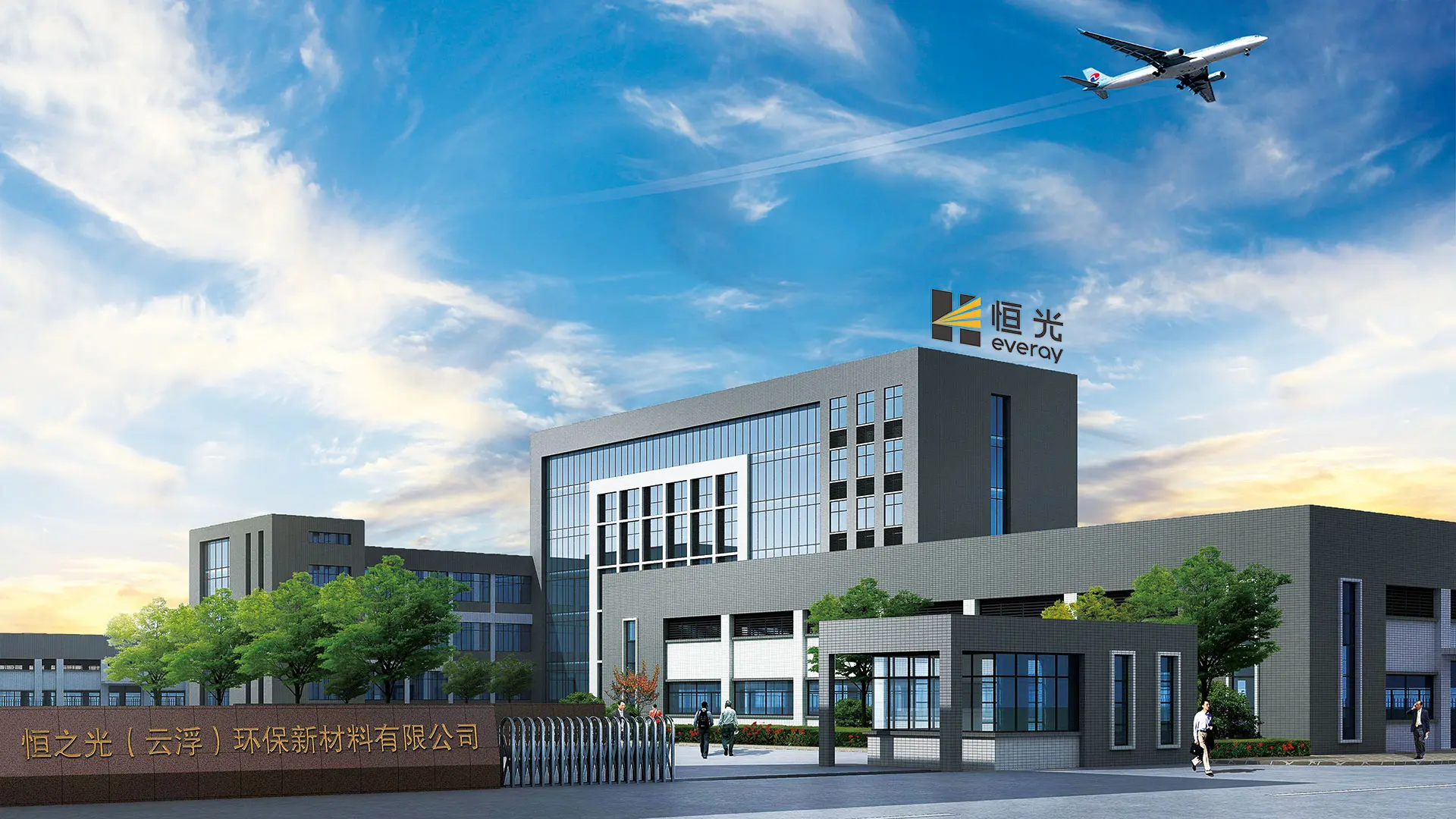
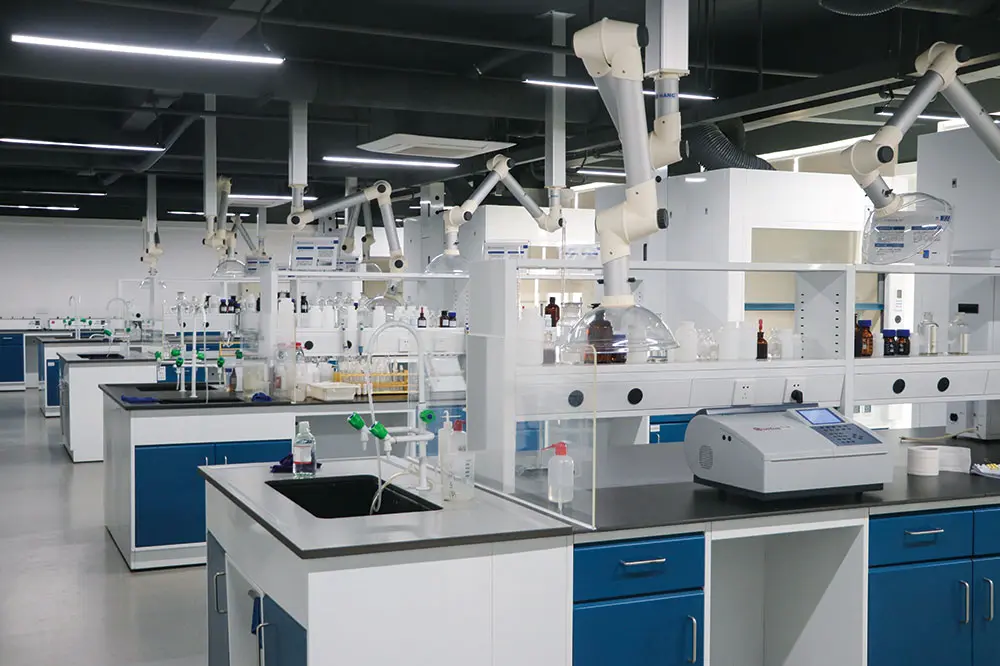
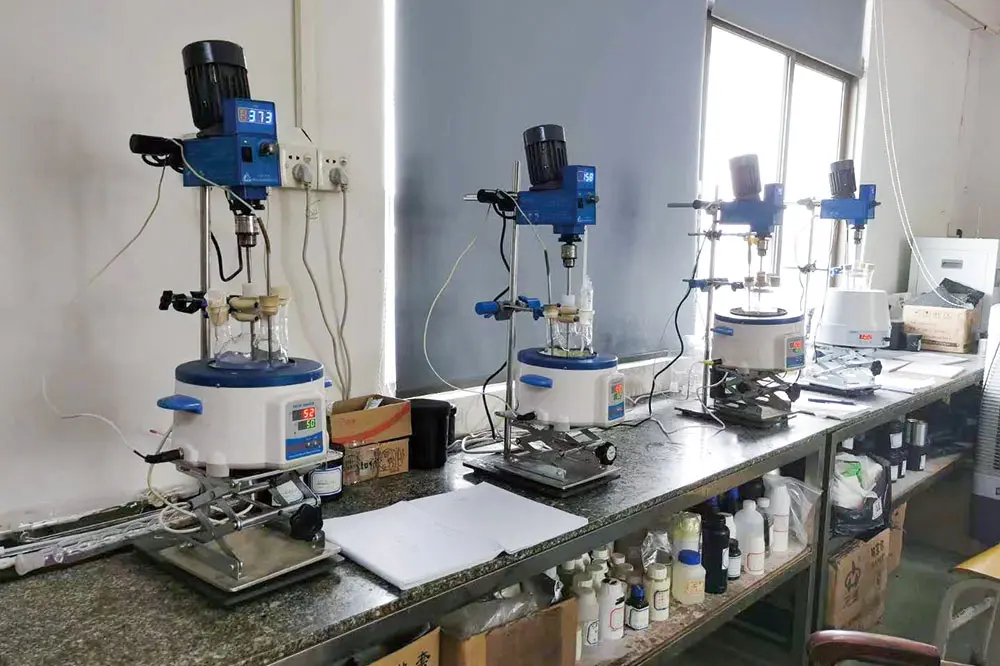
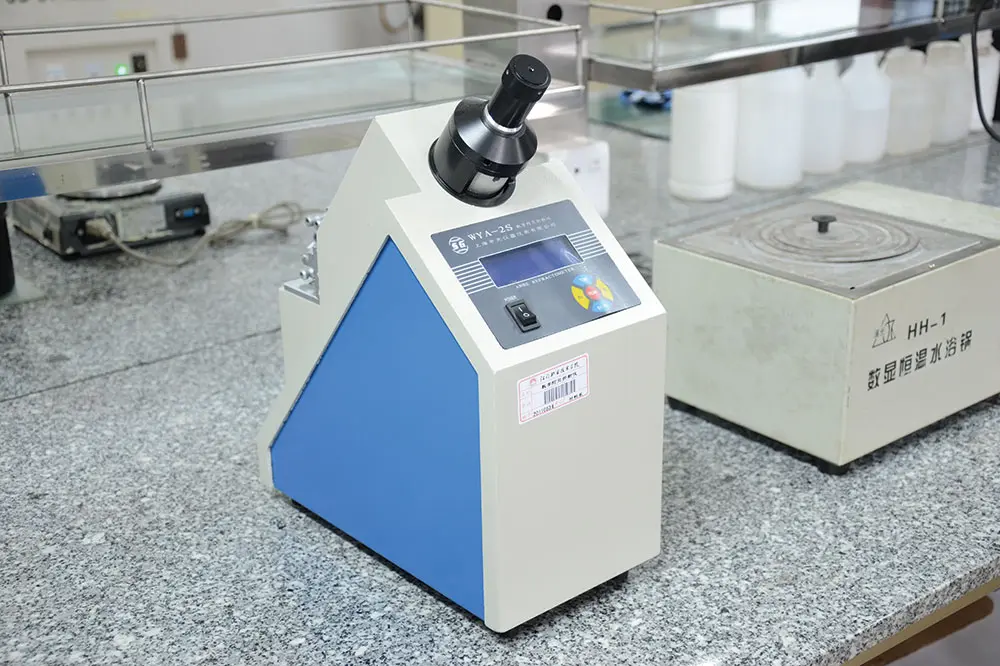
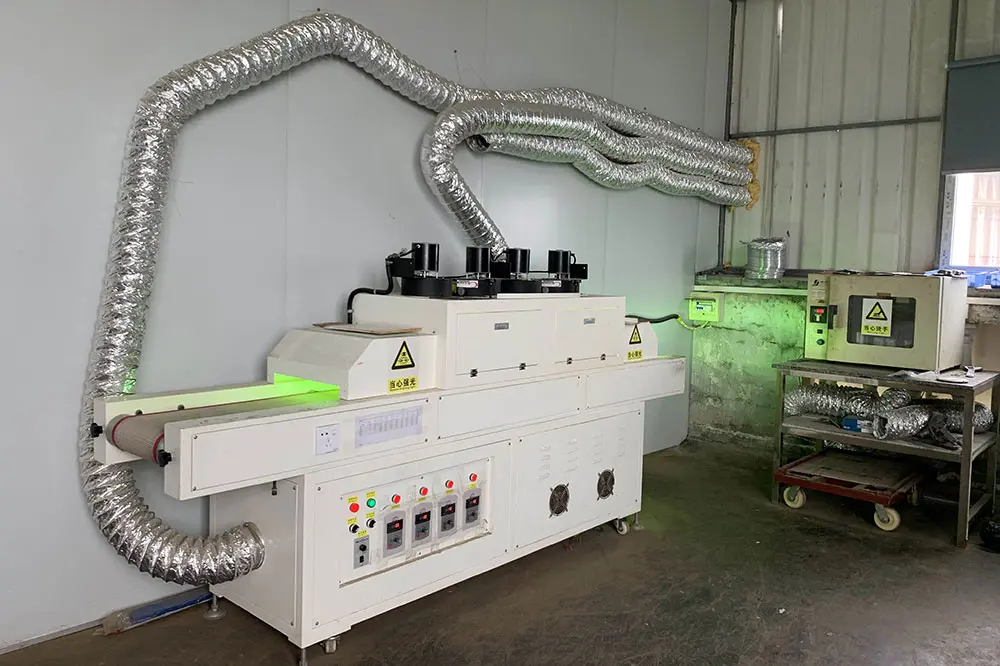
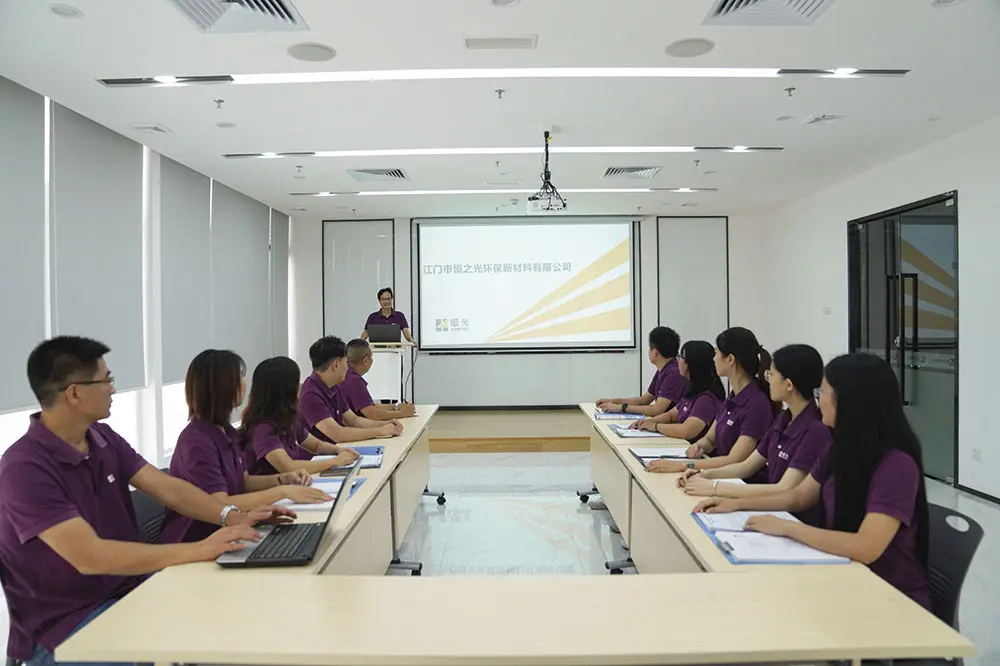
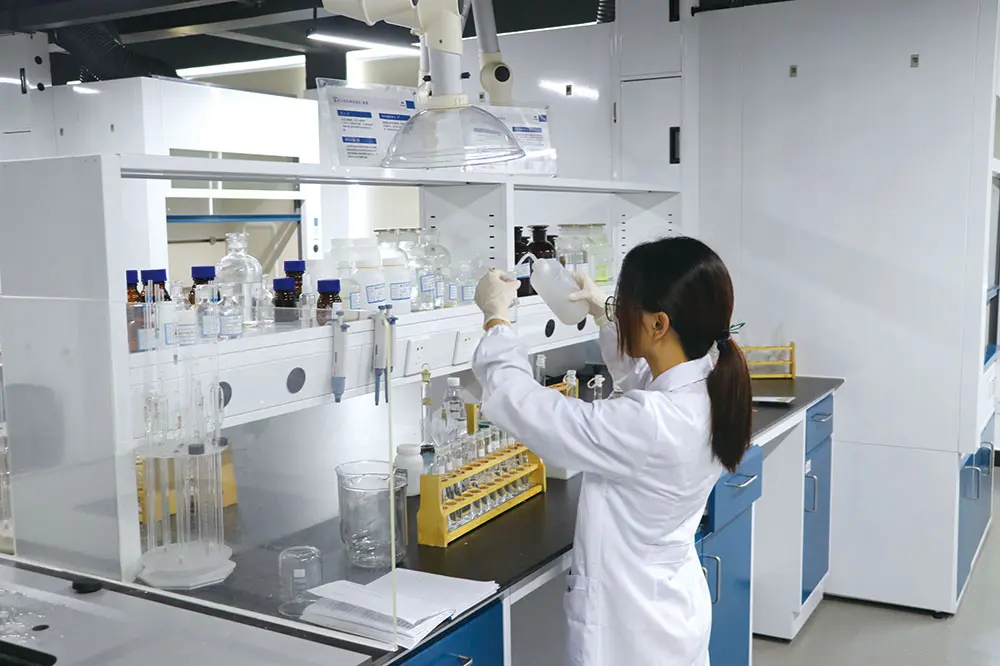
How our double-base operations support global supply chains with reliable, consistent production.
We operate two specialized manufacturing centers to secure supply chains for large-scale procurement:
With more than 10 dedicated production lines operating simultaneously, we supply global industries with consistent product volumes year-round.
Industrial chemistry demands high precision. Our manufacturing plants operate under strict ISO9001 Quality Management Systems and ISO14001 Environmental Management Systems.
By integrating fully computerized DCS (Distributed Control Systems), we monitor reaction parameters in real time—including exothermic kinetics, feed rates, temperature curves, and pressure levels. This high level of control ensures every batch meets specified molecular weight ranges and viscosity bounds, minimizing variance between shipments.
Addressing current formulation challenges, VOC limits, and the shift toward sustainable UV curing.
The coating industry is rapidly moving away from traditional medium-pressure mercury lamps toward energy-efficient UV-LED light sources (typically emitting at 365nm, 385nm, or 395nm). This shift introduces challenges, particularly related to oxygen inhibition at the coating surface and the limited wavelength range of LED emissions.
Our R&D efforts focus on developing highly reactive oligomers that cure efficiently under narrow-band LED light. By optimizing double-bond densities and introducing amine-modified synergies, we help formulators achieve tack-free curing at lower energy doses.
Sustainability is reshaping modern chemistry. Industry demands are shifting toward bio-derived carbon content to replace fossil-based monomers, all while maintaining high performance standards.
Our technical roadmap emphasizes developing waterborne UV-curable polyurethane acrylates (WPUDs) and bio-based oligomers. These systems provide high hardness and excellent chemical resistance, helping manufacturers eliminate hazardous air pollutants (HAPs) and reduce total VOC emissions in residential, automotive, and industrial settings.
Tailored chemical formulations designed to address specific substrate and performance requirements.
High-speed flexographic and offset printing requires oligomers with low viscosity, rapid cure response, and excellent pigment wetting. Our polyester acrylates prevent ink misting and improve print clarity on plastic films and paperboards.
Floor topcoats require excellent abrasion and scratch resistance. Our specialized low-shrinkage oligomers prevent substrate curling while providing high crosslinking density to withstand heavy foot traffic and cleaning chemicals.
Applying metallic coatings on ABS, PC, and PMMA substrates requires strong interlayer adhesion. Our aromatic polyurethane acrylates provide the basecoat adhesion and topcoat clarity needed for brilliant, durable metallic finishes.
Direct-to-metal (DTM) UV coatings often suffer from adhesion loss due to curing shrinkage. Our modified epoxy acrylates incorporate polar functional groups that bond strongly to metal surfaces, resisting corrosion and moisture.
Solutions and technical advice for common photopolymerization and formulation issues.
Curing shrinkage occurs when monomer and oligomer double bonds polymerize into covalent single bonds, reducing the free volume of the system. This contraction can cause adhesion loss, warping, and micro-cracking. To minimize shrinkage, formulators can use oligomers with lower double-bond densities, include specialized low-shrinkage modified acrylates (such as our 17701 or 1290H), and incorporate high-molecular-weight resins to reduce overall crosslinking density.
Plastics like ABS and polycarbonate often resist adhesion due to their smooth, non-polar surfaces. Achieving a strong bond requires using polyurethane acrylate (PUA) oligomers modified with polar groups (such as carboxyl or hydroxyl groups) that interact with the plastic surface. Our aromatic PUA series is designed to balance substrate wetting with chemical bonding, providing excellent adhesion and scratch resistance on plastic housings and vacuum-metallized topcoats.
The key difference lies in their chemical backbone. Aliphatic PUAs utilize aliphatic isocyanates, which offer excellent UV stability, weatherability, and resistance to yellowing, making them ideal for outdoor applications and clear topcoats. Aromatic PUAs use aromatic isocyanates, which cure faster and provide higher hardness, tensile strength, and cost efficiency, but are prone to yellowing under prolonged UV exposure, making them better suited for indoor primers, basecoats, and colored inks.
Standard Bisphenol A epoxy acrylates cure quickly and provide high hardness, but they can be brittle and show poor flexibility and adhesion on non-porous substrates. Modified epoxy acrylates address these limitations by incorporating flexible segments (such as polyethers or polyesters) or active adhesion-promoting groups into the polymer backbone. This modification improves impact strength and substrate adhesion while maintaining the characteristic chemical resistance and fast cure speed of epoxy systems.
Consistent performance requires tight control of critical specifications, including viscosity, acid value, color value (Gardner), and monomer purity. At Ever Ray, we use a fully computerized DCS control system to monitor reactions in real time. Combined with ISO9001 compliance and strict QC testing for molecular weight distribution and cure speed, we ensure that every batch of resin matches our master standard, guaranteeing consistent performance in your production line.
Explore the rest of our specialty resin catalog, designed for specific print, coating, and adhesive applications.
 Ever Ray