Explore our top-performing UV curable resin grades engineered for exceptional adhesion, rapid crosslinking, and ultimate chemical resistance.
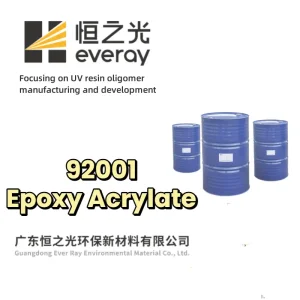
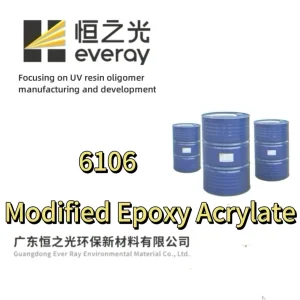
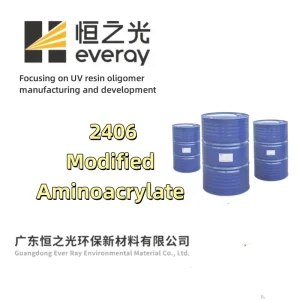
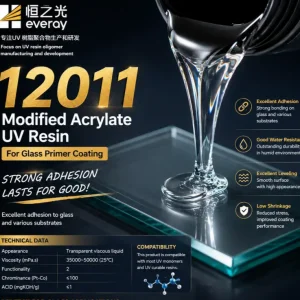
Modern manufacturing demands functional surfaces characterized by superior mechanical durability, rapid curing rates, and robust chemical shielding. In the realm of high-performance polymer chemistry, epoxy varnishes and UV curable acrylate oligomers represent the cutting edge of industrial protection. By combining the rigid crosslinking capabilities of epoxide backbones with the instantaneous cure kinetics of acrylic chemistry, researchers and coating formulators can achieve unprecedented performance benchmarks on diverse substrates.
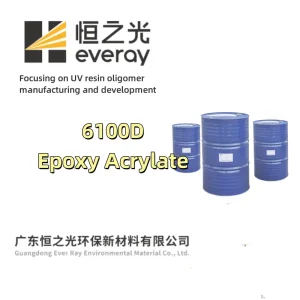
Epoxy acrylates are synthesized via the ring-opening esterification of epoxy resins (primarily Bisphenol-A based or Bisphenol-F based resins) with acrylic acid. The presence of core aromatic rings delivers exceptional hardness, heat stability, and tensile strength, while the terminal acrylate groups allow for high-speed free-radical polymerization under UV light exposure.
Formulators evaluating material metrics focus heavily on double-bond density, viscosity profiles, and shrinkage indices. Traditional epoxy acrylates present elevated viscosity, requiring formulation with active diluents (monomers) like HDDA, TMPTA, or TPGDA. Modern chemical engineering, however, leans toward modified epoxy acrylates—such as our specialized low-viscosity, anti-yellowing polymers—which integrate aliphatic chains or polyether linkages into the structural backbone. This yields a critical optimization of elasticity, reduction in volumetric shrinkage, and minimized discoloration under intense UV radiation.
Enables dense polymer network formations, yielding superior chemical barrier protection, solvent resistance (MEK double rubs > 200), and surface scratch resistance.
Maintains efficient handling, leveling, and wetting characteristics on substrates, reducing the need for volatile organic solvent inputs.
Engineered for high reactivity under both traditional medium-pressure mercury lamps and modern energy-efficient LED curing systems.
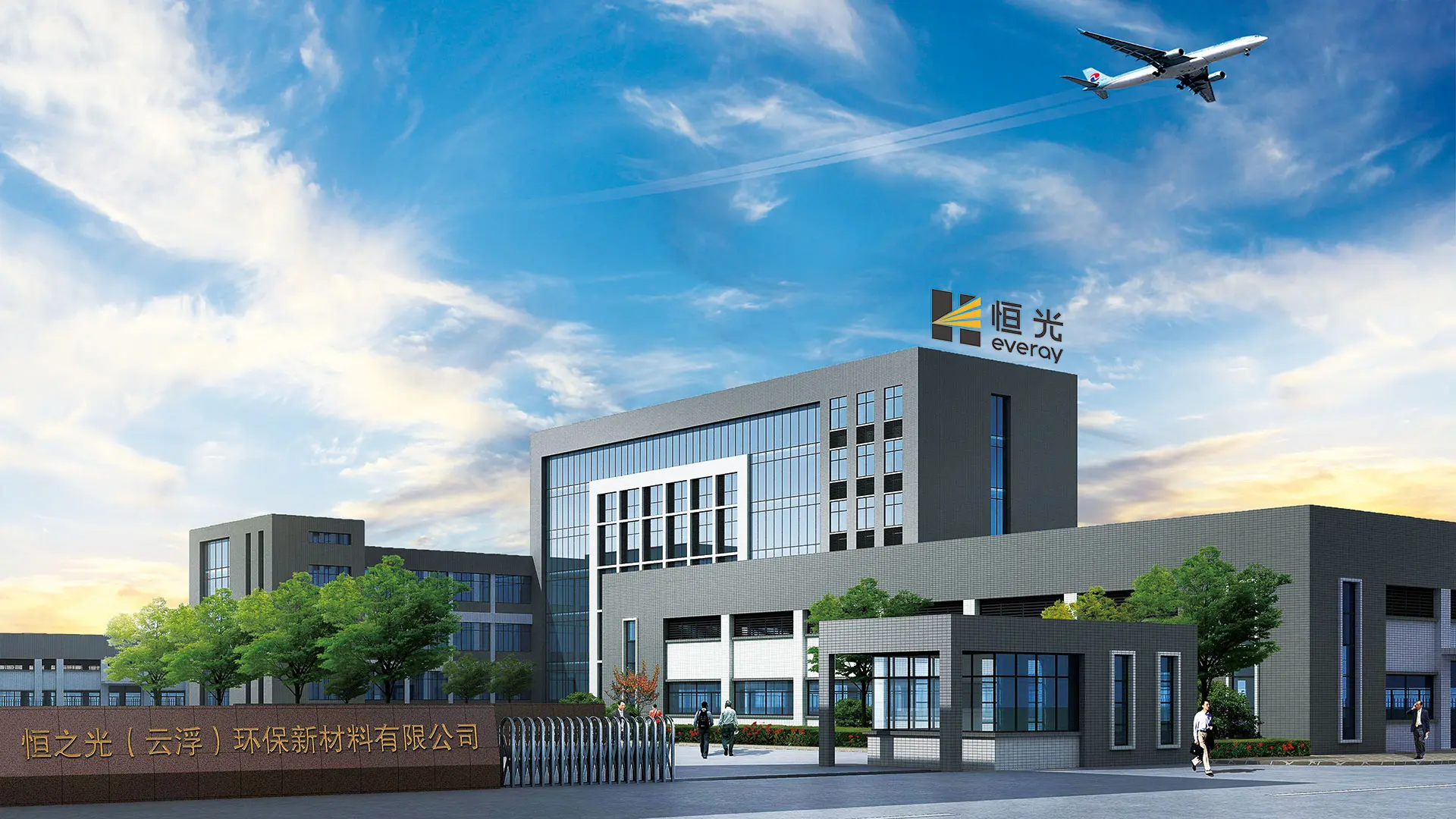
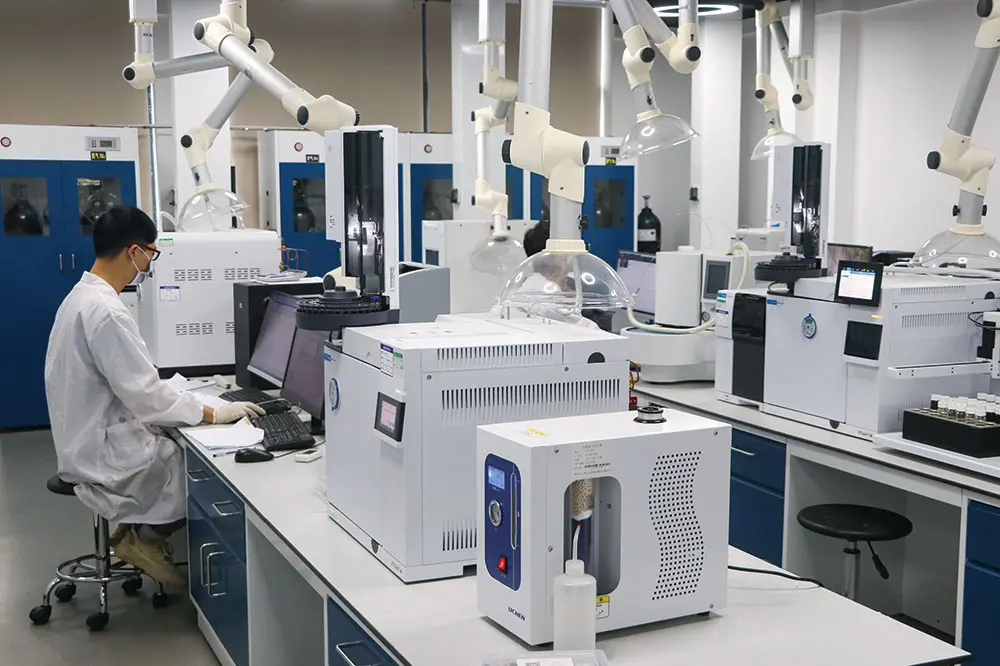
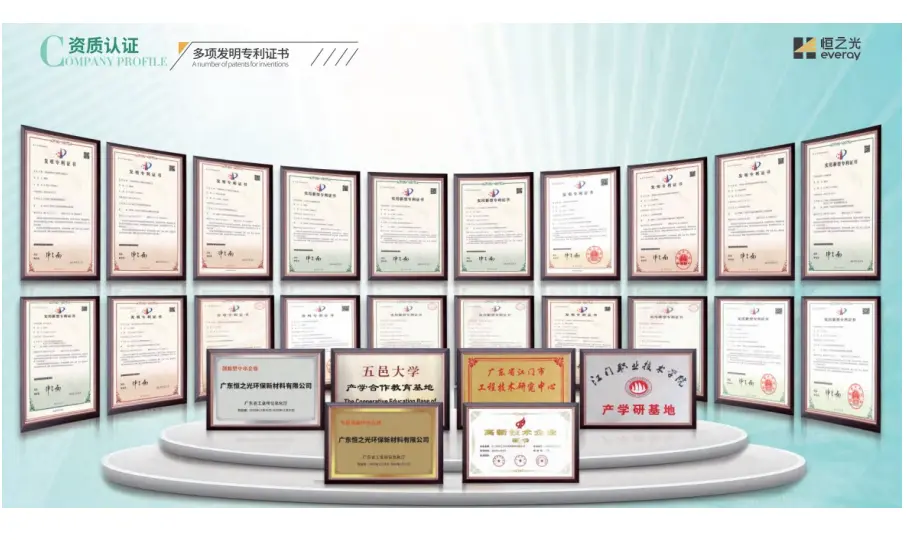
Established in 2006, Guangdong Ever Ray Environmental Material Co., Ltd. is a leading high-tech enterprise dedicated to the research, development, synthesis, and manufacturing of oligomers for UV curable resin. Our extensive product portfolio includes epoxy acrylates, polyurethane acrylates (waterborne, aliphatic, and aromatic urethane), polyester acrylates, pure acrylates, and custom-engineered functional modified acrylate oligomers.
Guided by a philosophy where advanced technology and environmental harmony coexist, we utilize high-purity raw materials and robust quality management controls. Through active collaboration with domestic and international photopolymer experts, we provide tailor-made formulations to optimize performance and control raw material costs across various application sectors.
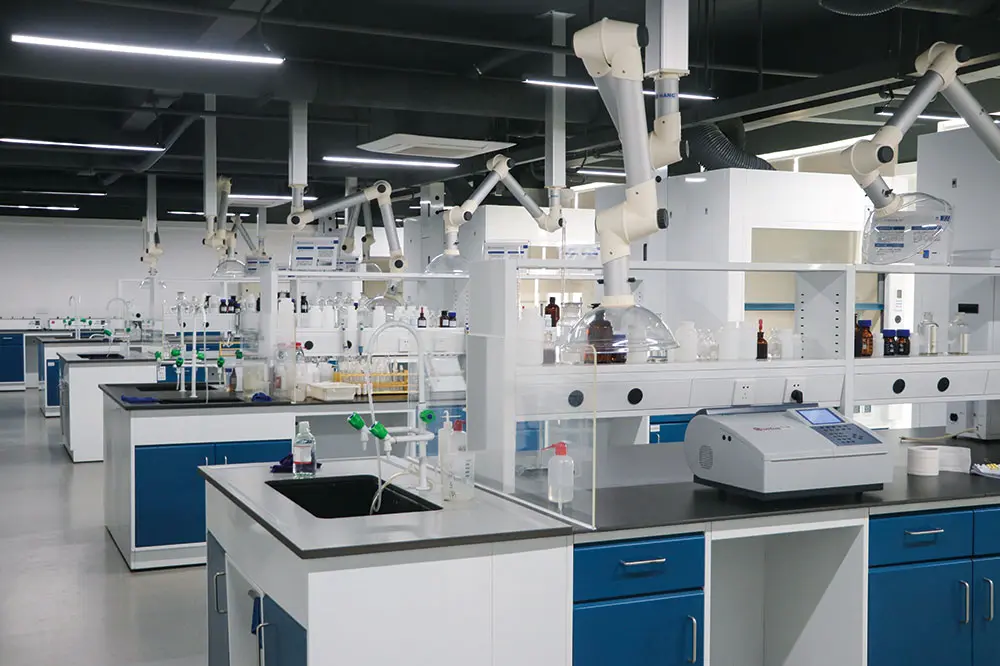
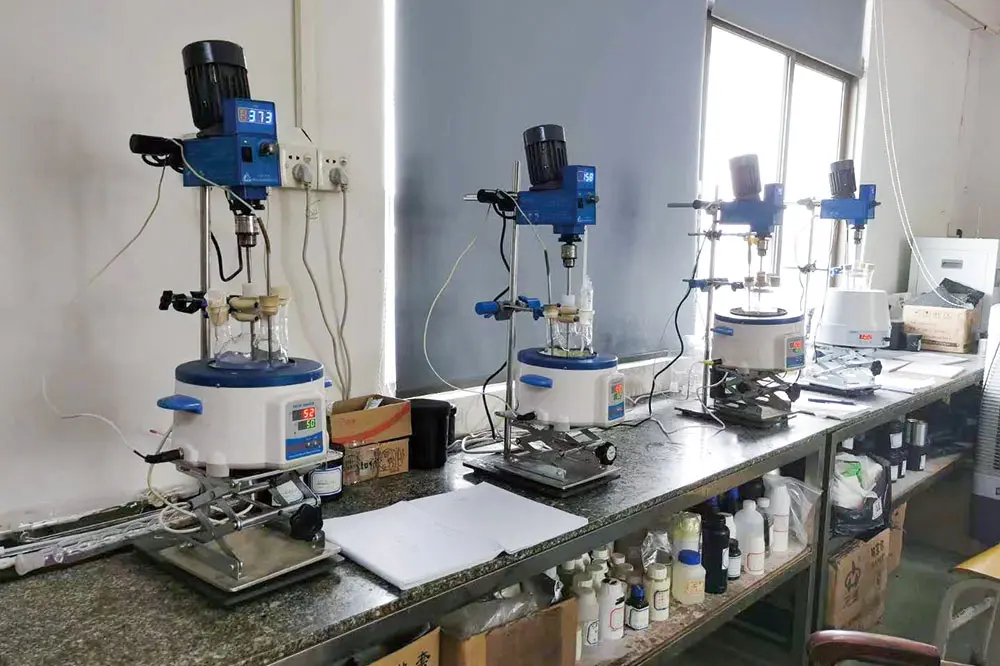
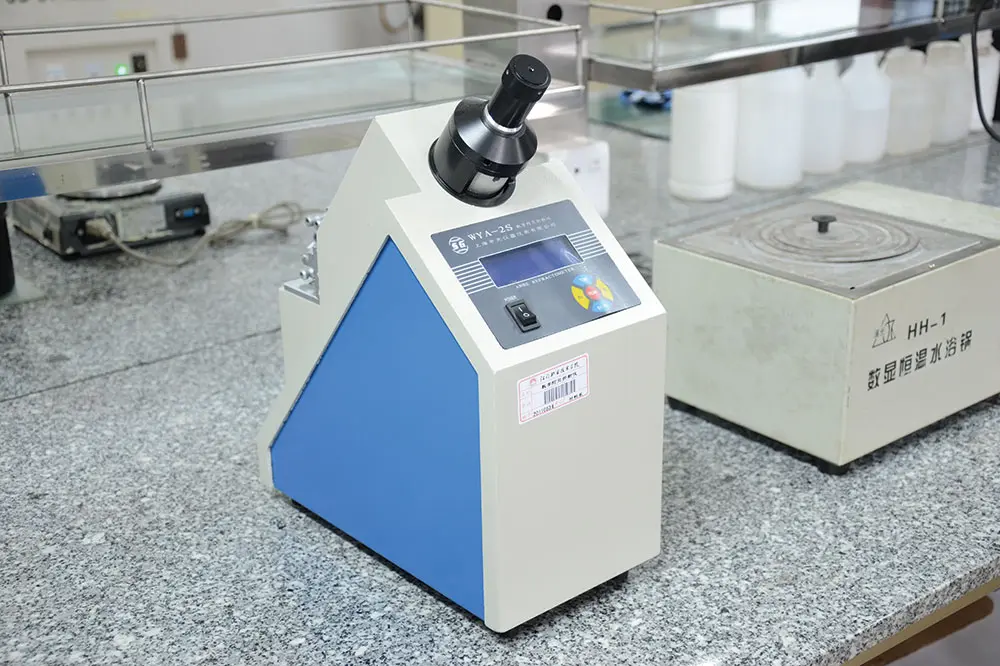
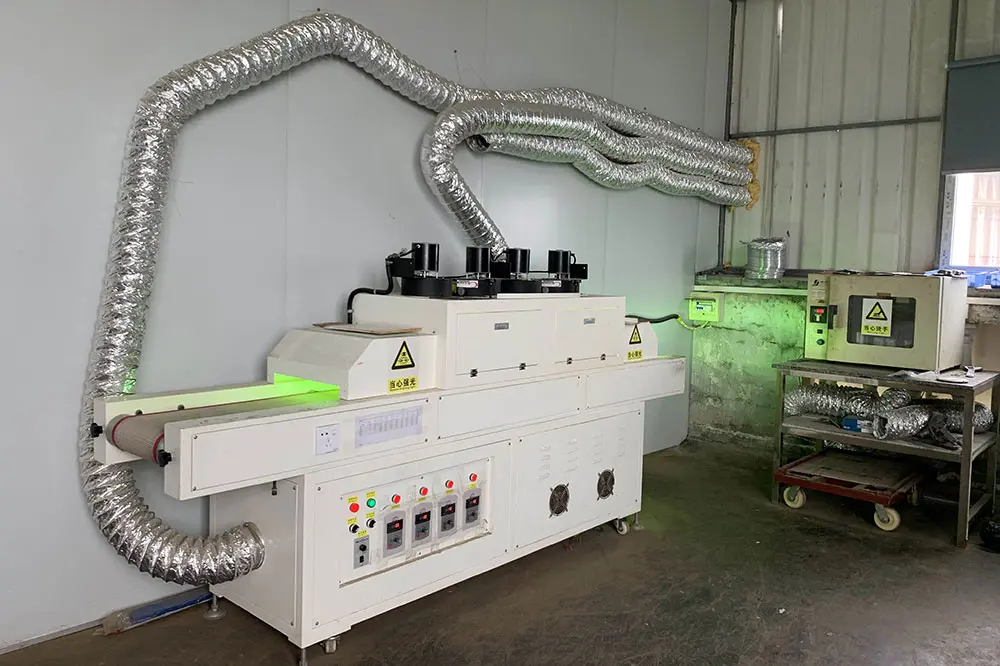
To secure supply stability and meet high-volume global demands, we run two advanced manufacturing complexes in Guangdong Province:
Both sites operate under rigid quality assurance models including ISO9001 Quality Management and ISO14001 Environmental Management Systems. The synthesis process is managed through a computerized DCS (Distributed Control System), securing chemical reproducibility, tight batch-to-batch tolerances, and minimizing operator errors.
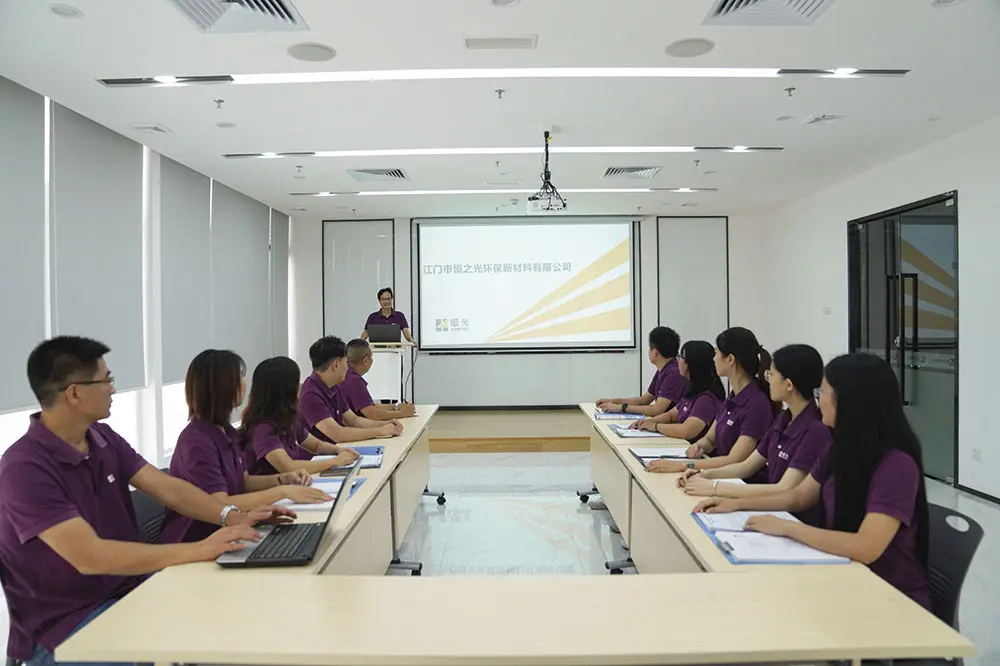
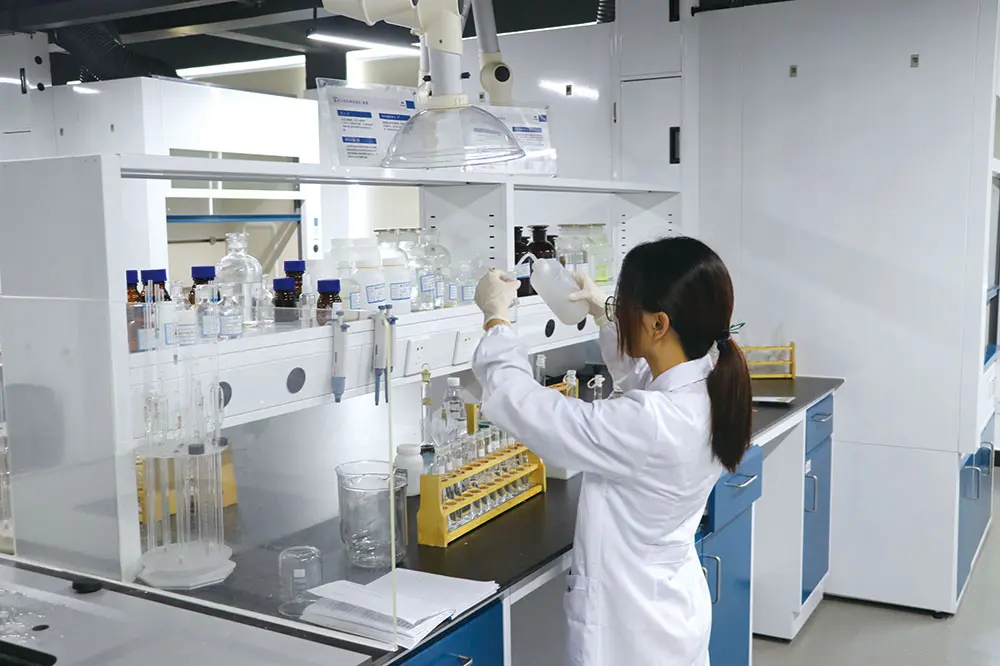
Procuring raw materials for industrial coating lines requires careful analysis of chemical parameters. Industrial buyers are shifting focus from simple cost-per-kilogram metrics to total cost of ownership (TCO), cure speed efficiency, and VOC-reduction goals. Our engineering teams prioritize specific performance variables to solve key application challenges:
Glass, metals, and specific plastics (PET, PMMA) present low surface energies. Our modified acrylate systems integrate functional polar groups (such as carboxyl or hydroxyl groups) to form chemical bonds with the substrate, preventing coating peeling under humid conditions.
Traditional epoxy resins contain ether bonds and aromatic rings that degrade under solar UV exposure. Our R&D department modifies oligomer backbones to prevent chromophore formation, preserving clear, high-gloss finishes in outdoor applications.
Increasing reactive double-bond density speeds up curing but can cause high volume shrinkage and brittleness. We balance oligomer flexibility and crosslinking speed by adjusting the distance between active acrylate groups in the molecule.
Industrial formulations require tailored solutions that match specific processing speeds, substrate chemistry, and environmental exposure. Below is an overview of how our UV-curing technology serves global manufacturing sectors:
Traditional wood coatings require long drying times and emit significant VOCs. Our high-reactivity epoxy acrylates and polyurethane acrylates form dense surface coatings on wood substrates. They resist water, heat, and physical impact, allowing furniture production lines to package products immediately after UV curing.
High-speed printing presses demand inks and coatings that cure within milliseconds without blocking or transfer issues. Utilizing low-odor oligomers (e.g., 2406 UV Resin), packaging lines achieve high gloss, low yellowing, and food-packaging-safe profiles on paper and board packaging.
Plastic parts (polycarbonate, ABS) require protection against chemical cleanings, solar weathering, and physical scratches. Aliphatic polyurethane acrylate oligomers provide reliable UV durability and impact resistance, protecting internal automotive panels and consumer electronics.
bonding inorganic glass to organic plastics is difficult due to thermal expansion differences. Special modified acrylate resins, like 17730A-2, provide high moisture resistance, optoelectronic transparency, and flexible buffering to prevent stress cracks under thermal cycling.
To support global supply chains, we provide technical and regulatory assistance for international shipments. Our team helps customers integrate our oligomers into their localized manufacturing processes:
Get professional technical answers to common questions about epoxy varnishes and UV curable oligomer formulation.
Browse our high-performance polyurethanes, modified epoxies, and low-shrinkage resins designed for specialized industrial coatings.
 Ever Ray