Explore our leading product range curated for high durability, chemical resistance, and rapid photo-curing kinetics.
Established in 2006, Guangdong Ever Ray Environmental Material Co., Ltd. has developed into a premier high-tech enterprise at the forefront of polymer science. We specialize in the research, development, and high-volume synthesis of advanced oligomers for UV curable resins. Our extensive product portfolio includes epoxy acrylates, aliphatic and aromatic polyurethane acrylates, waterborne systems, polyester acrylates, pure acrylates, and a wide array of specialized functional modified monomers.
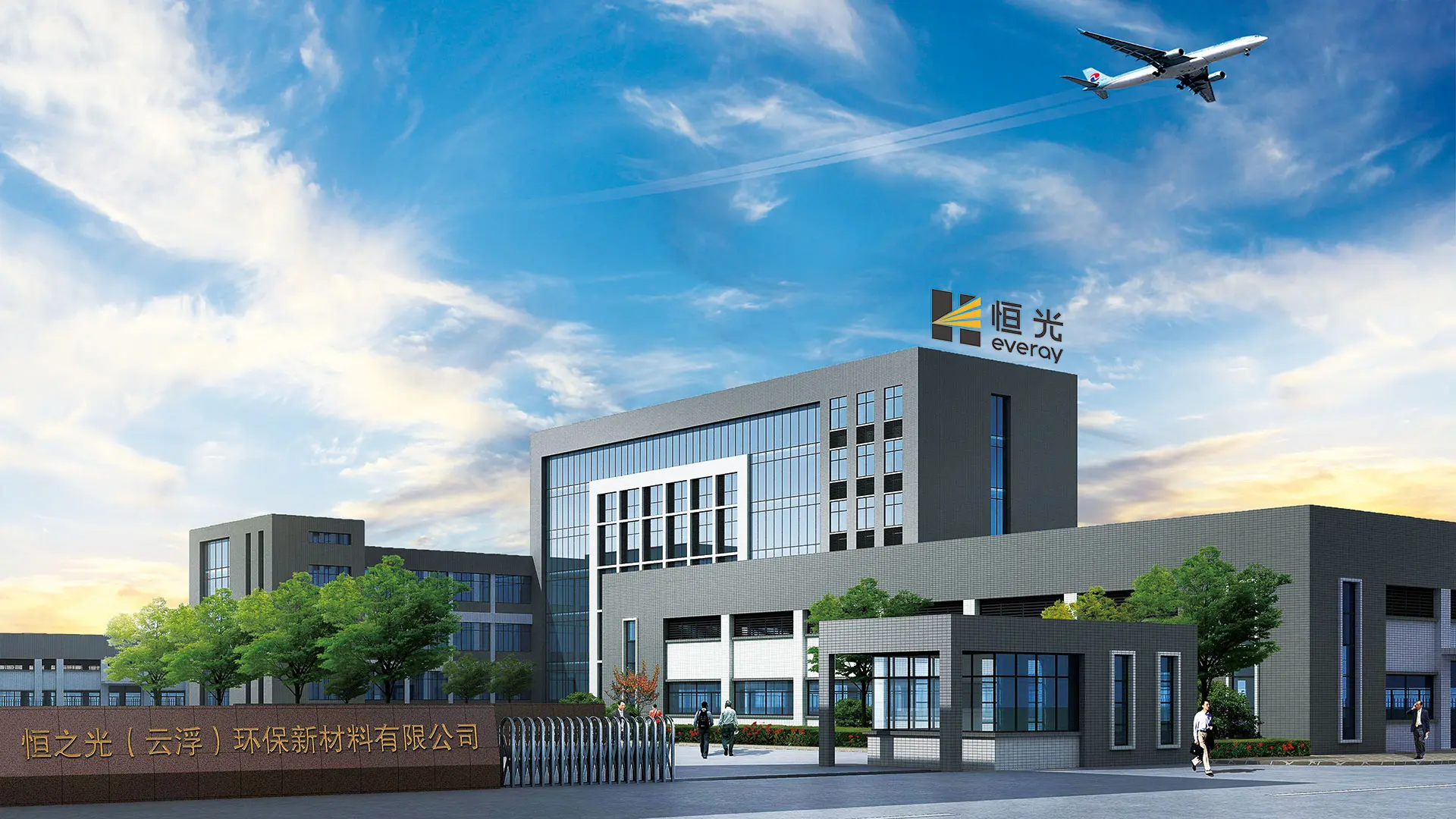
Ever Ray operates two major modern production hubs designed to satisfy high-capacity demands while adhering to strict environmental standards:
Equipped with a modern DCS fully computerized automated control system, our combined production lines scale up to an annual output of over 20,000 tons. Operating under the rigorous guidelines of the ISO9001 Quality Management System and ISO14001 Environmental Management System, we ensure batch-to-batch consistency and trace raw materials from source to final product delivery.
How technical shifts, green mandates, and material science developments are transforming the coating, adhesive, and ink industries worldwide.
The global demand for high-performance polyurethane acrylate (PUA) and modified acrylate oligomers is experiencing rapid growth. This surge is driven by international environmental regulations targeting Volatile Organic Compounds (VOCs). Traditional solvent-borne systems are being replaced by radiation curable (UV/EB) coatings, which offer immediate curing, reduced emissions, and smaller factory footprints. Industrial manufacturers prioritize PUA systems for their versatility, combining the scratch resistance and chemical inertness of polyacrylates with the elasticity, toughness, and adhesion properties of polyurethanes.
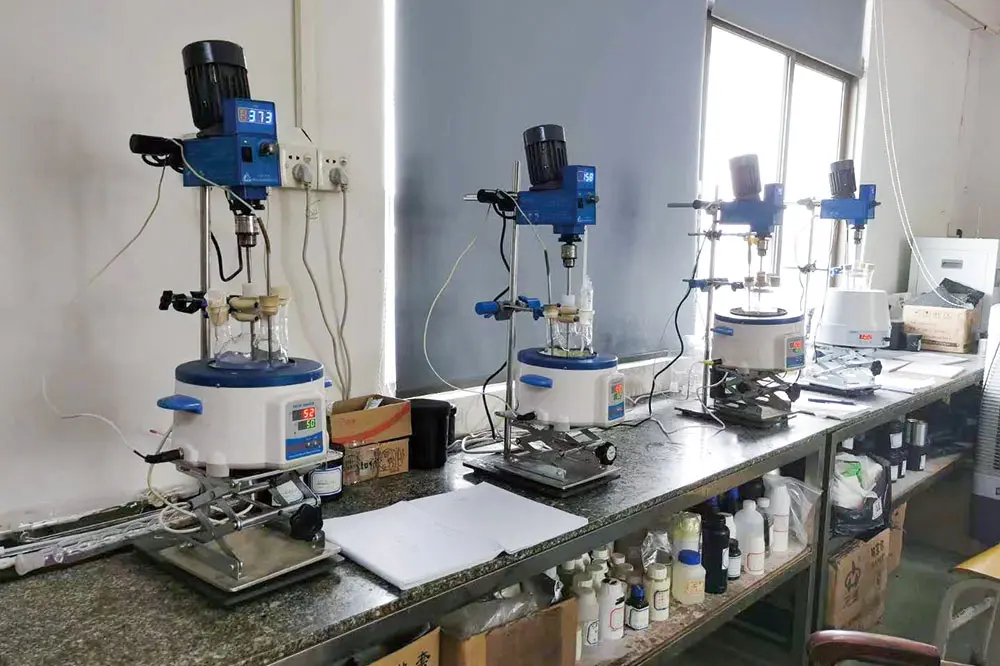
Modern industrial applications require a clear understanding of the structural differences between prepolymers. Our R&D team targets specific physical properties by adjusting molecular structures:
Engineered for automotive interior surfaces, wood varnishes, and electronic housings requiring exceptional scratch, rub, and chemical resistance.
Optimized for high-speed offset, flexographic, and screen printing inks, achieving complete polymerization at speeds exceeding 300 meters per minute.
Modified molecular designs ensure reliable bonding to difficult substrates, including surface-treated polyethylene, polypropylene, glass, and metal alloys.
Ever Ray is committed to balancing chemical performance with ecological responsibility. Our technical roadmap focuses on three main pillars:
1. Bio-based Raw Materials: We are systematically introducing bio-sourced polyols and intermediates into our synthesis lines. Our goal is to replace fossil-derived carbon with renewable plant-derived alternatives, reducing the overall carbon footprint without compromising mechanical properties.
2. Low-Viscosity, Monomer-Free Oligomers: To address skin irritation concerns linked to low-molecular-weight reactive diluents (monomers), we are developing self-diluting, low-viscosity oligomers. This allows formulators to minimize monomer content while maintaining optimal application viscosity.
3. Dual-Cure and Led-UV Chemistry: Standard mercury lamps emit heat and ozone. We are modifying our oligomer backbones to respond to LED-UV wavelengths (specifically 365nm and 395nm). This development enables energy-efficient curing processes for heat-sensitive plastics and packaging substrates.
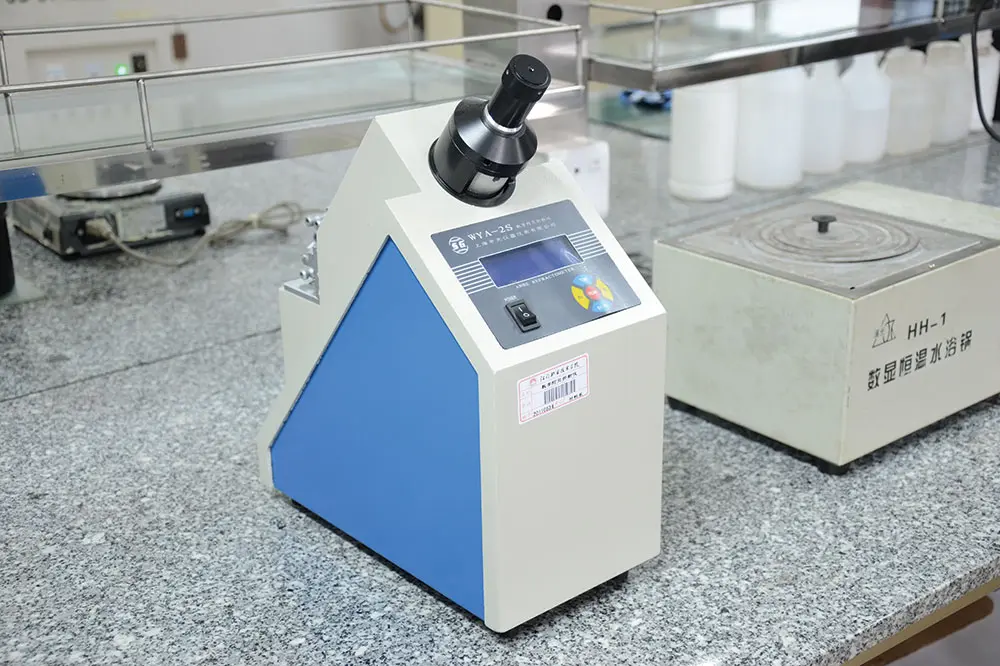
To operate at a high-tech standard, we subject every synthesis batch to strict testing protocols:
• Viscosity Profiling: Checked across multiple temperature gradients using Brookfield rotational viscometers.
• GPC Molecular Weight Analysis: Ensures narrow polydispersity indices (PDI) for consistent curing and shrinkage properties.
• FTIR Spectrophotometry: Monitors double-bond conversion rates to guarantee fast curing speeds.
• Colorimetry: Measures yellowing indexes (YI) on clearcoats to ensure long-term optical clarity.
Every manufacturing process has unique requirements. We collaborate closely with industrial formulators to tailor oligomer properties, including:
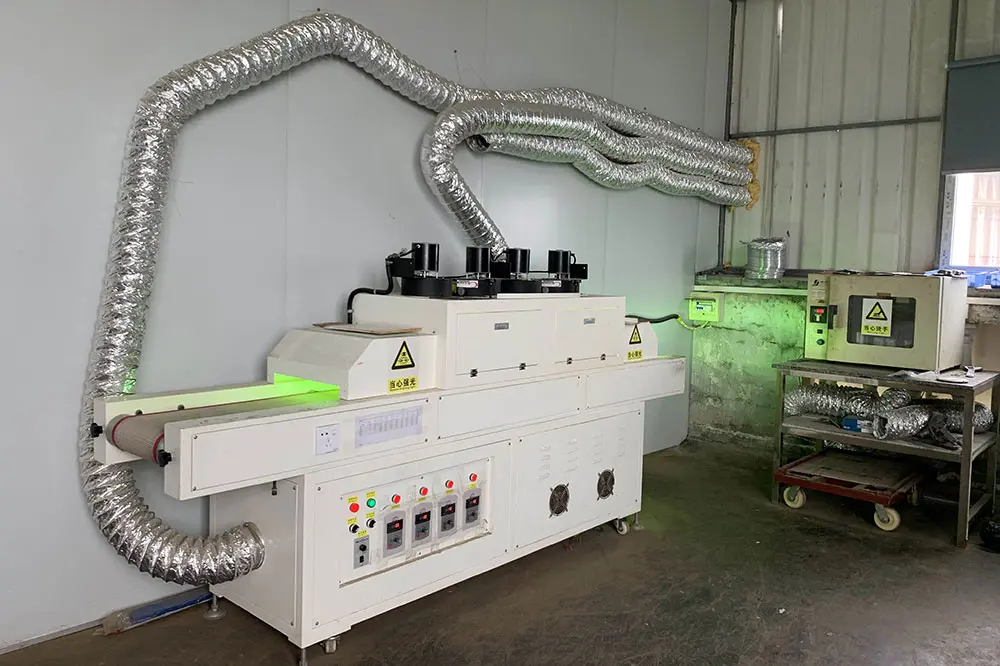
Delivering high-performance polymer solutions tailored for diverse industrial and environmental conditions worldwide.
High-performance urethanes and acrylates perform differently depending on local climate conditions and regional regulatory frameworks. At Ever Ray, we customize our resin designs to meet these localized requirements:
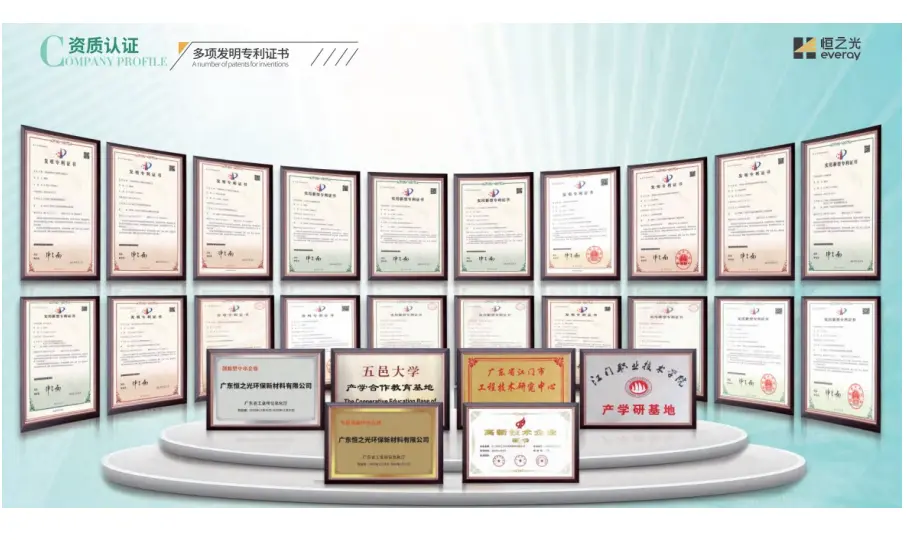
By using advanced DCS automated computerized control systems across both our Jiangmen and Yunfu factories, we maintain stable chemical structures. This ensures that whether our resin is processed in a high-speed curing facility in Germany or a wood coating factory in Southeast Asia, its performance remains consistent.
Addressing the common design, application, and processing challenges encountered by formulation engineers.
Explore our specialized range of high-performance resins engineered for demanding industrial coating, adhesive, and printing applications.
 Ever Ray