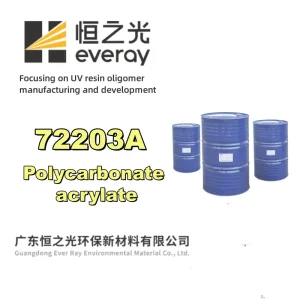
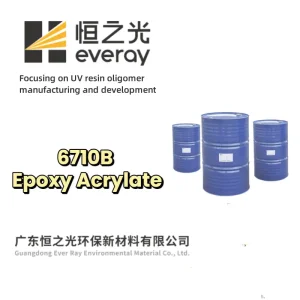
Explore our elite grade oligomers and prepolymers specifically engineered to resolve the adhesion bottlenecks on polar substrates such as glass, metal, and ceramics.
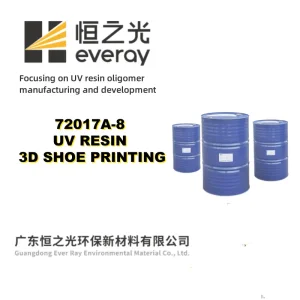
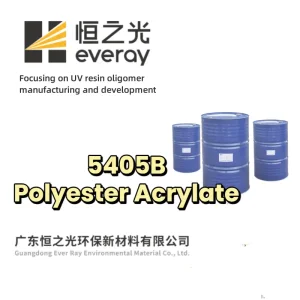
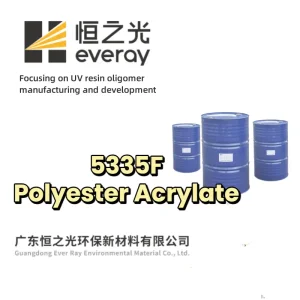
Glass surfaces are inherently hydrophilic and possess high surface energy, yet coating them with organic monomers poses complex chemical challenges. Traditional acrylic coatings suffer from significant polymerization shrinkage (typically 5% to 15%), which shears the weak physical van der Waals forces at the coating-substrate interface, leading to immediate delamination under stress.
To bypass this physics bottleneck, modified acrylate for glass coating chemical structures incorporate multi-functional coupling groups like organosilanes, acid anhydride modifications, or hydroxyl-functionalized polyester systems. These compounds promote covalent bonding (specifically Si-O-Si linkages) directly across the organic-inorganic boundary. This creates a dense, interpenetrating network (IPN) at the glass surface that actively counters volume shrinkage stresses while establishing extreme moisture barriers.
By optimizing the molecular weight between crosslinks (Mc) and adjusting the ratio of rigid aromatic structures to flexible aliphatic segments, manufacturers can fine-tune properties: achieving glass-hard scratch protection (hardness ≥4H) alongside the high ductility necessary to survive thermal cycle expansions without fracturing.
Stay ahead of the market curves with insights compiled by our technical directors on the future of UV-curable coating chemistries.
Global regulatory bodies, including the EU (REACH) and EPA, are tightening limits on volatile organic compounds. Industrial coatings are transitioning to 100% solid, monomeric, and oligomeric systems that cure instantly under UV light, eliminating the solvent emissions associated with traditional thermal dry cycles.
Conventional mercury arc lamps are being phased out in favor of UV-LED units, which require 365nm to 395nm wavelengths. This shift demands modified acrylates with extremely high surface reactivity and specialized photoinitiator matching to prevent oxygen inhibition in thin films.
Complex 3D glass geometries (such as perfume bottles or automotive curved panels) create shaded areas that escape UV light. Emerging dual-cure resins leverage moisture-curing or thermal-curing mechanisms to guarantee 100% conversion in these shadowed zones.
Procurement directors face multi-dimensional criteria when vetting chemical manufacturers for large-scale operations.
| Buyer Priority | Technical Challenge Solved | Ever Ray Solution Method |
|---|---|---|
| Batch-to-Batch Consistency | Preventing viscosity spikes and curing rate drifts in automated manufacturing lines. | DCS-controlled polymerization reactors and continuous inline HPLC testing. |
| Weatherability & UV Aging | Preventing yellowing and peeling under prolonged outdoor solar exposure. | Aliphatic urethane/polyester backbones optimized to resist photolytic degradation. |
| Water-Boiling Resistance | Adhesion failure on cosmetic container printing after pasteurization. | Incorporating targeted siloxane/phosphate coupling agents for chemical glass anchors. |
| Viscosity/Application Tuning | Optimizing resins for diverse coat methods (roller, spray, screen print). | Precise synthesis adjustments using structural monomers like IBOA or EO/PO units. |
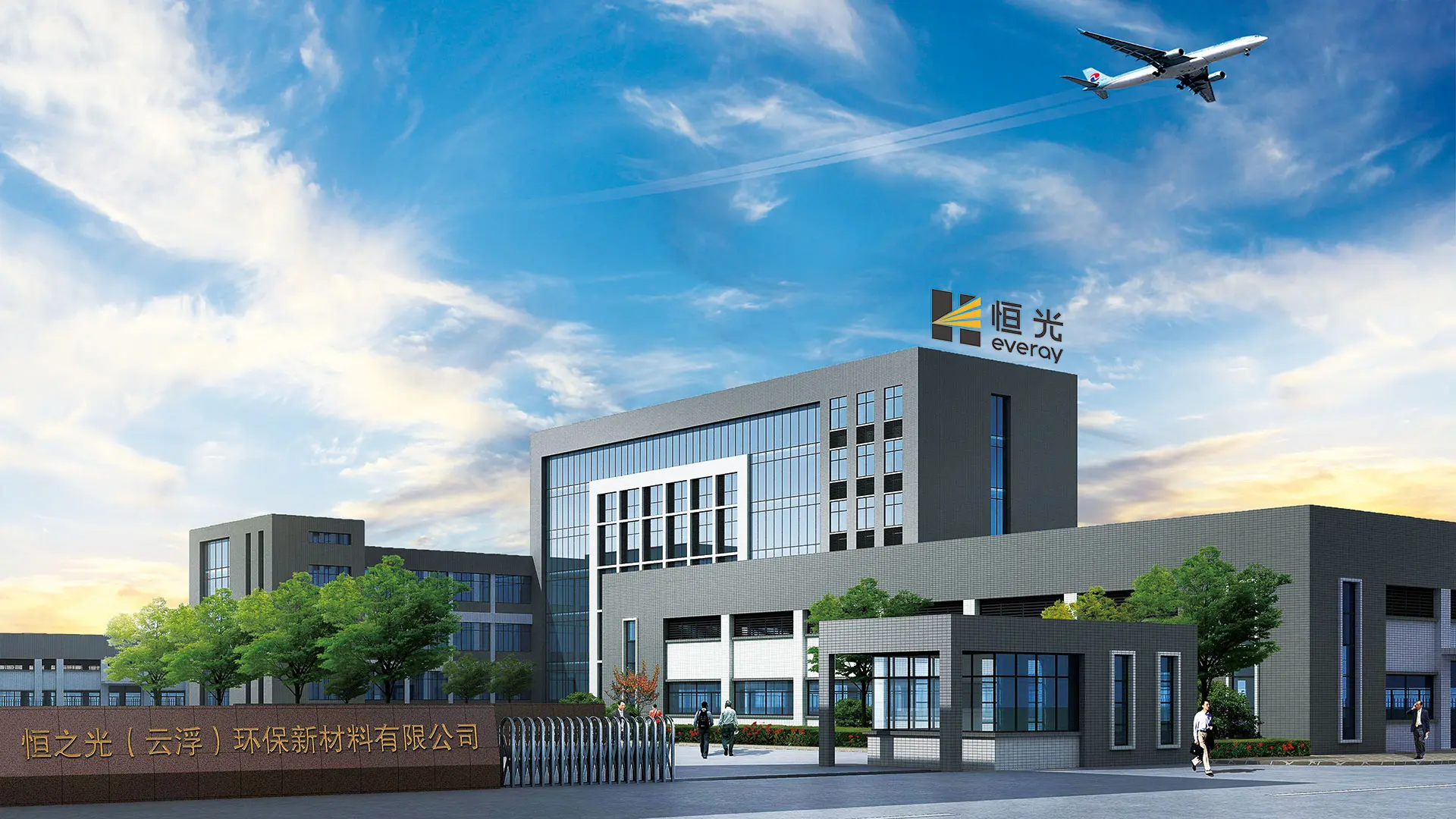
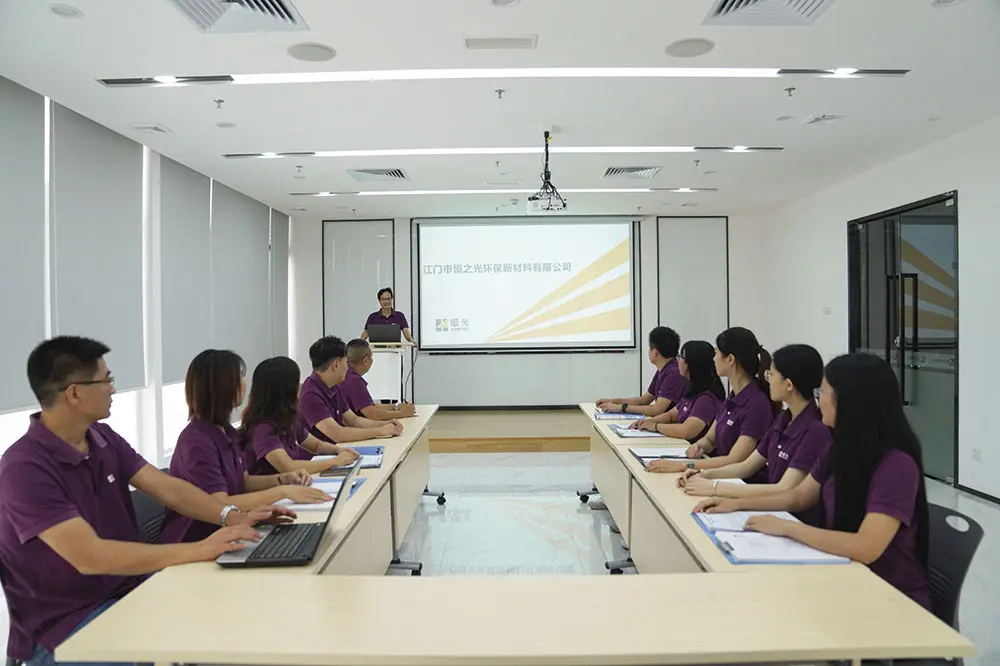
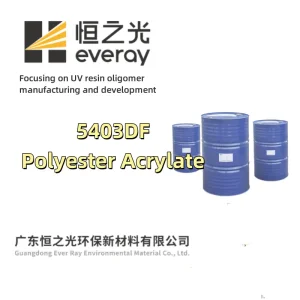
Established in 2006, Guangdong Ever Ray Environmental Material Co., Ltd. is a leading high-tech enterprise dedicated to the R&D, synthesis, and manufacturing of premium oligomers for UV-curable systems. Our extensive catalog includes epoxy acrylate, polyurethane acrylates (waterborne, aliphatic, and aromatic), polyester acrylates, pure acrylates, and specialty functional modified acrylic oligomers.
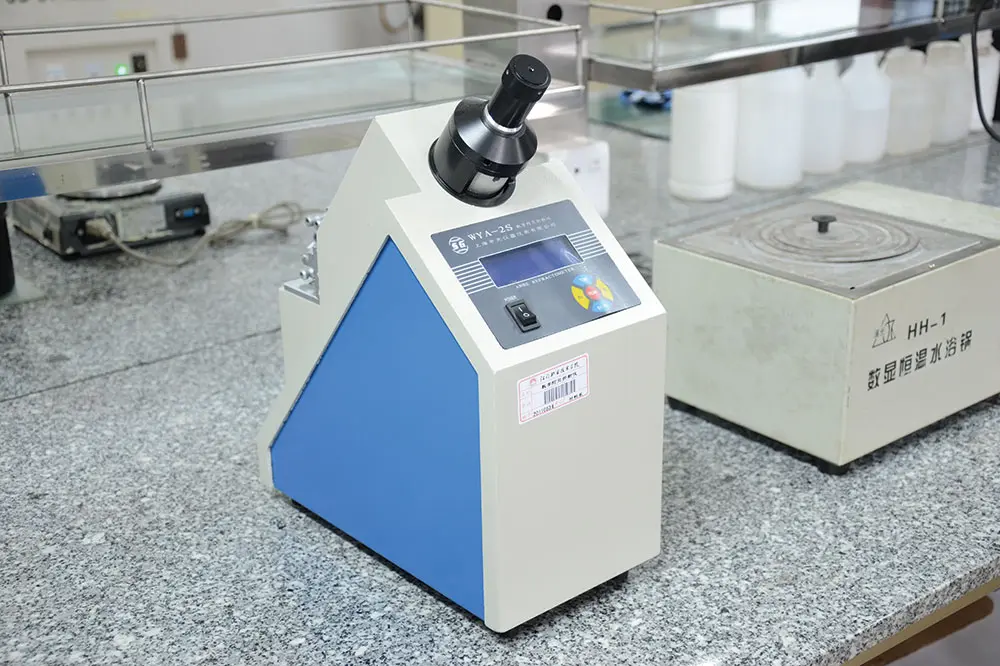
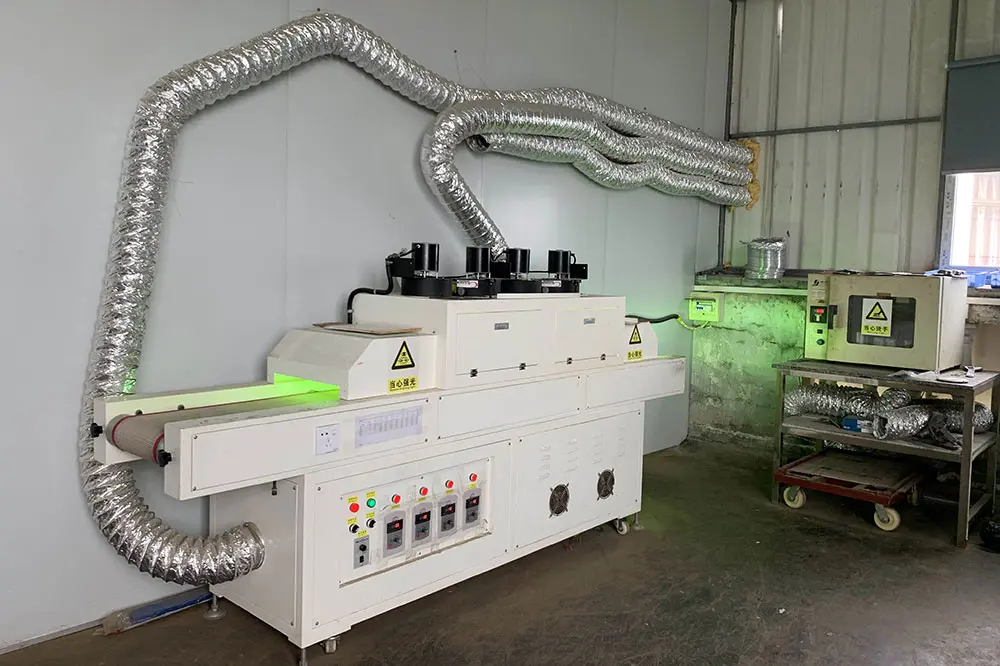
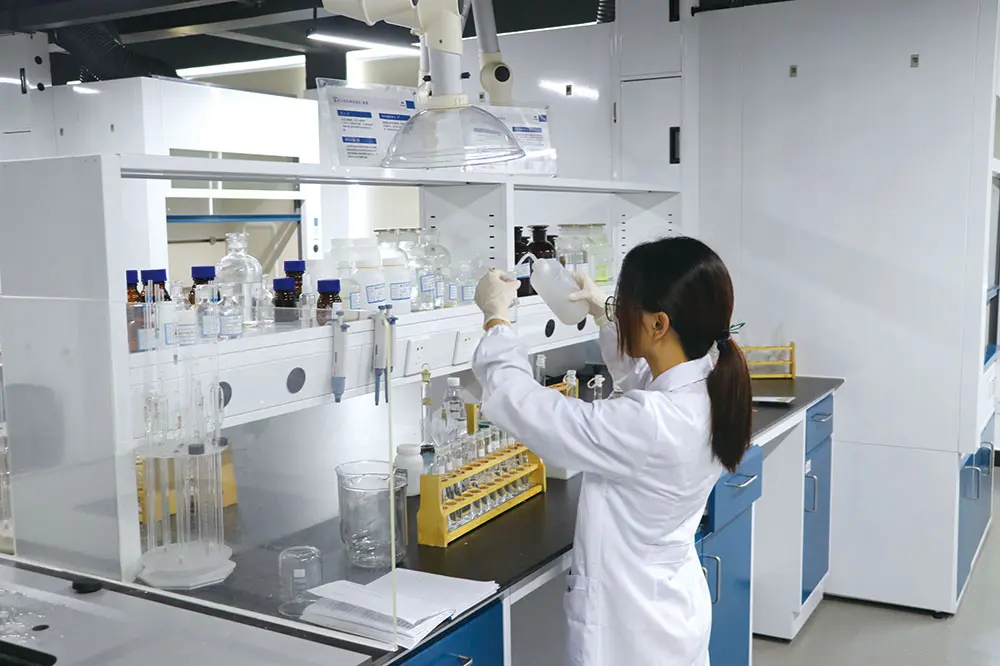
To support high-volume manufacturing demands and maintain absolute security of supply, we operate two state-of-the-art production bases in Guangdong province. The Jiangmen facility occupies approximately 10,000 square meters, while our flagship plant in Yunfu covers over 40,000 square meters. Complete with advanced quality control labs, expansive warehousing, and dedicated logistics, our annual production capacity exceeds 20,000 tons across more than 10 modern production lines.
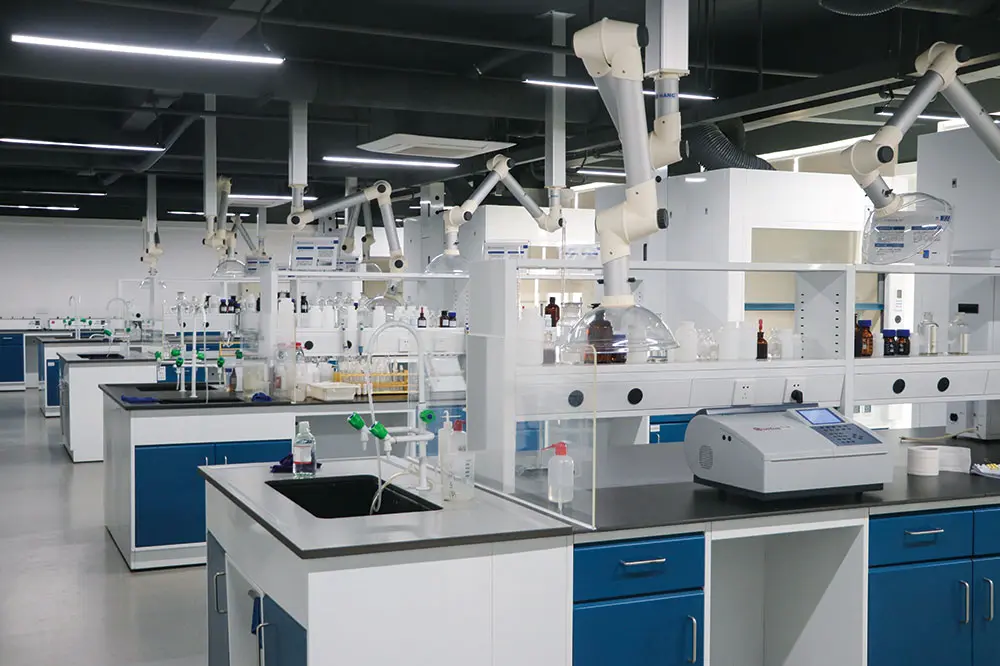
To ensure uncompromising safety and quality control, our factories operate under ISO9001 Quality Management and ISO14001 Environmental Management Systems, running on flexible, fully computerized DCS controls. We source top-tier raw materials and collaborate with domestic UV materials experts to ensure superior batch stability and production safety.
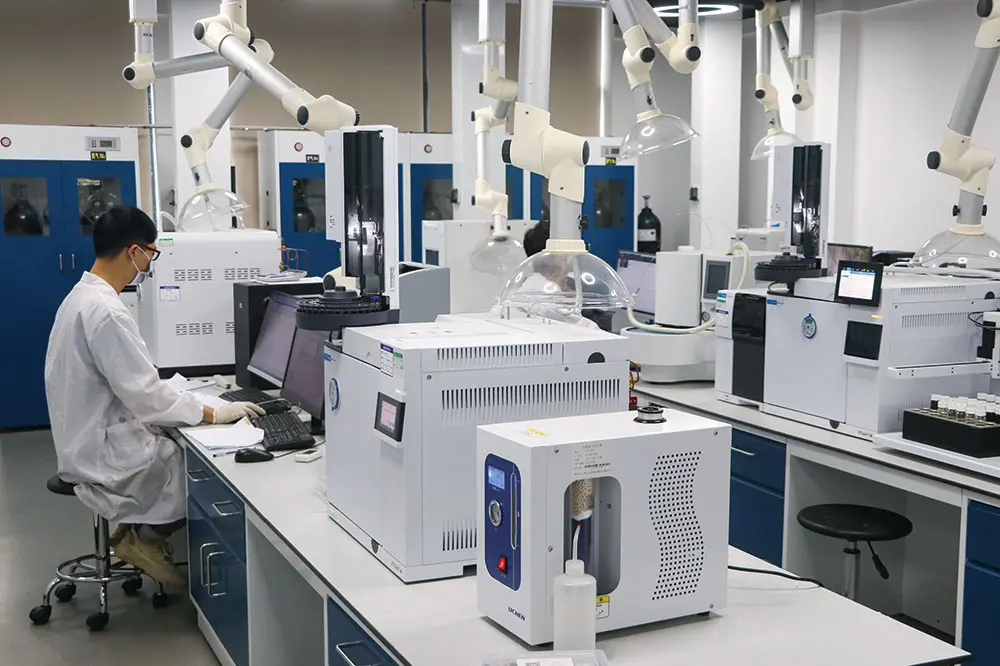
Resolving complex architectural and industrial glass coating system requirements.
Glass panels subjected to exterior architecture or hot bathrooms face constant moisture migration. Water molecules can seep into the coating interface and break hydrogen bonds. Our specialty polyester and modified epoxy acrylates incorporate hydrophobic elements that block water pathways, passing 100+ hours of continuous boiling-water tests without loss of cross-cut adhesion (5B).
Mobile phone protector glass and touchscreens require excellent surface slip and wear resistance. Formulating with high-functionality aliphatic urethane acrylates, combined with nanoscale silica modification, yields ultra-dense surface networks that withstand repeated abrasion, steel wool scratching, and everyday scuffing.
Ensuring your products meet international environmental guidelines and import criteria.
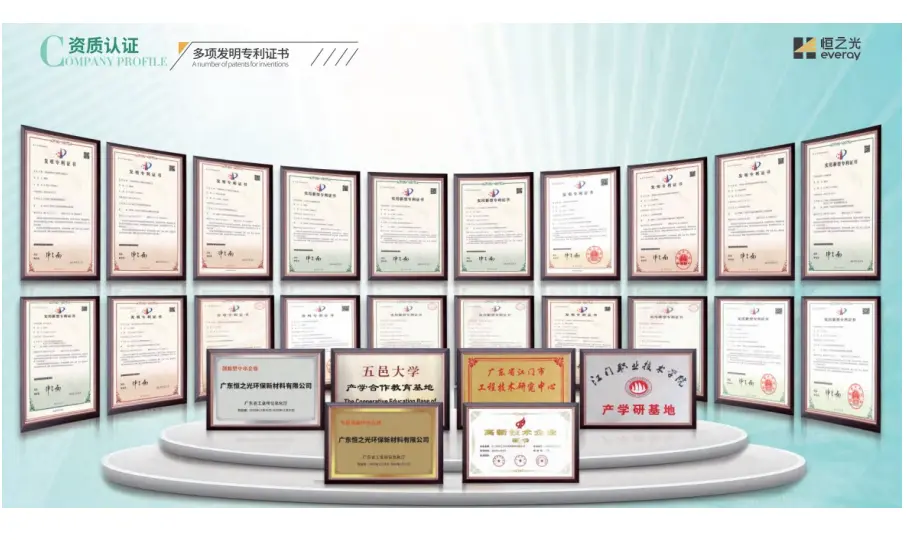
Navigating global chemical laws is a critical component of successful supply chains. Ever Ray products comply with international directives, including EU REACH, RoHS, TSCA, and China's environmental safety standards. By maintaining complete documentation and offering trace metals testing, we help paint, coating, and printing ink producers secure approvals for globally exported consumer goods.
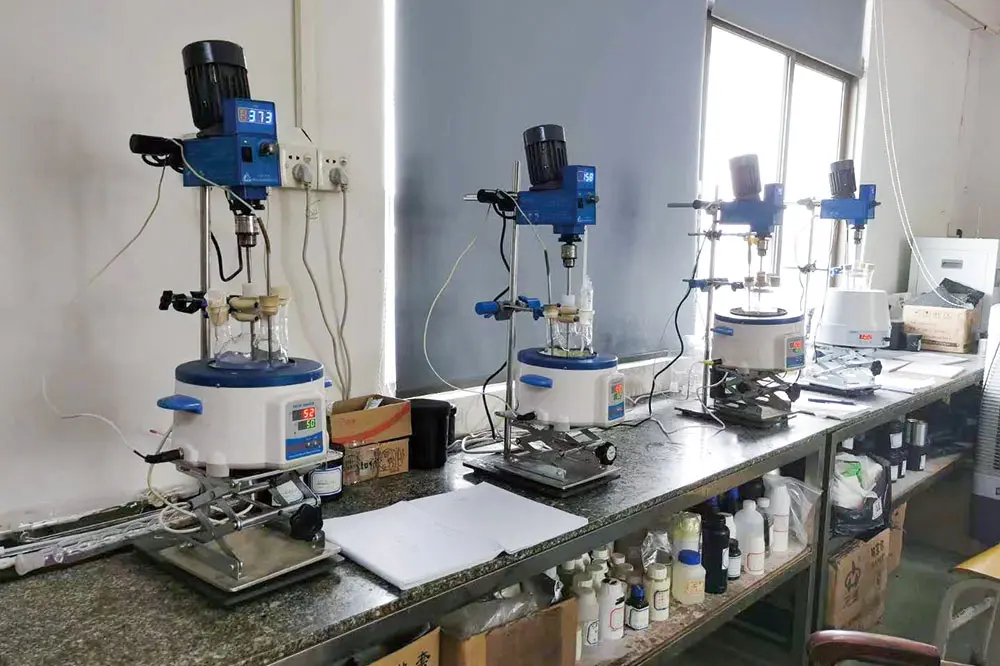
Our technical service teams collaborate directly with your formulators. We optimize cure profiles under your specific curing equipment, run validation testing on your production substrates, and adjust rheology to match your application lines. We offer complete customization from lab pilot batches to multi-ton scale production, helping you shorten time-to-market.
Explore the future developments in photopolymer materials developed in our laboratories.
We are actively developing modified acrylates derived from renewable resources, including soybean oil, epoxidized seed oils, and pine-based materials. These systems significantly reduce fossil fuel reliance while maintaining the fast cure speeds and hard finishes required for industrial coatings.
By engineering reversible dynamic covalent networks into our modified acrylate backbones, we are developing coatings that self-heal micro-scratches under standard sunlight or gentle heat, significantly extending the lifespan of optical displays and automotive glass coatings.
To reduce standard monomer skin irritation risks, we are developing low-viscosity, high-reactive oligomer systems. These materials allow formulators to reduce solvent levels and monomer contents without losing the fast-cure performance of the coating system.
Get answers to the most common formulating questions from our technical specialists.
Peeling occurs because glass surfaces are highly hydrophilic. Over time, moisture vapor penetrates the organic coating and breaks the physical bonds between the polymer and the glass substrate. Modified acrylates address this by incorporating silane coupling units or polar acid groups. These functional groups react with the silanol (Si-OH) groups on the glass surface to form strong, water-resistant covalent bonds (Si-O-Si), maintaining high adhesion even in humid conditions.
The optimal Tg depends on the final application. For touchscreens and display glass that require high scratch resistance, a higher Tg (typically between 50°C and 90°C) is ideal to ensure a hard, scratch-resistant surface. For coatings subjected to extreme thermal cycling or bending, a lower Tg (between 10°C and 40°C) provides the flexibility needed to absorb mechanical stress and prevent cracking.
Cure shrinkage can be minimized by incorporating higher molecular weight oligomers and replacing fast-shrinking multi-functional monomers with bulkier, low-shrinkage monomers like Isobornyl Acrylate (IBOA) or ethoxylated/propoxylated diluents. Utilizing dual-cure mechanisms can also help relieve internal stress buildup during the curing process.
Yes, we recommend using our aliphatic urethane acrylate and specialized polyester acrylate grades for outdoor applications. These oligomer backbones are formulated without aromatic components, providing high UV resistance, color stability, and resistance to yellowing or chalking when exposed to outdoor sunlight.
When stored in their original, unopened containers in a dry, ventilated area away from direct sunlight and heat sources (ideally below 30°C), our modified acrylates have a shelf life of 6 to 12 months. Since these materials are UV-sensitive, they must be handled under yellow light or low-light conditions to prevent premature gelation.
Discover additional high-performance products suited for printing inks, paper varnishes, wood finishes, and specialty plastic coatings.
 Ever Ray