Premium grade UV-curable oligomers and performance resins engineered for high adhesion, chemical resistance, and rapid structural curing speeds.
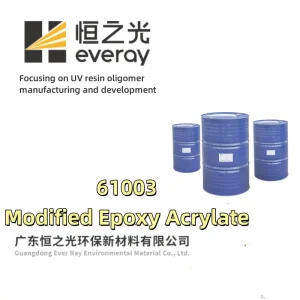
A comprehensive B2B analysis of global industrial adhesive procurement and the rise of radiation-cured polyurethane technologies.
Industrial manufacturing is shifting away from solvent-based thermal curing. Modern lines prioritize UV-cured Polyurethane Acrylates (PUA) to reduce energy footprints and achieve zero-VOC emissions, supporting global sustainability initiatives.
OEM and Tier 1 manufacturers require adhesives that satisfy strict RoHS, REACH, and environmental standards. Chemical purity, stable molecular weight distributions, and low thermal shrinkage are key requirements for complex electronic assemblies.
Standard chemical supplies often fall short of specific performance requirements. Ever Ray bridges this gap by offering custom-modified oligomers that optimize glass transition temperature (Tg), tensile strength, and target viscosity ratios.
Polyurethane adhesives represent a critical chemistry for structural bonding, combining the flexibility and toughness of polyurethane links with the high weathering resistance and curing speeds of acrylic systems. For B2B procurement managers and R&D formulation chemists, selecting the correct oligomer is essential. Our polyurethane acrylates (waterborne, aliphatic urethane, and aromatic urethane variants) provide the fundamental building blocks needed to formulate adhesives that withstand extreme environment cycles.
Aliphatic polyurethane acrylate oligomers are utilized in applications requiring color stability and UV resistance, such as outdoor industrial coatings, automotive finishes, and clear protective laminates. In contrast, aromatic polyurethane acrylates provide cost-effective solutions with high surface hardness, tensile strength, and excellent adhesion to difficult substrates like untreated plastics, composite wood, and metals. By utilizing advanced synthesis methods, we ensure that our monomers and oligomers maintain stable reactive indices, minimizing post-cure shrinkage while maximizing crosslinking density.
Traditional UV adhesives often fail on low surface-energy plastics (like polycarbonates, ABS, or treated polyethylene) due to poor wetting behavior. Guangdong Ever Ray’s modified polyurethane acrylate formulations introduce specific polar functional groups along the oligomer backbone. This modification significantly reduces the surface tension of the uncured adhesive, facilitating contact and chemical bonding with the substrate interface without requiring aggressive primer treatments.
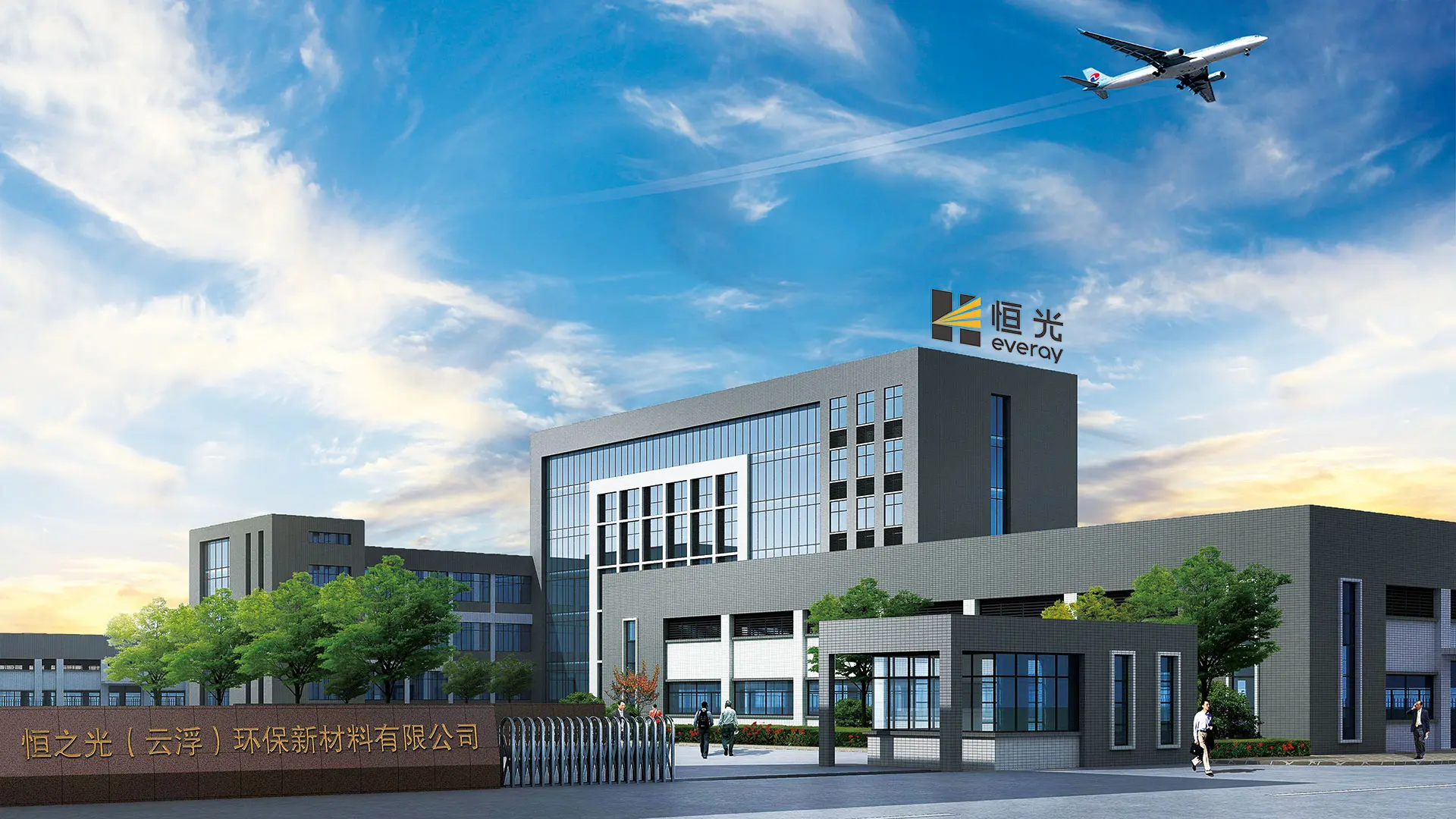
Established in 2006, Guangdong Ever Ray Environmental Material Co., Ltd. is a high-tech enterprise dedicated to the R&D and manufacturing of high-performance oligomers for UV-curable resins. Our chemical portfolio includes epoxy acrylate, aliphatic and aromatic polyurethane acrylates, polyester acrylates, and specialty modified acrylic oligomers.
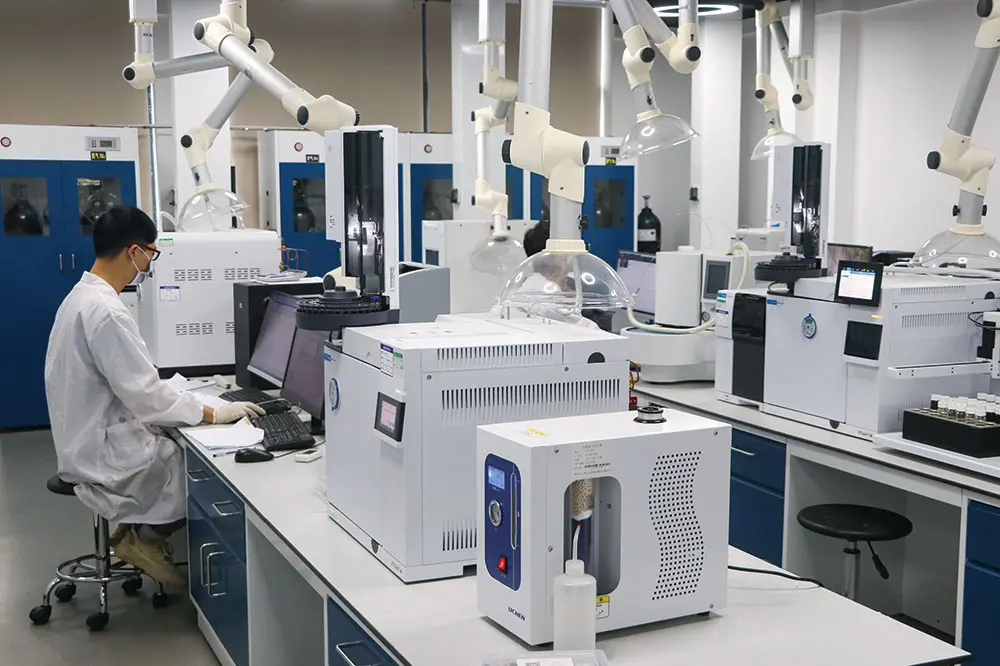
We operate two production bases: our 10,000-square-meter facility in Jiangmen, Guangdong, and our flagship 40,000-square-meter manufacturing plant in Yunfu, Guangdong. Equipped with DCS fully computerized automated systems, we ensure batch consistency, safety, and scalable production to meet global B2B procurement demands.
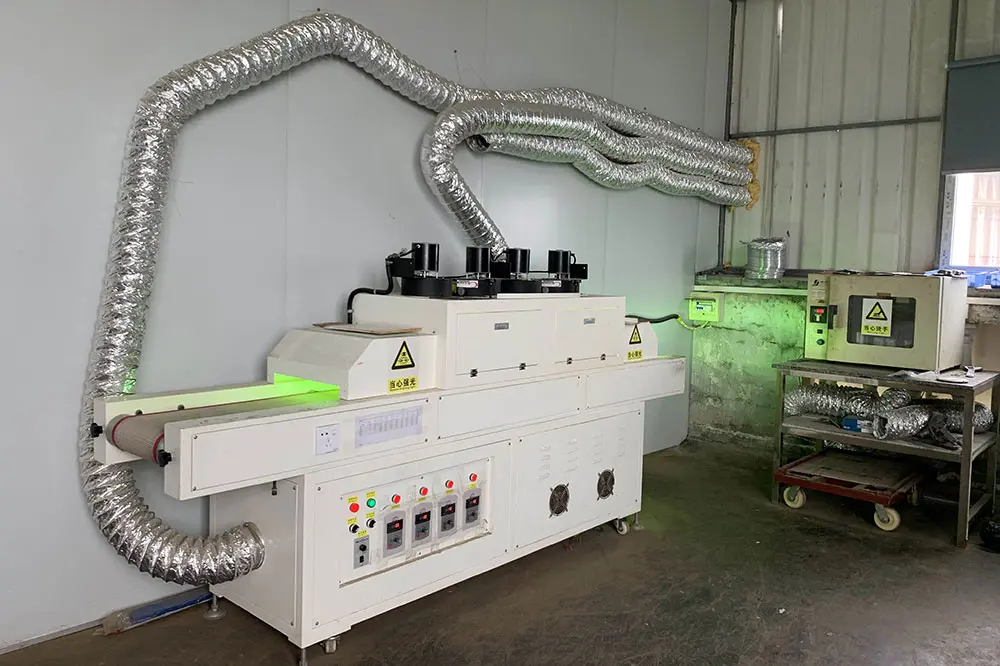
Global supply chains demand both agility and predictability. At our Yunfu and Jiangmen bases, we address these challenges through automated DCS systems that monitor temperature, pressure, feed rates, and polymerization processes in real-time. This level of automation reduces human error, increases yield efficiency, and allows us to offer competitive wholesale pricing.
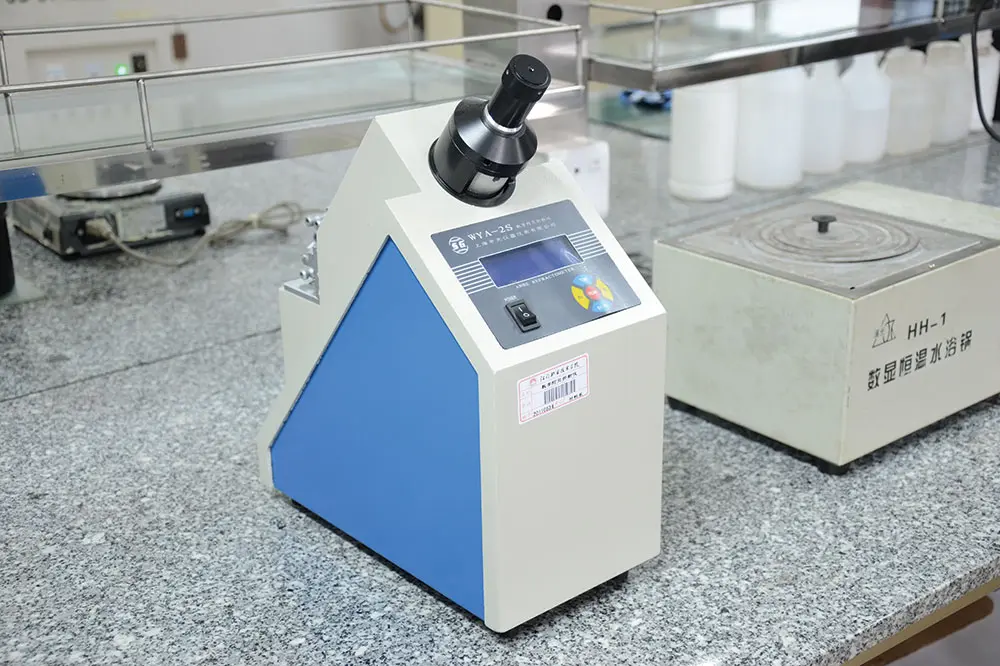
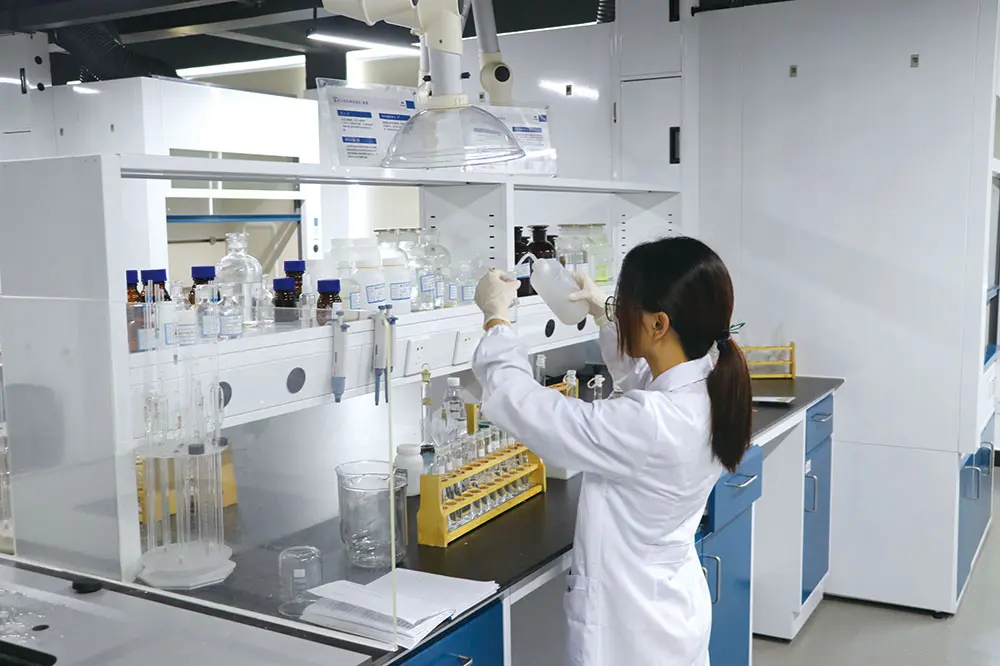
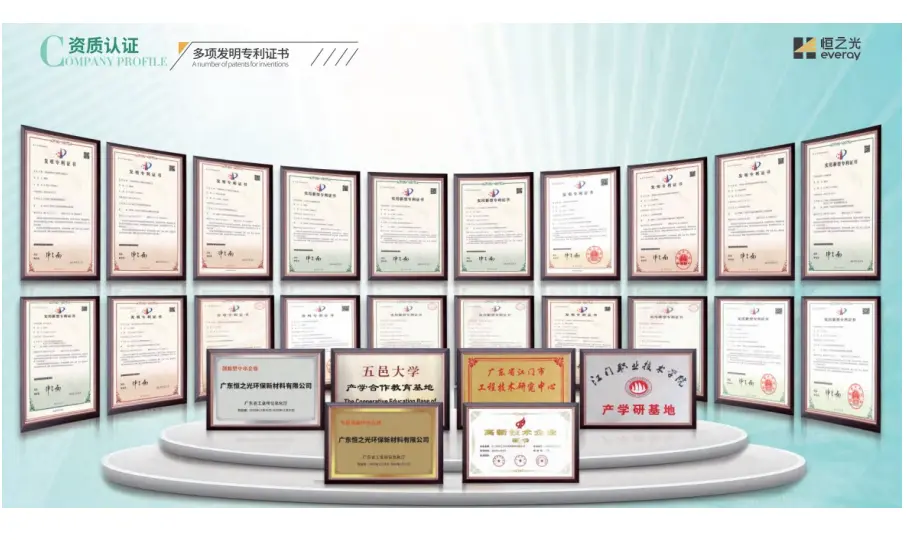
Operating under ISO9001 Quality Management and ISO14001 Environmental Management Systems, we implement testing protocols for all incoming raw materials. We source key chemical intermediates from trusted global and domestic producers, ensuring that supply constraints do not impact our customers' production schedules. For international distributors and manufacturers, partnering with us means obtaining direct access to factory-level formulation adjustments, fast shipping turnarounds, and reliable product support.
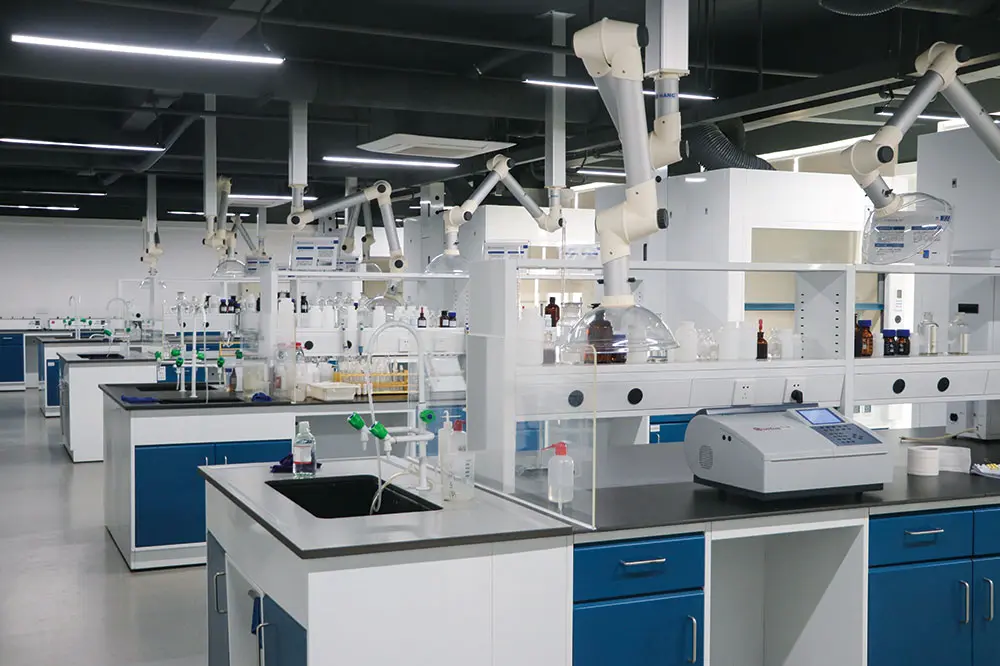
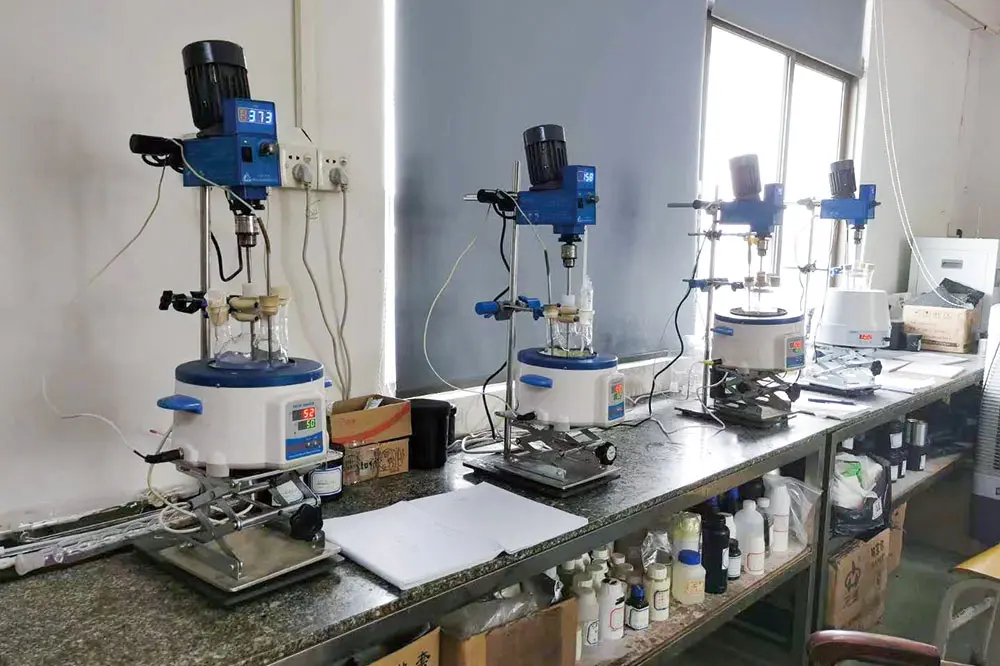
Our polyurethane acrylates and UV resins are engineered to perform across diverse industrial environments.
Provides boiling-water resistance, leveling, and gloss. Formulated to resist scratches and household chemicals, making it suitable for modern, fast-curing wooden floor coatings.
Low thermal shrinkage and high impact resistance protect fragile electronic components during thermoforming and assembly. Excellent adhesion to polycarbonates, ABS, and acrylics.
Fast-curing oligomers optimize the balance between ink and water, supporting high-speed printing presses while preserving dot definition and color intensity.
Explore our complete catalog of industrial acrylates designed for offset inks, paper varnishes, and protective sealants.
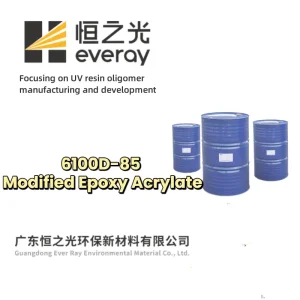
Explore answers to common technical, manufacturing, and shipping questions when sourcing polyurethane resins and acrylates directly from our factory.
 Ever Ray