The shift toward eco-friendly industrial coatings and structural performance relies heavily on advanced waterborne polymer chemistry.
Polyurethane Dispersions (PUDs) are binary colloidal systems where polyurethane particles are stably dispersed in an aqueous medium. Unlike conventional solvent-borne polyurethanes, PUDs eliminate or dramatically reduce Volatile Organic Compounds (VOCs), making them the absolute benchmark for modern green regulations. Aliphatic and aromatic configurations allow molecular tailoring for high elasticity, chemical resistance, and weathering durability.
By grafting acrylate groups onto the polyurethane backbone, manufacturers produce Waterborne Polyurethane Acrylates (WPUAs). Upon water evaporation, these systems undergo rapid ultraviolet polymerization. This hybrid chemistry grants the physical advantages of physical drying and chemical crosslinking, resulting in optimal hardness, flexibility, and scratch resistance right after exposure to light sources, including energy-saving LED systems.
Environmental policies like REACH in Europe, EPA directives in North America, and China's GB30981-2020 standards are phasing out aromatic solvent-based resins. Polyurethane dispersions represent the gold standard for global buyers seeking replacement polymers without sacrificing physical properties. Key industrial sectors like automotive, luxury packaging, wood finishing, and electronics are prioritizing PUD sourcing to meet strict decarbonization targets.
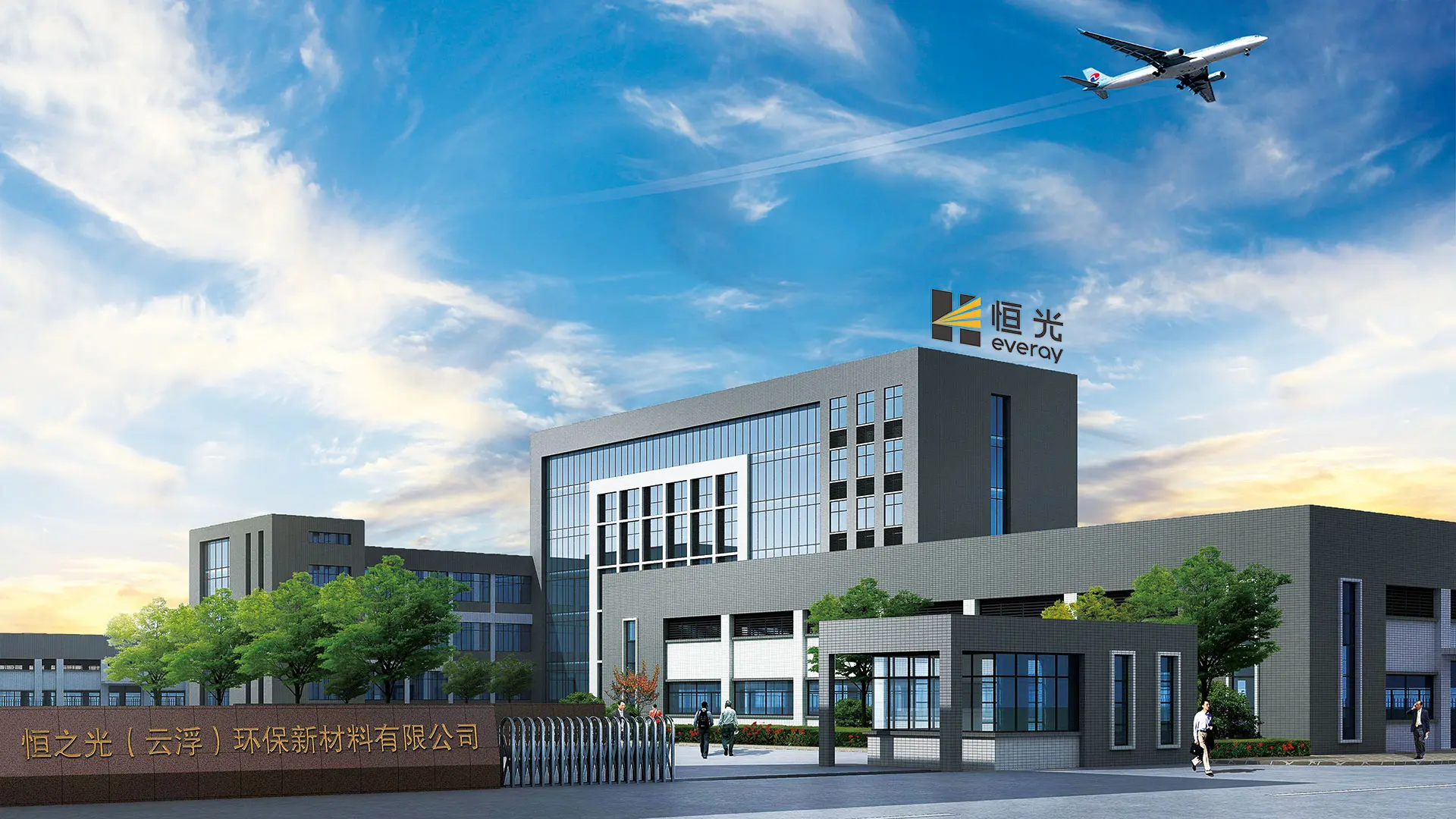
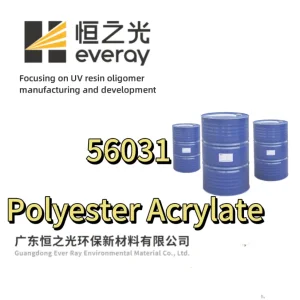
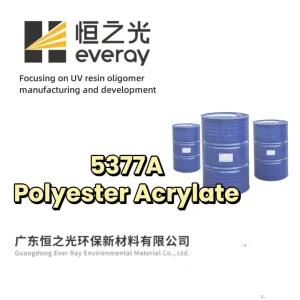
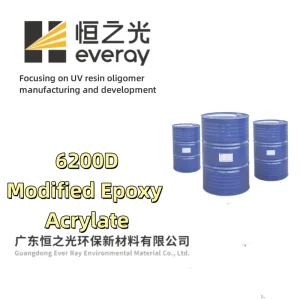
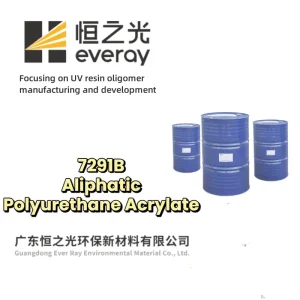
Established in 2006, Guangdong Ever Ray Environmental Material Co., Ltd. is a premier high-tech enterprise dedicated to the R&D, customization, and large-scale manufacturing of oligomers for UV curable resins. Our core portfolio spans high-performance epoxy acrylates, aliphatic/aromatic polyurethane acrylates (waterborne and solvent-free), polyester acrylates, pure acrylates, and specialty modified functional oligomers.
By prioritizing ecological sustainability alongside molecular performance, we bridge the gap between regulatory requirements and raw physical strength, engineering oligomers that give coatings, adhesives, and inks the technical edge they need to compete on a global scale.
Operating across advanced production hubs to deliver high batch consistency, safety compliance, and uninterrupted product flow.
To support high-volume industrial demand, Ever Ray operates two strategic manufacturing facilities in Guangdong Province. Our Jiangmen plant covers approximately 10,000 square meters, focused on quick-turn modifications and specialty pilot-scale development. Meanwhile, our flagship base in Yunfu spans 40,000 square meters, serving as the high-capacity epicenter with complete logistics infrastructure, raw material storage, and advanced warehousing.
In chemical engineering, consistency is everything. Ever Ray utilizes a fully computerized Distributed Control System (DCS) to manage feed ratios, reaction temperatures, and cycle times automatically. This automated monitoring significantly reduces human error, limits byproduct generation, and delivers reliable, high-yield molecular structures batch after batch. The entire factory operation runs under ISO9001 Quality Management and ISO14001 Environmental Management Systems.
We source premium chemical raw materials domestically and internationally, working closely with top-tier material scientists to ensure safety, performance stability, and chemical purity.
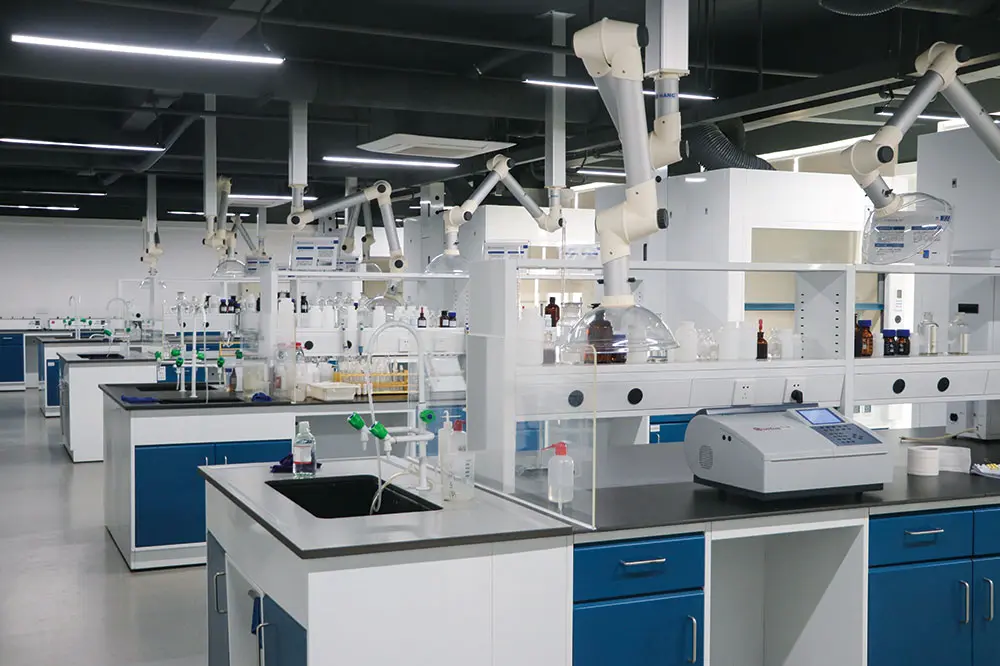
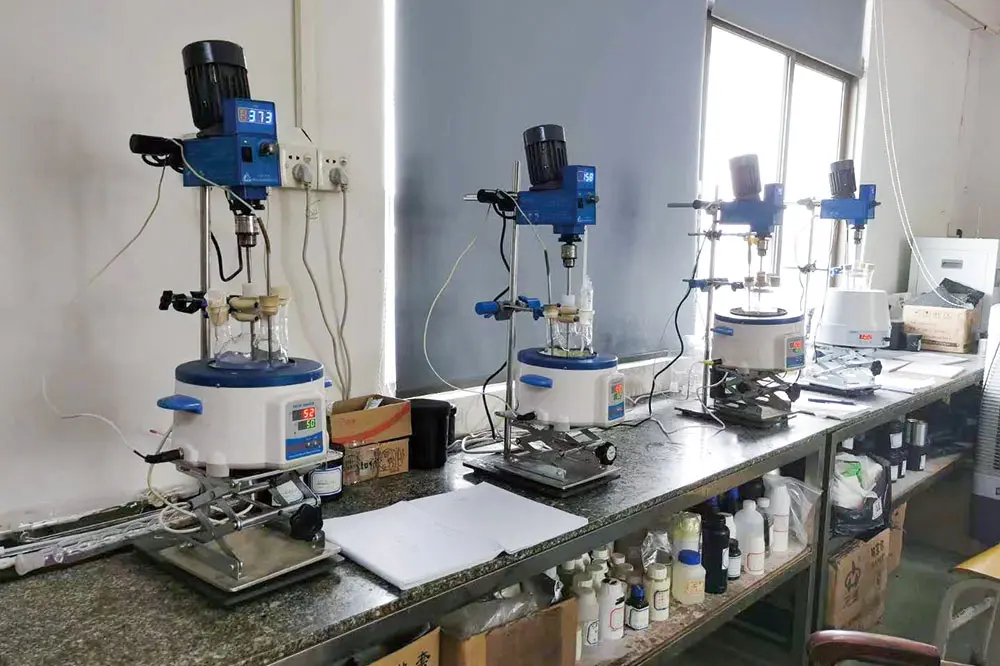
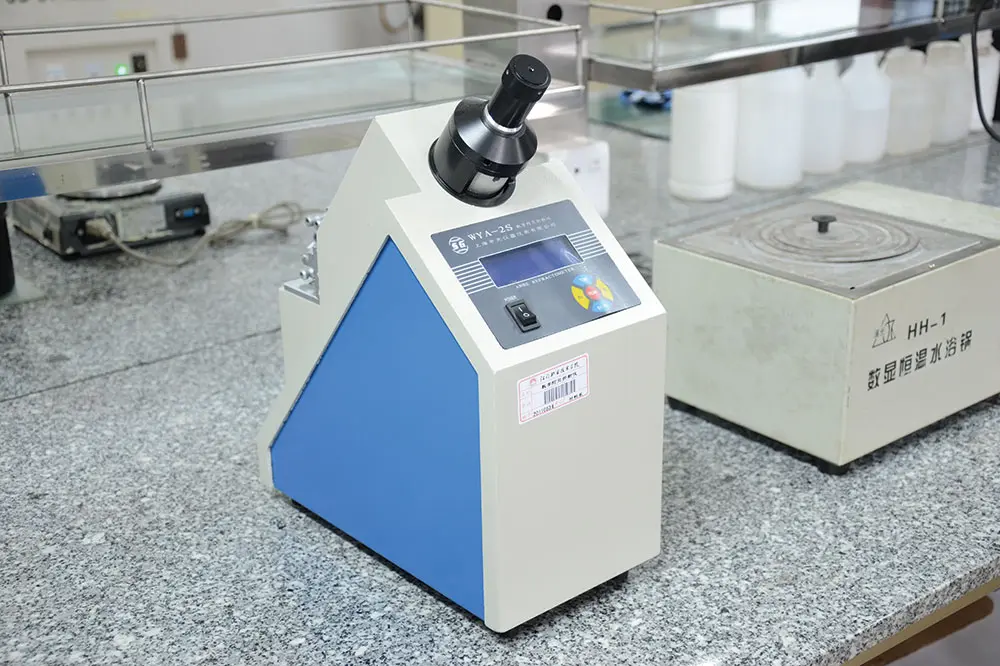
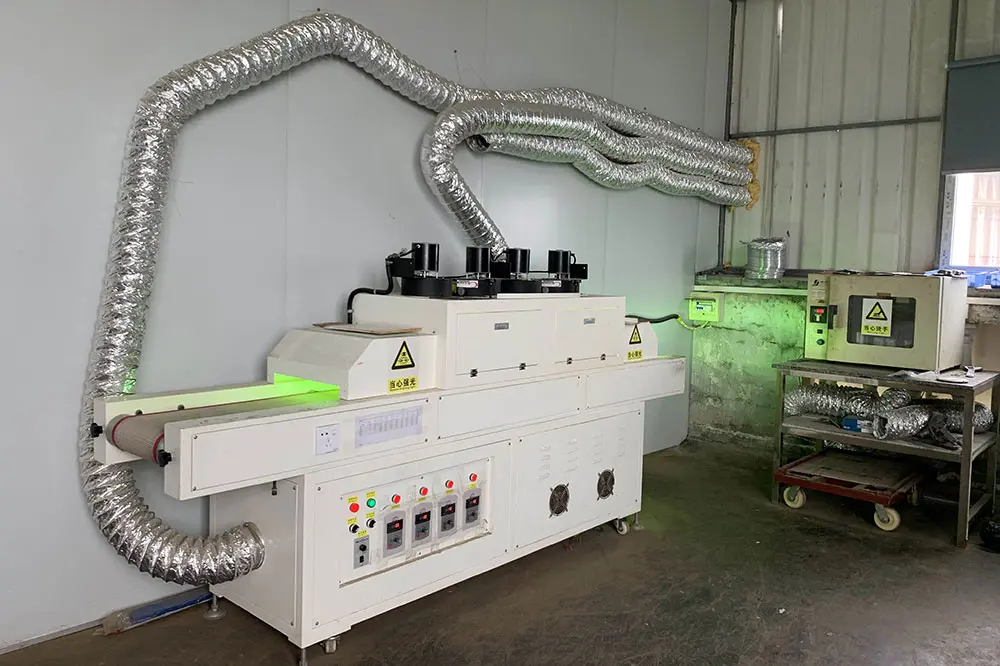
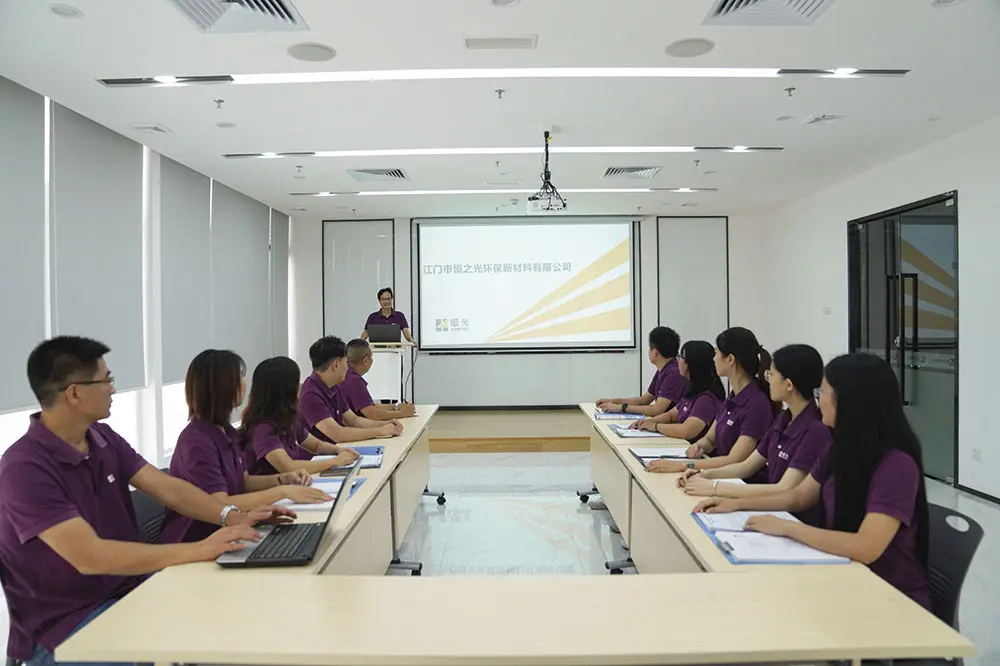
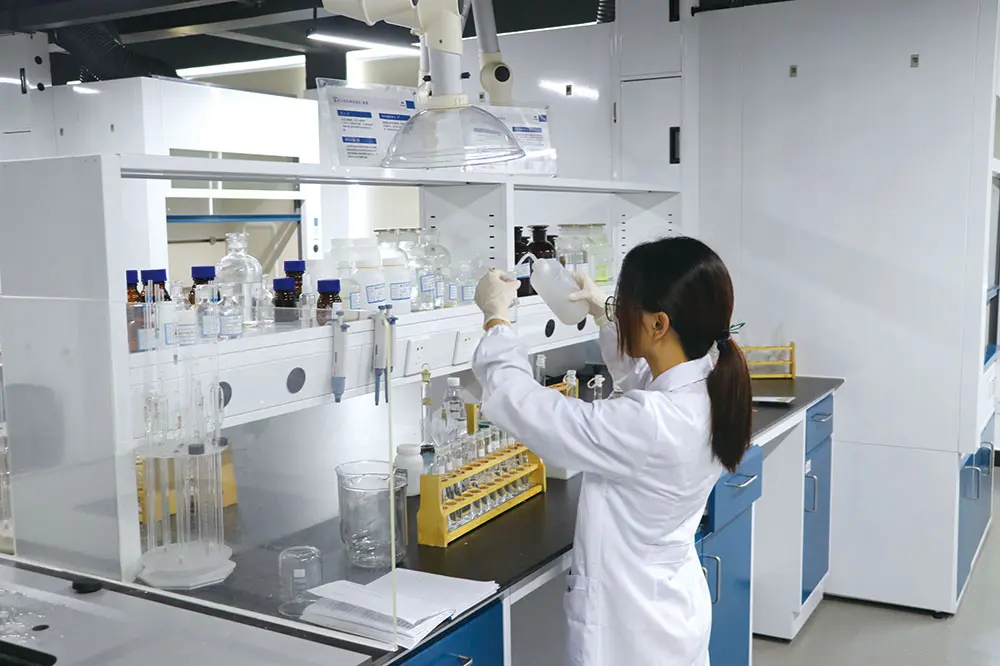
How industrial procurers and R&D teams select optimal chemistry for specific performance envelopes.
Standard PUDs generally feature a solids content between 30% and 40%. Raising this level to achieve thicker coatings in fewer steps can sometimes lead to stability issues. Ever Ray manages this trade-off by optimizing particle size distribution, producing high-solids dispersions that maintain low, easily workable viscosities for spray, roll, and gravure application systems.
The Minimum Film-Forming Temperature (MFFT) dictates if a PUD needs extra heat or solvents to dry correctly. For temperature-sensitive materials like thin plastic films, low MFFT resins are essential. Ever Ray designs specialized polymer backbones that form smooth, defect-free films at room temperature, which are then cured via UV light to achieve final mechanical resistance.
Polyester-based PUDs offer exceptional toughness but can degrade over time when exposed to moisture. Polyether or polycarbonate-based chemistries provide much better hydrolytic stability for damp environments. Our technical team works with buyers to choose the right raw materials for their specific application, balancing performance and material cost.
From heavy industrial machinery to delicate consumer electronics, tailored oligomers deliver critical protection.
Modern automotive cabins demand highly durable, low-emission materials. Our aliphatic PUDs are formulated for plastic trims, steering wheels, and dashboards, offering excellent chemical resistance to sweat and cleaning agents, high UV resistance, and a premium soft-touch feel.
Premium wooden furniture and flooring need protection from scratches and household spills. Ever Ray’s LED-UV curable wood coatings offer high curing speed and rich depth of gloss. These low-shrinkage formulations preserve the natural appearance of the wood while preventing micro-cracks over years of use.
For flexible food packaging and labels, inks must dry quickly and stick to challenging plastic films (like BOPP and PET). Our polyester acrylates and PUDs provide strong adhesion, excellent pigment wetting, and clean flexo/gravure printing output even at high production speeds.
Smartphones and laptops require extremely thin, protective clearcoats. Our vacuum plating resins and shadowless UV adhesives offer excellent adhesion to metalized layers, maintaining crystal-clear transparency and long-term yellowing resistance under sunlight and heat.
Sustainable innovation requires steady investment in research. Guangdong Ever Ray houses a dedicated R&D division staffed by over 15 industrial technicians. Our team holds more than 10 invention and practical utility patents, and continually collaborates with external polymer experts to refine and scale new formulations.
Our research focusing on high chemical resistance, fast polymerization speeds, and high gloss helps customers optimize their processes. We customize resin formulations to match specific machinery configurations and support cost-reduction initiatives without compromising product quality.
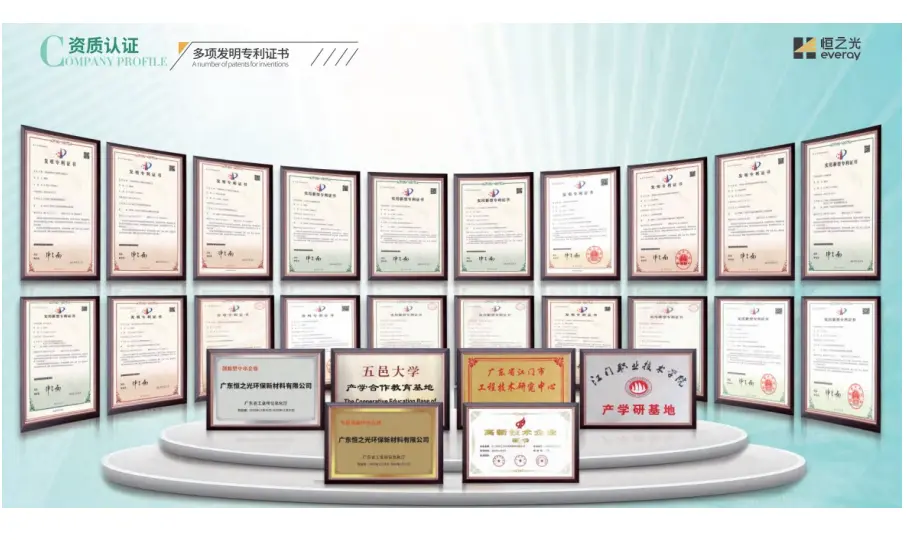
Our patents cover modified epoxy acrylates and water-dilutable polyurethane polymers, ensuring proprietary technology benefits our OEM partners.
We adjust viscosity, reactivity, and gloss profiles to meet target properties for diverse applications, including plastics, wood, and glass.
We assist international partners in meeting REACH, RoHS, and local low-VOC requirements, facilitating smooth imports and compliance audits.
Answers to common technical, regulatory, and logistics questions from chemical buyers and engineers.
Aliphatic PUDs utilize aliphatic diisocyanates (such as IPDI or HDI), which do not absorb UV radiation. This makes them highly resistant to yellowing, chalking, and degradation under direct sunlight, rendering them ideal for automotive exterior parts, outdoor wood finishes, and clearcoats. Aromatic PUDs utilize aromatic diisocyanates (like TDI or MDI) which contain benzene rings. They are more economical and offer higher hardness and mechanical strength, but tend to yellow when exposed to UV light, making them best suited for indoor applications or dark-pigmented primers.
Waterborne UV resins are stabilized using ionic (usually carboxylate or sulfonate groups) or non-ionic hydrophilic chains. Ever Ray controls this stabilization by monitoring the acid value, selecting optimal neutralizing agents, and using precise filtration systems to maintain narrow particle size distribution. Our automated DCS-controlled polymerization prevents local gelation and ensures consistent dispersion stability during storage and transport.
Yes. Many of our oligomers, such as the Polyester Acrylate 5501, are engineered specifically for LED-UV wood coating and ink systems. By modifying the chemical structure to increase reactivity and optimizing the photoinitiator packages, these resins achieve fast, deep surface cure under 385nm or 395nm LED wavelengths, reducing energy consumption compared to standard mercury arc lamps.
Standard PUDs have a shelf life of 6 to 12 months when stored in original, unopened containers. Since they contain water, they must be kept between 5°C and 35°C to prevent freezing (which causes irreversible destabilization) or excessive heat (which can accelerate hydrolysis). We recommend storing them in dry, well-ventilated areas away from direct sunlight.
Custom modification is handled directly by our R&D and technical service team. By adjusting the molecular weight, selecting appropriate reactive diluents (monomers), or modifying the side-chain density of the oligomers, we can tune the viscosity to suit spray, roller, gravure, or screen-printing applications. Customers can supply target physical parameter sheets, and we will formulate trial samples accordingly.
Every production batch undergoes comprehensive QC evaluation. We test for key chemical parameters including acid value, hydroxyl value, viscosity (via Brookfield viscometer), solid content, curing speed, yellowing index, and surface hardness after curing. We provide a Certificate of Analysis (COA) for every shipment to ensure tracebility and compliance with client specifications.
Yes, sustainability is our core development target. Our waterborne polyurethane dispersions and UV oligomers are designed to help formulators meet strict global VOC requirements. We actively support our clients with REACH registrations, RoHS declarations, and other regional chemical inventory compliance requirements to facilitate global supply chain integrations.
For standard catalog items, the typical lead time is 7 to 15 days from order confirmation to departure from local ports (primarily Guangzhou or Shenzhen). Custom synthesis or modified orders generally require 3 to 4 weeks depending on raw material sourcing and pilot validation runs. We maintain raw material safety stock to buffer against market supply chain volatility.
 Ever Ray