Explore our premium-grade radiation-curable UV oligomers formulated for high-speed industrial coating, flexo/gravure inks, precision 3D printing, and automotive adhesives.
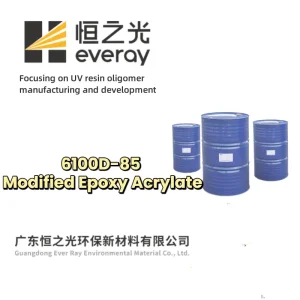
An in-depth technical evaluation of pure acrylate oligomers, photopolymerization kinetics, global market dynamics, and advanced industrial application strategies.
Pure acrylate oligomers stand as the backbone of modern radiation-curing technology (UV and Electron Beam). Unlike modified hybrid systems that integrate non-reactive resin matrices, pure acrylate oligomers feature terminal acrylate functional groups directly bonded to pure acrylic backbone chains or tailored synthetic backbones. This specific architecture imparts unmatched UV reactivity, optical clarity, chemical stability, and minimal degradation under severe thermal and environmental stress.
In high-performance industrial formulations, the choice of oligomer dictates up to 80% of the cured film's final mechanical, chemical, and physical parameters. Pure acrylate oligomers provide high crosslinking density during ultra-fast free-radical polymerization under UV light (wavelengths 200–400 nm) or low-energy UV-LED sources (365–405 nm). The precise regulation of acrylic ester oligomeric weight ensures fine control over glass transition temperature (Tg), tensile strength, percent elongation at break, and surface tackiness.
To optimize industrial coating and ink formulations, procurement engineers and R&D chemists must categorize acrylate oligomers based on their chemical backbone structure:
A primary challenge in UV-curing is polymer shrinkage resulting from the conversion of van der Waals distances between monomer molecules into covalent C-C bonds during free-radical polymerization. Volumetric shrinkage can induce internal stress, micro-cracking, and loss of substrate adhesion. Pure acrylate oligomers—especially hyperbranched and low-viscosity polyester or modified urethane acrylates—alleviate stress by optimizing the viscoelastic relaxation prior to gelation.
Furthermore, surface tack caused by atmospheric oxygen inhibition is effectively neutralized through high-reactivity pure acrylate structures. By increasing functional group concentration and engineering low hydrogen-abstraction pathways, modern oligomers ensure complete surface-to-substrate curing even at elevated production speeds exceeding 150 meters per minute.
| Oligomer Chemical Category | Viscosity Range (mPa.s / 25°C) | Cured Film Hardness (Pencil) | Tensile / Flexibility Balance | Key Industrial Strengths |
|---|---|---|---|---|
| Bisphenol A Epoxy Acrylate | 15,000 – 45,000 | 3H – 5H | Rigid / Low Elongation | Maximum Gloss, Fast Curing Speed, High Chemical & Scratch Resistance |
| Aliphatic Polyurethane Acrylate | 2,000 – 25,000 | H – 3H | High Elasticity / Tough | Non-Yellowing, Outdoor Weatherability, High Tack & Impact Resistance |
| Polyester Acrylate (Low Viscosity) | 500 – 5,000 | HB – 2H | Balanced Flexibility | Superior Substrate Wetting, Low Odor, High Pigment Loading Capacity |
| Photo-Thermal Dual-Curing Acrylate | 3,000 – 15,000 | 2H – 4H | Tough / Stress Relief | Zero-Shadow Curing, Ultra-Low Shrinkage, High Depth of Cure for 3D Printing |
| Waterborne UV Acrylate Dispersion | 50 – 500 | F – 2H | Ultra-Flexible | Zero VOC, Thin-Film Uniformity, Excellent Wood & Leather Adhesion |
Macro-environmental shifts driving the adoption of pure acrylate oligomers across Europe, North America, and Asia-Pacific manufacturing ecosystems.
Global environmental mandates (REACH, EPA, China VOC Limits) are accelerating the shift from solvent-borne coatings to 100% solid content UV-curable systems. Pure acrylate oligomers allow formulators to completely eliminate volatile organic solvents, reducing emissions while lowering energy consumption during thermal drying phases.
Industrial lines are rapidly replacing traditional mercury lamps with narrow-band 365–405nm UV-LED sources. This transformation demands pure acrylate oligomers engineered for enhanced spectral responsiveness at long wavelengths, achieving complete surface cure without thermal deformation of sensitive plastic substrates.
The rise of micro-electronics, foldable OLED displays, automotive HUD units, and additive manufacturing (SLA/DLP 3D printing) requires oligomers with hyper-pure formulation profiles, zero yellowing index, photo-thermal dual curing capability, and optical clarity (transmittance >99%).
Leading Chinese Chemical Synthesis Specialist & Global Exporter of UV Curable Oligomers
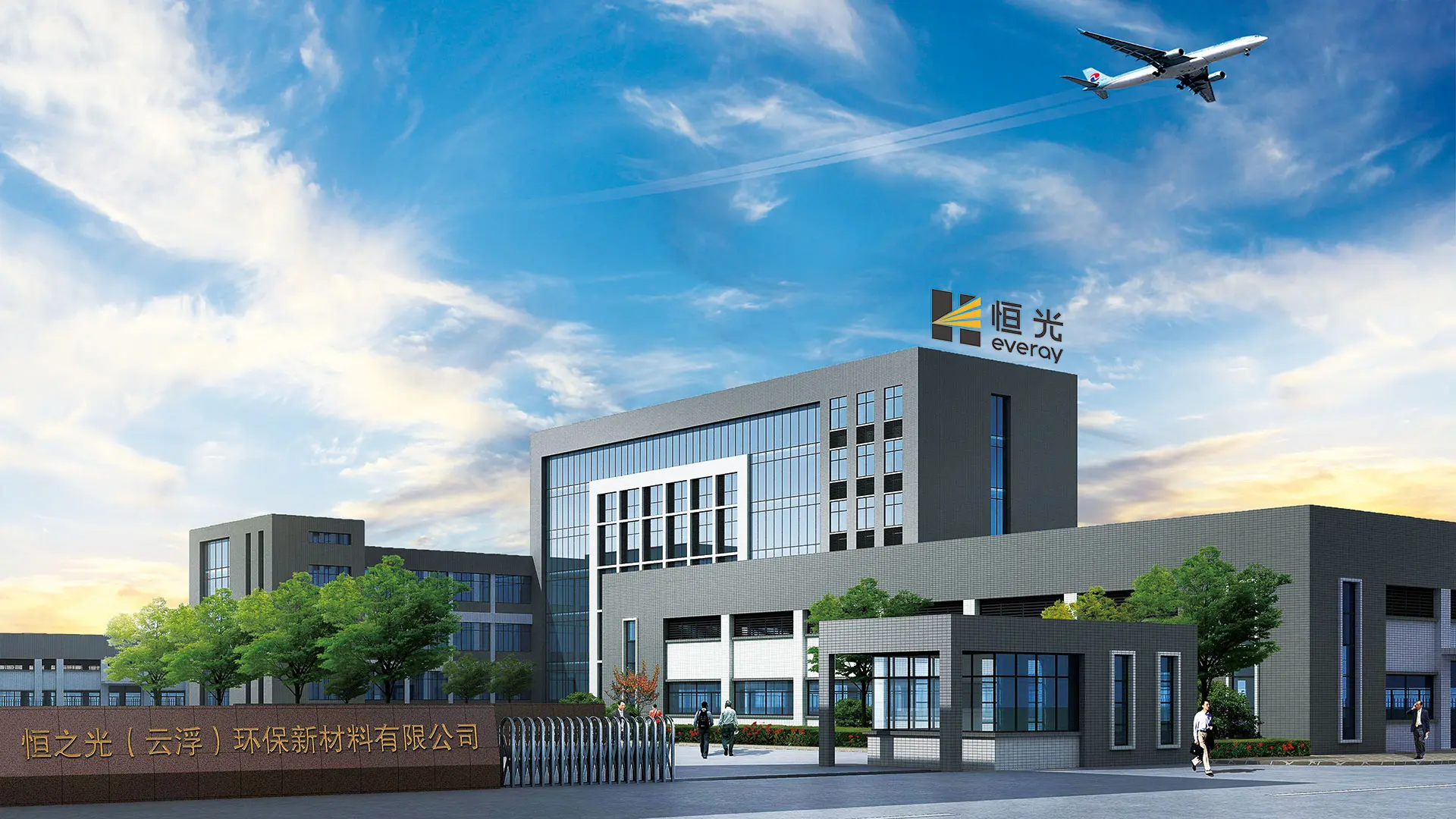
Guangdong Ever Ray Environmental Material Co., Ltd. established in 2006, is a high-tech enterprise focusing on the R&D and manufacturing of oligomers for UV curable resin such as epoxy acrylate, polyurethane acrylate (water borne, aliphatic urethane, aromatic urethane), polyester acrylate, pure acrylate and other special functional modify acrylate oligomers.
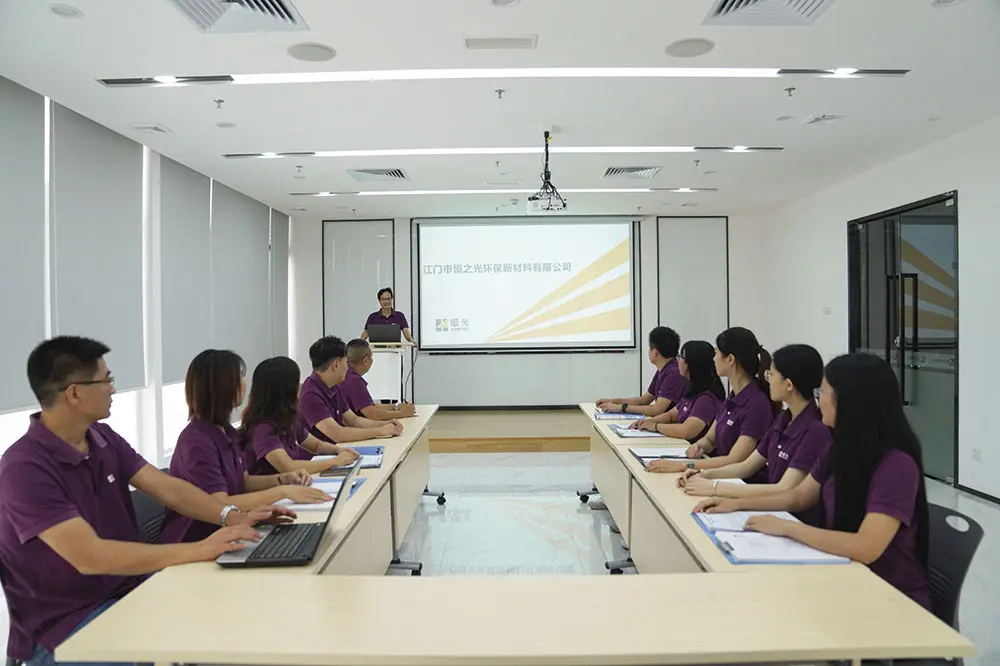
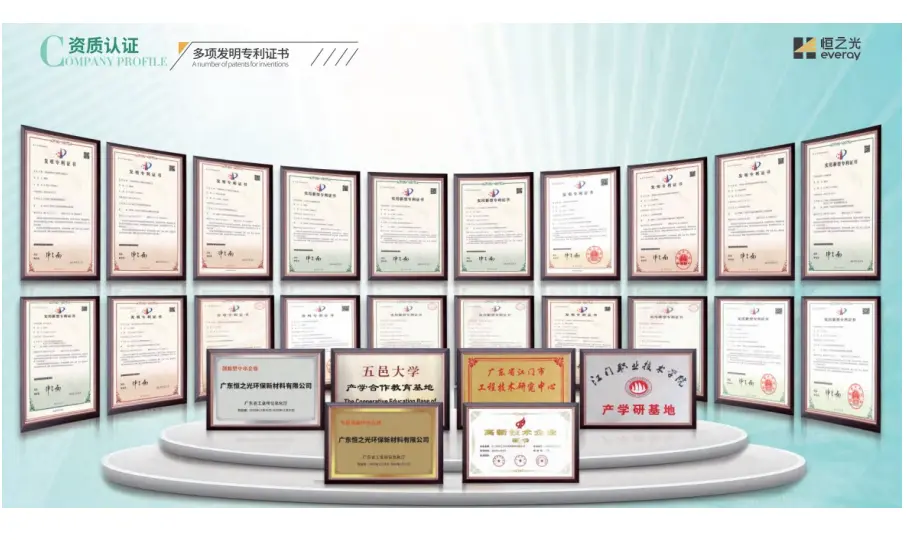
We have more than 10 invention patents and practical patents, with more than 15 dedicated technicians in our R&D department. We provide high reactivity, chemical resistance, and high gloss to formulations for a wide variety of applications, including wood coatings, plastics, inks, adhesives, and electronics. We supply custom formulations for customers to meet requested specs, optimizing both functional performance and cost-efficiency.
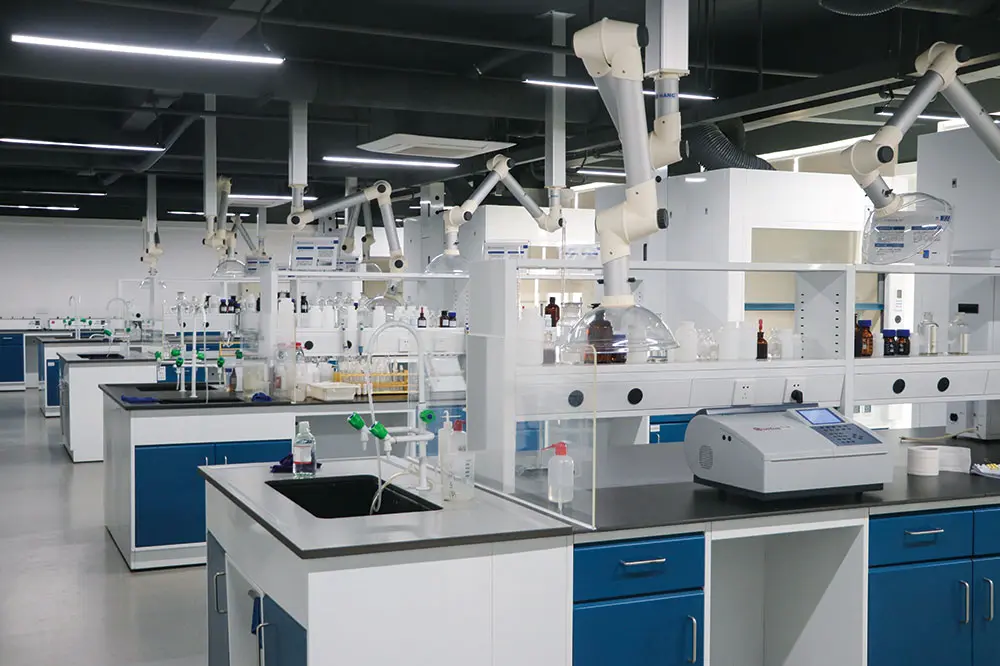
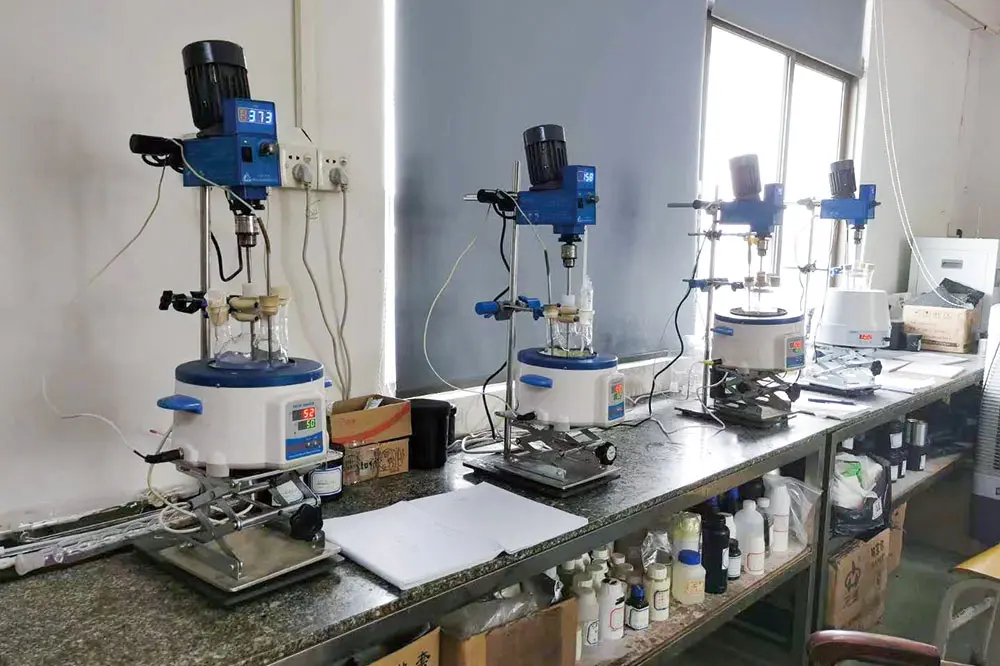
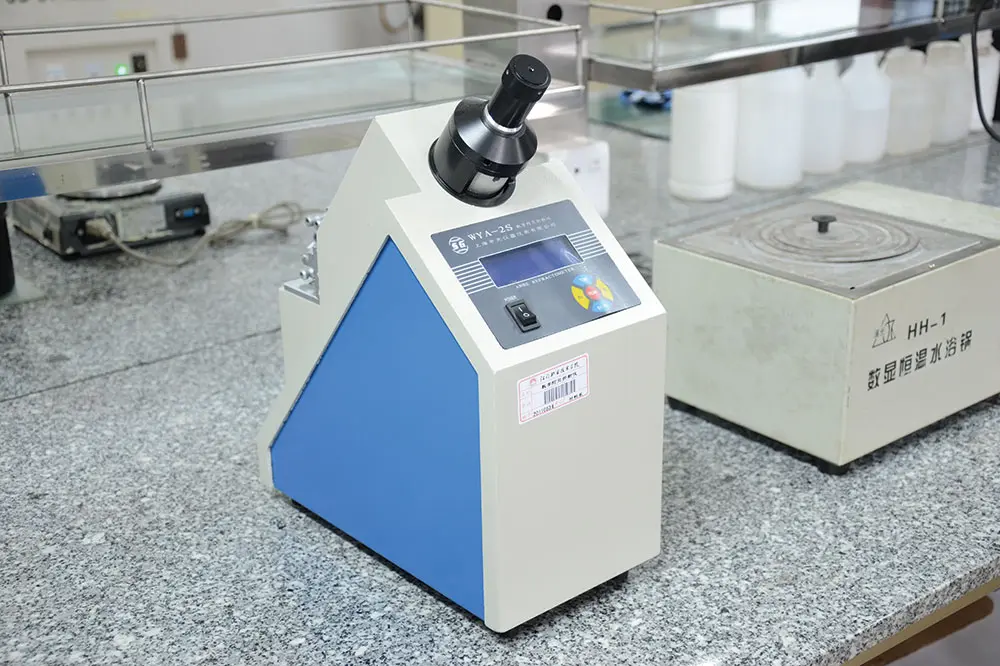
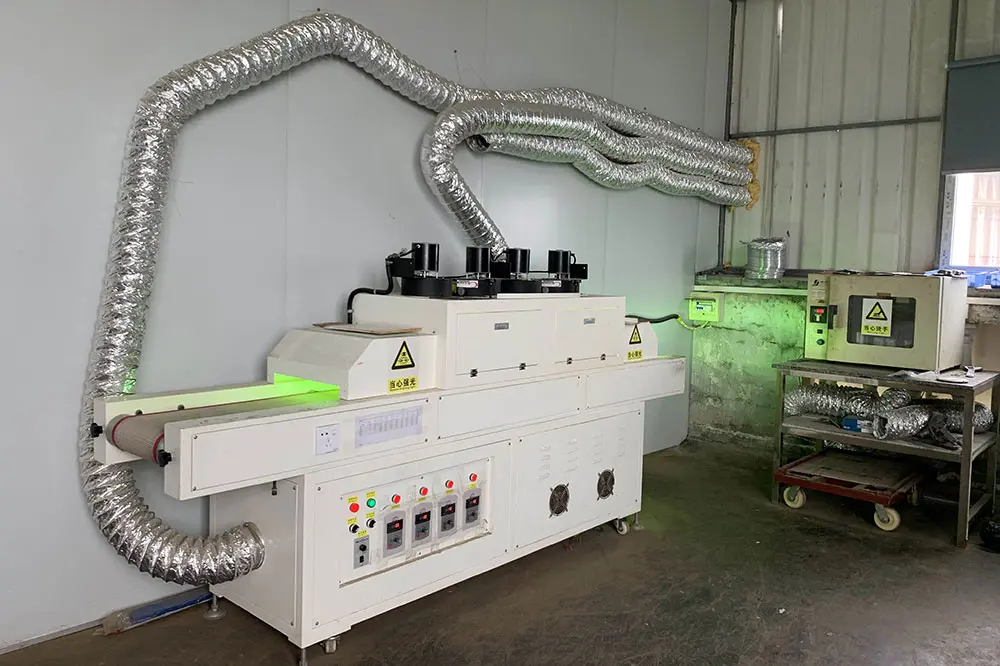
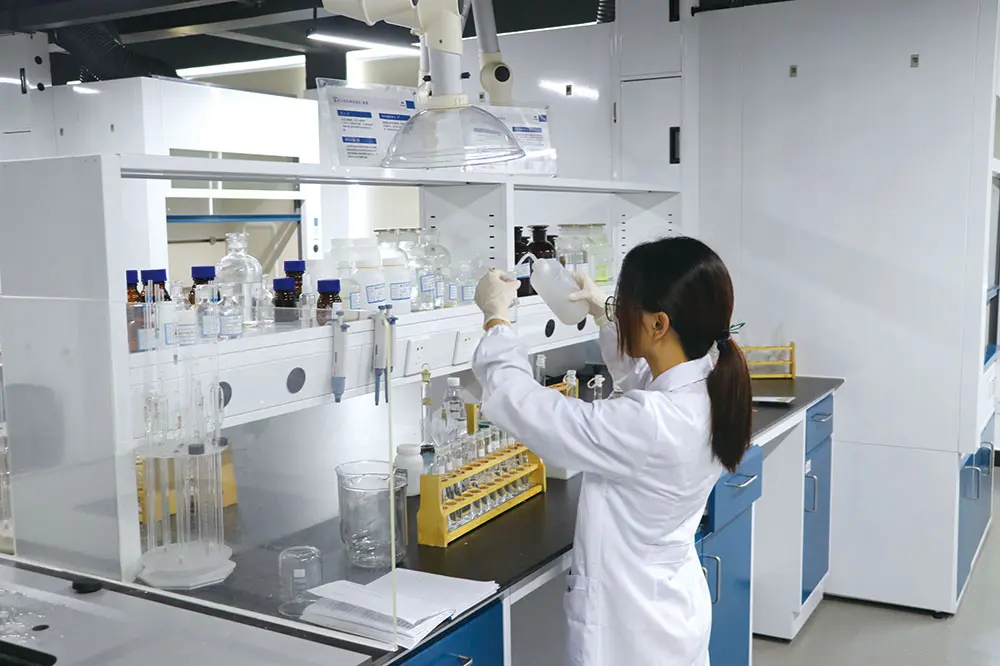
We operate two dedicated production bases: one in Jiangmen, Guangdong (10,000 m²), and a major complex in Yunfu, Guangdong (40,000 m²), equipped with comprehensive quality control, R&D testing, storage, and specialized logistics supporting facilities. Our annual production capacity exceeds 20,000 tons across more than 10 automated reactor lines. To guarantee strict quality control, our facilities operate under ISO9001 quality management system and ISO14001 environmental management system certifications, integrated with a fully computerized DCS system. We source high-grade domestic and imported raw materials, apply rigorous analytical methods, and work with top UV material academic experts to ensure absolute batch stability.
Engineered oligomers designed to solve formulation challenges across diverse manufacturing sectors.
Utilizing high-tack, low-yellowing polyurethane acrylates (e.g., Model 72027), our resins withstand extreme QUVA/QUVB exposure, thermal cycling, and chemical attack, ensuring long-term adhesion for pressure-sensitive tapes (PSA) and outdoor emblems.
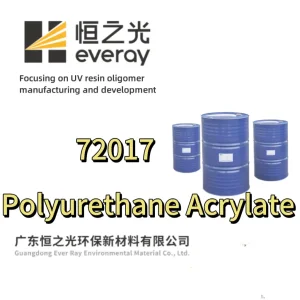
Our dual-curing (photo-thermal) oligomers (such as 72017) solve the limitation of shadow areas in dense 3D printed components. Delivering low isotropic volumetric shrinkage, crisp edge resolution, high heat deflection temperature (HDT), and structural toughness.
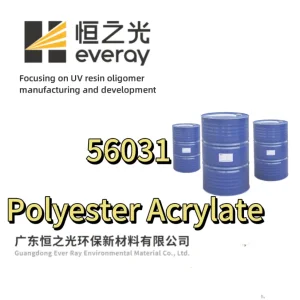
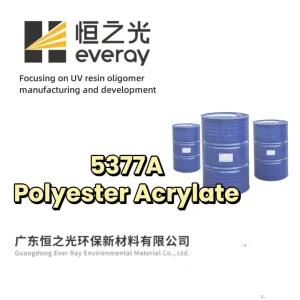
Low-viscosity, fast-reacting polyester acrylates (e.g., 5377A, 56031) provide fast wetting on polypropylene (OPP), polyethylene (PE), and PET films. They ensure rapid ink cure, low residual odor, zero migration, and brilliant color strength in high-speed printing presses.
Key quality indicators and evaluation steps when sourcing bulk pure acrylate oligomers internationally.
When selecting a pure acrylate oligomer manufacturer, purchasing directors and senior resin formulators must evaluate suppliers across four technical dimensions to guarantee seamless scalability and batch-to-batch consistency:
Polydispersity Index (PDI) directly impacts resin flow, pigment dispersion, and application viscosity. A narrow PDI achieved through DCS automated polymerization ensures predictable dilution ratios with reactive monomers (e.g., HDDA, TPGDA, TMPTA) and minimizes viscosity spikes during storage.
For food packaging varnishes, indoor PVC floor coatings, and consumer electronics, residual unreacted acrylic acid or volatile components cause unpleasant odor and potential skin sensitization. Premium manufacturers utilize wiped-film evaporators and advanced stripping techniques to ensure residual acrylic acid contents remain strictly below 0.1% (1000 ppm).
In complex geometric coatings or shadow-curing electronic encapsulants, combining UV photo-initiation with secondary thermal curing (isocyanate or epoxy reaction pathways) guarantees complete conversion in non-exposed areas, preventing un-cured liquid entrapment.
Full REACH registration (EU), TSCA inventory compliance (USA), and SVHC compliance are non-negotiable prerequisites. Sourcing directly from Guangdong Ever Ray ensures compliant documentation, SDS sheets, COA certifications, and robust bulk packaging options (200kg steel drums, 1000kg IBC tanks).
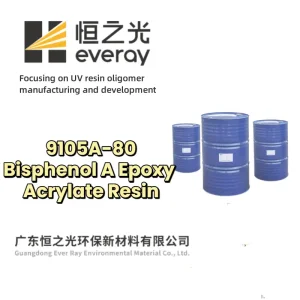
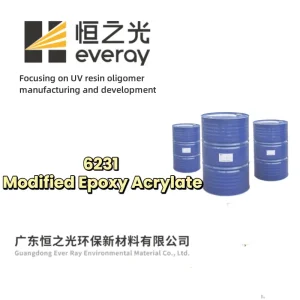
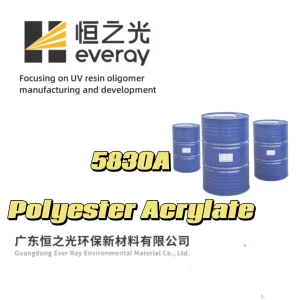
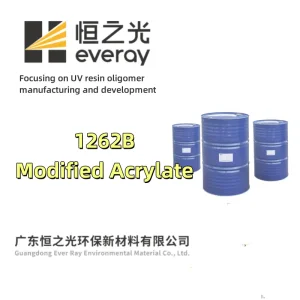
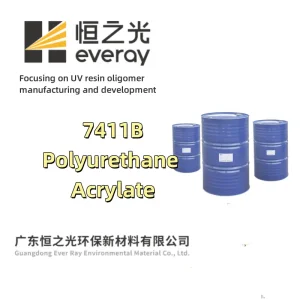
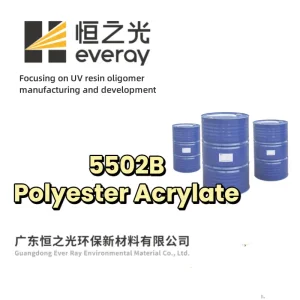
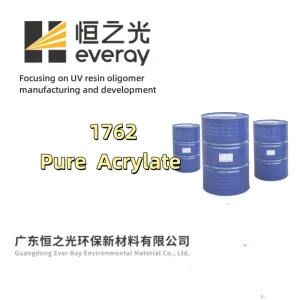
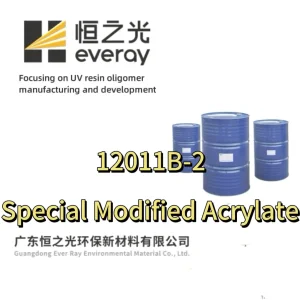
Browse our specialized product series engineered for wood coatings, PVC flooring, water-transfer printing, and high-chemical-resistance applications.
Expert answers to essential technical queries regarding pure acrylate oligomer formulation, curing performance, and procurement.
While epoxy acrylates offer high hardness and economical cost, pure acrylate and aliphatic polyurethane acrylate oligomers exhibit significantly higher yellowing resistance under outdoor UV exposure, superior hydrolytic stability, lower volumetric shrinkage, and exceptional long-term flexibility on plastics like PET, PC, and PMMA.
Our production facilities in Jiangmen and Yunfu operate under ISO9001 certification powered by a computerized DCS (Distributed Control System). We conduct rigorous quality control tests including Gas Chromatography (GC), Fourier-Transform Infrared Spectroscopy (FTIR) fingerprinting, GPC molecular weight tracking, and Brookfield viscosity checks on every production batch before release.
Our Polyester Acrylate series (e.g., Polyester Acrylate 5336 and 5377A) along with low-viscosity high-reactivity resins like 56031 are optimized for flexographic and gravure inks. They feature low viscosity, high pigment wetting capability, fast cure speeds, and low residual odor.
Yes. Supported by over 15 R&D technicians and holding more than 10 invention patents, Ever Ray provides custom oligomer synthesis and tailors parameters such as functionality, viscosity, glass transition temperature (Tg), and adhesion profile to meet specific OEM requirements.
When stored in original sealed containers, protected from direct sunlight, moisture, and temperatures below 30°C (86°F), our oligomers retain full quality for a minimum of 12 months. Maintaining an oxygen headspace in storage drums prevents premature thermal polymerization.
Dual-curing resins like Model 72017 initiate free-radical polymerization instantly under UV illumination, locking structural geometry. A secondary thermal cure post-process completes crosslinking in un-exposed shadow areas, ensuring ultra-low shrinkage, maximum mechanical strength, and elimination of internal stress.
 Ever Ray