Explore our high-performance, fast-curing monomers and modified oligomers sourced directly from our ISO-certified facilities.
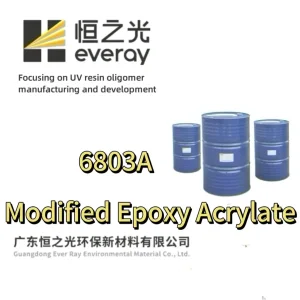
An authoritative analysis of quick-drying mechanisms, material optimization, and polymer engineering breakthroughs.
In modern industrial manufacturing, the demand for fast assembly, instantaneous drying, and superior surface properties has driven the transition from traditional, solvent-based slow-drying adhesives toward quick-drying epoxy systems and radiation-curable (UV) oligomers. As a leading manufacturer in this domain, Guangdong Ever Ray Environmental Material Co., Ltd. has established deep R&D expertise to address the challenges of shrinking polymerization, oxygen inhibition, and degradation under thermal or environmental stresses.
Traditional epoxies rely on slow polycondensation chemistry, often requiring hours of heating. In contrast, UV-curing epoxy acrylate resins undergo rapid free-radical polymerization initiated by ultraviolet light. This cross-linking process completes within seconds, providing high throughput, zero VOC emission pathways, and exceptional film integrity. These characteristics make them the ideal candidate for applications requiring high-gloss protection, chemical resistance, and durable structural bonding.
Industrial lines demand fast cycle times. By adjusting the ratios of acrylic oligomers and choosing high-reactivity photoinitiators, formulators can achieve deep cure depths and complete polymerization in less than 5 seconds under UV-LED arrays.
Polymerization shrinkage often causes interfacial failures and warping. Incorporating modified polyester acrylate structures and specialized dilutive monomers helps alleviate internal stress, maintaining strong adhesion on plastics, glass, and metals.
Bisphenol A epoxy acrylates can discolor under outdoor light. Utilizing modified aliphatic structures, anti-oxidants, and UV-stabilizers protects the chemical network, preventing yellowing and degradation over time.
Established in 2006, Guangdong Ever Ray Environmental Material Co., Ltd. is a high-tech enterprise focusing on the R&D and manufacturing of oligomers for UV curable resin. Our extensive chemical portfolio includes epoxy acrylate, polyurethane acrylate (waterborne, aliphatic urethane, aromatic urethane), polyester acrylate, pure acrylate, and other customized, functional modified acrylate oligomers.
We operate two production bases in Guangdong province. The first facility in Jiangmen occupies approximately 10,000 square meters. The second, larger facility in Yunfu spans around 40,000 square meters. Both factories feature dedicated quality control, storage, and logistics infrastructure, yielding an annual capacity of over 20,000 tons across 10 production lines. We are committed to technological development and sustainable environmental practices, designing chemical solutions that balance product performance and cost savings.
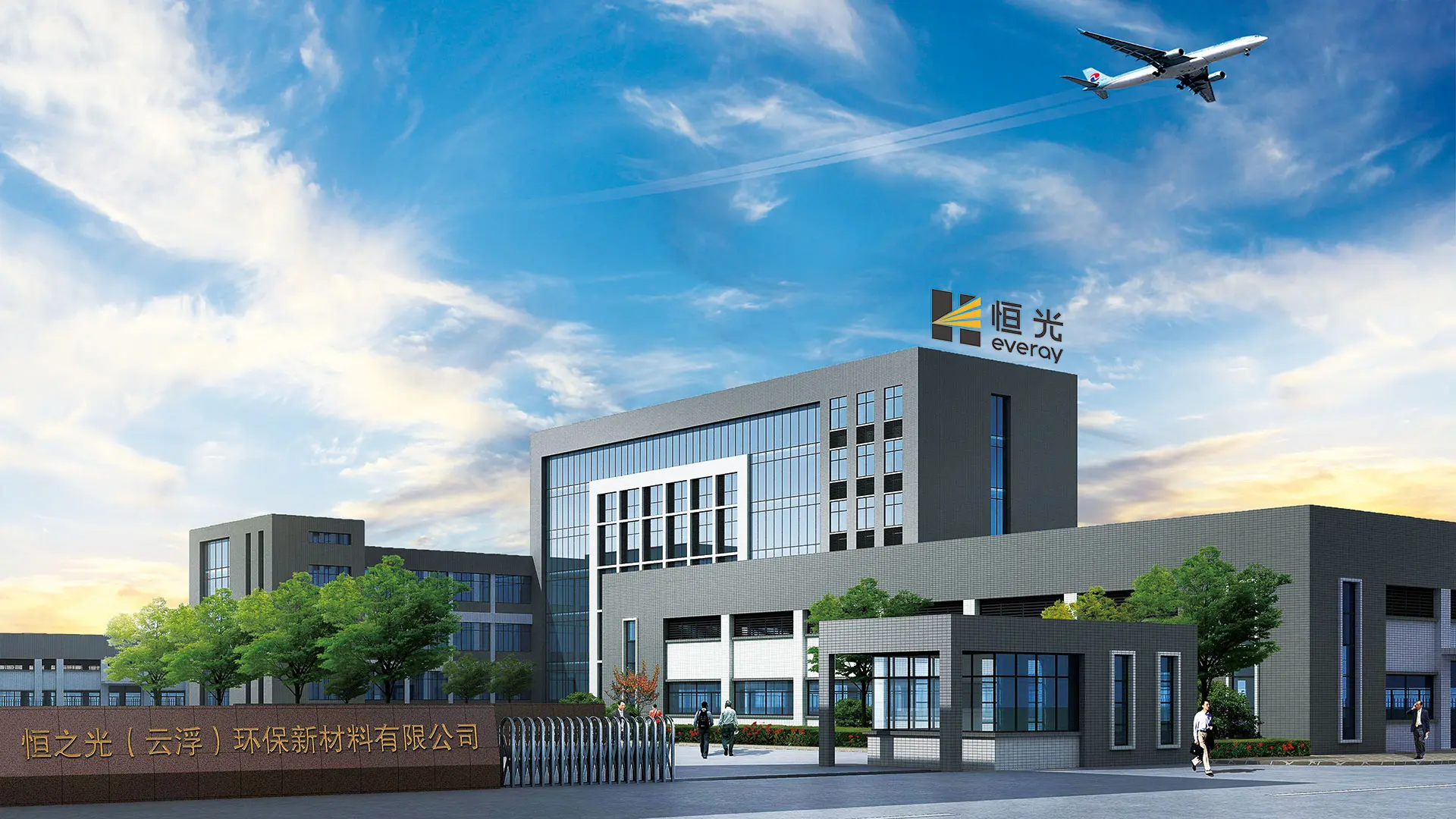
Our manufacturing facilities implement ISO9001 Quality Management and ISO14001 Environmental Management Systems. All production runs are monitored via advanced DCS computerized control systems, ensuring chemical consistency and safety.
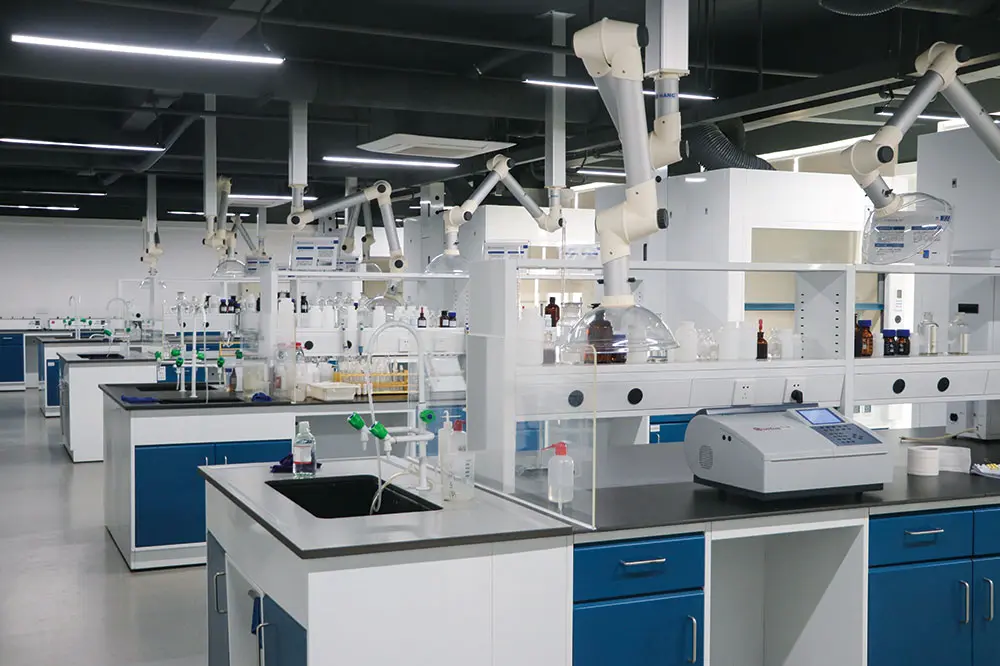
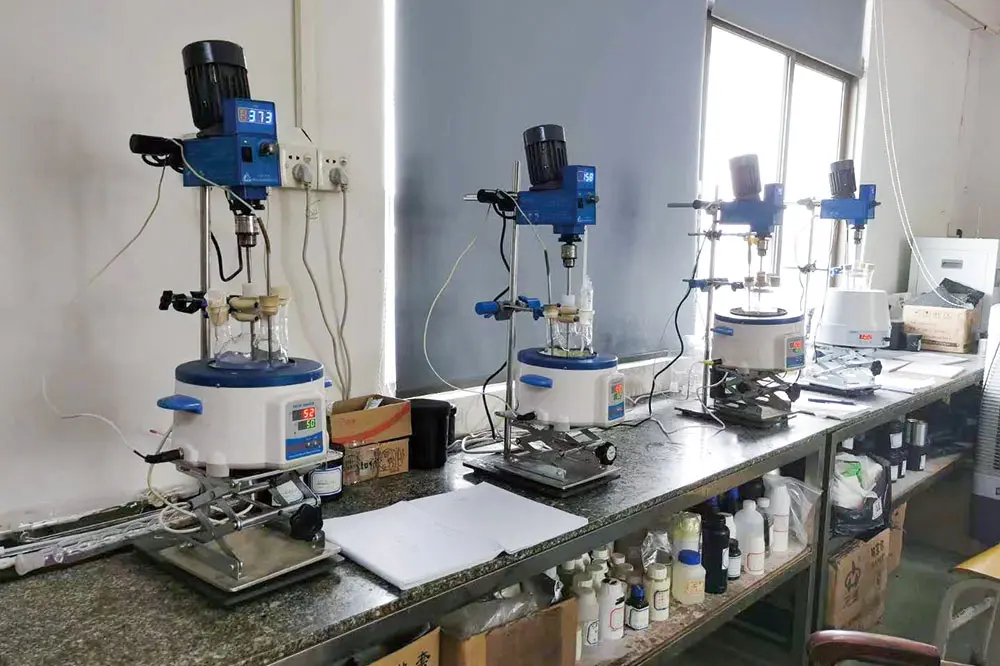
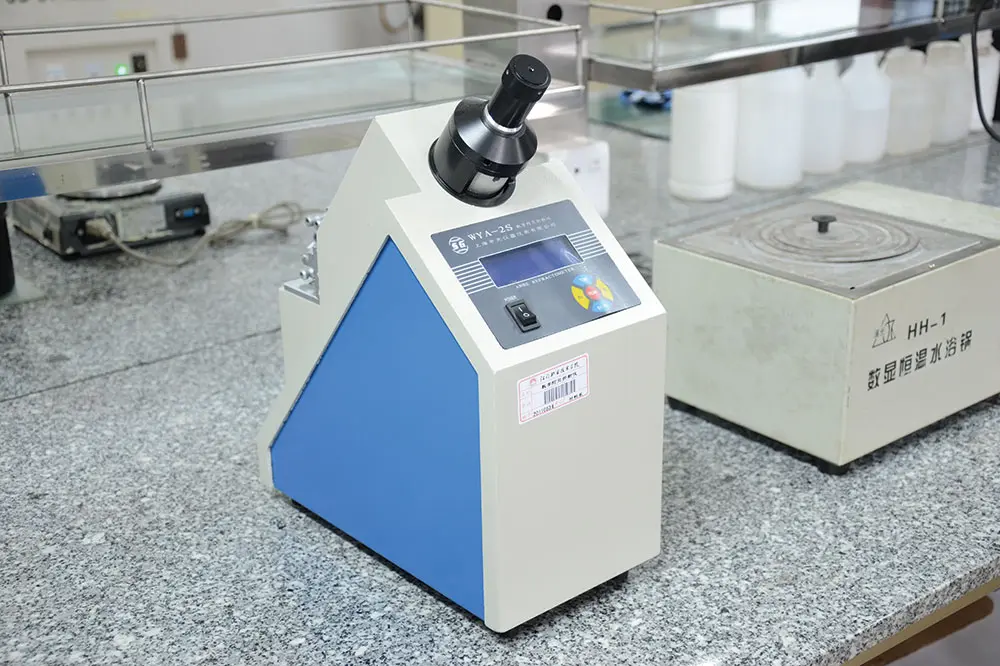
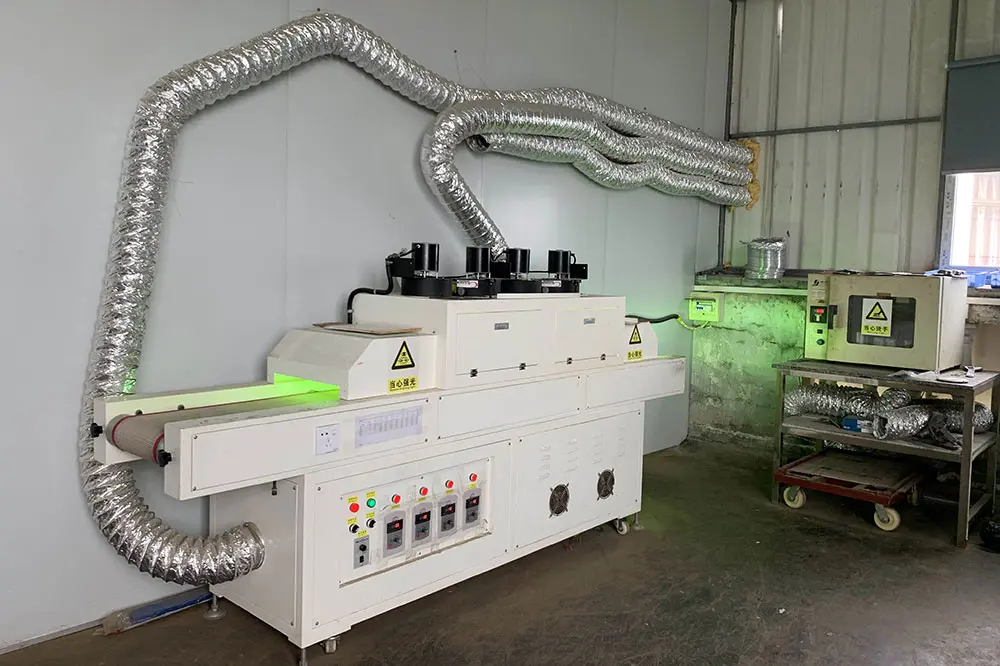
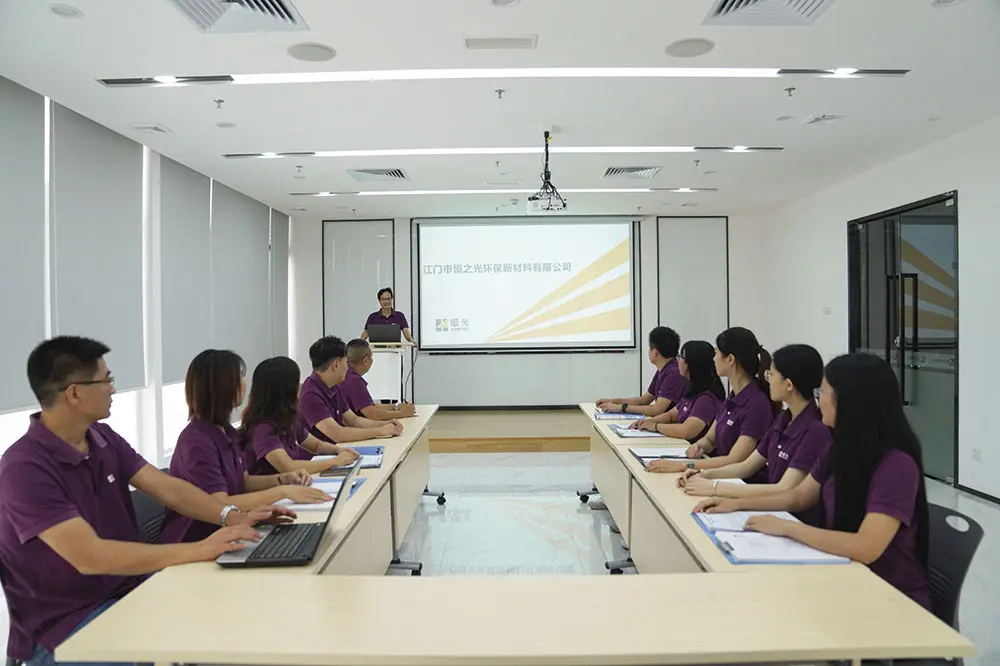
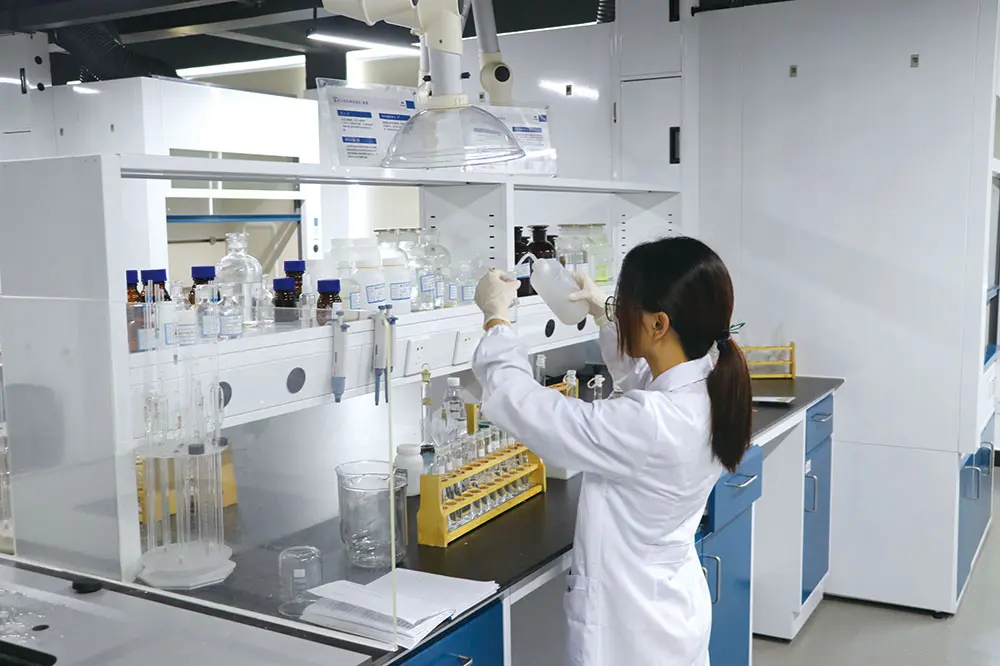
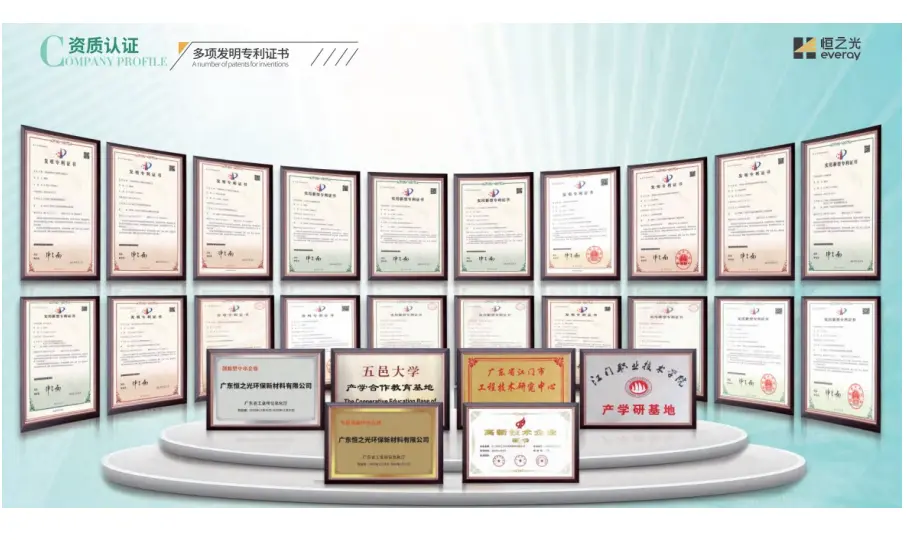
Guangdong Ever Ray holds more than 10 invention and utility patents. Supported by our 15-member R&D department, we continuously develop formulations that provide high reactivity, chemical resistance, and high gloss. Our team works closely with customers to deliver tailor-made formulations that optimize both performance and material costs for wood coatings, plastics, printing inks, and structural adhesives.
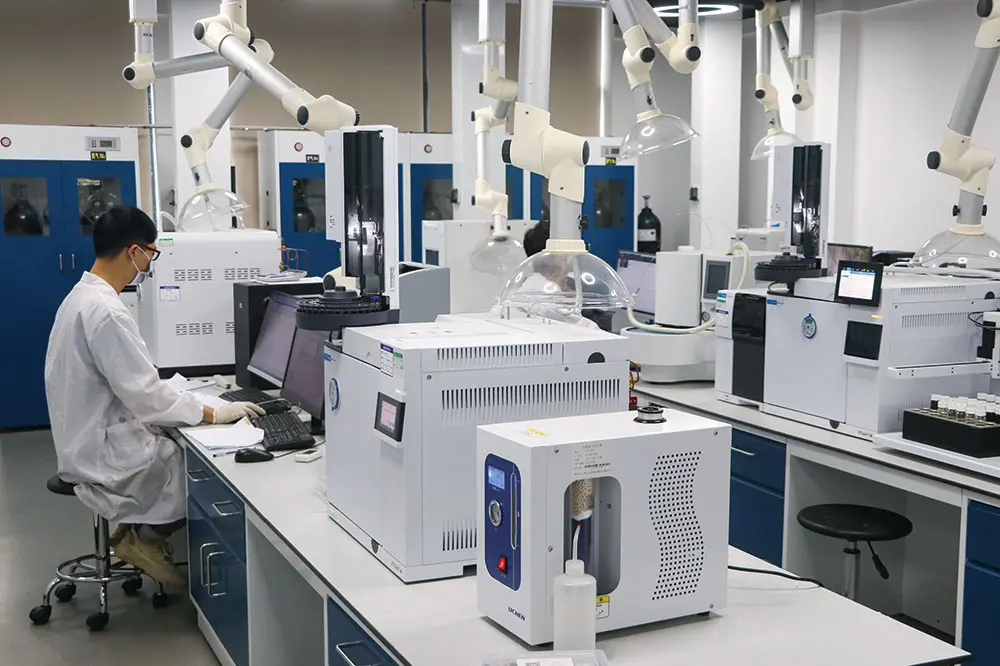
Deploying quick-drying epoxy formulations and UV-curable resins across demanding industrial sectors.
Our rapid-curing modified epoxies provide electric isolation and low-shrinkage encapsulation for PCBs, smart card chips, and consumer microelectronics, protecting sensitive components from moisture and thermal shock.
For paper, metal packaging, and flexible plastic substrates, our quick-drying oligomers allow high-speed printing presses to operate up to 400 m/min without smearing, providing immediate stackability and excellent adhesion.
We supply hard, scratch-resistant, and weatherable modified acrylics for automotive headlamps, interior plastic consoles, and external trim parts, ensuring long-term resistance to weathering and cleaning chemicals.
Continuous investment in research to meet emerging market and environmental demands.
| Development Phase | Target Chemical Innovation | Primary Performance Target | Target Industries |
|---|---|---|---|
| Phase 1: Present Core | Bisphenol A and Modified Epoxy Acrylates (e.g., 9105A-80, 61163) | Ultra-fast UV curing, high surface hardness, water-boiling resistance | Industrial wood coatings, screen printing varnishes, metal packaging inks |
| Phase 2: Transition | Waterborne Polyurethane Acrylates & Low-VOC Oligomers | Zero monomer emission, water-dilutable, tough elastomeric properties | Interior automotive plastics, sustainable food packaging, cosmetic containers |
| Phase 3: Future Horizon | Bio-based UV Oligomers & Cationic Hybrid Curing Resins | 50%+ renewable carbon content, shadows/dark area dark-cure reactions | Deep-section electronic casting, aerospace structural bonding, medical packaging |
Our R&D efforts focus on reducing dependency on petroleum-derived raw materials without sacrificing performance. By incorporating bio-based succinic acid and modified cardanol structures into our polymer backbones, we are developing a line of highly reactive oligomers with improved environmental profiles. Additionally, our engineering team is designing dual-cure systems (UV + moisture cure) to address shadow areas in complex geometries, ensuring reliable bonding across complex assemblies.
Leveraging domestic raw material integration and logistics proximity to ensure consistent global delivery.
Our position in the Pearl River Delta chemical manufacturing cluster provides us with direct access to key feedstocks (such as acrylic acid, epichlorohydrin, and diisocyanates). This integrated supply network stabilizes raw material costs and ensures production continuity, even during periods of global supply volatility.
Both our Jiangmen and Yunfu plants utilize DCS (Distributed Control System) automation. By computerizing temperature, pressure, feed rates, and vacuum levels in our reactor vessels, we achieve batch-to-batch consistency and reduce human error, maintaining stable performance properties in the final product.
Our facilities are located near major maritime ports in Guangzhou and Shenzhen, enabling efficient international shipping to regions including North America, Europe, Southeast Asia, and the Middle East. We maintain partnerships with ocean carriers and offer export compliance services (including GHS-compliant labeling, specialized packaging, and hazardous material documentation) to support timely global delivery.
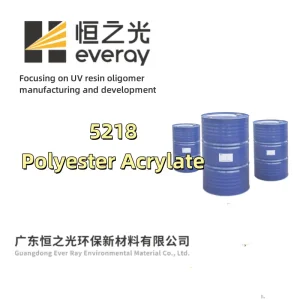
Shipping Packaging Configurations:
Adhering to international safety and environmental regulations to simplify your import workflow.
All exported resins and UV oligomers comply with global chemical regulations, including EU REACH registration, RoHS directives, and TSCA specifications. We provide complete, hazard-classified SDS reports in multiple languages.
We collaborate with client engineering teams to adjust viscosity, curing speed, and adhesion profiles. Samples are routinely produced and shipped within 3–5 working days to expedite your internal testing and validation processes.
Our experienced polymer chemists provide remote and on-site troubleshooting for formulations, coating application techniques, and UV source calibration, helping clients maximize production yield and eliminate surface defects.
Technical and logistical insights for B2B procurement managers and research formulation chemists.
Epoxy acrylates (such as Bisphenol A types) generally offer higher surface hardness, faster curing kinetics, and superior chemical resistance at a more economical price point. Polyurethane acrylates, on the other hand, provide higher flexibility, elongation at break, and impact resistance. They are typically used in applications where the substrate is subject to bending or thermal expansion.
Our quality management system is certified to ISO9001 and ISO14001. We control key manufacturing parameters through an advanced DCS computerized automated control system. Furthermore, we test every batch of raw materials and finished oligomers using Gel Permeation Chromatography (GPC), Gas Chromatography (GC), and Brookfield viscometers to verify molecular weight distribution and viscosity compliance.
Yes. We offer pure oligomers as well as cut grades pre-diluted with monomers such as TMPTA, TPGDA, DPGDA, or IBOA to achieve target viscosity ranges. Our technical department can customize dilution levels to match your application process (e.g., roller coating, spray coating, or screen printing).
For standard catalog products, we maintain buffer stock to support dispatch within 7–10 days from receipt of deposit. Custom formulations or bulk orders typically require 15–21 days for production, quality release, and logistics preparation.
Our resins contain stabilization inhibitors. They should be stored in their original, sealed, opaque containers in a cool, dry, well-ventilated area away from direct sunlight, UV sources, and temperatures exceeding 40°C. Correct storage maintains product stability for at least 12 months.
Select from our modified acrylates and specialized resins to optimize your product formulations.
 Ever Ray