Buy UV Resin Manufacturers & Factories

Your Authoritative Guide to Global Sourcing, Technical Compliance, and High-Performance Polyurethane, Epoxy, & Polyester Acrylate Oligomers

Featured Industrial UV Resins & Oligomers

Explore our high-performance standard product range directly supplied from our advanced ISO-certified factories.
High-Quality Polyester Acrylate 5335F

High-Quality Polyester Acrylate 5335F A High-Performance Solution for Offset Inks Suppliers, Factory

View Details
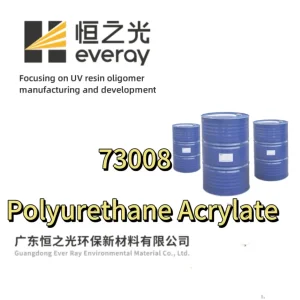
High-Quality 73008 Low-Shrinkage Polyurethane Acrylate

High-Quality 73008 Low-Shrinkage Polyurethane Acrylate Resin for Electronic Potting & Metal Coating | High Temp Anti-Yellowing UV Oligomer Manufacturers, Products

View Details
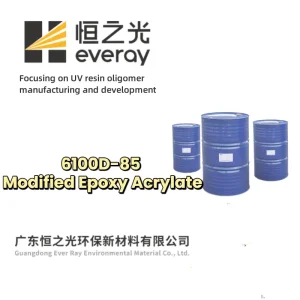
High adhesion 6100D-85 epoxy acrylate

Buy High adhesion 6100D-85 epoxy acrylate for UV wood coating applications, etc. Supplier, Suppliers

View Details
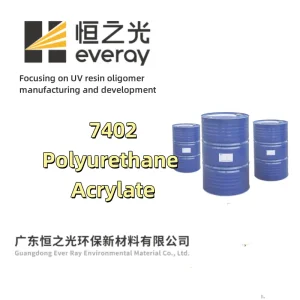
Wholesale Fast curing 7402 Polyurethane Acrylate UV resin

Wholesale Fast curing 7402 Polyurethane Acrylate UV resin for high quality coatings Supplier, Product

View Details
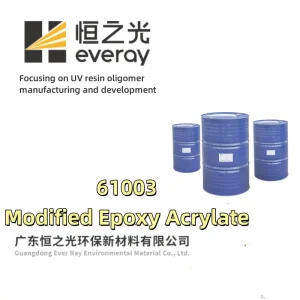
Wholesale 61003A UV resin

Wholesale 61003A UV resin in UV plastic-film varnish and LED-UV Packaging Manufacturers, Factories

View Details
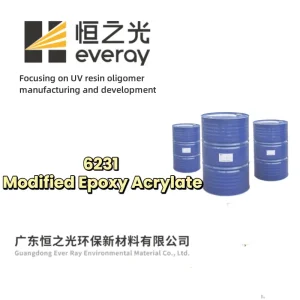
High-Quality 6231 Modified Epoxy Acrylate

High-Quality 6231:Curing modified epoxy acrylate with excellent leveling properties Manufacturer, Supplier

View Details
High-Quality Scratch resistant 4600 hyperbranched acrylic UV resin

High-Quality Scratch resistant 4600 hyperbranched acrylic UV resin :suitable for varnish and ink Suppliers, Factories

View Details
High-Quality PUA 7291B

High-Quality A Revolutionary Choice Empowering High-End UV Applications: PUA 7291B Manufacturer, Supplier

View Details

Whitepaper: Industrial UV-Curing Oligomers & Global Procurement Systems

A technical guide analyzing formulation kinetics, factory selection benchmarks, and environmental compliance frameworks.

In the rapidly evolving landscape of advanced chemical formulations, the transition from thermal curing to ultra-violet (UV) curable systems represents one of the most critical steps toward efficiency and ecological sustainability. As global manufacturing targets net-zero carbon footprints and stricter limits on volatile organic compound (VOC) emissions, UV-curable monomers and oligomers have emerged as the foundational chemistry of choice for high-speed coating, printing, packaging, and electronics assembly operations.

Purchasing raw UV materials at industrial scales requires a comprehensive understanding of both polymerization kinetics and chemical supply chain architectures. B2B procurement managers and formulation chemists face the dual challenge of identifying oligomers that exhibit precise physical performance characteristics—such as customized crosslinking density, tensile strength, substrate adhesion, and yellowing resistance—while ensuring that suppliers can guarantee uninterrupted global supply, regulatory conformity (such as REACH, TSCA, and RoHS), and absolute batch-to-batch quality consistency.
18+ Years R&D Experience
50,000+ SQM Production Area
20K+ Tons Annual Capacity
10+ Invention Patents

Guangdong Ever Ray Environmental Material Co., Ltd. - Overview

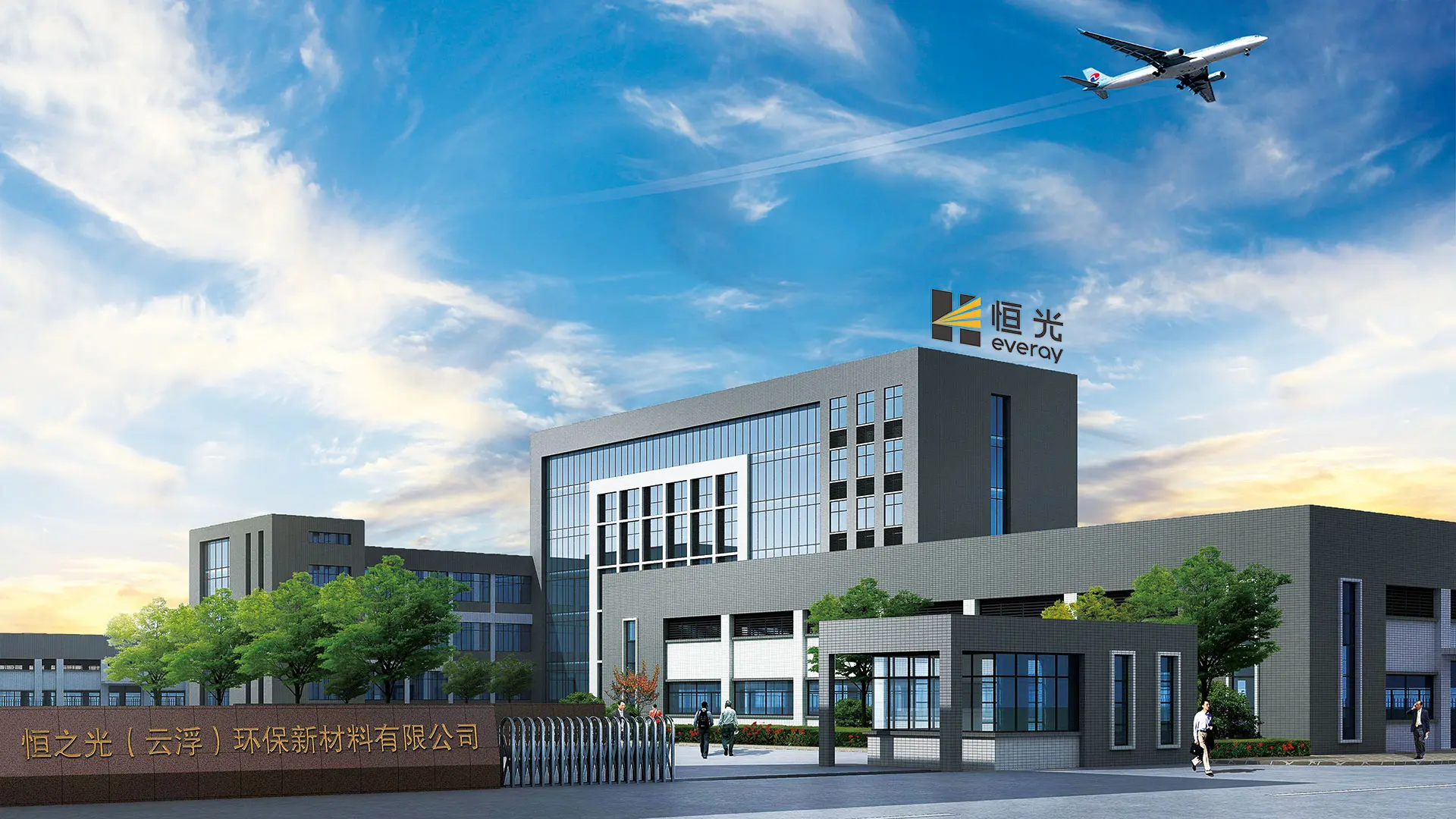
Guangdong Ever Ray Manufacturing Facility

About Our Company

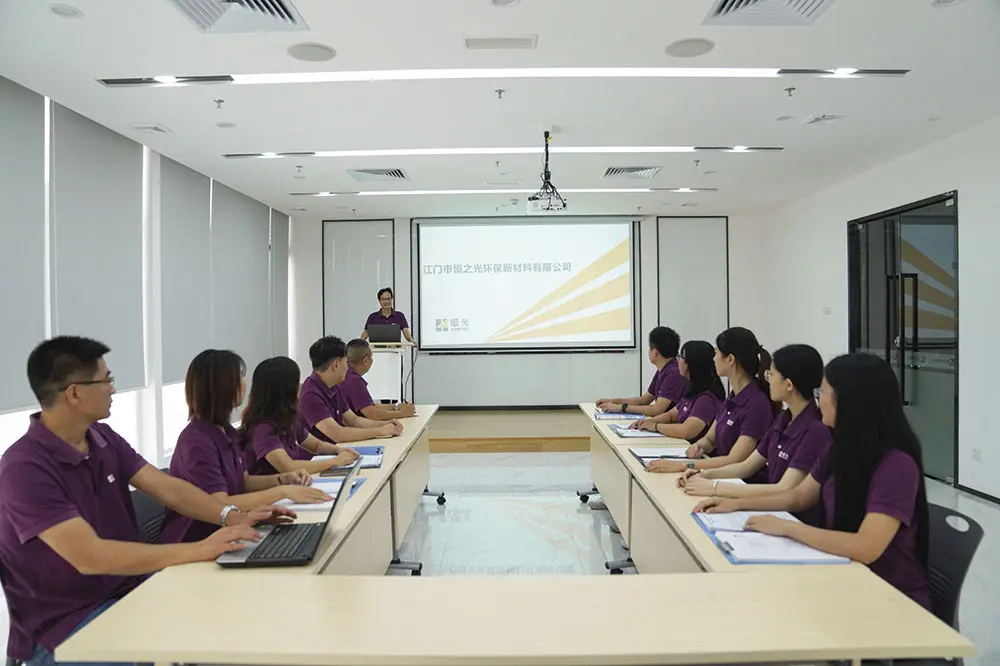
Guangdong Ever Ray Environmental Material Co., Ltd. established in 2006, is a high-tech enterprise focusing on the R&D and manufacturing of oligomers for UV curable resin such as epoxy acrylate, polyurethane acrylate (waterborne, aliphatic urethane, aromatic urethane), polyester acrylate, pure acrylate, and other special functional modify acrylate oligomers.
Productive Capacity & Infrastructure
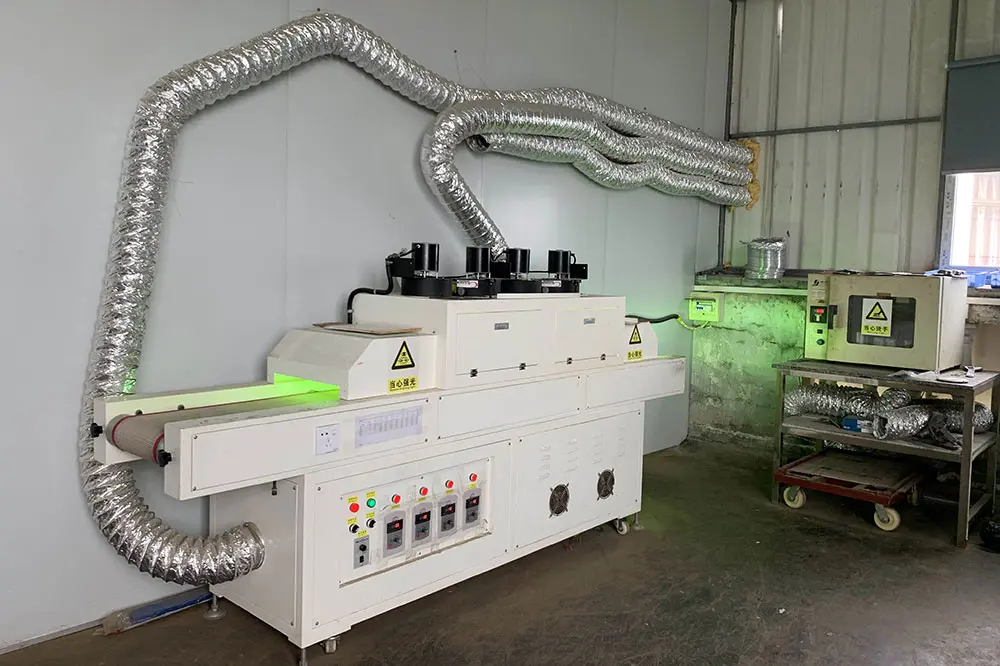
We have two production bases, one is in Jiangmen, Guangdong, with a production area of about 10,000 square meters, while the other is in Yunfu, Guangdong, with a production area of around 40,000 square meters. Both facilities are complete with quality control, storage, and logistics supporting facilities. Our annual production capacity exceeds 20,000 tons with more than 10 highly automated production lines. To ensure rigorous quality control, the factory is certified under the ISO9001 quality management system and the ISO14001 environmental management system, operating under a flexible and advanced DCS fully computerized control system. Moreover, we select high-quality domestic and foreign raw materials, adopt advanced scientific management methods, and consult with domestic UV material experts to ensure production safety and consistent product quality.
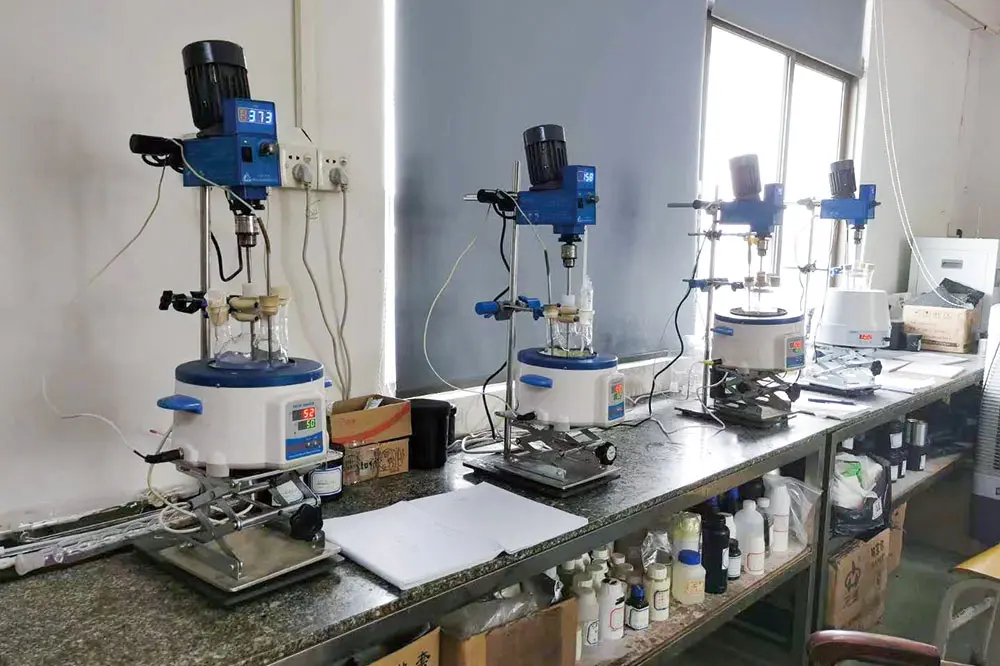
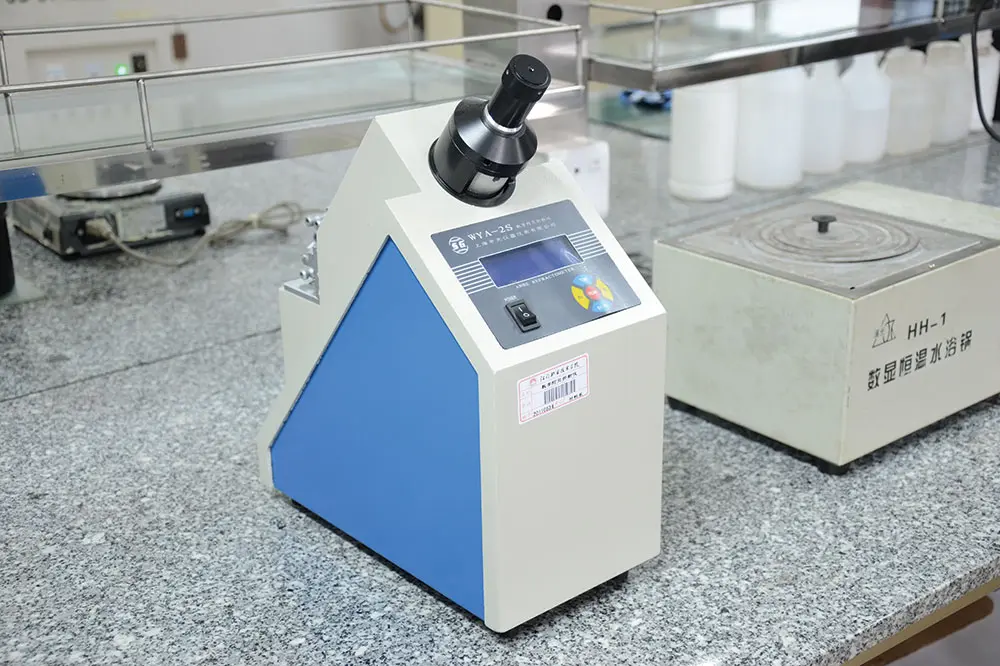
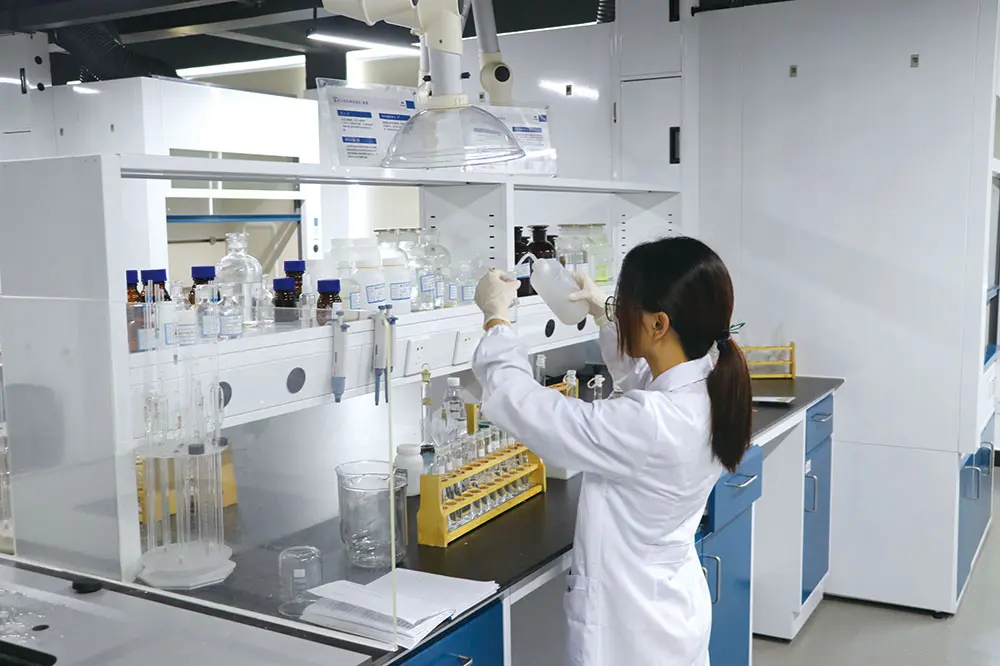
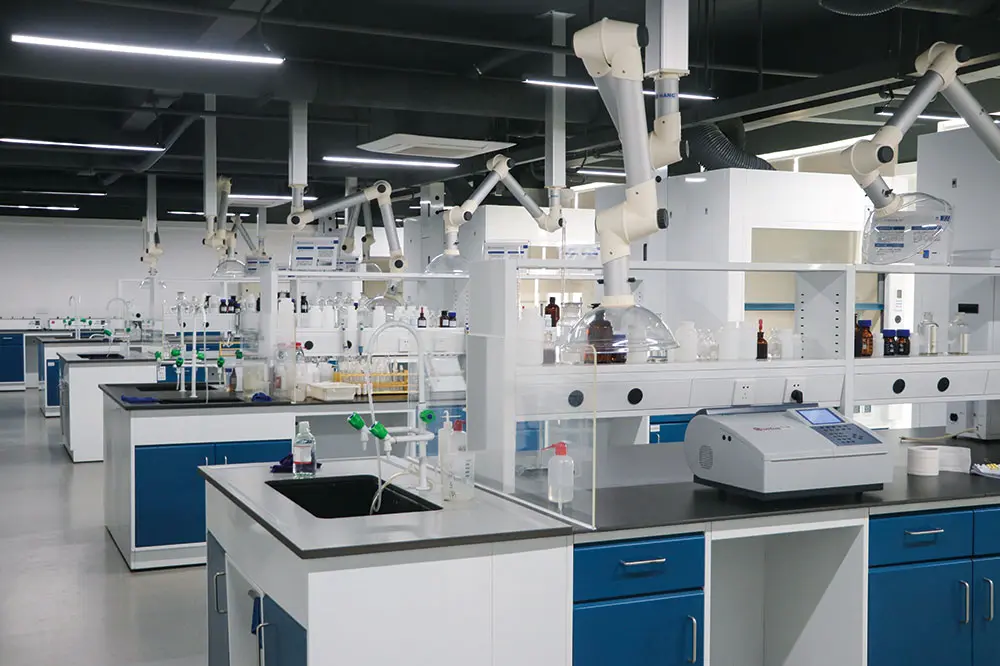
Ever Ray Production Line 1 Ever Ray Production Line 2 Ever Ray QC Laboratory Ever Ray Chemical Storage Ever Ray DCS Control Center Ever Ray Raw Materials Stock
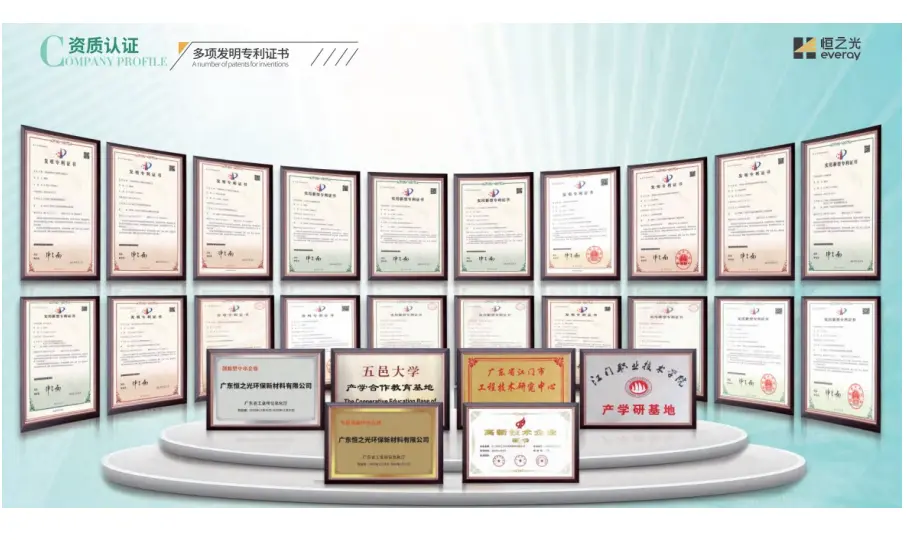
We hold more than 10 invention patents and practical utility patents. With over 15 dedicated technicians in our R&D department, we develop formulations that provide high reactivity, chemical resistance, and high gloss for a wide variety of applications, including wood coatings, plastics, packaging inks, adhesives, and electronics potting. We supply customized chemical structures and blends to meet client-specific functional requests while driving down costs. By aiming for technology and environmental protection to coexist in harmony, science and technology serve as our main driving force for future development as we continue to pursue green chemical engineering.
Ever Ray Certification and Environmental Badges

Key Strategic Advantages of Sourcing UV Resins from Chinese Factories

Purchasing direct from Chinese UV resin factories provides significant performance and commercial advantages for international buyers. Understanding these systemic factors helps procurement teams maximize margin and product stability:

Complete Supply Chain Integration

Southern and Eastern China represent the world's most concentrated chemical clusters. Upstream monomer precursors like acrylic acid, polyols, and diisocyanates are sourced locally, insulating factories from global raw material shocks.

Technical Agility & Customization

With massive R&D engineering pools, Chinese manufacturers customize parameters such as curing speed, shrinkage control, and viscosity in days. This rapid deployment of tailored formulation modifications provides an edge over western peers.

DCS Digital Quality Control

Modern Chinese plants rely on Distributed Control Systems (DCS). Fully computerized reactors control feed ratios, temperature profiles, and reaction runtimes to eliminate human error and maintain low dispersion indexes across production runs.

Macro-Industry Application Solutions

Acrylate oligomers form the mechanical backbone of cured networks. Tailored chemical design matches specific macro-industry technical demands:

  • UV-Curable Wood Coatings: Standard formulations require high-adhesion epoxy acrylates (such as 6100D-85) to provide scratch and chemical resistance on wood veneers. Modifiers like hyperbranched acrylates lower viscosity without needing solvent dilution, preserving film thickness.
  • Electronic Encapsulation & Potting: Modern printed circuit boards (PCBs) require low-shrinkage polyurethane acrylates (such as 73008) to prevent stress cracking on delicate solder joints. These resins provide excellent dielectric properties, moisture barrier protection, and high-temperature yellowing resistance under thermal load.
  • Graphic Arts & Packaging Inks: High-speed lithographic and flexographic processes demand high-reactivity polyester acrylates (such as 5335F) that cure instantly under UV lamps. For indirect food contact packaging, low-migration oligomers limit monomer contamination risk.
  • Automotive & Metal Finishes: Exterior metal coatings require aliphatic polyurethane acrylates due to their superior weatherability, high UV stability, and resistance to stone chipping and moisture damage.

Strategic Trends Driving the UV Curable Chemical Industry

Technological advancement is currently driven by four critical market trends:

  1. The Rise of LED-UV Curing: Conventional mercury vapor bulbs emit significant ozone and generate high heat. LED curing (at 365nm, 385nm, or 395nm wavelengths) requires highly reactive oligomers that match narrow LED output ranges. We design specialized resins (such as 61003A) specifically for LED-UV packaging varnishes.
  2. Transition to Waterborne UV Systems (UV PUA): Waterborne polyurethane acrylates combine the low viscosity and easy clean-up of water-dispersible resins with the instant curing and high-performance physical properties of UV radiation, eliminating solvent use in wood and spray coatings.
  3. Bio-Based Oligomers: With increasing corporate ESG commitments, chemical manufacturers are modifying acrylate backbones with vegetable oils, itaconic acid, and bio-derived succinic acid to supply sustainable alternatives without reducing final film performance.
  4. Dual-Curing Systems: For complex 3D shapes or opaque components containing shadow zones, dual-cure resins (combining UV radical polymerization with thermal or moisture-cure pathways) ensure full cure across the entire part profile.

Technical Q&A: Sourcing & Optimizing UV Oligomers

Get answers to critical chemical, application, and procurement questions directly from our R&D engineering team.

Q1: How do aliphatic and aromatic polyurethane acrylates (PUA) compare in outdoor applications?
Aliphatic polyurethane acrylates use non-aromatic diisocyanates (such as IPDI or HDI) in their backbones, which do not absorb UV light or form chromophores that lead to discoloration. This makes them highly resistant to weathering, yellowing, and degradation under sunlight, making them ideal for outdoor coatings and automotive topcoats. Aromatic PUAs use diisocyanates like TDI or MDI, which provide higher hardness and cost efficiency but yellow quickly under UV exposure, making them better suited for indoor coatings, wood sealers, and electronics encapsulation.
Q2: What causes shrinkage in UV-cured polymers, and how can it be reduced?
Shrinkage occurs during polymerization because van der Waals forces between liquid monomers are replaced by covalent bonds, which are much shorter. High crosslinking density (often found in small, multi-functional acrylates) leads to higher shrinkage, which can cause poor adhesion, warping, and internal stress. To reduce shrinkage, formulators use high-molecular-weight oligomers, low-functional monomers, or specialized low-shrinkage polyurethane acrylates (such as our 73008 grade). Incorporating hyperbranched acrylates also helps control shrinkage while maintaining fast cure rates.
Q3: What parameters are critical to check when importing UV oligomers from China?
Procurement teams must verify chemical compliance certificates including REACH registration (for the EU), TSCA status (for the USA), and RoHS compatibility. Key technical parameters on the Certificate of Analysis (COA) to monitor include viscosity (measured in mPa.s at a specified temperature), acid value (mg KOH/g, indicating stability), color index (Gardner or APHA), and molecular weight distribution. Requesting batch-to-batch polymer chromatograms ensures that molecular weight remains consistent across shipments.
Q4: Why does oxygen inhibition occur during UV curing, and how can it be resolved?
Atmospheric oxygen reacts with active radicals to form stable peroxy radicals, which slows or stops radical polymerization at the coating surface, leaving a tacky film. This can be resolved by increasing photoinitiator concentration, curing under an inert gas (like nitrogen) blanket, using high-intensity UV lamps, or adding tertiary amine co-initiators. Chemically, incorporating polyester acrylates or amine-modified acrylates into the formulation helps reduce oxygen inhibition.
Q5: What is the typical shelf life of acrylate oligomers, and how should they be stored?
Most standard acrylate oligomers have a shelf life of 6 to 12 months when stored in original, unopened containers. Because these resins are heat and light-sensitive, they must be stored in cool, dry, and well-ventilated warehouses between 5°C and 30°C. They must be kept away from direct sunlight, UV light sources, and heat sources. Since stabilization inhibitors require a small amount of dissolved oxygen to prevent premature gelation, containers should not be nitrogen blanketed during storage.

Extended Technical Product Catalog

Find specialized formulations for high-adhesion wood coatings, durable electronics potting, and non-yellowing adhesive systems.
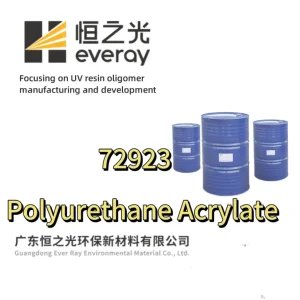
Buy 72923 Fast-Cure Non-Yellowing Polyurethane Acrylate Resin

Buy 72923 Fast-Cure Non-Yellowing Polyurethane Acrylate Resin for UV Peelable adhesive Supplier, Factories

View Details
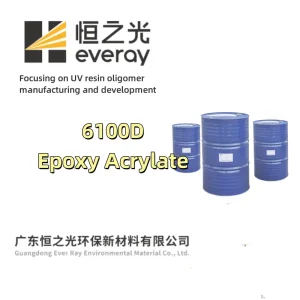
Buy 6100D Epoxy Acrylate UV Resin

Buy 6100D Epoxy Acrylate UV Resin: Excellent brightness and shrinkage resistance for UV inks Supplier, Products

View Details
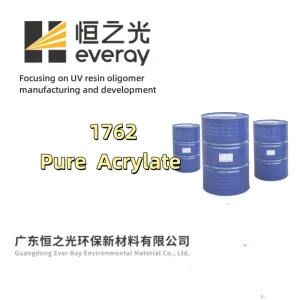
High-Quality 1762 UV resin as adhesive

High-Quality 1762 UV resin as adhesive: durable and anti-yellowing, high bonding strength Manufacturer, Factories

View Details
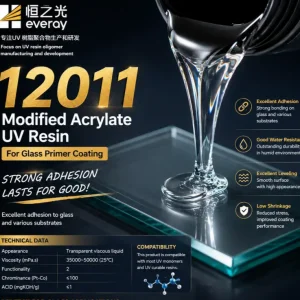
High-Quality 12011 Modified Acrylate UV Resin

High-Quality 12011 Modified Acrylate UV Resin for Glass Primer Coatings | Excellent Adhesion & Boiling Water Resistance Supplier, Product

View Details
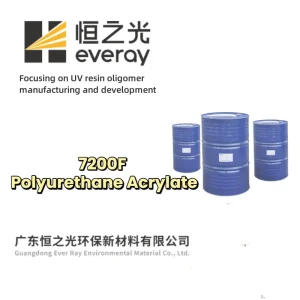
Buy Durable 7200F polyurethane acrylate

Buy Durable 7200F polyurethane acrylate: suitable for heat-resistant and cold-resistant UV coatings Supplier, Product

View Details
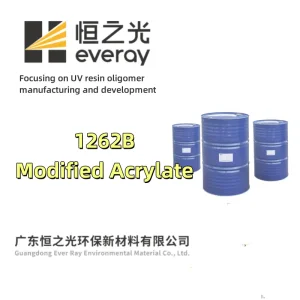
Buy Low viscosity 1262B

Buy Low viscosity 1262B: suitable for PVC floor coating applications Manufacturers, Supplier

View Details
High-Quality Low shrinkage 1290H

High-Quality Low shrinkage 1290H can apply for PVC floor coating applications Manufacturer, Factory

View Details
Wholesale 6106 Fast-Curing Modified Epoxy Acrylate Oligomer

Wholesale 6106 Fast-Curing Modified Epoxy Acrylate Oligomer—High Adhesion, Flexible & Yellowing-Resistant UV Resin 产品买家热搜关键词 Manufacturer, Supplier

View Details