High-Quality Acrylic UV Glue Factory & Products

Next-Generation Industrial UV-Curable Resins & Tailored Chemical Solutions for Global Scale Manufacturing

Featured UV Curable Oligomers & Resins

Explore our industrial grade acrylic prepolymers formulated for advanced coatings, high-speed inks, and high-performance adhesives.
Polyester Acrylate 5336

Polyester Acrylate 5336 – The Ideal Resin for High-Performance UV Inks and Varnishes

View Specifications
Modified Epoxy Acrylate Resin

High-Quality 61003A Fast Curing Tough Yellowing Resistant Modified Epoxy Acrylate Resin - UV Oligomer for Potting & Varnish

View Specifications
Polyester Acrylate Resin 5026F

High-Quality Superior Low Shrinkage Polyester Acrylate Resin 5026F: Wide Application in Various Substrates’ Varnish and Ink Systems

View Specifications
Polyester Acrylate 5377A

Polyester Acrylate 5377A – The Ideal Choice for Flexographic UV Inks Manufacturer

View Specifications
Polyurethane Acrylate Oligomer

Wholesale Anti-Yellowing Polyurethane Acrylate Oligomer-High Flexibility UV Resin for Adhesive and Nail Gel

View Specifications
Polyester Acrylate 5403-2F

High-Quality Polyester Acrylate 5403-2F – A Reliable Choice for High-Quality UV Inks

View Specifications
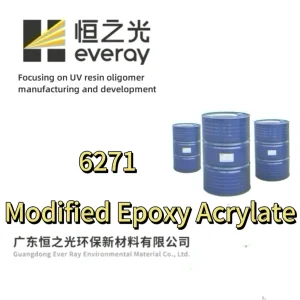
6271 UV Resin

High-Quality Durable 6271 UV resin: very suitable for UV adhesive with low yellowing risk

View Specifications
Polyurethane UV Resin

Buy Low heat release 72583 polyurethane UV resin for nail extension glue and 3C coating

View Specifications
Industry Insight & Technical Depth

Understanding the Chemistry of Acrylic UV Glues and Resins

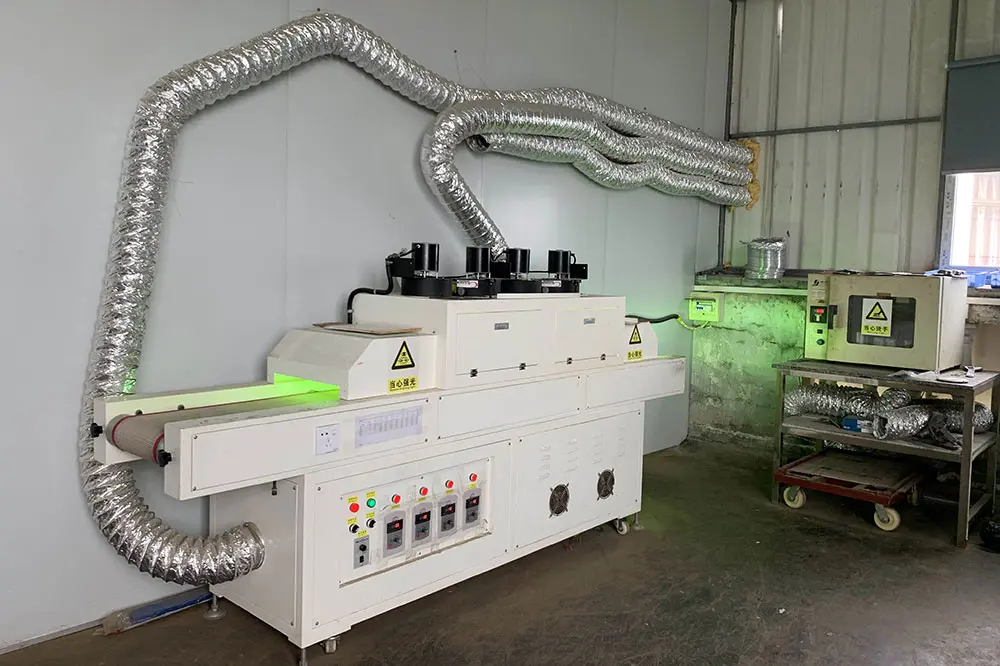
In the field of modern industrial adhesives and functional surface coatings, Acrylic UV-curable glues represent a landmark breakthrough in formulation chemistry. Unlike traditional solvent-based thermal curing systems, UV photopolymerization utilizes high-intensity ultraviolet irradiation to trigger rapid cross-linking reactions. The formulation typically consists of oligomers, reactive diluents (monomers), photoinitiators, and auxiliary functional additives.

The structural performance of acrylic UV glue is primarily dictated by the chemical architecture of its base oligomers. Epoxy Acrylates are favored for their exceptionally fast curing speed, high hardness, and superior chemical resistance, making them ideal for heavy-duty metal and glass protection. However, they can lack flexibility.

To address brittle cracking, chemists formulate with Polyurethane Acrylates (PUA), which offer high elongation, toughness, impact resistance, and weatherability. Polyester Acrylates provide a vital middle ground, balancing moderate viscosity, low shrinkage, and excellent substrate wetting characteristics. By tailoring the ratio of these prepolymers, factories create custom acrylic UV formulations for highly specialized substrates such as PET, PC, and metallic surfaces.

E-E-A-T Factory Focus

Guangdong Ever Ray: Scaling UV Oligomer Infrastructure

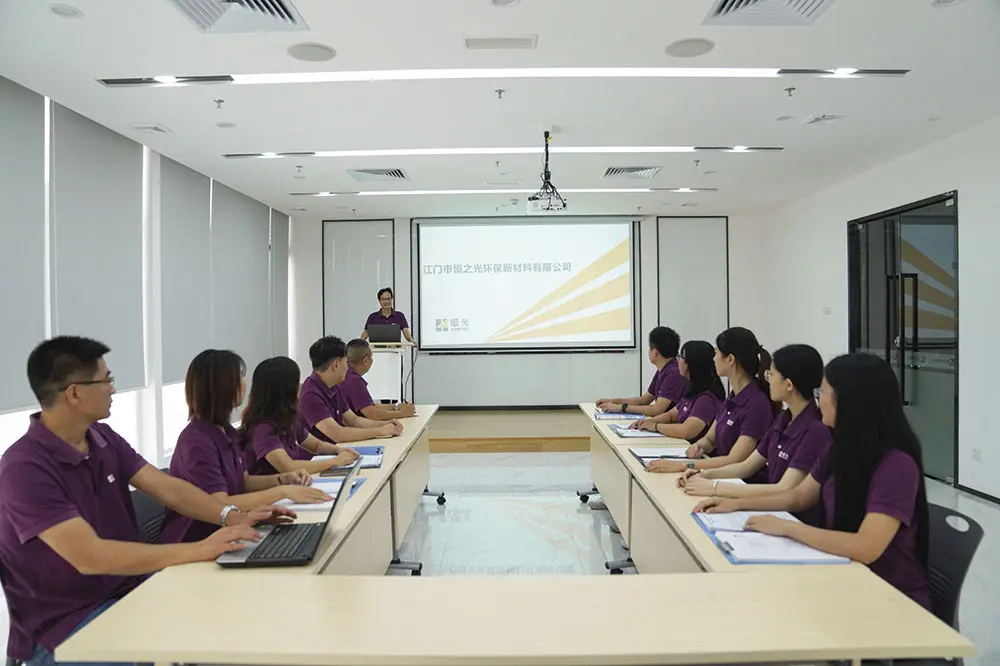
Established in 2006, Guangdong Ever Ray Environmental Material Co., Ltd. has evolved into a leading high-tech enterprise focusing on the R&D and manufacturing of oligomers for UV curable resin. Our comprehensive portfolio spans epoxy acrylates, polyurethane acrylates (waterborne, aliphatic urethane, and aromatic urethane), polyester acrylates, pure acrylates, and special functional modified acrylate oligomers.

Ever Ray operates two advanced manufacturing facilities in Guangdong Province:

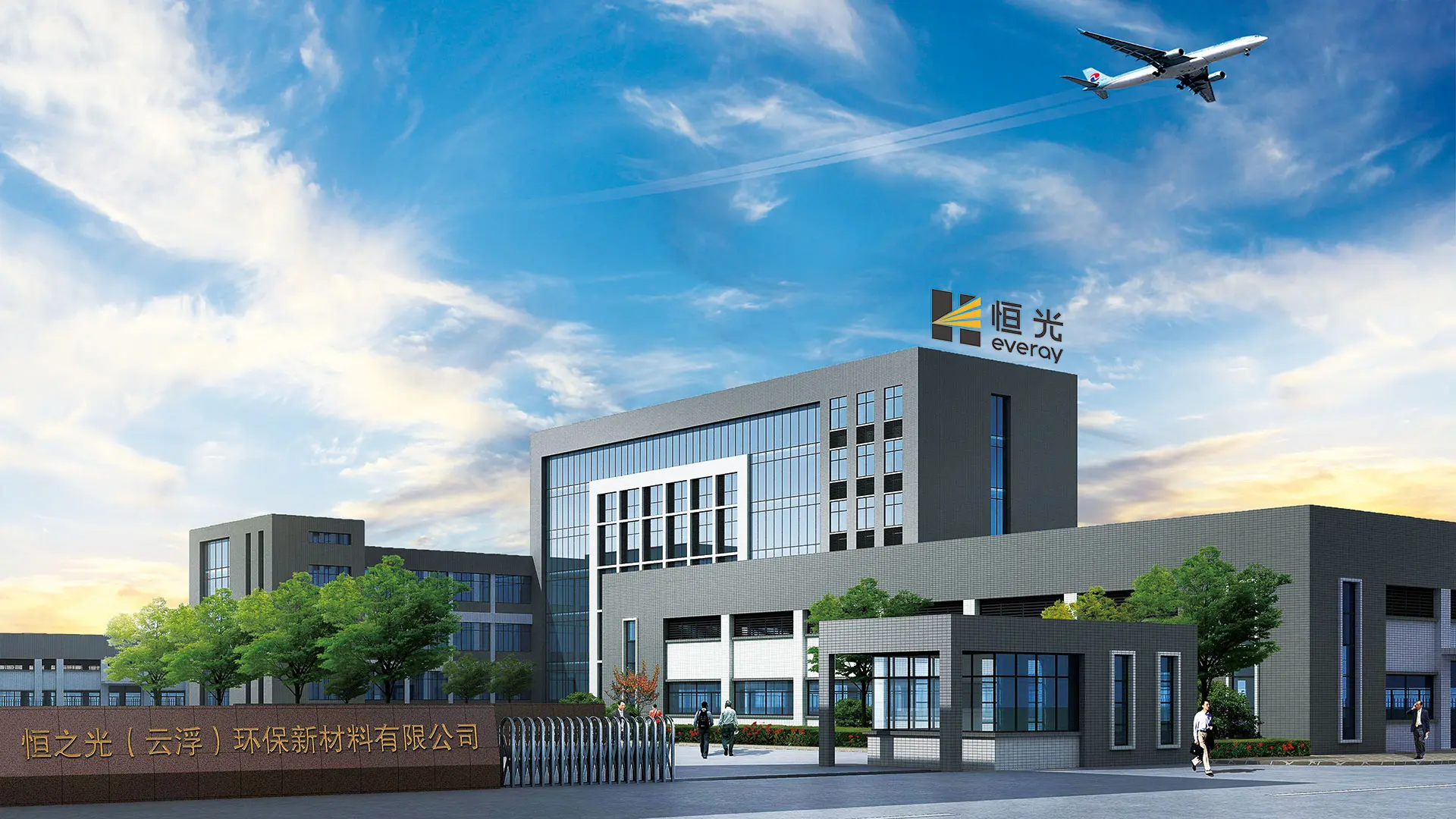
  • Jiangmen Production Base: Encompassing approximately 10,000 square meters, optimized for high-precision technical batches and custom formulation scaling.
  • Yunfu Production Base: Spanning around 40,000 square meters, designed for high-capacity raw material synthesis and global supply continuity.

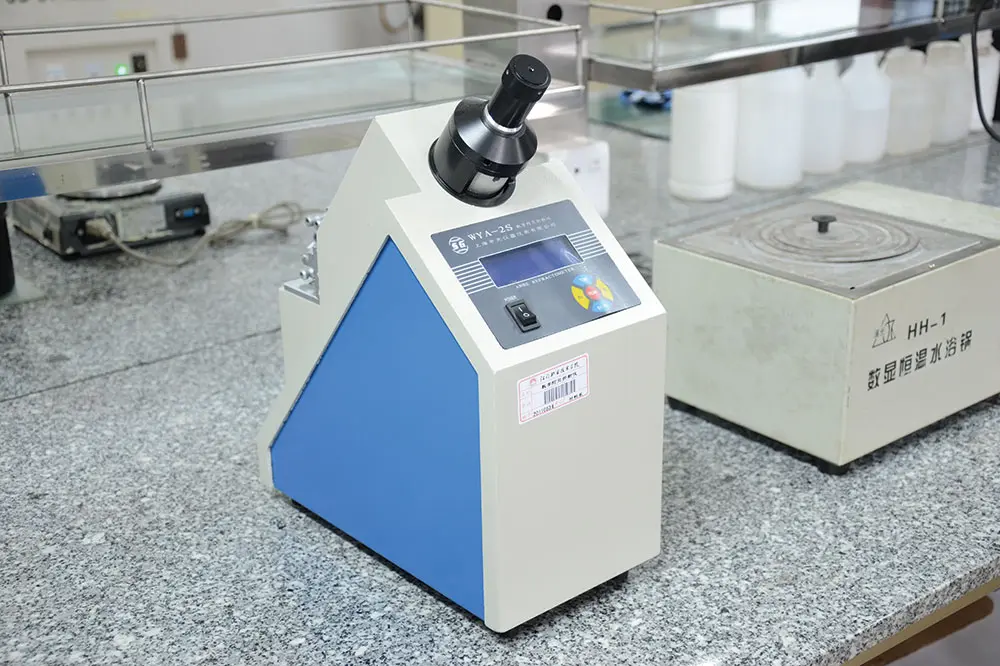
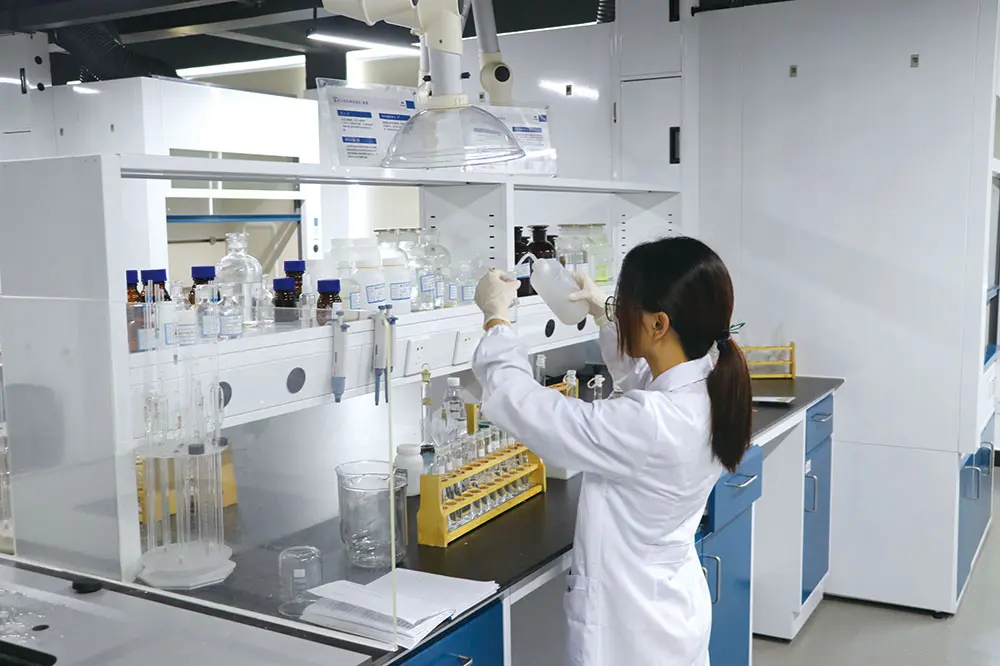
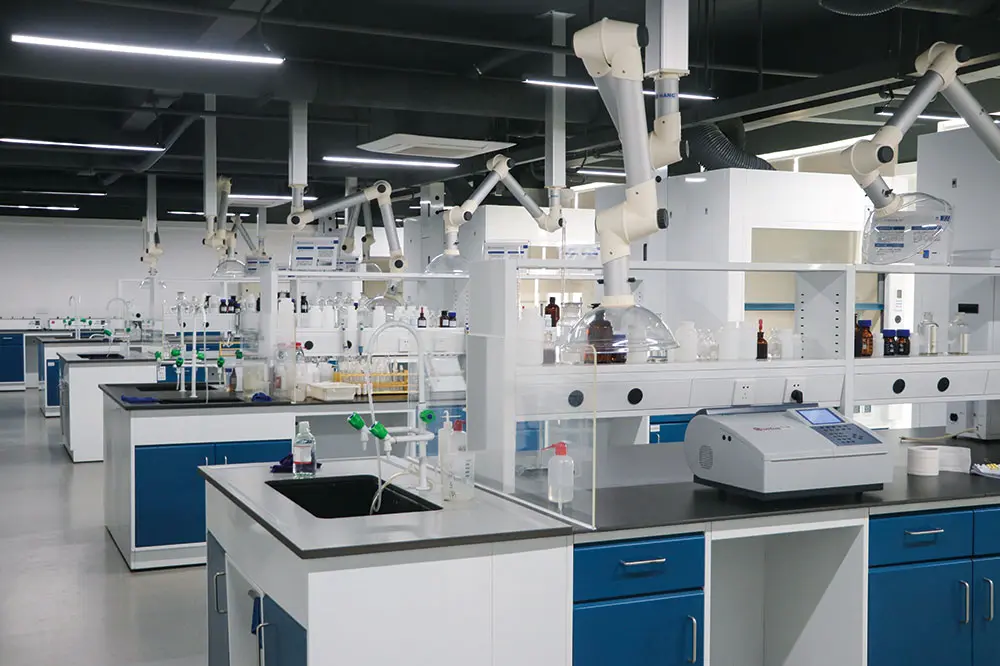
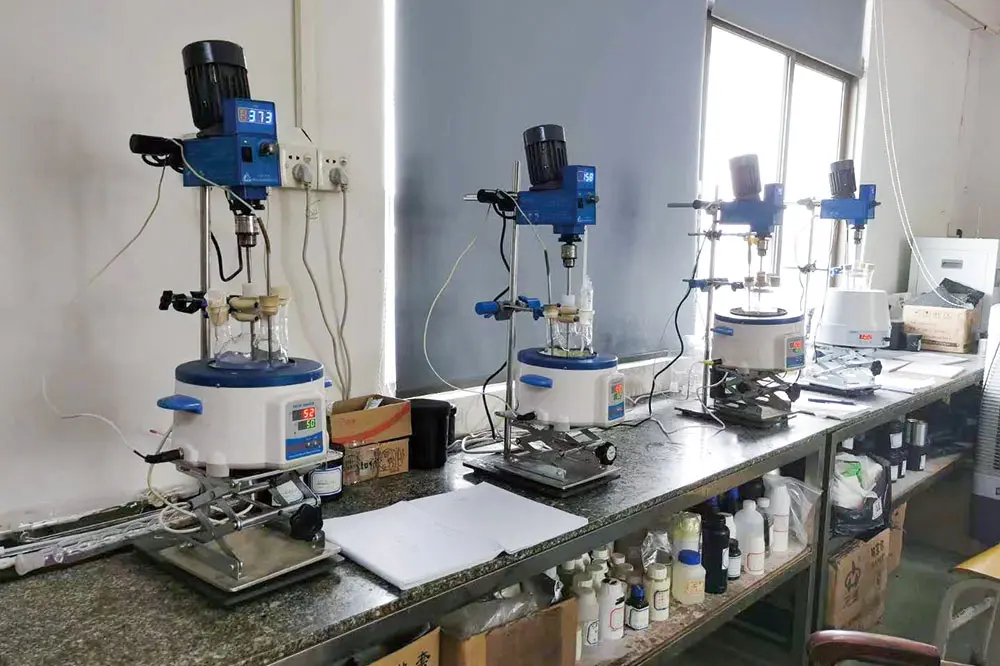
Both facilities integrate state-of-the-art Quality Control (QC), large-scale storage, and automated logistics networks. Operating under the strict framework of ISO9001 Quality Management Systems and ISO14001 Environmental Management Systems, our production is powered by a fully computerized DCS (Distributed Control System). This digital infrastructure guarantees absolute chemical consistency, minimal batch-to-batch variance, and maximum process safety. We selectively source high-quality raw materials globally and consult leading national UV material experts to maintain strict quality standards.
Ever Ray R&D Technology
Strategic Value & Sourcing Advantages

Why Source Acrylic UV Resin from China?

As global supply chains adapt to rising material costs and shifting manufacturing locations, China remains a core hub for UV-curable chemical synthesis. Sourcing from specialized Chinese manufacturers like Guangdong Ever Ray offers distinct competitive advantages:

  1. Complete Petrochemical Supply Chain: Access to critical upstream monomers, photoinitiators, and key chemical additives allows Chinese producers to secure raw materials at lower costs.
  2. Economies of Scale: With an annual production capacity exceeding 20,000 tons, our facilities can process large volumes while keeping production costs low.
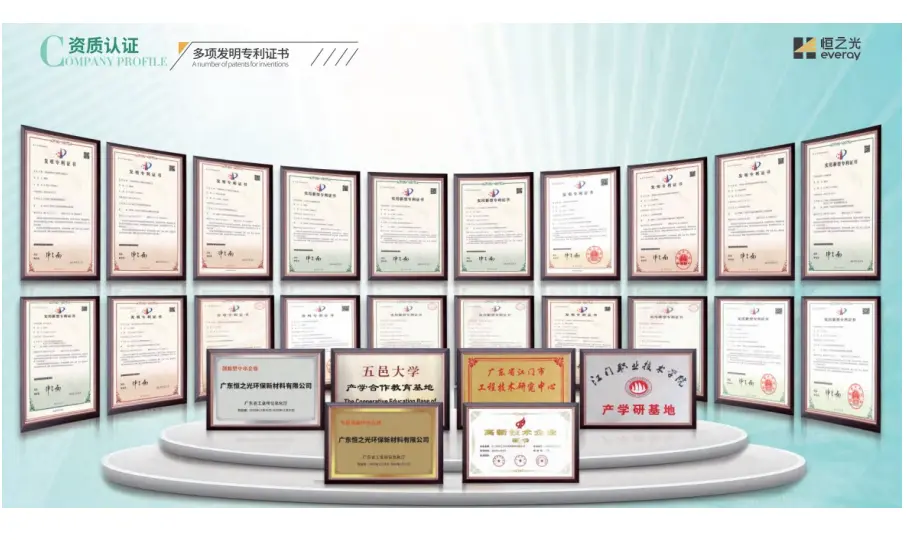
  3. Rapid Customization Cycles: Supported by over 15 dedicated R&D technicians and more than 10 invention patents, we specialize in adjusting viscosity, curing speed, and shrinkage profiles within days of receiving customer specifications.
  4. Eco-Compliant Infrastructure: Modern chemical parks in Guangdong are designed around strict environmental regulations, ensuring that global partners source materials that comply with REACH and RoHS standards.

Through optimized supply logistics, Ever Ray delivers reliable shipments to North America, Europe, and the Asia-Pacific region, combining cost efficiency with high-quality chemical performance.

Industrial R&D Strength

Our laboratory is continuously developing advanced resins designed to reduce environmental impact and improve process efficiency.

  • High-speed flexographic UV resins
  • Waterborne PUA systems for plastics
  • Low-shrinkage polyester acrylates
  • Tough, non-yellowing epoxy acrylates
  • Sustainable bio-based soybean oil acrylates

Eco & Regulatory Compliance

Ever Ray is dedicated to green chemistry. Our UV-curable products are zero-VOC and solvent-free, assisting manufacturers globally in transitioning away from traditional thermal-curing resins to reduce carbon footprints.

Ever Ray Facility Overview
50,000㎡
Production Footprint
20,000t+
Annual Capacity
15+
R&D Specialists
10+
Invention Patents

Macro Industry Solutions & Applications

Providing functional polymer resins designed to meet the demands of automated assembly lines and precise substrate bonding.

3C & Consumer Electronics

Used in touch-panel bonding, lens assembly, and protective topcoats for mobile devices. Formulated for high light transmission, low yellowing over time, and fast curing under low UV dosage.

High-Speed Printing & Packaging

Specifically tailored for flexographic, lithographic offset, and screen UV inks. Promotes excellent pigment wetting, low shrinkage to avoid warping, and outstanding adhesion to flexible plastics.

Wood Coatings & Varnishes

Delivers scratch resistance and hardness for premium wood furniture, utilizing soybean-oil modified acrylates to meet environmental standards.

Strategic Procurement

Global Procurement Best Practices for UV Curable Oligomers

Procurement teams face unique technical challenges when sourcing industrial UV-curable resins. Finding a vendor who can supply high volumes while meeting precise specifications requires evaluating several key chemical and operational metrics:

1. Rheological Control & Viscosity Profiles

Viscosity determines the processing method of the resin—whether it is applied via spray, roll, or flexographic printing. A reliable factory must offer consistent viscosity controls to ensure reliable production on automated lines.

2. Shrinkage Control and Adhesion Quality

As UV monomer complexes cure, they can shrink, which may cause warping or reduce adhesion on substrates like PMMA and polycarbonate. Utilizing low-shrinkage polyester acrylates or modified epoxy resins helps maintain design dimensions.

3. Yellowing Resistance (Delta YI Index)

Optically clear adhesives (OCAs) used in display panels or protective varnishes require high yellowing resistance. Aliphatic urethane acrylates are typically specified to prevent discoloration under UV exposure.

4. Regulatory Compliance & Environmental Impact

Global markets require compliance with REACH, RoHS, and TSCA standards. Sourcing zero-VOC, heavy-metal-free UV resins simplifies import clearance and supports environmental sustainability.

By managing these parameters, Ever Ray helps global purchasing teams transition from sample testing to bulk logistics while maintaining consistent quality at scale.

Technical FAQ & Troubleshooting

Quick answers to common questions about UV-curable oligomer processing and formulations.

Q1: What causes poor surface adhesion in UV-curable coatings, and how is it resolved?
Poor adhesion is often caused by high volumetric shrinkage during polymerization, which stresses the bond interface. Resolving this involves blending in high-performance modified polyester acrylates or low-shrinkage urethane acrylates (such as Ever Ray 5026F or 6271), which minimize shrinkage while improving surface wetting.
Q2: How do aliphatic and aromatic polyurethane acrylates compare in formulation?
Aliphatic polyurethane acrylates provide excellent yellowing resistance and weatherability, making them ideal for outdoor applications and protective electronics coatings. Aromatic polyurethane acrylates cure quickly and offer high mechanical strength at a lower cost, but are prone to yellowing when exposed to UV light, which limits their use to opaque applications.
Q3: What are the main benefits of using waterborne UV-curable resins?
Waterborne UV systems use water as a viscosity reducer rather than reactive monomers. This approach reduces skin irritation potential, minimizes volatile organic compound (VOC) emissions, and allows for the application of thin coatings on heat-sensitive plastic film substrates.
Q4: How does Ever Ray control batch consistency?
We use a fully computerized DCS (Distributed Control System) in our Jiangmen and Yunfu plants. The system automates heat inputs, feed rates, and reactor pressure parameters to maintain consistent raw material conversions, minimizing batch-to-batch variation in viscosity and color index.
Q5: What is the optimal storage shelf life for acrylic UV oligomers?
When stored in their original sealed containers in dry, cool conditions away from light (below 35°C), typical acrylic oligomers remain stable for at least 6 to 12 months. Exposure to light or high temperatures can trigger premature gelation.

Additional Specialized Acrylates & Resins

Select from our targeted catalog of modified acrylates, epoxy oligomers, and soybean oil-based coatings.
Modified Acrylate Oligomer Resin

Wholesale 17701 Low Shrinkage Modified Acrylate Oligomer - Resin for Offset and Film Inks

View Specifications
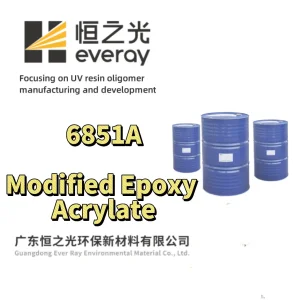
High-Performance Modified Epoxy Acrylate

High-Quality 6851A High-Performance Modified Epoxy Acrylate Resin | For UV Coatings, Inks & Gel Polishes

View Specifications
Modified Epoxy Acrylate 6271

High-Quality High Abrasion & Yellowing Resistance Modified Epoxy Acrylate Resin 6271 for UV Coatings & Adhesives

View Specifications
Polyurethane Acrylate Oligomer

Buy 7317 High Reactivity Flexible Polyurethane Acrylate Oligomer for UV Wrinkle & Snowflake Ink

View Specifications
Hyperbranched Acrylic UV Resin

High-Quality Scratch resistant 4600 hyperbranched acrylic UV resin :suitable for varnish and ink

View Specifications
Modified Epoxy Acrylate 6231

High-Quality 6231:Curing modified epoxy acrylate with excellent leveling properties

View Specifications
UV Curable Acrylic Resin

Wholesale High Solid Low Viscosity Modified Acrylate Oligomer - High Elasticity UV Curable Acrylic Resin

View Specifications
Epoxidized Soybean Oil Acrylate

High-Quality Epoxidized Soybean Oil Acrylate 6720: A High-Efficiency UV Coating Solution for Paper and Wood

View Specifications

Collaborate on Custom Oligomer Formulations

Our engineering team can adjust viscosity, cure rates, and flexibility parameters to meet your application requirements. Contact us to request custom samples and technical datasheets.

Contact Our Engineering Department