Epoxy acrylates (often referred to as EPA oligomers) represent the foundational backbone of the radiation-curing (UV/EB) coatings, inks, and adhesives industry. Synthesized via the ring-opening esterification reaction of epoxy resins (primarily Bisphenol A, Bisphenol F, or novolac epoxies) with acrylic acid, these oligomers combine the superior mechanical qualities of epoxy backbones with the hyper-fast radical polymerization kinetics of terminal acrylate groups.
The rigid aromatic rings of Bisphenol A provide outstanding mechanical hardness, tensile strength, and high thermal resistance, making it the industry standard for wood varnishes and metal primers.
Terminal acrylic double bonds enable rapid crosslinking under ultraviolet exposure, completing curing cycles within seconds to optimize high-speed B2B production lines.
Highly crosslinked networks show resistance to aggressive chemicals, alcohols, acids, and water, preserving substrate integrity in harsh environments.
Modern industrial requirements demand modified versions of classic Bisphenol A epoxy acrylates. While raw unmodified epoxy acrylates exhibit high gloss, hardness, and fast curing speeds, they can be highly viscous and brittle, showing poor adhesion on non-porous plastics or metals due to shrinkage during polymerization. Therefore, specialized factories like Guangdong Ever Ray Environmental Material Co., Ltd. develop modified epoxy acrylate oligomers (such as the high-adhesion 6106 and 6100D-85) that chemically incorporate flexible polyether, polyester, or aliphatic urethane chains into the molecule. This balancing act allows formulation engineers to maintain surface hardness while significantly improving flexibility, reducing volume shrinkage, and enhancing intercoat adhesion.
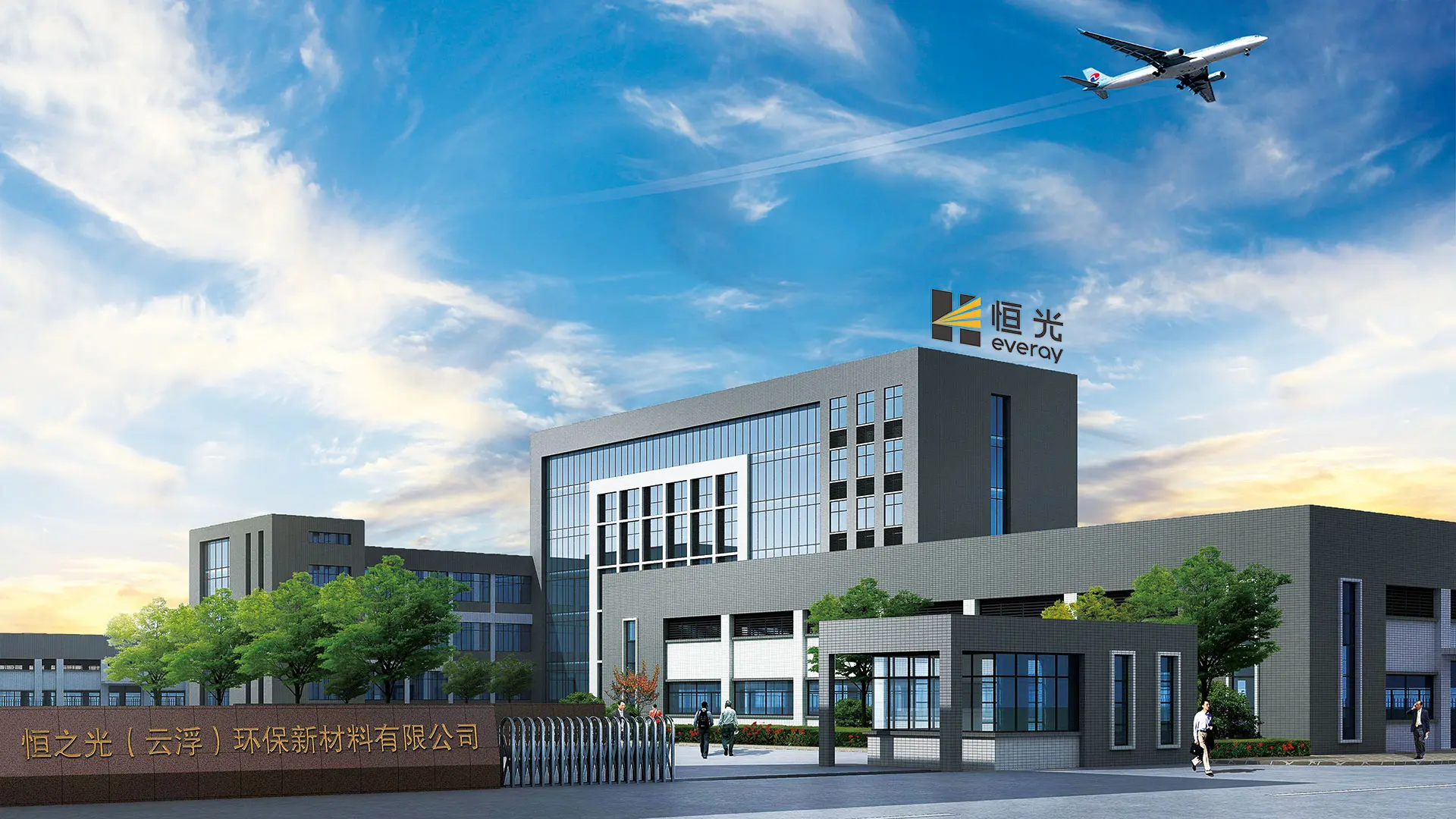
Established in 2006, Guangdong Ever Ray Environmental Material Co., Ltd. is a national high-tech enterprise focusing on the R&D and manufacturing of high-performance oligomers for UV-curable resins. Our product range includes premium epoxy acrylates, polyurethane acrylates (waterborne, aliphatic urethane, and aromatic urethane), polyester acrylates, pure acrylates, and special functional modified acrylate oligomers designed for high-end industrial applications.
For nearly two decades, we have focused on balancing technology and environmental protection, driving sustainable green development through continuous scientific research. We work closely with domestic and international UV material experts to deliver high-quality, stable, and cost-effective formulations for wood coatings, plastics, electronics, inks, and adhesives.
To ensure supply chain continuity for global customers, Ever Ray operates two production bases in Guangdong province:
Both production bases operate under the ISO9001:2015 Quality Management System and ISO14001:2015 Environmental Management System. Our fully computerized DCS system monitors critical reaction parameters—such as esterification temperatures, acid values, gas flow rates, and polymerization inhibitors—in real time, maintaining high batch-to-batch consistency.
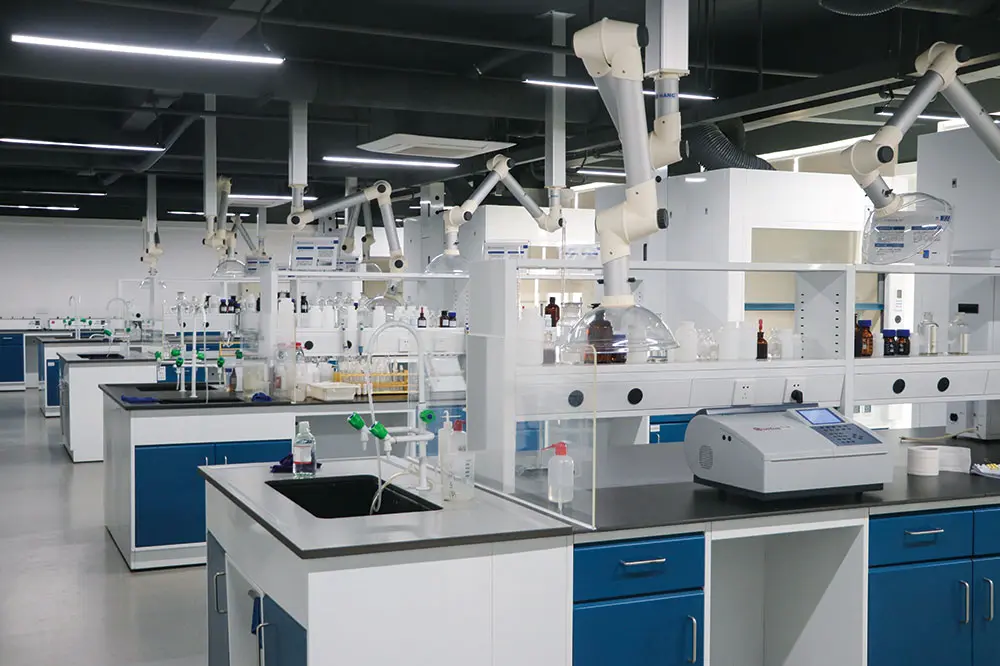
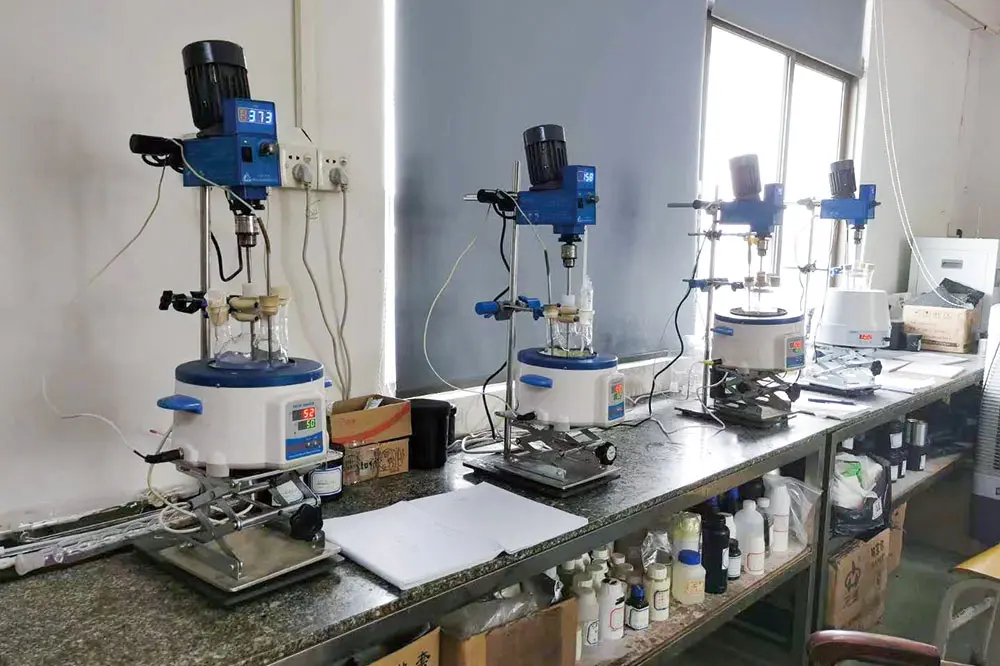
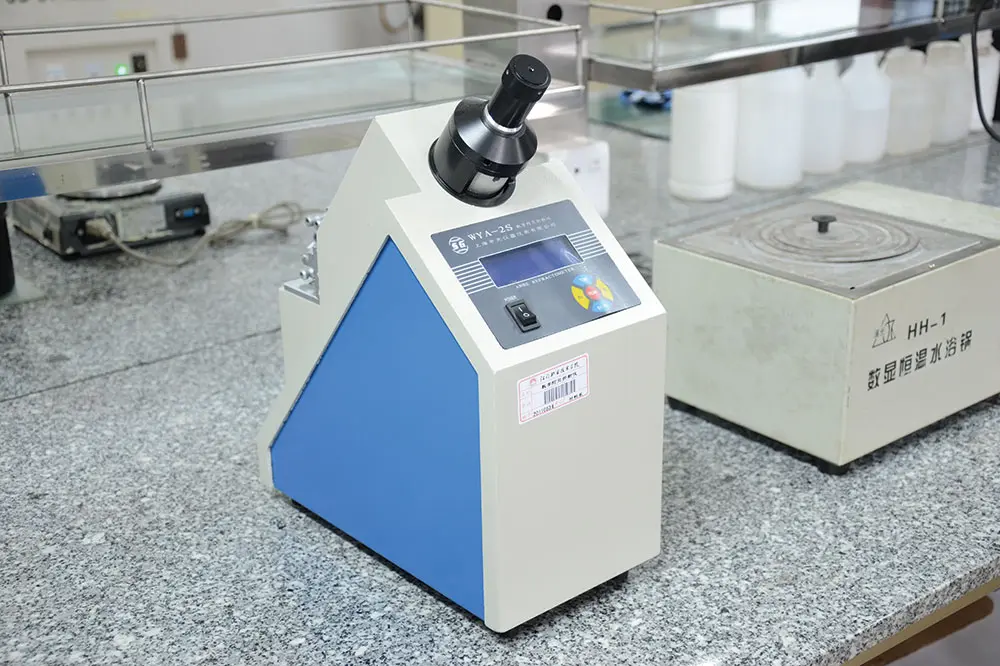
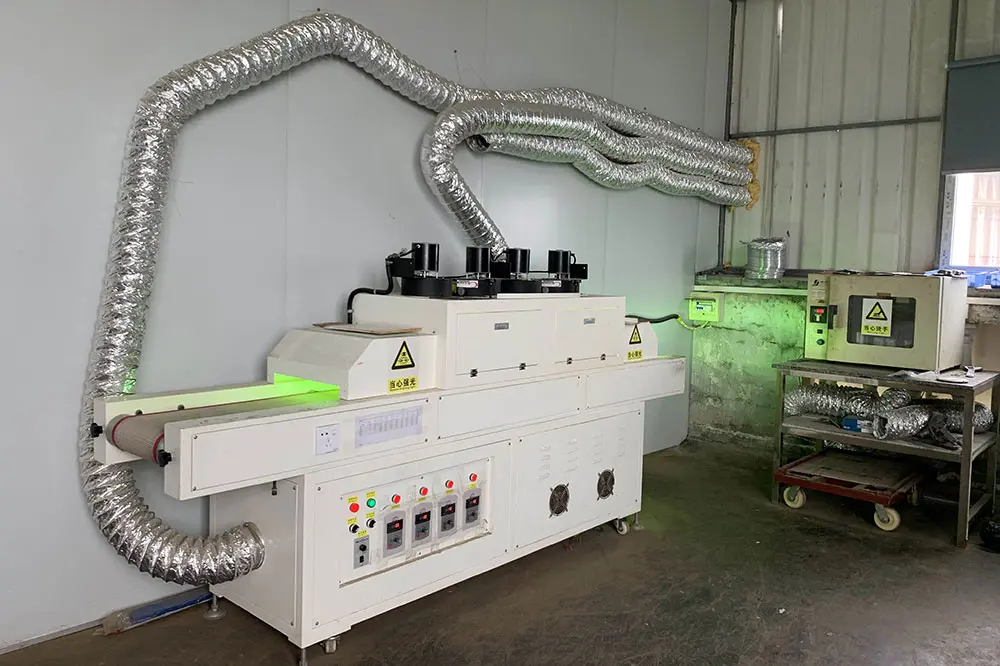
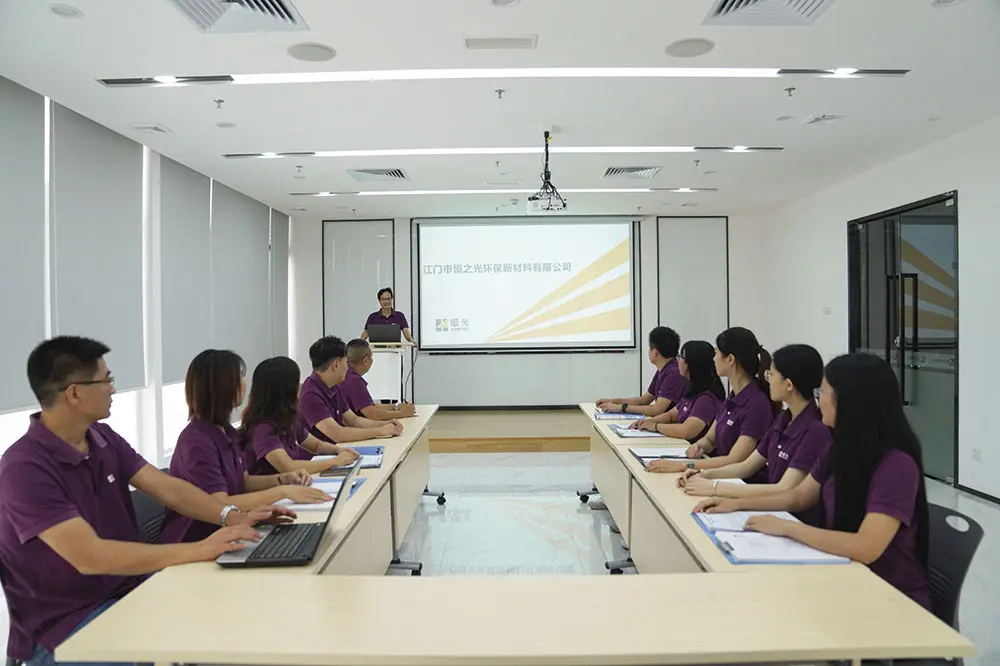
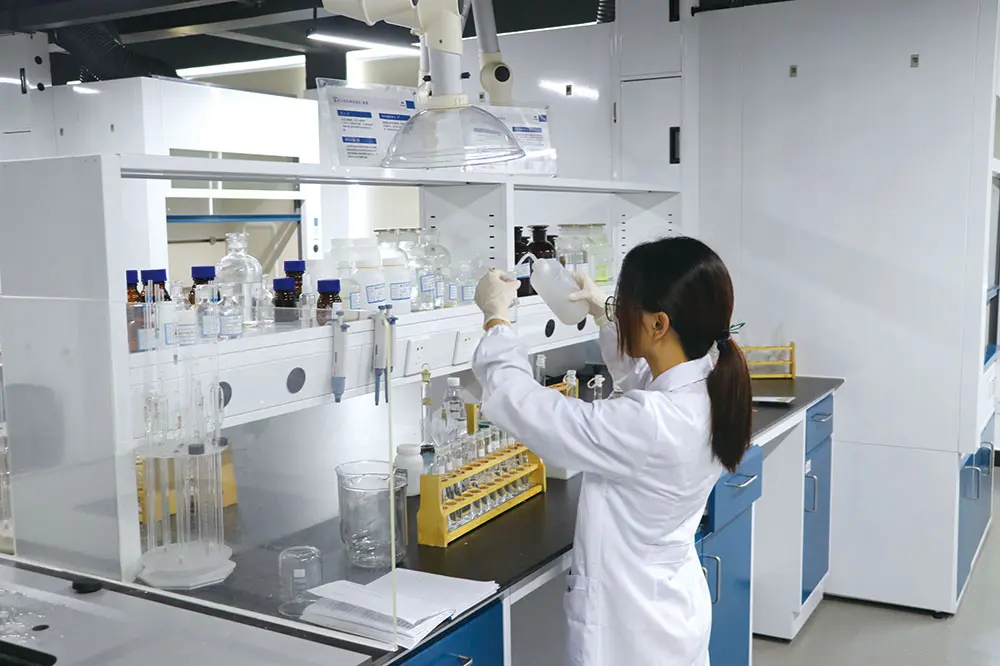
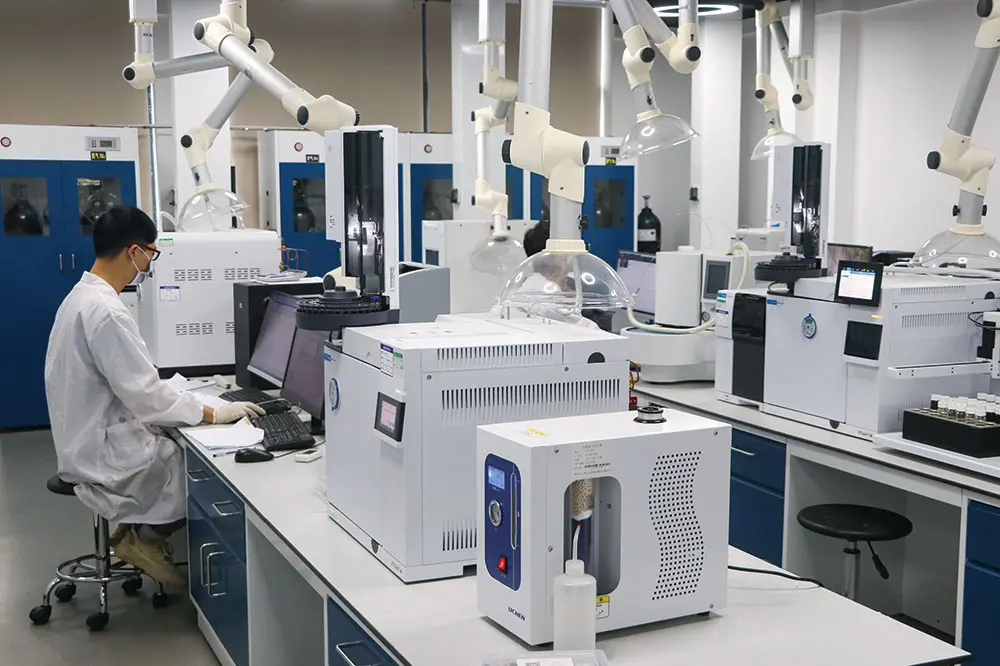
UV-curable technology is used across diverse industries, each requiring specific performance characteristics. Here is how our product range is applied in local and international markets:
For high-end furniture markets, coatings must provide chemical resistance to household liquids and high scratch resistance. Using 6100D-85 High Adhesion Epoxy Acrylate as a core oligomer allows manufacturers to formulate wood primers and topcoats that resist cracking and maintain clear, high-gloss finishes.
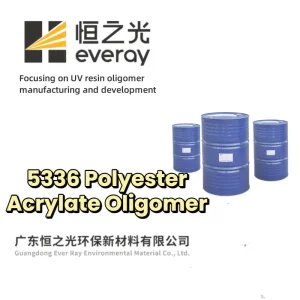
High-speed printing presses require inks that cure within milliseconds without smearing or losing color depth. Monomers and oligomers like A150 UV-resin and 5336 Polyester Acrylate provide the necessary pigment wetting and lithographic stability, preventing plate misting and ensuring strong adhesion to paper and synthetic films.
PVC flooring requires protective clear coats to prevent scuffing and wear. 1262B Low Viscosity UV Resin is formulated to balance viscosity and reactivity, creating thin, wear-resistant, anti-slipping, and scratch-resistant protective layers directly over PVC backings.
Vacuum metallizing processes on ABS, PC, and PMMA substrates often face adhesion challenges. Aromatic polyurethane acrylate oligomers are designed to provide crosslink density and chemical resistance for primer and topcoat formulations, preventing metallic layers from peeling or dulling over time.
Optical bonding and electronic assembly require low shrinkage and high thermal stability. The 6200D UV-resin and 7253A-5 Multifunctional UV Resin are designed for shadowless glass-to-glass and glass-to-metal bonding, maintaining adhesive strength under thermal cycling and mechanical stress.
As the radiation curing industry responds to global environmental targets, the R&D roadmap for epoxy acrylates and UV oligomers is shifting toward sustainability, low-toxicity profiles, and high performance. Our technical team works at the intersection of environmental safety and chemical engineering to focus on three main development pillars:
To reduce dependence on fossil-based feedstocks, Ever Ray is researching the incorporation of bio-based epoxies—such as epoxidized soybean oil (ESO) and cardanol-based epoxy precursors—into our synthesis lines. By substituting traditional bisphenol-A with renewable alternatives, we aim to offer green UV oligomers that maintain mechanical and chemical performance while lowering carbon footprint.
Traditional UV curing requires a direct line of sight from the light source, which limits its use on complex 3D parts with shadow zones. Our R&D team is developing dual-cure oligomers that combine UV radical polymerization with secondary thermal or moisture-curing mechanisms. This allows complete crosslinking in recessed areas, making these resins suitable for automotive interiors and complex electronics assemblies.
Waterborne UV resins combine the environmental benefits of water-based coatings with the performance of UV-curable systems. Our research is focused on developing water-dispersible polyurethane acrylates and modified epoxy acrylate dispersions that do not require reactive diluent monomers, helping manufacturers meet strict VOC regulations.
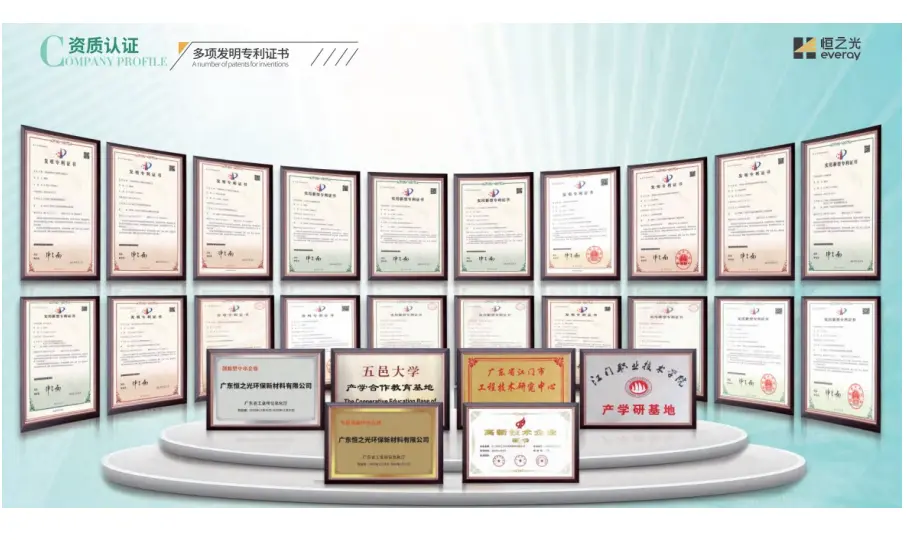
The global chemical market faces raw material price fluctuations, logistics constraints, and changing environmental regulations. Guangdong Ever Ray Environmental Material Co., Ltd. addresses these challenges through vertical integration, regional raw material sourcing, and compliance standards.
Located in Guangdong's chemical manufacturing clusters, Ever Ray maintains direct pipelines for core precursors like Acrylic Acid, Bisphenol A, and TDI/IPDI. Our dual-base setup allows us to keep raw material buffers that mitigate short-term market disruptions. Our proximity to major shipping ports in Shenzhen and Guangzhou enables efficient container transport, shortening transit times to North America, Europe, and Southeast Asia.
We design our oligomers with global environmental standards in mind, including RoHS, REACH, and EPA guidelines. We work with international testing agencies to ensure that our low-viscosity, low-odor products meet strict limits on heavy metals, residual monomers, and volatile organic compounds. This helps our clients meet local environmental requirements and secure regulatory approval for their finished products.
 Ever Ray