Explore our highly specialized, industrially synthesized ultraviolet light curable oligomers. Designed under strict ISO-certified chemical pathways, these formulations deliver elite structural properties including high-flexibility, mechanical strength, chemical resistance, and optimized photo-polymerization kinetics.
The modern formulation landscape for ultraviolet (UV) curable resins is undergoing a massive paradigm shift. Driven by rigorous international environmental mandates, industrial safety requirements, and the search for performance-maximizing photopolymers, the technology is moving toward 100% solid, low-VOC content formulations, waterborne UV polyurethane acrylates (UV-PUDs), and LED-matching curing profiles. Our global chemical research focus explores deep industrial changes:
Historically, traditional medium-pressure mercury arc lamps dominated industrial drying and curing lines. However, energy-efficiency requirements and temperature-sensitive substrates (such as thin films and heat-susceptible plastics) have driven factories to transition to LED light sources operating at 365nm, 385nm, 395nm, and 405nm. This shift necessitates next-generation UV oligomers that possess exceptionally high surface-cure reactivity to overcome oxygen inhibition issues inherent to LED light spectrum limits.
The integration of sustainable precursors into the synthetic chain of acrylates is now a top-tier initiative. Formulators seek high bio-derived carbon indices without sacrificing the raw chemical performance of epoxy or polyurethane architectures. Developing sustainable reactive oligomers reduces dependencies on fossil feedstock while keeping volatile organic compound (VOC) levels close to absolute zero.
With structural design requirements prioritizing human health, lowering the reliance on toxic reactive monomers (like IBOA, TMPTA, or TPGDA) has become critical. The current technical movement demands low-viscosity polyester acrylates and modified epoxy acrylates that retain excellent mechanical performance and high solid percentages, bypassing the need for safety-compromised viscosity reducers.
Established in 2006, Guangdong Ever Ray Environmental Material Co., Ltd. is a premier high-tech enterprise focusing on the R&D and manufacturing of oligomers for UV curable resin. Our comprehensive product portfolio includes premium-grade epoxy acrylate, polyurethane acrylate (waterborne, aliphatic urethane, aromatic urethane), polyester acrylate, pure acrylate, and custom special functional modified acrylate oligomers.
Underpinned by green chemistry principles, we bridge the gap between technical performance and environmental coexistence. Our products are formulated to supply high reactivity, superior chemical resistance, and high gloss to coatings for wood, plastics, inks, and structural adhesives, while keeping cost-efficiency as a priority for industrial partners.
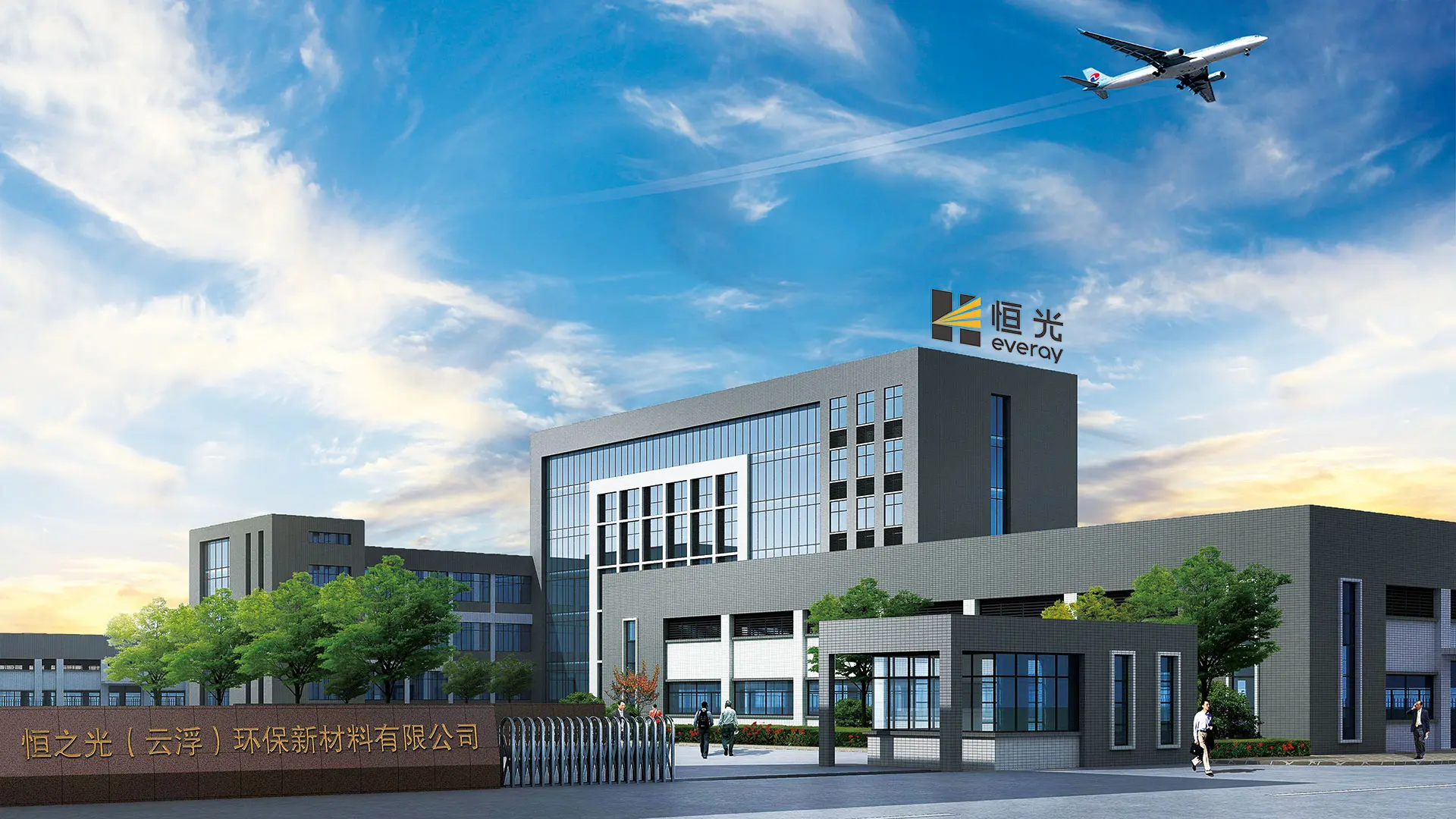
Our industrial presence spans two state-of-the-art production bases. The facility in Jiangmen, Guangdong, encompasses 10,000 square meters of production space. Complementing this, our massive site in Yunfu, Guangdong, stretches across 40,000 square meters. These bases house more than 10 advanced, high-throughput production lines, yielding an annual capacity of over 20,000 tons. Equipped with fully automated, computerized Distributed Control Systems (DCS), our manufacturing guarantees absolute safety, high process reliability, and batch-to-batch polymer consistency.
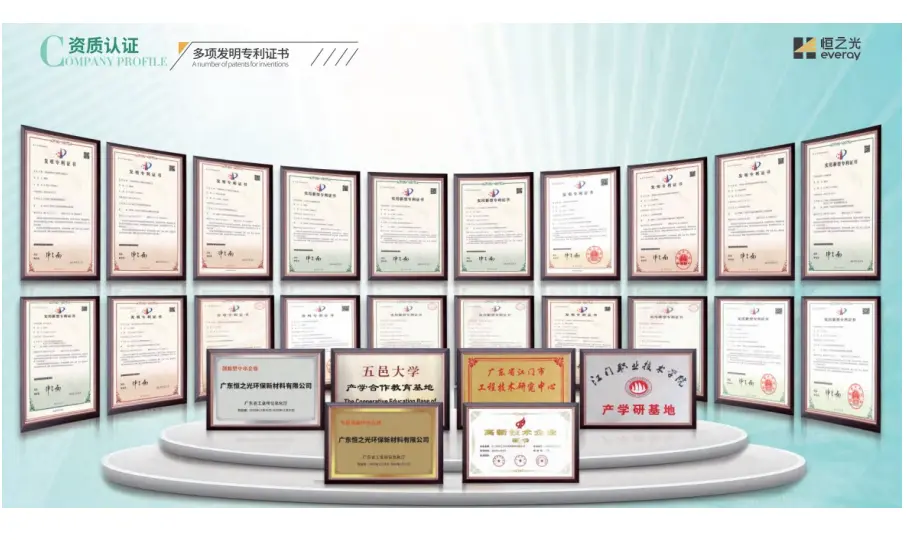
Operating strictly under the ISO9001 Quality Management System and the ISO14001 Environmental Management System, we source high-quality raw materials internationally. By employing advanced scientific oversight and collaborating with domestic UV materials and polymer experts, we guarantee that all output meets strict international thresholds.
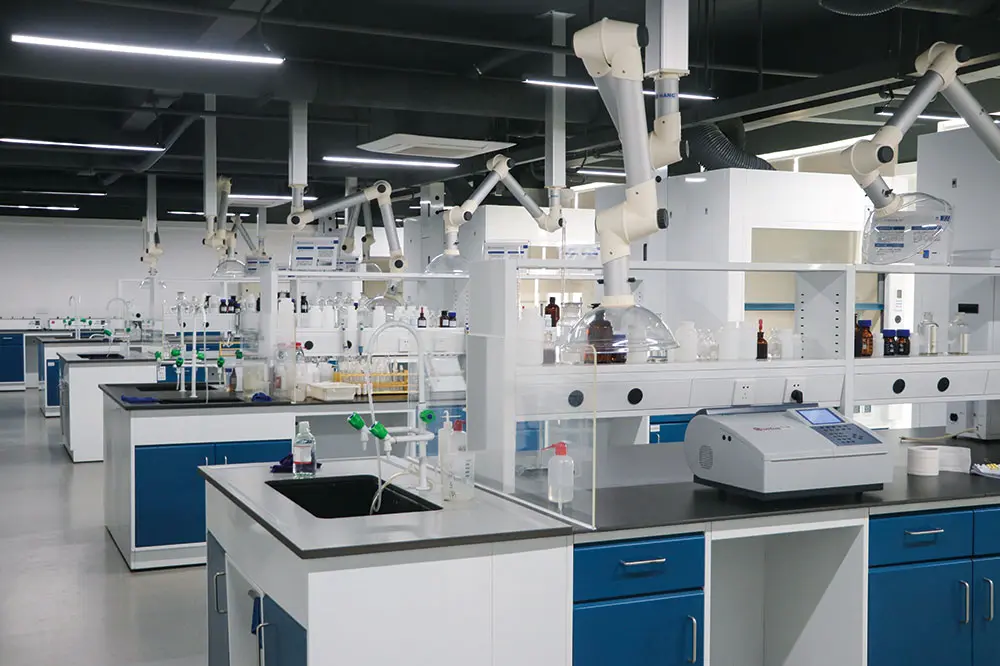
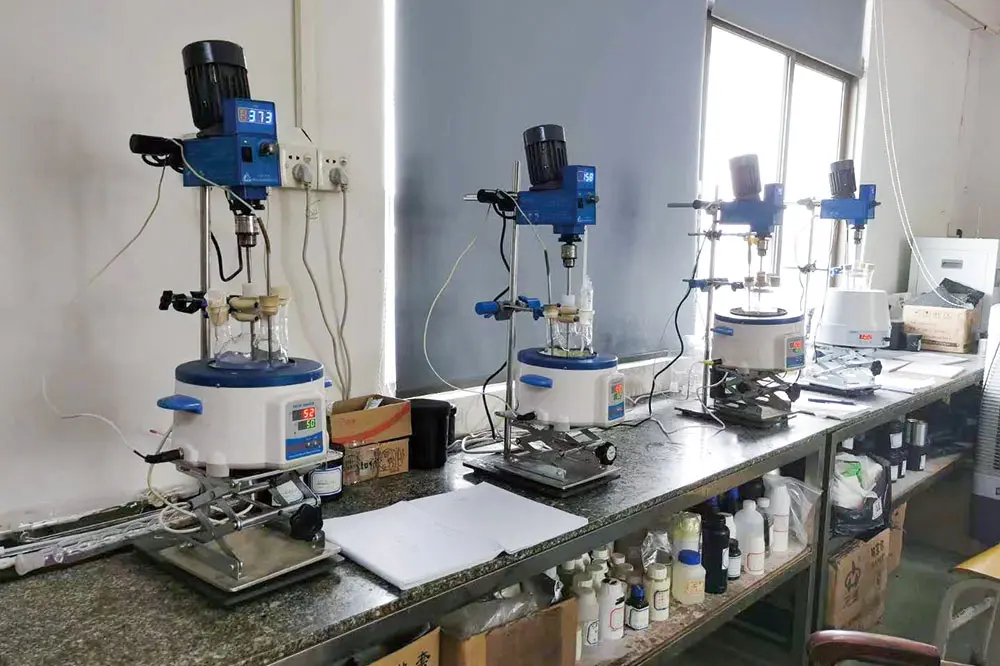
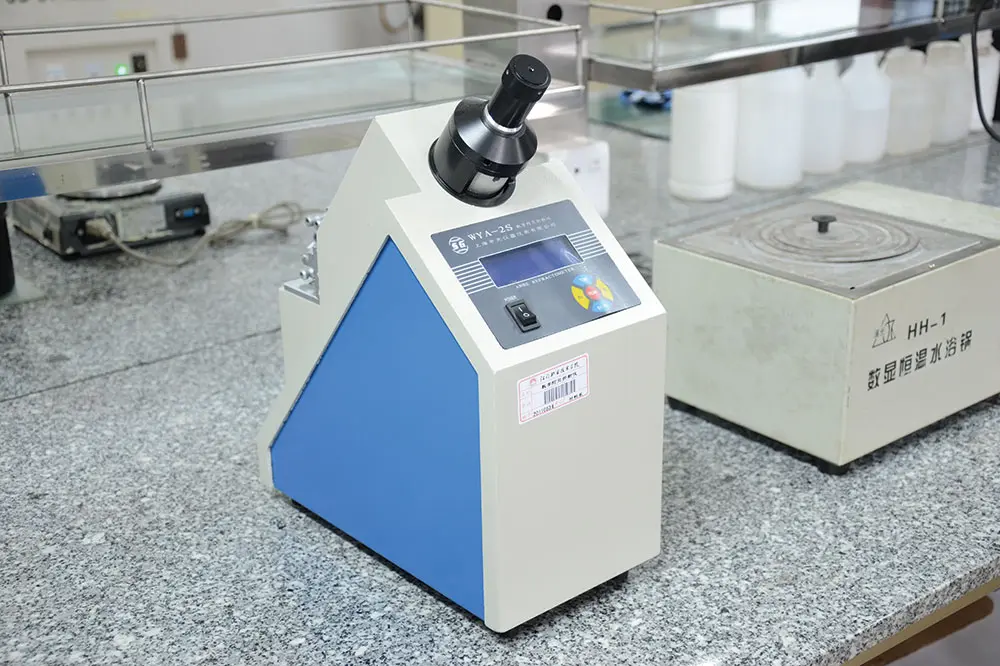
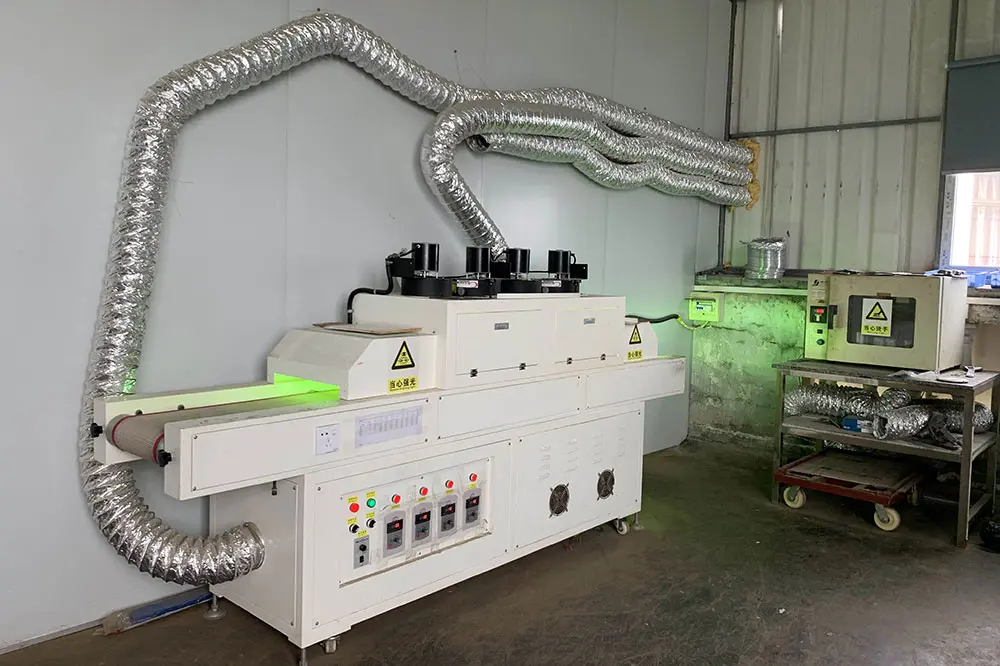
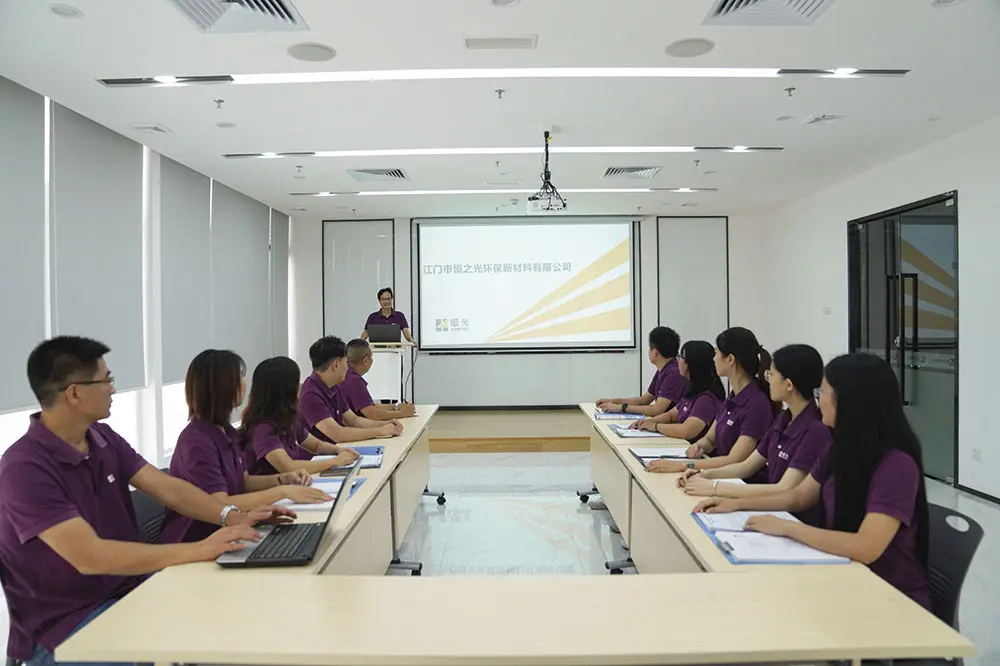
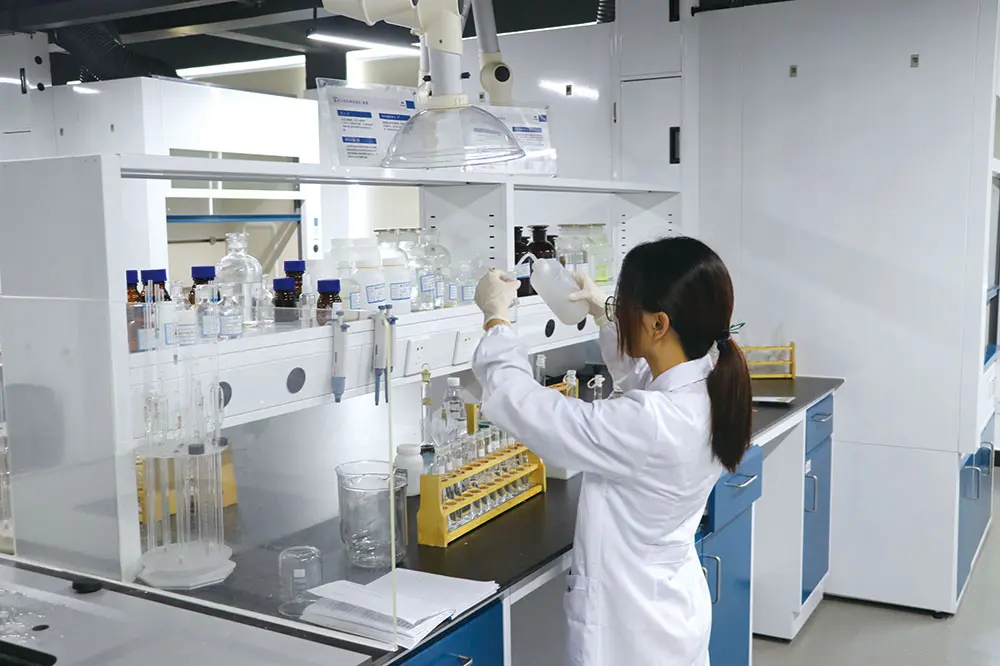
Procurement managers and formulation chemists at enterprise levels require chemical suppliers who can deliver more than just high-performance raw materials. Modern supply chain safety dictates compliance, scalable synthesis capability, and thorough technical validation:
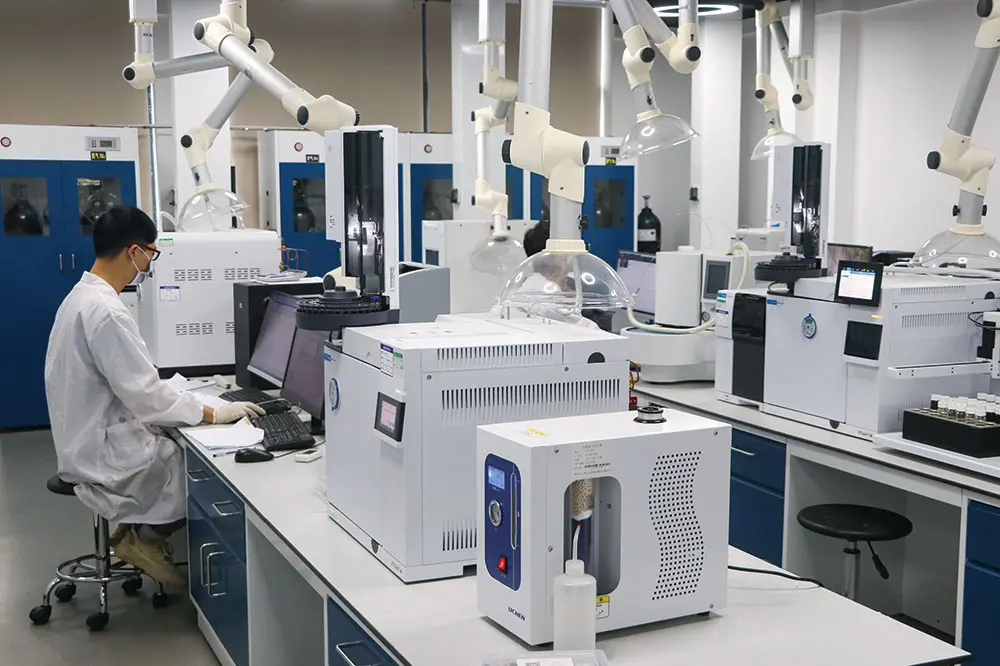
We understand that slight shifts in polymer polydispersity, molecular weight distribution, or residual acid values can disrupt high-speed industrial coating lines. Our manufacturing integrates inline gas chromatography, gel permeation chromatography (GPC), and viscosity profiles for every batch, confirming performance parameters match exactly.
To serve global markets including North America, Europe, and the APAC region, we register our chemical oligomers under TSCA, REACH, IECSC, and maintain strict compliance with RoHS and SVHC guidelines. All products are shipped with detailed GHS-compliant Safety Data Sheets (SDS).
With 15+ specialists in our technical center, we offer custom synthesis. Whether your formulation requires a specific polyurethane acrylate functionality, improved adhesion on TPU/polycarbonate, or a low-yellowing epoxy acrylate, our chemical design pipeline works directly with your engineering teams.
Our UV oligomers are engineered to target demanding applications, providing optimized mechanical properties across diverse substrates:
High-adhesion oligomers like our 6100D-85 epoxy acrylate are specifically optimized for roller and spray coating on natural wood and medium-density fiberboards (MDF). They provide unmatched scratch resistance, high surface hardness, and rapid curing times suitable for high-throughput automated wood varnishing systems.
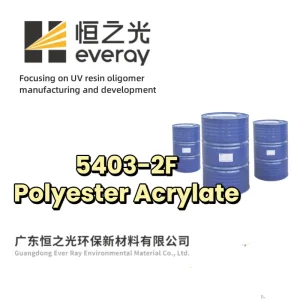
In offset, flexo, and screen printing inks, pigment wetting is key. Oligomers such as 5403-2F and 5403-3F polyester acrylates offer exceptional water-ink balance, low viscosity profiles, and superior adhesion to synthetic film substrates (PET, BOPP, PVC), resulting in vibrant color rendering and sharp print definition.
For engineering adhesives, high-strength structural resins like 71209A-1 ABS-Like resin and thermal-resistant oligomers like 7253A-5 offer high impact resistance and dimensional stability under thermal stress, making them ideal for assembly, encapsulation, and functional plastic coatings.
Guangdong Ever Ray is committed to driving innovations in UV curing chemistry. Our technology roadmap outlines the milestones we are pursuing to align with global development trends:
Expanding our range of zero-VOC, waterborne polyurethane acrylates (UV-PUDs) that combine the eco-friendly aspects of waterborne systems with the rapid, high-performance curing characteristics of UV technology.
Increasing the proportion of renewable carbon indexes in our polyester and epoxy acrylate lines, targeting at least 30-50% bio-derived material content to help clients achieve carbon-neutral manufacturing targets.
Developing specialized hyper-branched oligomers optimized for 395nm/405nm LED wavelengths that completely bypass oxygen inhibition without relying on high concentrations of photoinitiators.
Below is our second batch of specialty photopolymer oligomers, focusing on low viscosity, high-efficiency pigment wetting, matte finishing, and excellent nail polish compatibility.
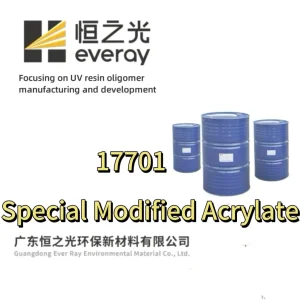
Get answers to critical chemical formulation questions from our laboratory specialists. This technical QA covers chemical metrics, optimization, and mechanical property controls.
 Ever Ray