Explore our premium grade chemical oligomers designed to optimize curing speeds, chemical resistance, and substrate adhesion across global applications.
Understanding the fundamental chemistry behind urethane acrylates is critical for material selection in advanced industrial formulations.
Urethane resins, specifically polyurethane acrylate (PUA) oligomers, represent a premier class of materials in radiation curable technologies. Characterized by their carbamate (urethane) linkages (-NH-CO-O-), these resins are synthesized through the reaction of diisocyanates (such as IPDI, HDI, or TDI) with polyester, polyether, or polycarbonate polyols, capped by hydroxyl-functional acrylates (such as HEMA or HEA). This unique hybrid molecular structure bridges the toughness and flexibility of polyurethanes with the rapid polymerization rates of acrylic systems.
The classification of polyurethane acrylates falls primarily into two categories: Aliphatic Polyurethane Acrylates and Aromatic Polyurethane Acrylates. Aliphatic systems, based on non-benzene ring diisocyanates, offer exceptional weatherability, non-yellowing characteristics, and optical clarity, making them indispensable for outdoor protective coatings. Conversely, aromatic systems are favored for high-load mechanical environments and indoor coatings where they provide superior hardness, scratch resistance, and raw-material cost efficiencies.
By leveraging custom formulations, developers can modulate the oligomer's functionality—ranging from difunctional systems for optimal flexibility and elongation, to hexafunctional components that deliver high crosslinking density, ultra-fast curing, and superior chemical resistance. Balancing these properties is key to solving processing challenges such as volume shrinkage, substrate adhesion, and viscosity control.
Free-radical UV polymerization typically suffers from volumetric shrinkage due to the replacement of van der Waals distances with covalent bonds. Guangdong Ever Ray utilizes specialized polyester modifications and precise oligomer architecture to offset shrinkage stresses without sacrificing surface hardness. This balance is critical for electronic encapsulation, automotive coatings, and multi-substrate metal bonding applications.
Established in 2006, Ever Ray is a premier high-tech enterprise dedicated to the research, development, and high-capacity manufacturing of UV-curable oligomers.
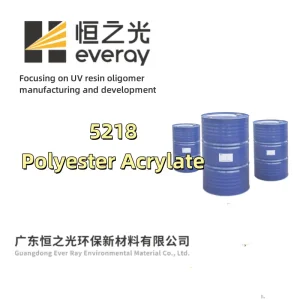
With nearly two decades of focus, Ever Ray specializes in the synthesis of Epoxy Acrylates, Polyurethane Acrylates (including waterborne, aliphatic, and aromatic systems), Polyester Acrylates, Pure Acrylates, and custom functional modified acrylic oligomers. We supply raw materials that deliver elevated reactivity, durability, chemical resistance, and high-gloss aesthetics to industrial formulators globally.
Our commitment is centered around the harmony of technology and environmental sustainability. By actively researching low-VOC, solvent-free, and high-solid raw materials, we contribute to green development initiatives across the wood coating, plastic spraying, electronic adhesive, and packaging ink industries.
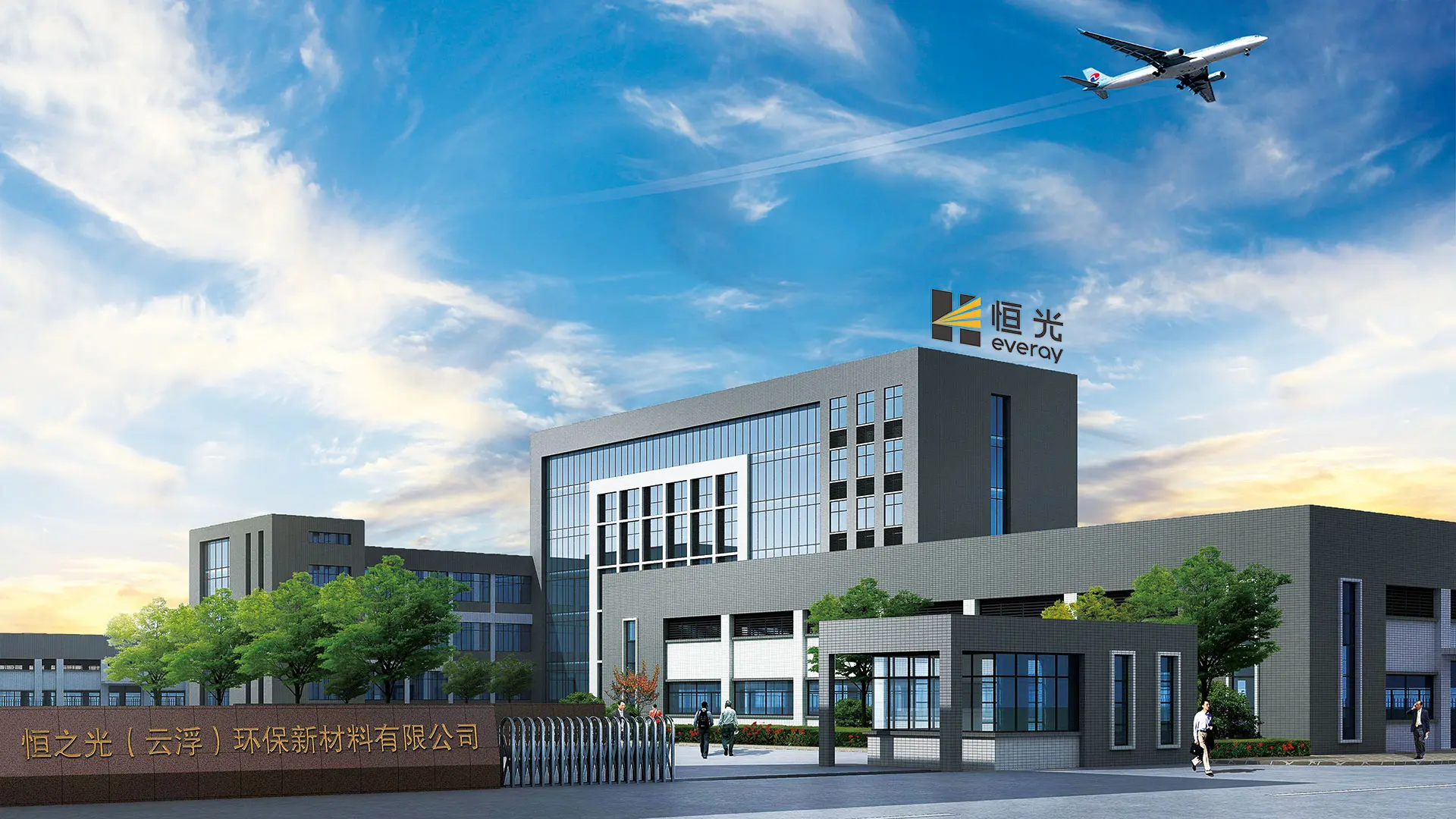
To support high-volume global procurement, Guangdong Ever Ray operates two state-of-the-art chemical manufacturing facilities in Southern China:
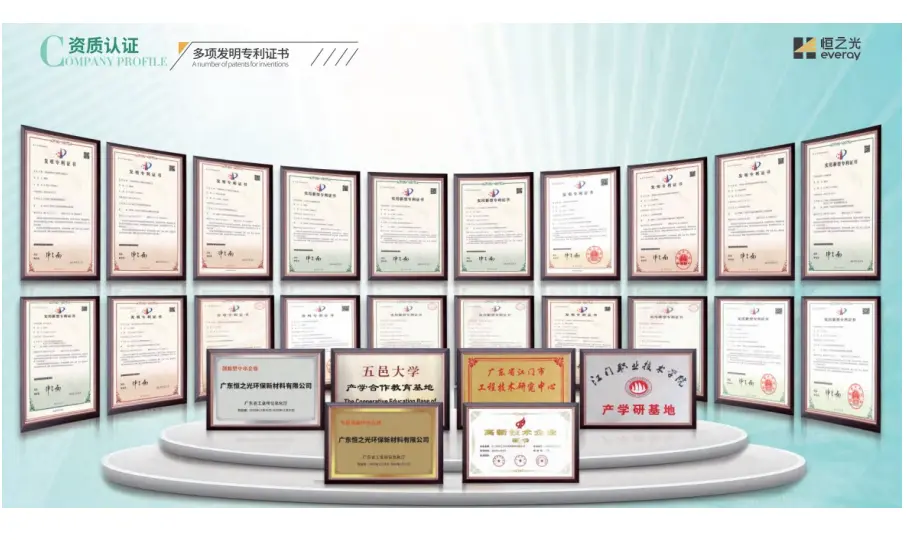
Equipped with modern DCS (Distributed Control System) fully computerized process control, our production lines run under stable operating envelopes to ensure consistent chemical properties from batch to batch. Quality management is strictly regulated under the ISO9001 and ISO14001 frameworks, backed by raw materials selected from verified domestic and international vendors.
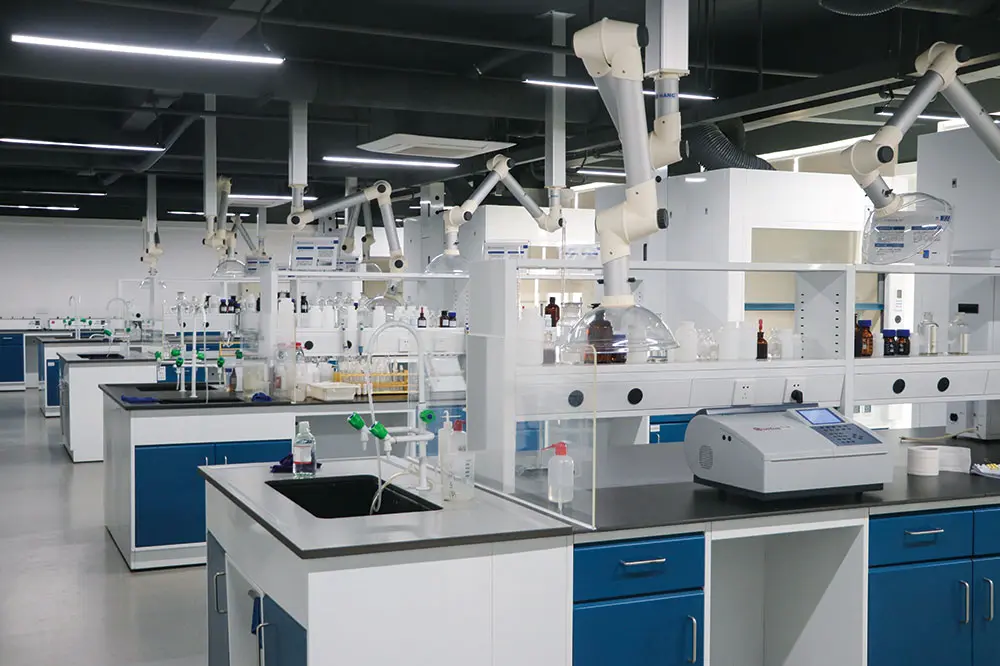
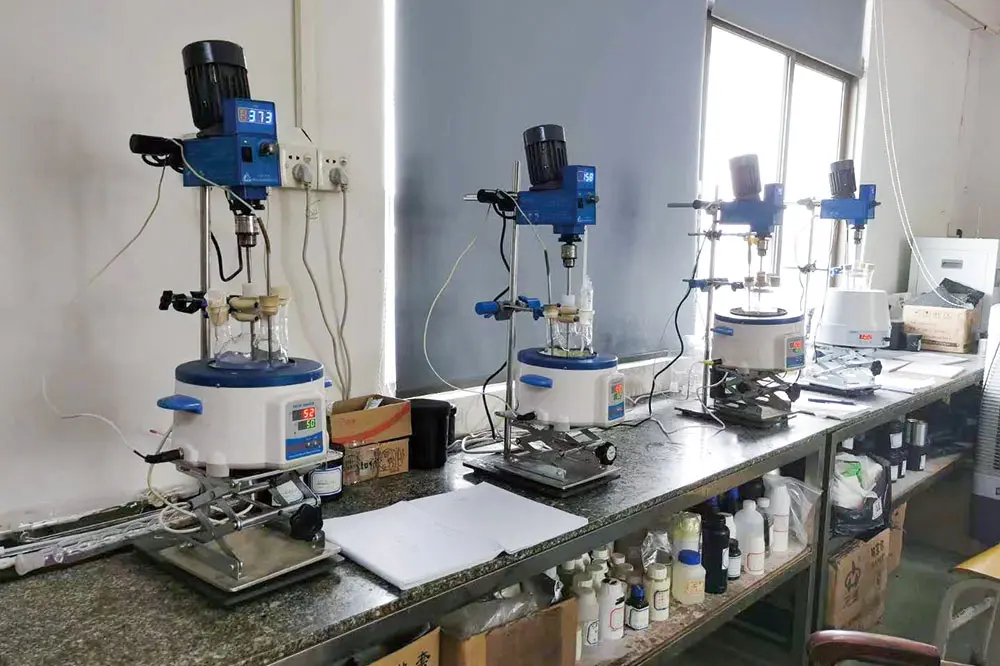
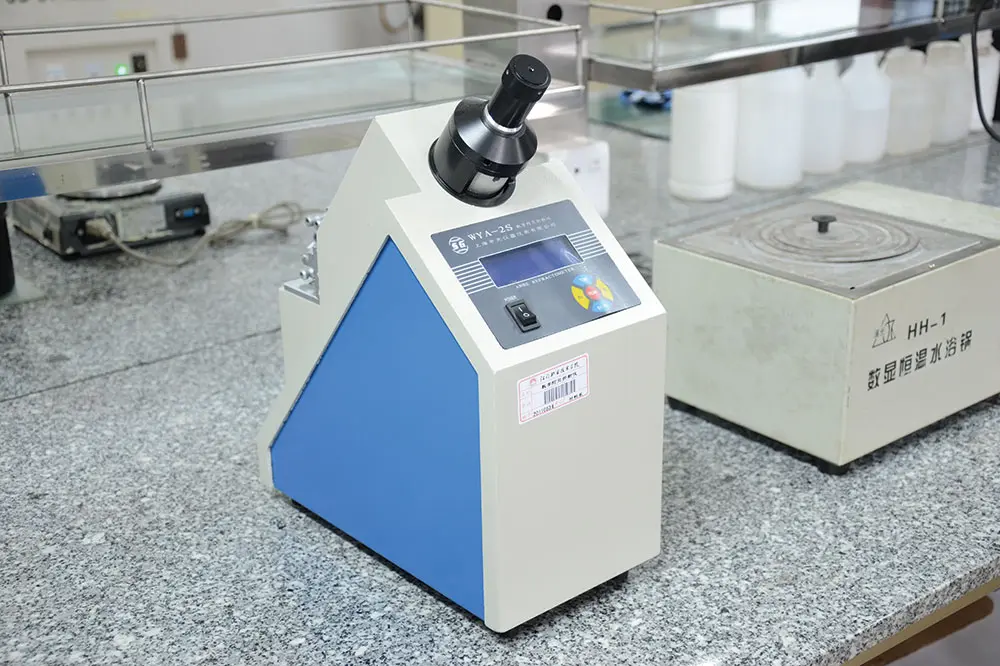
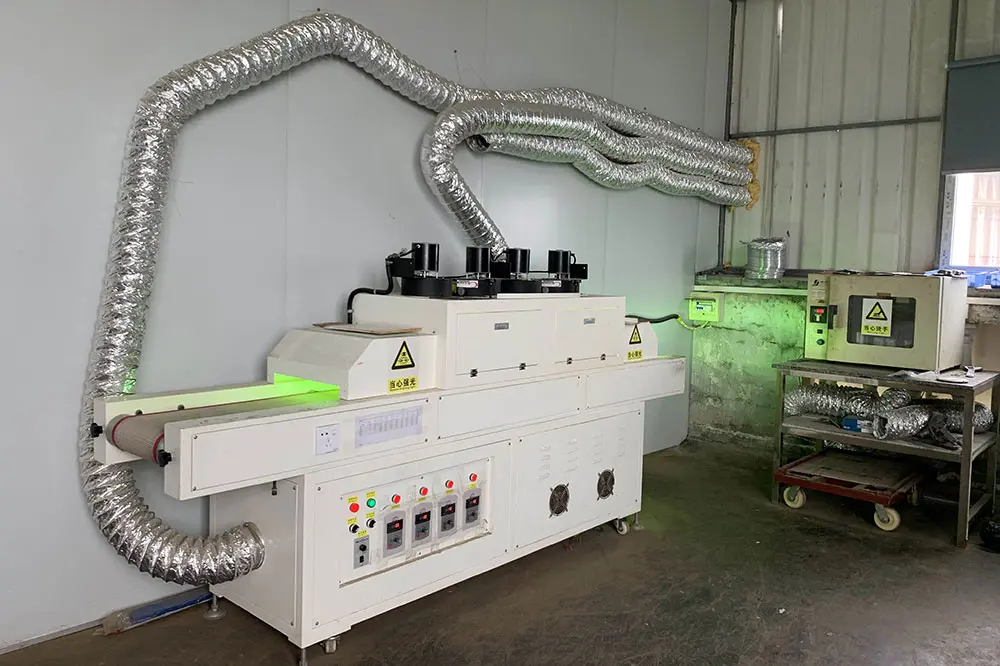
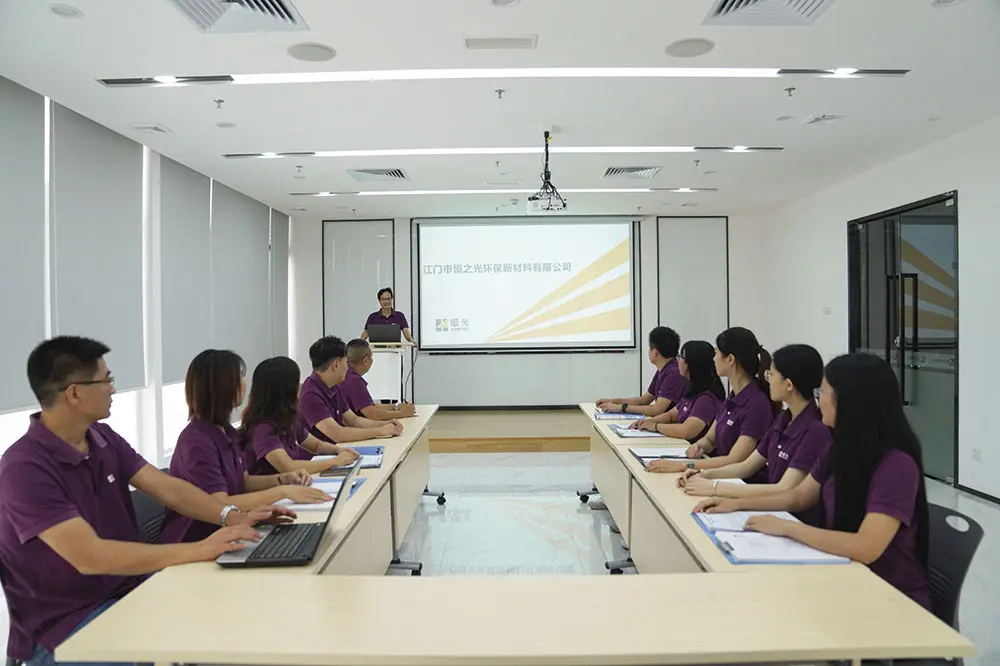
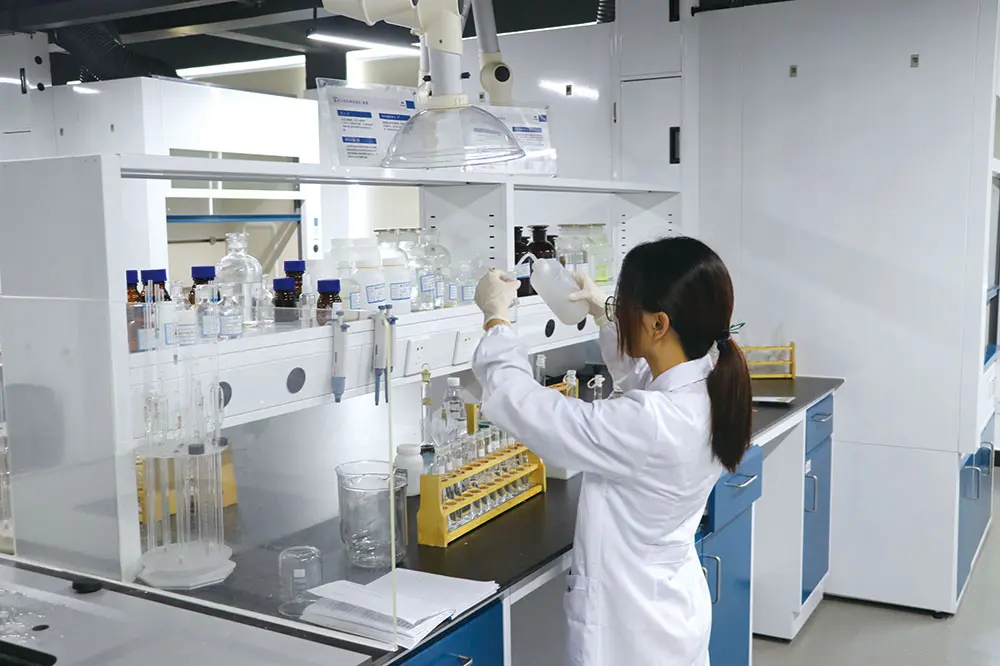
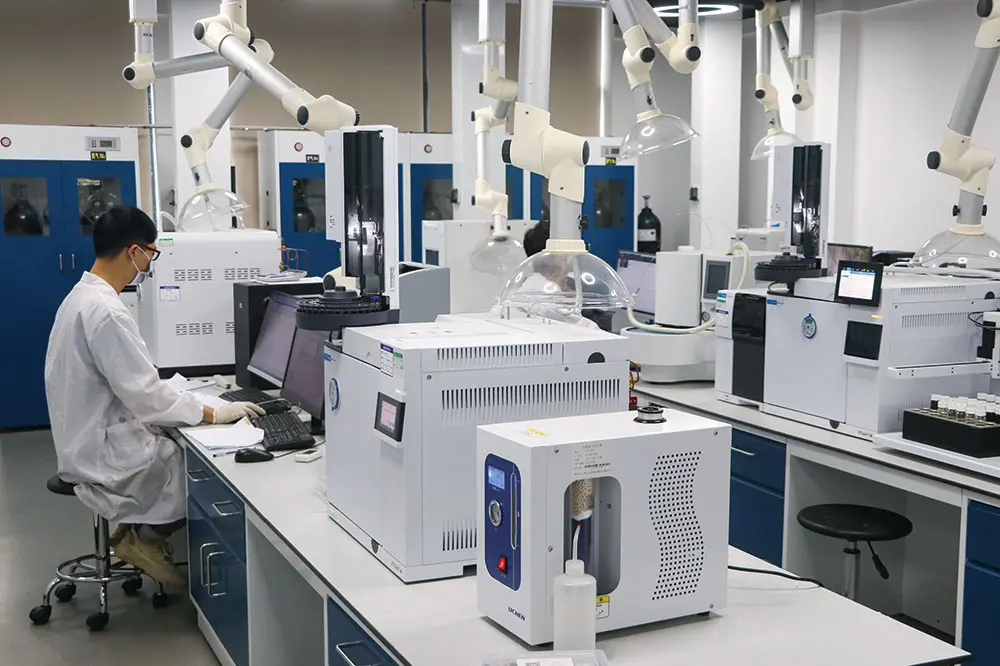
Leveraging China's industrial ecosystem allows us to deliver high-performance oligomers with excellent cost structures and reliable supply timelines.
Direct upstream integration with chemical clusters in Guangdong guarantees consistent access to core monomers like Acrylic Acid, TDI, and polyols, reducing price volatility.
Fully computerized DCS management minimizes manual control deviations, ensuring precise replication of reaction steps and consistent quality control parameters.
Located close to major deep-water ports (Guangzhou, Shenzhen), we provide flexible shipping options (FCL, LCL, ISO-tank) to reduce international lead times.
For global procurement officers, dealing with Ever Ray means navigating a simplified path to high-volume procurement. Having an annual production capacity exceeding 20,000 tons allows us to fulfill large demands without causing lead time delays. Furthermore, our formulation team works closely with clients to supply optimized mixtures that help reduce downstream raw material consumption while maintaining mechanical performance.
We ensure all products meet strict environmental and hazard classification criteria required for import and use in global markets.
Operating as a reliable international chemical supplier, Guangdong Ever Ray pays close attention to global chemical regulations. Our R&D processes prioritize environmental compliance, aligning with standard international frameworks.
Our quality assurance program guarantees that every shipment is delivered with comprehensive documentation, including detailed Certificate of Analysis (COA) reports, Technical Data Sheets (TDS), and safety-compliant Safety Data Sheets (SDS) authored under the Globally Harmonized System (GHS) format. This regulatory diligence minimizes customs clearance bottlenecks and ensures smooth integration into your supply chain.
| Regulatory Frame / Standard | Conformity Status | Target Industrial Market |
|---|---|---|
| REACH Regulation (EC 1907/2006) | Compliance options available for selected monomers and oligomers. | European Union / UK |
| RoHS (Directive 2011/65/EU) | Guaranteed free from restricted heavy metals, PBBs, and PBDEs. | Electronics, Consumer Goods (Global) |
| ISO 9001 / ISO 14001 | Certified manufacturing processes and environmental management system. | Global Industrial Procurement |
| VOC Regulations | Optimized high-solid and 100% active solvent-free formulations. | Strict environmental emission zones |
Optimizing performance requires aligning specific chemical compositions with the appropriate substrate and application methods.
Requires fast surface curing, high leveling, scratch resistance, and low odor profiles to meet the speed requirements of roller and spray application lines.
Recommended Products: 5502B (Polyester Acrylate), Fast Curing Modified Epoxy Acrylate Oligomer.
Focuses on low volumetric shrinkage, reliable adhesion to diverse substrates, thermal stability, and good anti-yellowing performance under operating conditions.
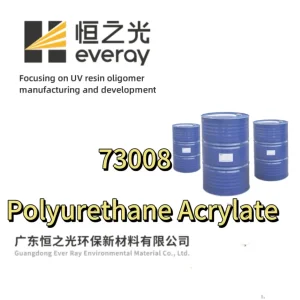
Recommended Products: 73008 (Low-Shrinkage PUA), 6200D (Shadowless Adhesive Base).
Demands low viscosity, high pigment wetting capabilities, rapid curing under LED/Mercury sources, and resistance to solvent wipe tests.
Recommended Products: 5335B (Color Ink Base), 6300 (Low Viscosity Epoxy Acrylate).
As regulatory landscapes shift and consumer demands evolve, three key trends are shaping the future of urethane and UV-curing technology.
Conventional mercury vapor lamps generate substantial heat and ozone. The industry is rapidly adopting UV-LED lamps operating at 365nm, 385nm, or 395nm wavelengths. This shift requires raw materials to have higher reactivity at long UV wavelengths. Our R&D focuses on optimizing the molecular design of oligomers to prevent oxygen inhibition in these wavelength ranges, ensuring efficient surface curing under LED light sources.
Reducing dependence on fossil resources is a growing priority for the industry. Research is expanding into polyurethane acrylates synthesized from bio-based polyols derived from vegetable oils, starches, or agricultural byproducts. This approach aims to reduce carbon footprints without compromising key mechanical properties such as tensile strength, flexibility, and scratch resistance.
In modern industrial design, substrates are often complex composites containing plastic, metal, and glass elements. Relying solely on free-radical UV curing can lead to uncured areas in shadowed regions. Developing dual-cure systems—combining UV radical mechanisms with secondary moisture-cure or thermal-isocyanate cure chemistry—allows for reliable crosslinking throughout the entire coating matrix.
Ensure you evaluate these key properties when selecting a Urethane Resin supplier:
Expert answers to common engineering questions regarding the application and handling of UV-curable urethane resins.
Select from our extended portfolio to find the precise formulation match for your application needs.
 Ever Ray