Explore our high-performance polyurethane acrylates, epoxy acrylates, and specialty waterborne systems designed for superior cross-linking density, rapid cure kinetics, and surface protection.
The global industrial landscape is shifting rapidly from thermal-cure systems to energy-efficient, environmentally compliant radiation curing technologies. As a key segment, UV curing glue and resin formulations require exceptional base oligomers to meet the rigorous demands of structural bonding, thin-film coating, and additive manufacturing. UV-curable monomers and oligomers determine the ultimate mechanical properties, cross-linking kinetics, and substrate adhesion profile of the final formulation.
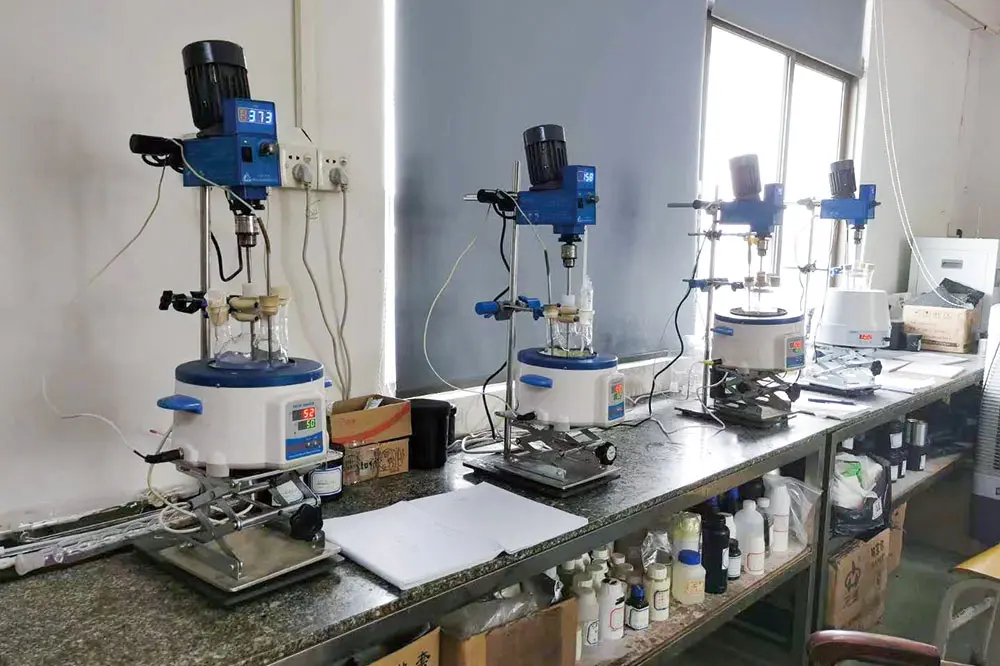
Our R&D efforts focus on optimizing chemical pathways for polyurethane acrylates (PUA), epoxy acrylates (EA), and polyester acrylates. By adjusting the molecular architecture, such as aliphatic vs. aromatic backbones and functional branch density, we achieve precise control over critical indices. These include glass transition temperature (Tg), tensile strength, volume shrinkage, and weatherability. Our solutions resolve common industrial bottlenecks like oxygen inhibition, interface stress cracking, and yellowing over extended UV exposure cycles.
A comprehensive analysis of market dynamics, technology transitions, and application landscapes.
The global UV-curable resin and adhesive market is expanding at a CAGR of over 7.8%, driven by strict environmental regulations regarding volatile organic compound (VOC) emissions. Across Europe, North America, and the Asia-Pacific region, industries are phasing out solvent-based formulations in favor of 100% solid, solvent-free radiation-curable systems. This shift is particularly prominent in high-throughput production lines where instantaneous cure speeds greatly reduce footprint and energy requirements.
For manufacturers of industrial electronics, medical devices, optoelectronic displays, and automotive sensors, the demand for precision UV adhesives is expanding. Modern assembly relies on high-speed robotic dispensing, demanding strict control over viscosity stability, rheological behavior, and thixotropic indexes. These properties ensure that when exposed to narrow-band UV-LED lamps, the chemistry undergoes complete monomer conversion, leaving minimal extractables.
Furthermore, automotive lightweighting has increased the usage of plastic-to-metal and composite-to-composite bonding. These configurations experience severe thermal stress under high operating temperatures. This necessitates the use of specialized aliphatic polyurethane acrylates (such as our 7296-1 and 7291B) that offer optimal balance between high tensile strength and high elongation at break, preventing joint delamination.
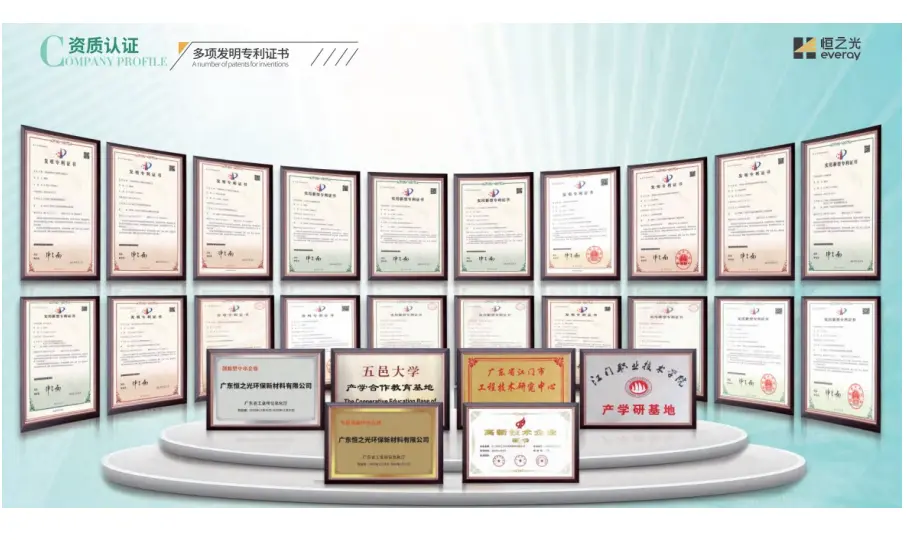
Guangdong Ever Ray Environmental Material Co., Ltd., established in 2006, is a prominent high-tech enterprise dedicated to the research, development, and high-volume manufacturing of specialty oligomers for UV-curable resins. Our diverse chemical portfolio includes epoxy acrylate, polyurethane acrylates (waterborne, aliphatic urethane, aromatic urethane), polyester acrylate, pure acrylate, and custom-modified acrylate oligomers designed for critical industrial performance.
With over 15 highly skilled technicians in our dedicated R&D department and more than 10 invention and practical patents, we supply polymer formulations that deliver exceptional reactivity, chemical resistance, and high gloss. We serve major global sectors including wood coatings, plastic coatings, industrial packaging inks, and structural adhesives. Our dual focus is on technological innovation and environmental protection, driving sustainability in green materials design.
How our vertically integrated logistics, advanced DCS systems, and scale of operations benefit global procurement managers.
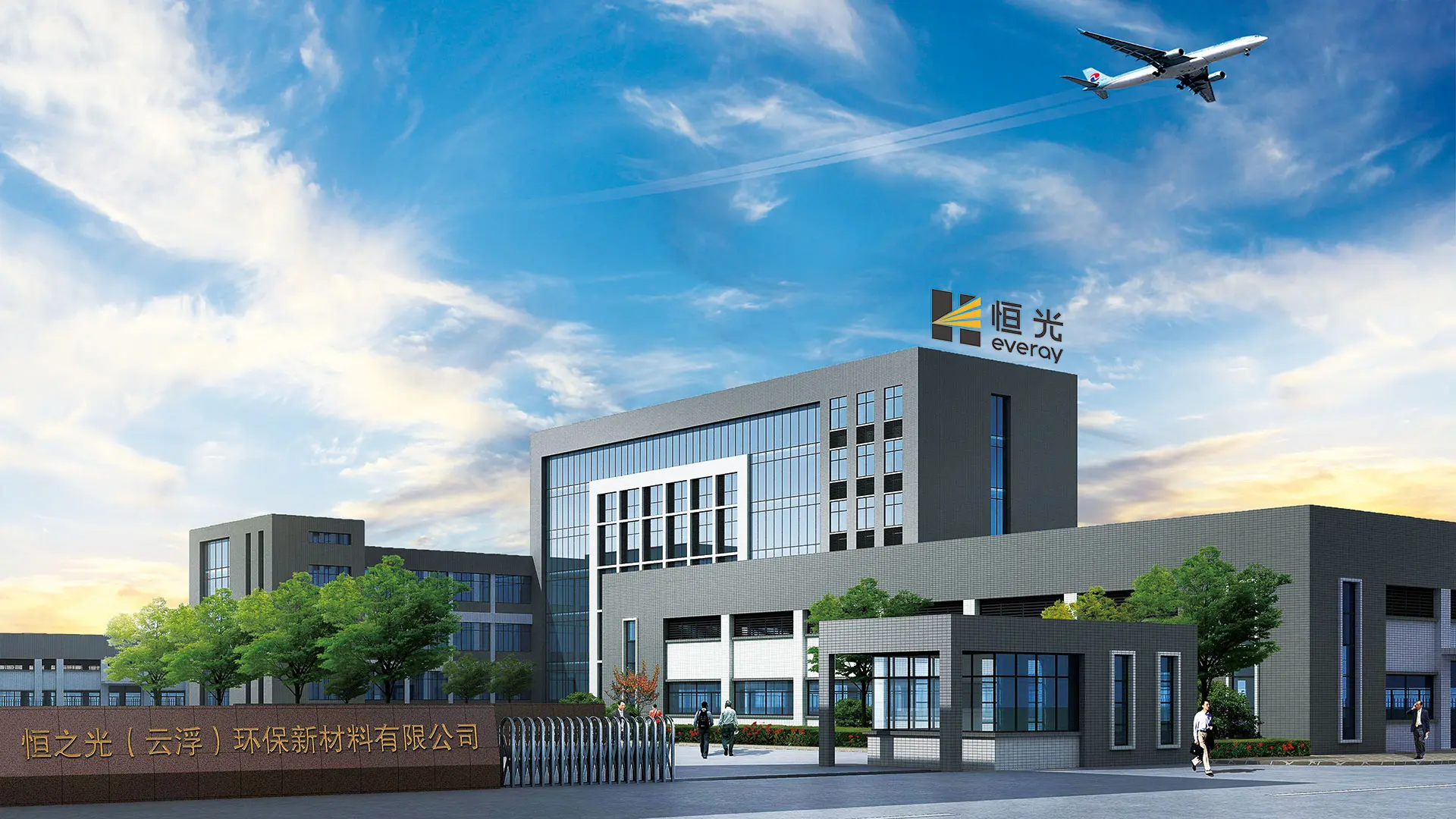
In the chemical synthesis sector, supply chain resilience, production consistency, and cost-effectiveness are paramount. Operating from two large-scale manufacturing hubs in Guangdong, China, Ever Ray delivers consistent quality and scale. The Jiangmen facility occupies 10,000 square meters, while the Yunfu production base spans 40,000 square meters. Both plants are integrated with automated warehousing, real-time quality control labs, and dedicated logistics operations.
By implementing a Distributed Control System (DCS) for fully computerized reactor control, we ensure that every batch of epoxy or polyurethane acrylate oligomer is synthesized with precise molecular weight distribution, viscosity consistency, and monomer conversion control. This level of process control minimizes batch-to-batch variation, a crucial factor for adhesive formulators where minor deviations in oligomer viscosity can alter dispensing parameters in precision assembly lines.
Our strategic location in China's Pearl River Delta chemical cluster grants us immediate access to core petrochemical feeds and raw acrylates. This proximity minimizes raw material transit costs, buffers us against market volatility, and shortens procurement lead times for foreign buyers. We leverage this ecosystem to secure high-grade raw materials and utilize advanced synthesis methods under ISO 9001 and ISO 14001 certified guidelines, ensuring that environmental impact reduction matches product performance.
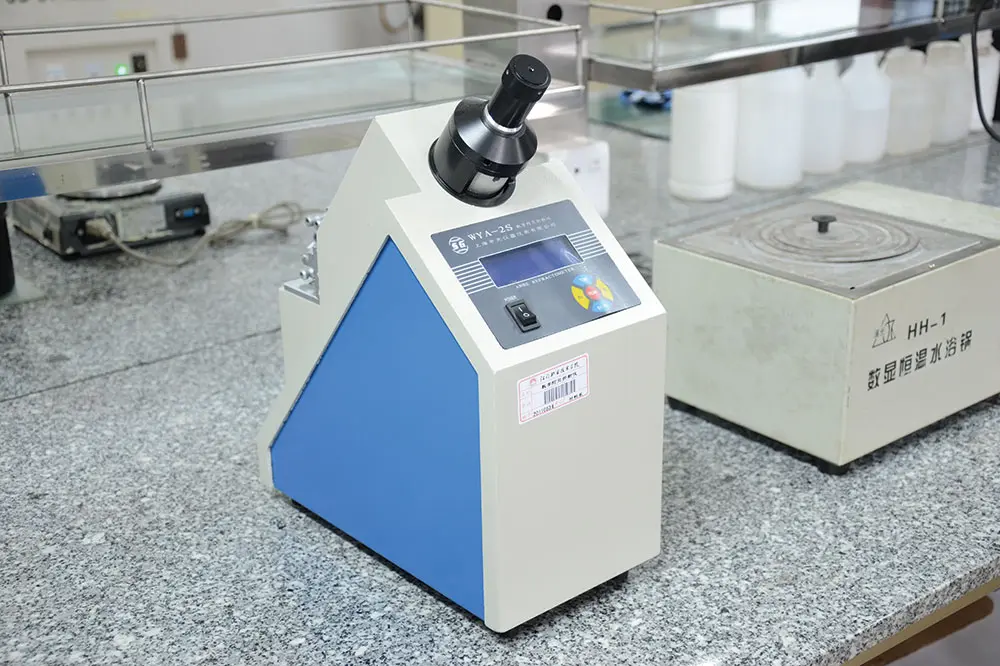
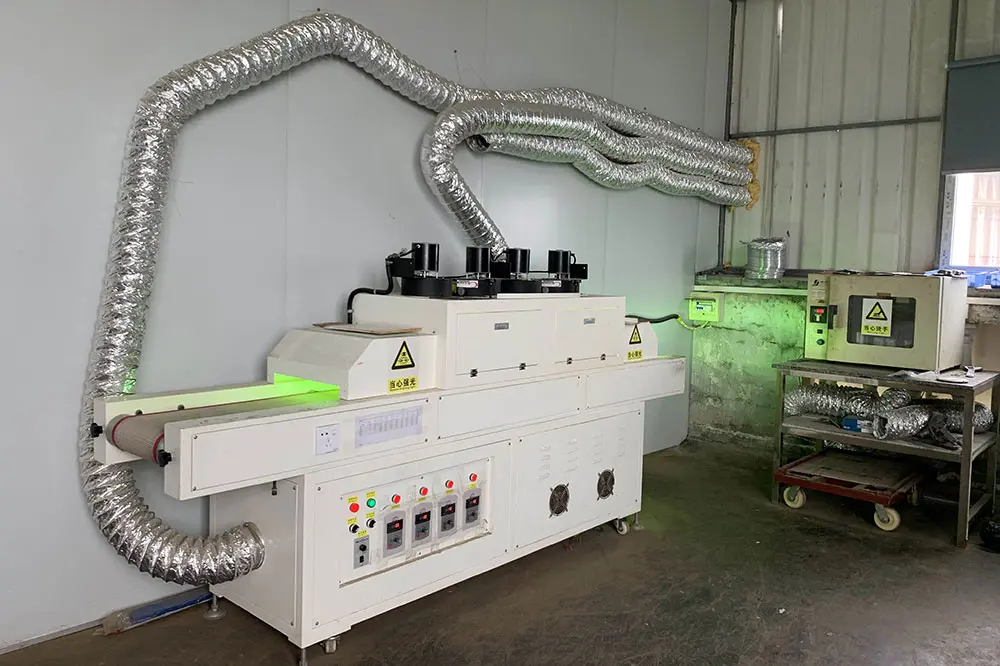
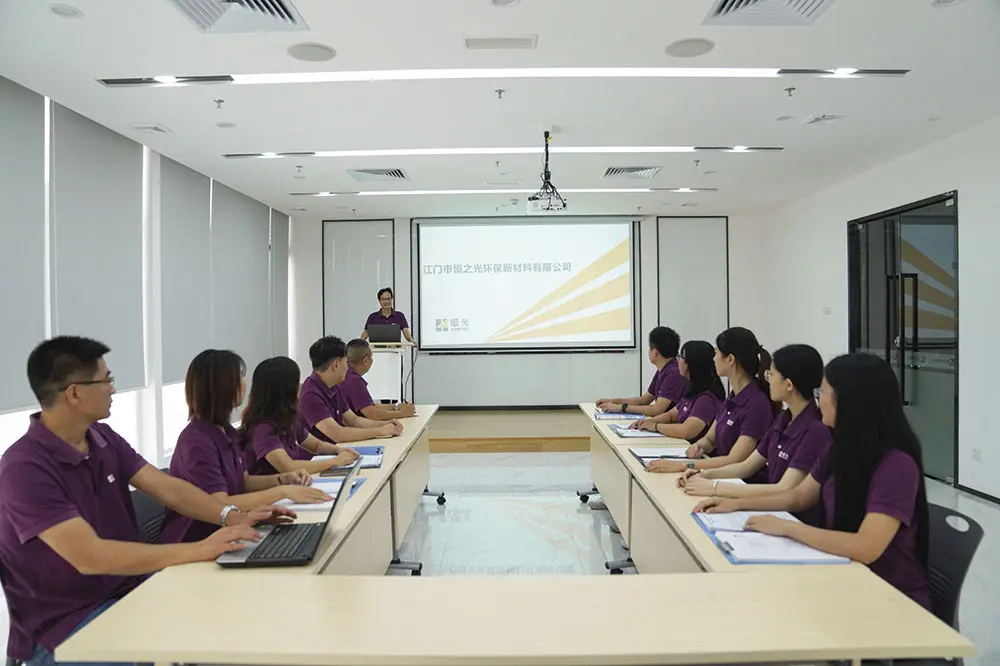
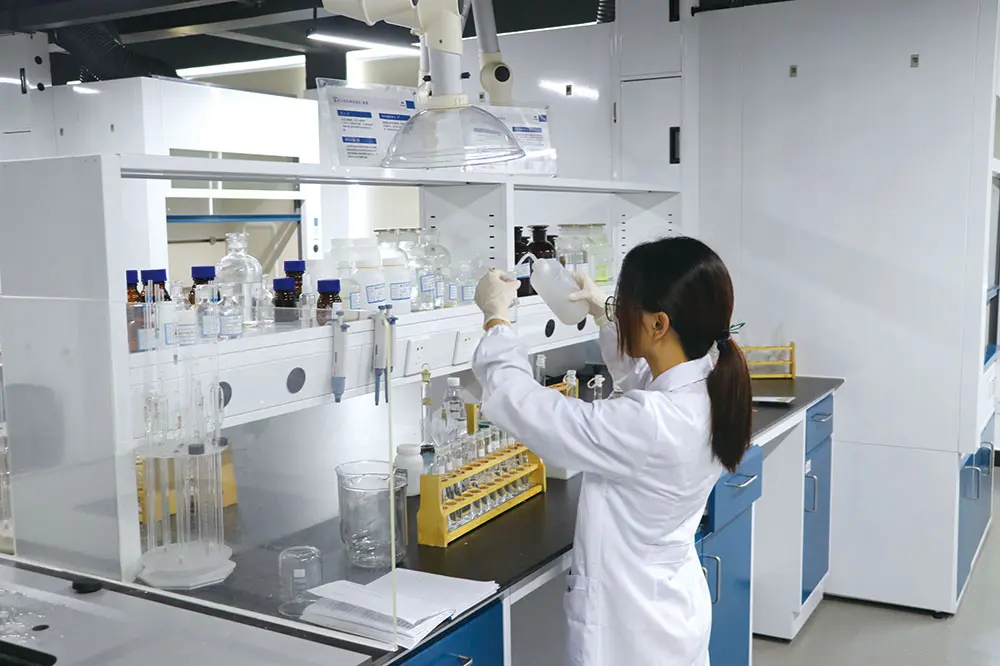
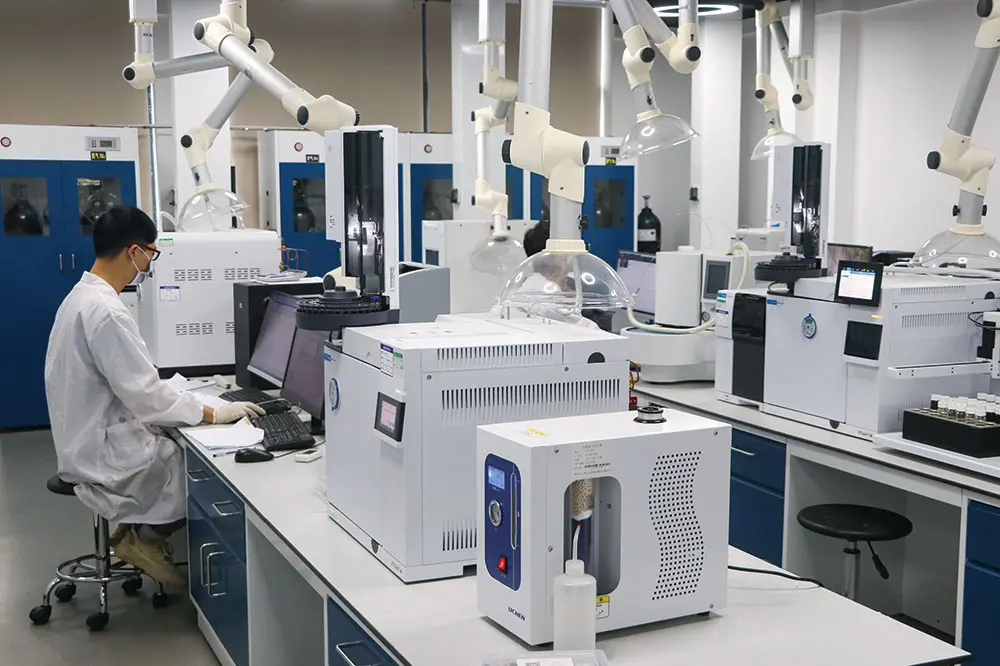
Discover how our chemical formulations are integrated into global manufacturing processes, meeting strict mechanical and thermal requirements.
In high-density automotive circuits, camera sensors, ADAS radar components, and display panels require reliable encapsulation and bonding. The adhesive must exhibit minimal cure shrinkage (below 2% volume contraction) and high thermal cycling stability between -40°C and 150°C. Aliphatic polyurethane acrylates (like Ever Ray PUA series) prevent internal component stress, providing robust environmental isolation against moisture, salt spray, and oils.
Modern architectural wood coatings and plastic profiles require protective layers that combine high gloss, chemical resistance, and scratch resistance. Using waterborne UV resins like our Waterborne 70601, formulators eliminate organic solvent emissions while maintaining dry-film clarity, high surface hardness, and adhesion to complex plastic substrates (ABS, PC, PVC). This enables fast processing speeds for industrial flooring and electronic enclosures.
High-speed commercial printing presses demand UV curing inks with low viscosity and excellent pigment dispersing capabilities. Polyester acrylates and modified epoxy acrylates provide the required rheology, ink-water balance, and cure response under LED-UV curing lamps. This makes them suitable for food packaging and label printing on non-porous films, preventing ink migration and maintaining structural adhesion.
Anticipating regulatory changes, process automation, and green chemistry requirements over the next decade.
The UV-curable materials market is evolving toward eco-friendly chemistry and high-precision curing. Key developments include:
How Ever Ray supports global buyers with technical documentation, custom formulation development, and scalable production.
Purchasing managers in electronic assembly, packaging, and coating industries face three core challenges: quality consistency, supply chain reliability, and technical support. At Ever Ray, we address these challenges through a collaborative process:
Explore our comprehensive chemical catalog for industrial coatings, packaging offset inks, and protective varnishes.
Technical insights and answers for chemical engineers, adhesive formulators, and procurement managers.
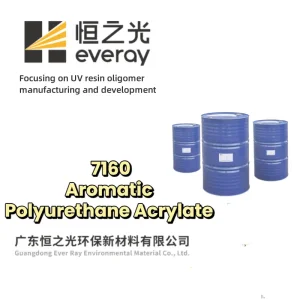
Aliphatic polyurethane acrylates are synthesized with aliphatic diisocyanates, providing excellent resistance to outdoor weathering and yellowing. They are ideal for high-exposure coatings and automotive applications. Aromatic polyurethane acrylates, synthesized with aromatic diisocyanates like TDI or MDI, offer faster curing speeds, higher refractive indices, and better cost efficiency. However, they are prone to yellowing under prolonged UV exposure, making them suitable for indoor coatings, wood finishes, and undercoats.
Standard Bisphenol A Epoxy Acrylate (e.g., 9105A-80) provides excellent hardness, scratch resistance, and curing speeds, but it exhibits low elongation, high shrinkage, and poor adhesion to metals or plastics. Modified epoxy acrylates incorporate soft segments or acid modifications. This reduces volume shrinkage during polymerization, improves flexibility, and enhances adhesion to difficult substrates like glass and metals (e.g., our 17730A-2 glass UV coating resin) while maintaining fast curing properties.
Volume shrinkage is caused by the reduction in distance between monomer and oligomer molecules as they crosslink during photopolymerization. To mitigate this, formulators should use higher molecular weight oligomers, select resins with lower functional density (such as flexible polyurethane acrylates), and incorporate specialized low-shrinkage diluting monomers like IBOA (isobornyl acrylate) or dynamic ring-opening monomers. Using resins like our 5017 or low-shrinkage polyurethane acrylates helps balance shrinkage with structural strength.
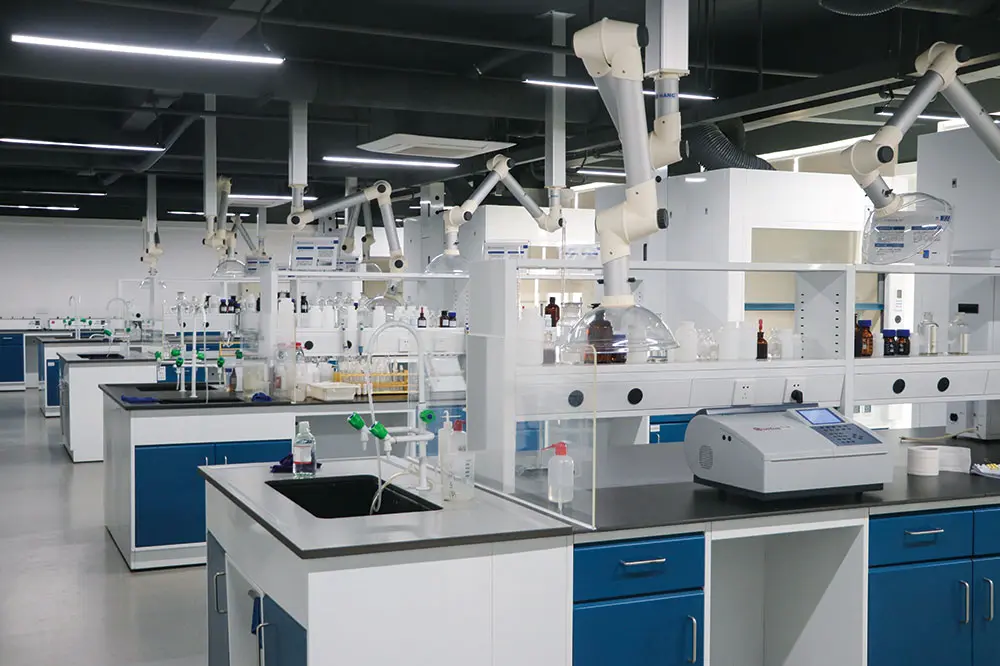
Our manufacturing processes are managed under ISO 9001 quality guidelines. We use a Distributed Control System (DCS) to monitor reactor temperatures, feed rates, agitation speeds, and vacuum levels in real-time. Additionally, our quality control lab performs testing on raw material feeds, intermediate batches, and final products. We use GPC molecular weight mapping, Brookfield viscosity profiling, and FTIR spectral matching to ensure each batch meets specifications.
Yes, our waterborne UV-resins, such as Waterborne 70601, are designed for waterborne formulations and are compatible with standard roller coater, spray, and curtain coating machinery. They require a short thermal flash-off step to remove water before UV curing, which yields a tack-free coating with low VOC emissions, high gloss, and chemical resistance.
 Ever Ray