Developing Industrial-Grade Oligomers and Custom Polyurethane / Epoxy Acrylates for Ultimate Interfacial Covalent Adhesion on Challenging Glass Substrates.
Engineered for extreme adhesion, flexibility, and weathering resistance on multi-substrates.
Providing critical information gain: how specialized UV primers bypass the thermodynamic barriers of glass.
Glass is inherently hydrophilic, polar, and covered with a dynamic layer of bound water molecule silanols (Si-OH). Organic polymers typically fail to form durable bonds with this surface. Professional UV glass primer coatings address this by incorporating organofunctional silanes. These molecules act as molecular bridges: the hydrolyzable alkoxy groups react directly with the glass surface, while the organofunctional (meth)acrylic groups copolymerize during UV radiation exposure, creating irreversible covalent siloxane connections (Si-O-Si).
Upon radical polymerization under UV light, acrylates undergo significant volumetric shrinkage (up to 5-15%). This creates massive internal shear stress at the coating-substrate interface, leading to peeling and delamination. Ever Ray's R&D department synthesizes specialized low-shrinkage oligomers, such as modified epoxy acrylates and pure acrylate resins, which contain flexible molecular linkages. These materials dissipate crosslinking stress and ensure excellent post-curing adhesion.
Atmospheric moisture easily penetrates standard coatings and displaces non-covalent polar bonds formed on glass. Industrial guidelines specify high requirements for moisture stability (such as double-85 testing or boiling water tests). An advanced UV glass primer utilizes crosslink-dense, hydrophobic polyurethane acrylates and dual-functional monomers to prevent water molecules from reaching the glass-polymer interface, protecting against long-term debonding.
A deep dive into emerging market requirements, technological shifts, and structural changes.
The global industrial glass coating market is undergoing rapid evolution. Driving factors include the demand for cleaner technology, shorter curing cycles, and the expansion of architectural and electronics applications. Here are key trends identified by our technical directors:
| Trend Area | Legacy Technology Paradigm | Modern UV Solution Shift | Core Chemical Driver |
|---|---|---|---|
| Curing System Evolution | High energy, high temperature thermal baking ovens (150°C - 200°C) | Eco-friendly LED-UV instant curing at room temperature | High reactivity polyurethane acrylates with targeted photoinitiator packages (TPO/819) |
| Environmental Regulations | Solvent-based systems high in VOCs (Volatile Organic Compounds) | Waterborne UV and 100% solid solvent-free formulations | Water-soluble and low-viscosity monomer-diluted oligomers conforming to REACH |
| Adhesion Shelf-life | Two-component systems requiring on-site mixing of silanes | Stable, single-component, pre-mixed shelf-stable UV primers | Sterically hindered or blocked silane coupling systems incorporated into UV-resins |
| Multi-Substrate Applications | Separated formulations for glass, metals, ceramics, and plastics | Universal primers with broad-spectrum compatibility | Modified multi-functional epoxy acrylates and hybrid ester networks |
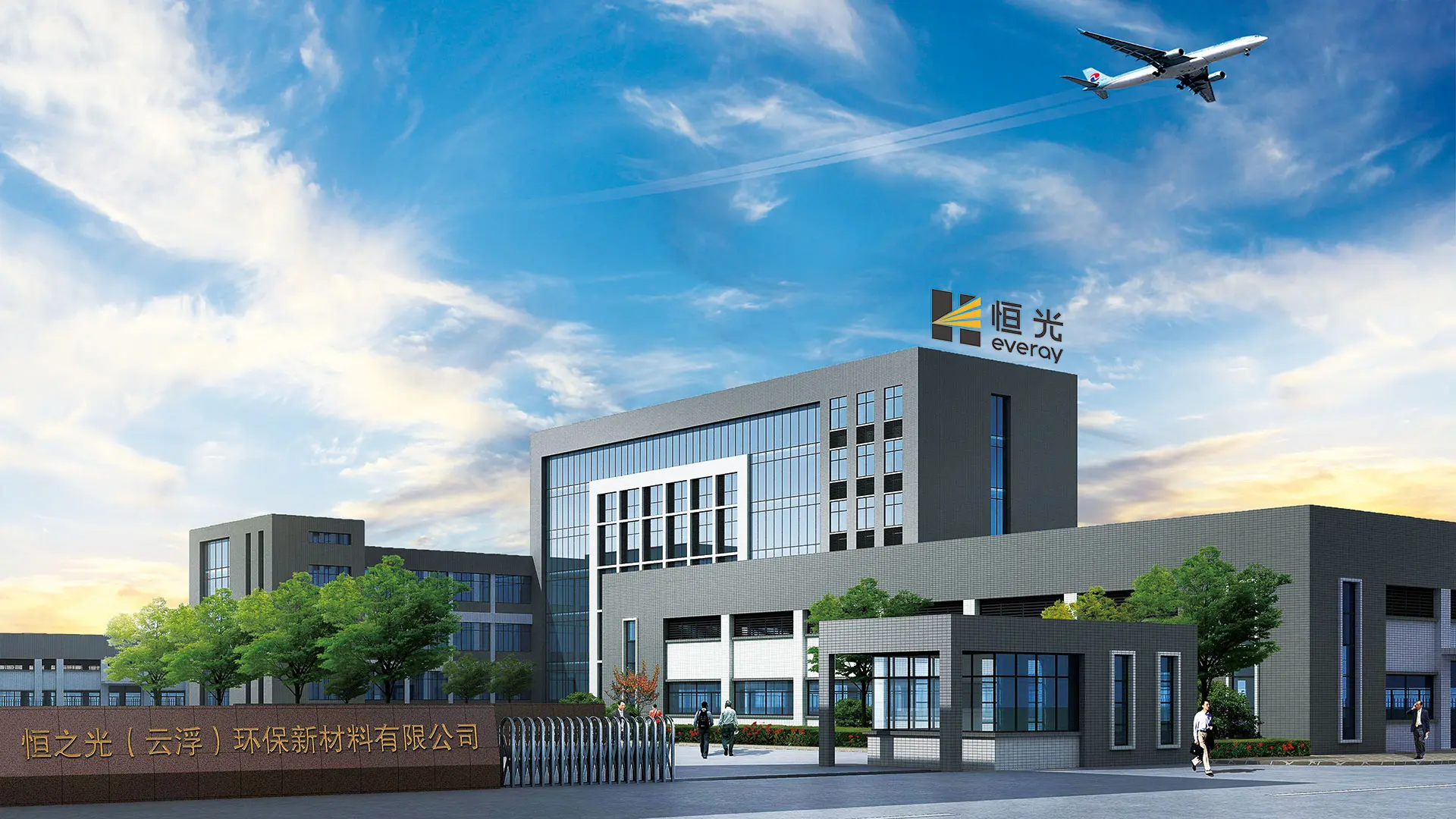
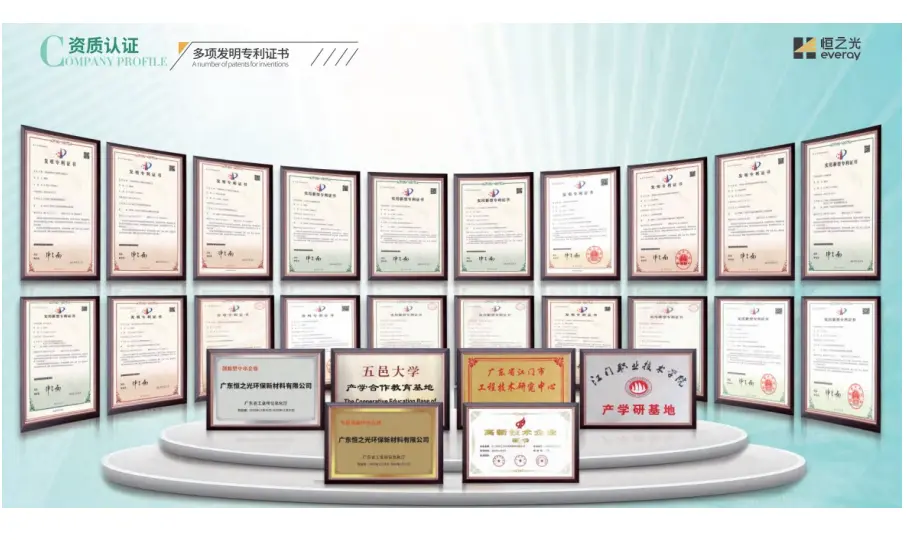
Guangdong Ever Ray Environmental Material Co., Ltd., established in 2006, is a recognized high-tech enterprise dedicated to the R&D and manufacturing of oligomers for UV curable resins, including epoxy acrylate, polyurethane acrylate (waterborne, aliphatic urethane, aromatic urethane), polyester acrylate, pure acrylate, and other specialized modified functional acrylate oligomers.
Our commitment to green technology and high performance has made us a trusted global partner for industrial UV curable coatings, screen inks, glass primers, adhesive systems, and structural varnishes.
By leveraging advanced DCS computer-controlled production systems and collaborating with top-tier raw material suppliers globally, we maintain batch-to-batch consistency and stability across all our product ranges.
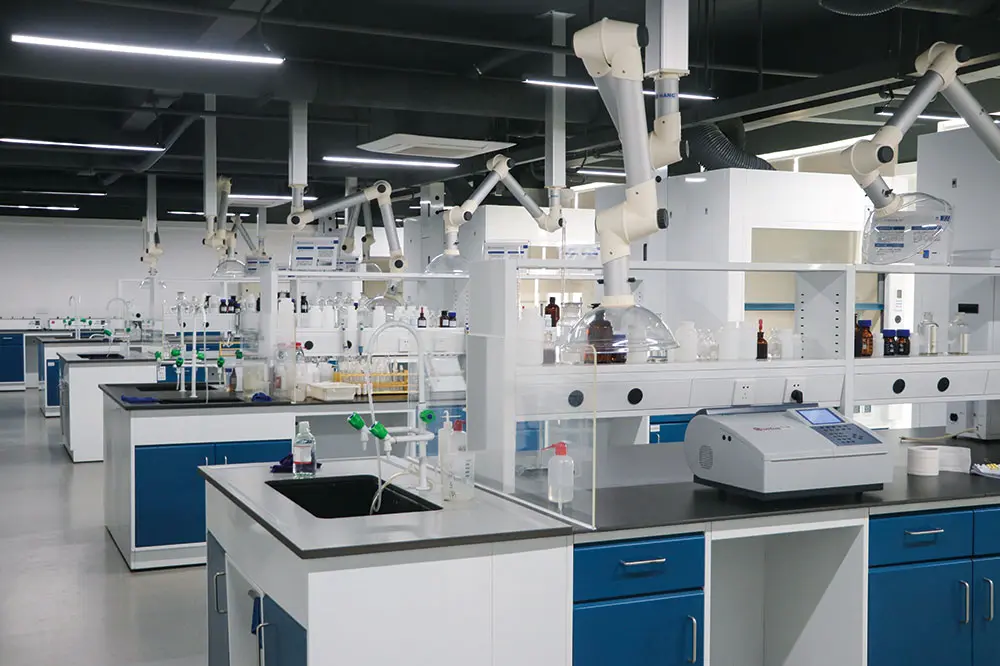
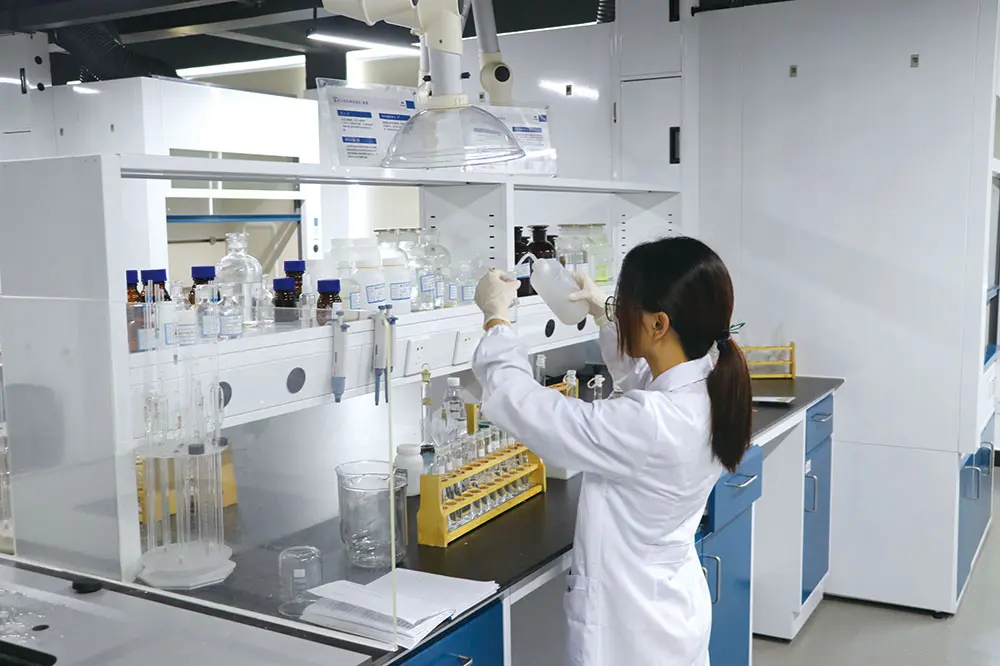
We operate two modern production bases in Guangdong province. Our first facility in Jiangmen covers approximately 10,000 square meters, while our larger manufacturing hub in Yunfu spans around 40,000 square meters. Both facilities are equipped with dedicated quality control laboratories, massive storage facilities, and advanced logistics support infrastructure.
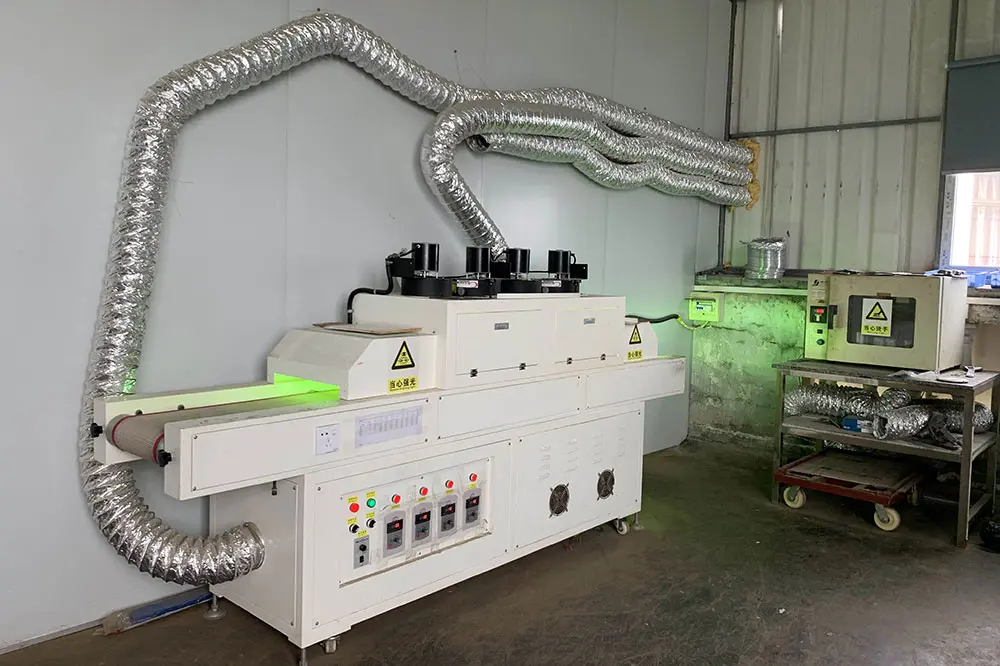
Operating under the ISO9001 Quality Management System and ISO14001 Environmental Management System, our annual output exceeds 20,000 tons. Ten advanced, fully computerized production lines ensure that we satisfy bulk procurement contracts with reliable lead times.
Critical considerations for chemical procurement managers and technical glass processors.
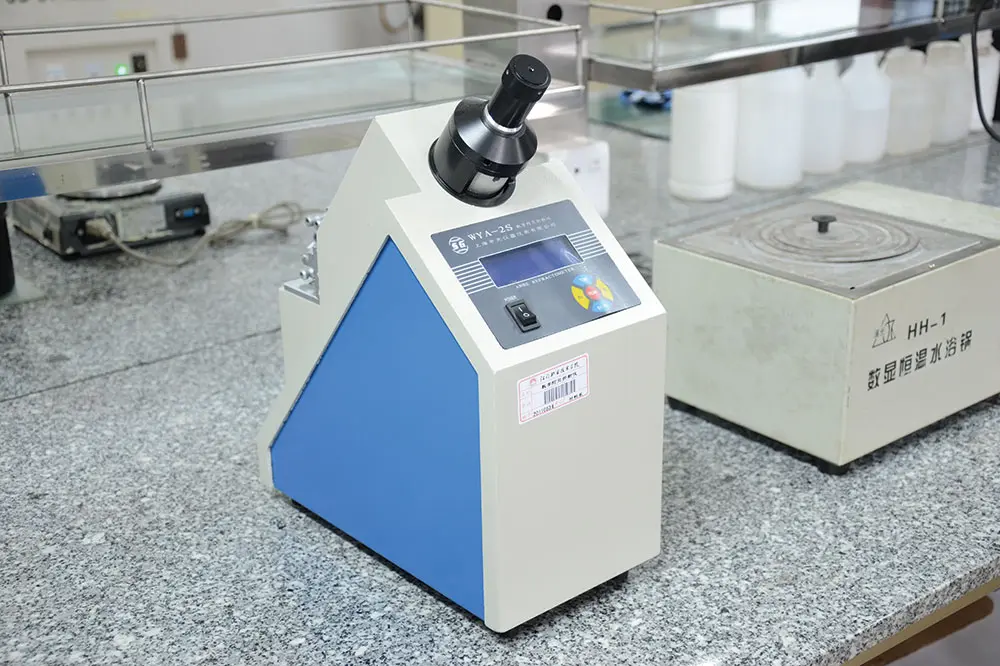
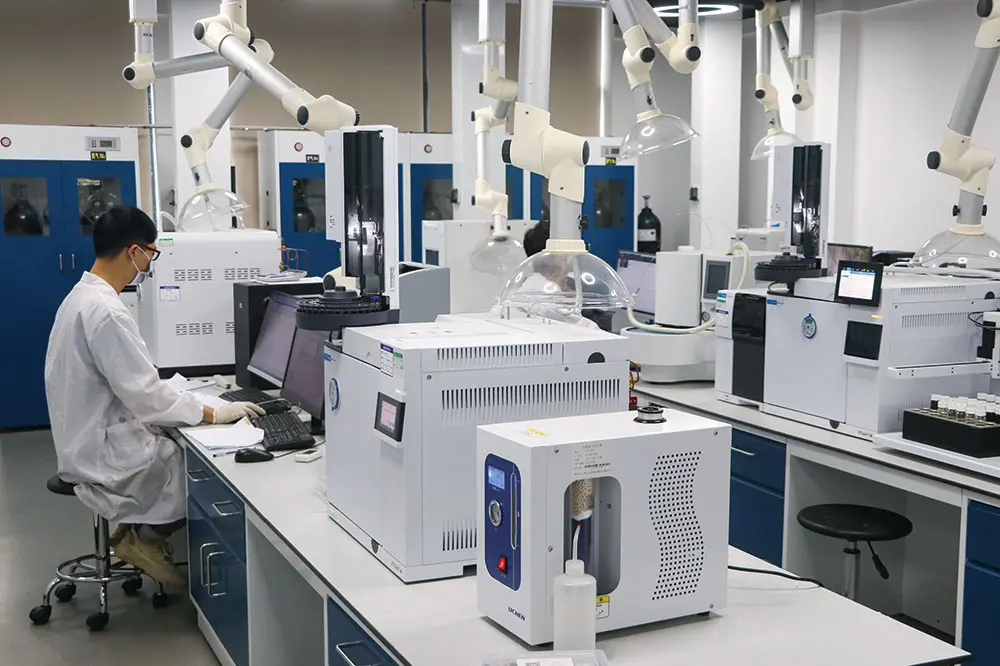
Procuring raw materials requires high consistency. B2B chemical purchasers evaluate gel permeation chromatography (GPC) molecular weight distributions, acid values, and viscosities. Ever Ray operates ISO 9001 and ISO 14001 certified sites with fully automated DCS lines, eliminating batch-to-batch variance. We also provide full COA reports for every lot shipment.
Global supply chains require adherence to environmental frameworks. Ever Ray products are formulated to assist downstream clients in achieving compliance with European REACH, RoHS, TSCA, and Clean Air Act VOC limits. We specialize in green chemistry, designing waterborne UV oligomers and bio-sourced resins to help clients meet carbon-neutral objectives.
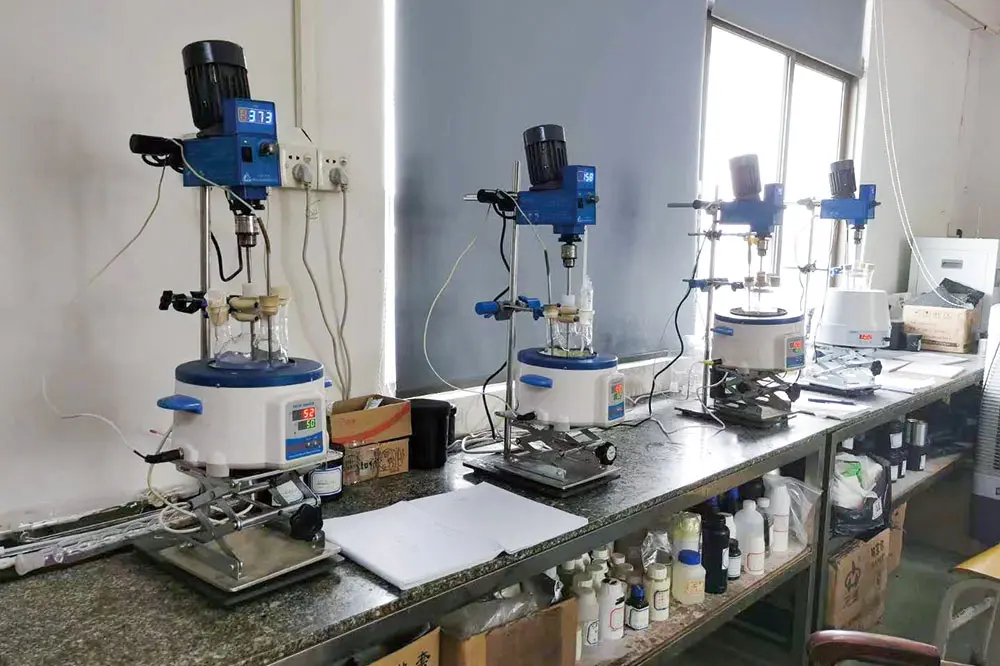
Standard off-the-shelf resins may not meet specific performance criteria for complex substrates like low-E glass, screen printing, or vacuum metallizing. With over 15 technicians in our R&D department, Ever Ray offers custom synthesis to adjust reactivity, flexibility, viscosity, and chemical resistance profiles, providing customized solutions for your formulation requirements.
Pioneering the next generation of UV curable technology for smart surfaces and high durability applications.
Replacing petroleum-derived components with renewable plant-derived carbon. Developing bio-content oligomers (30%-60% bio-based carbon) without compromising high reactivity or crosslinking density.
Optimizing amine-modified acrylates and specialized polyester acrylates to combat oxygen inhibition under lower-energy monochromatic LED-UV sources. This enables complete curing at high line speeds.
Designing resin chains that incorporate both acrylate double bonds and moisture-curable alkoxysilane groups. This ensures shadow-curing in complex, non-planar 3D glass geometries where UV light cannot reach directly.
Technical answers directly from Ever Ray's R&D department experts.
Complete your coating formulation with our high-tech oligomers, customized resins, and additives.
 Ever Ray