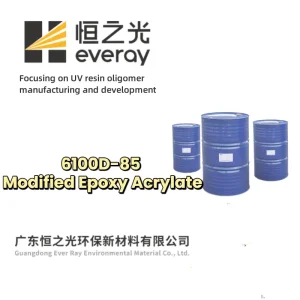
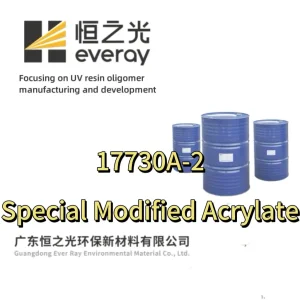
Explore our elite selection of high-efficiency UV resins and epoxidized oils engineered for rapid curing, superior adhesion, and maximum surface durability.
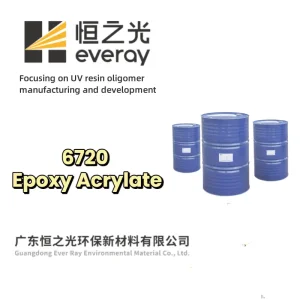
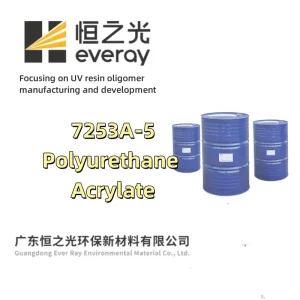
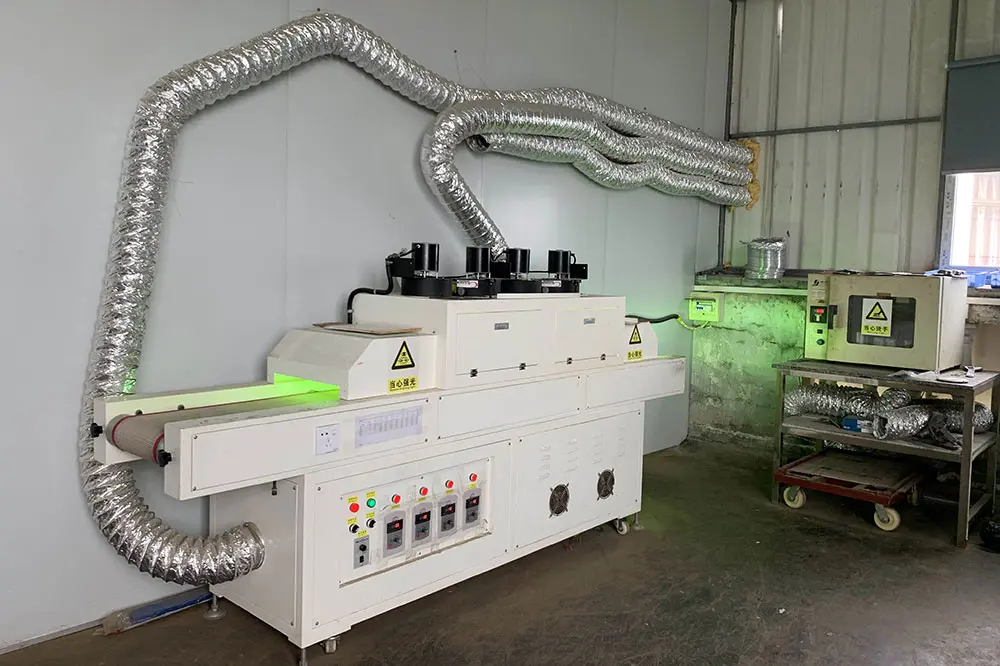
Historically, standard UV-curable coatings relied heavily on high-energy mercury vapor lamps to initiate polymerization. However, the modernization of the industry has propelled technologies like LED UV Curing (365nm to 395nm wavelengths) and Excimer Laser Curing (172nm) into the mainstream. These methodologies are crucial for processing heat-sensitive plastics such as Polycarbonate (PC), Polymethyl Methacrylate (PMMA), Acrylonitrile Butadiene Styrene (ABS), and Polyethylene Terephthalate (PET) without thermal deformation.
The chemistry of plastic coatings has transitioned from basic monomer dilution systems to structured oligomer matrices. Advanced structural formulas utilize polyurethane acrylates (PUA), polyester acrylates, and customized epoxy acrylates to construct crosslinked networks that optimize cure kinetics, control volumetric shrinkage, and improve interfacial adhesion. In high-demand markets like automotive components, consumer electronics, and functional packaging, the adoption of dual-cure systems (photo-thermal mechanisms) has resolved the limitation of shading, allowing complex three-dimensional plastic parts to be cured completely.
Utilizing 172nm excimer laser units to trigger rapid micro-wrinkling of top layers, creating ultra-matte, soft-touch surface finishes without mechanical matting agents.
Merging UV initiation with secondary thermal curing mechanisms. Unexposed shadows of complex geometries achieve full curing, avoiding unreacted monomers.
Developing bio-based raw materials, such as epoxidized soybean oil acrylates, to drastically lower VOC limits while retaining rapid UV polymerization speeds.
Industrial procurement managers faces diverse obstacles when sourcing raw chemicals and formulated coatings. To maintain production line optimization, procurement protocols demand verification of several critical operational criteria:
Leading global enterprises enforce meticulous compliance guidelines. Any UV plastic coating solution integrated into assembly lines must comply with REACH (Registration, Evaluation, Authorisation and Restriction of Chemicals), RoHS directives, and regional environmental protection rules targeting Volatile Organic Compounds (VOCs).
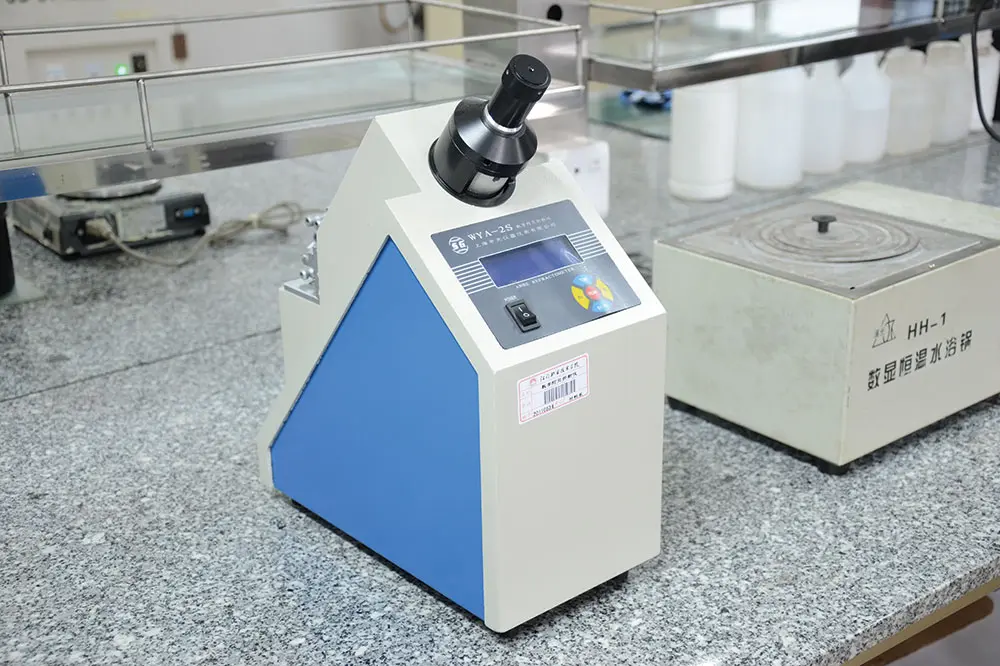
In addition, batch consistency is non-negotiable. Procurement teams require suppliers to demonstrate sophisticated monitoring, such as Fourier Transform Infrared Spectroscopy (FTIR) fingerprint validation, to guarantee molecular consistency over multiple product campaigns.
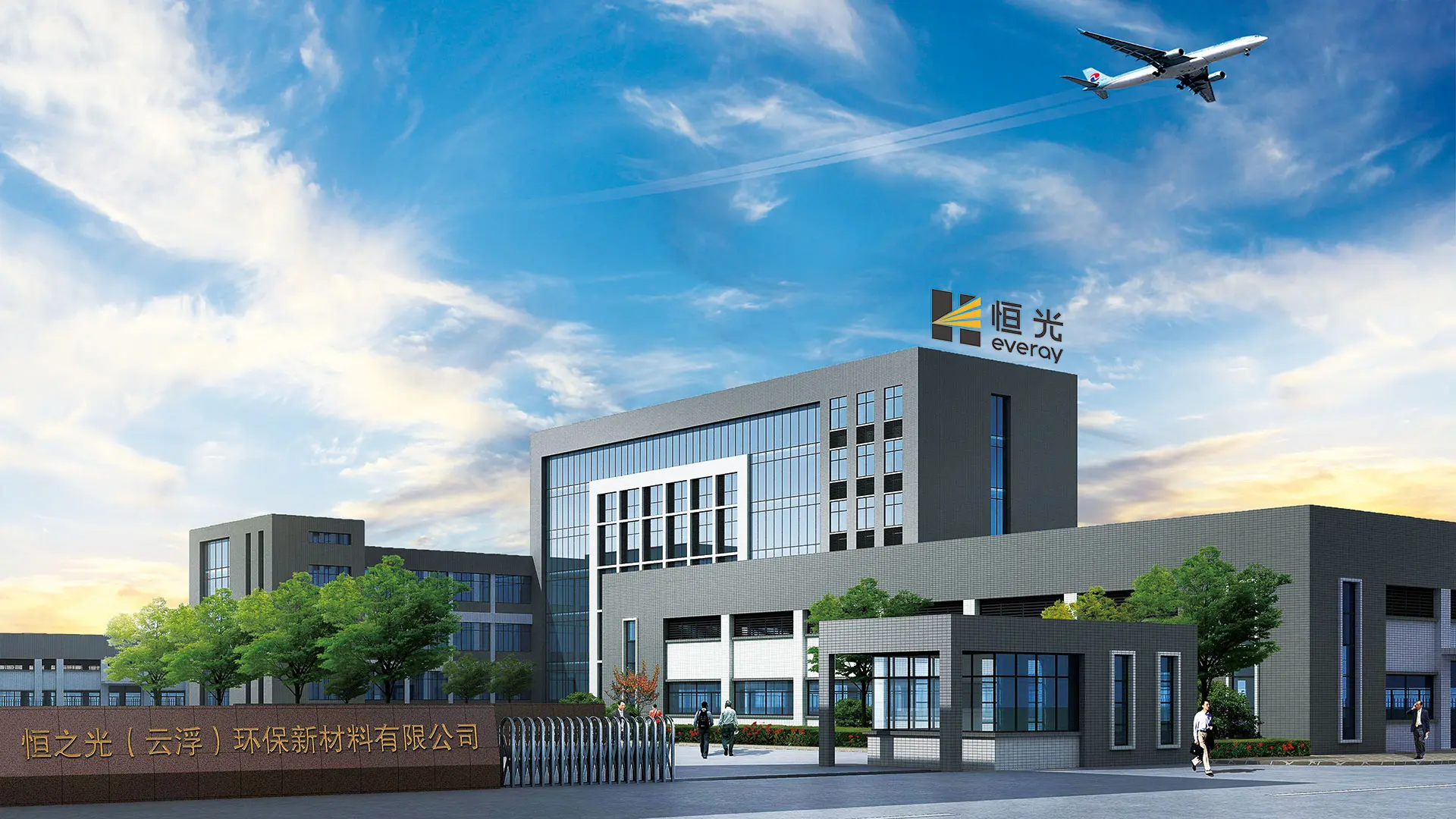
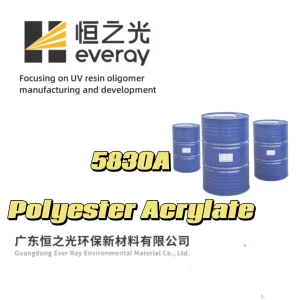
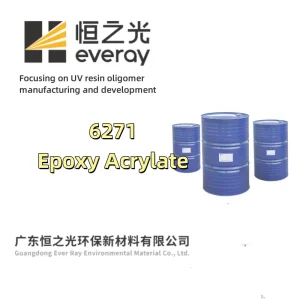
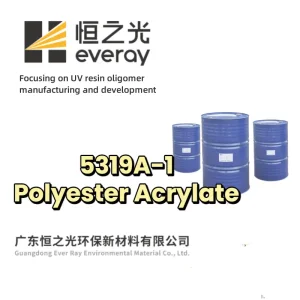
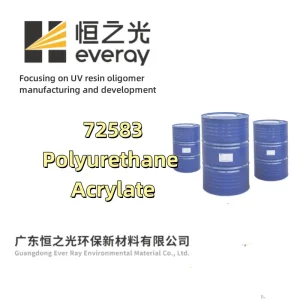
Guangdong Ever Ray Environmental Material Co., Ltd., established in 2006, is a high-tech enterprise focusing on the R&D and manufacturing of oligomers for UV curable resin such as epoxy acrylate, polyurethane acrylate (water-borne, aliphatic urethane, aromatic urethane), polyester acrylate, pure acrylate and other special functional modify acrylate oligomers.
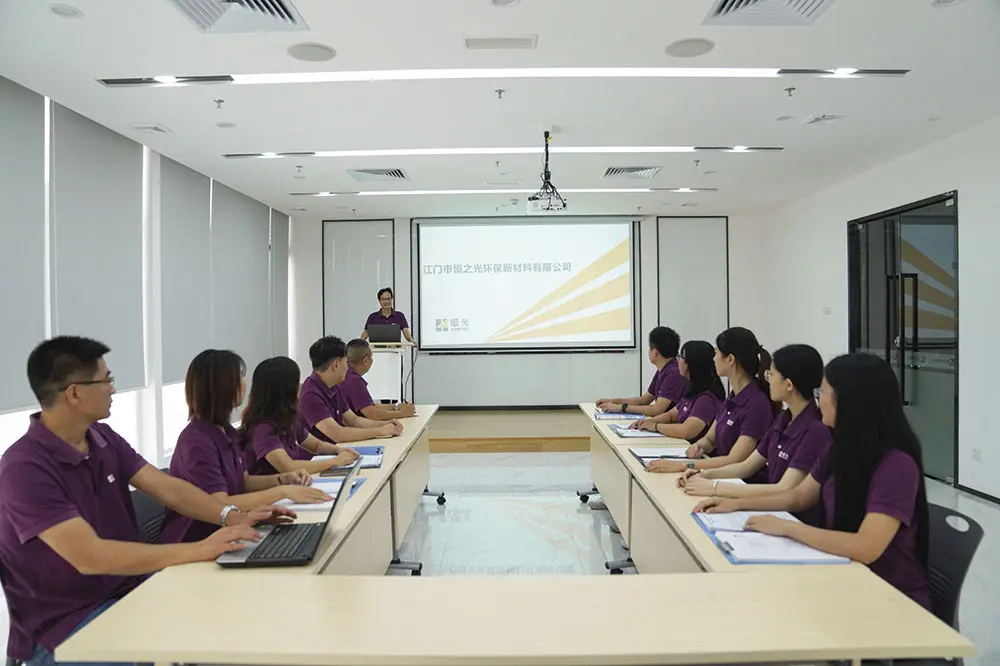
With over 18 years of technical synthesis experience, Ever Ray has matured into an industry-leading partner for global custom formulators. We focus on technology and environmental protection coexisting in harmony. We firmly take science and technology as our driving force in our future development, continuing to pursue excellence and keeping a sustainable green living environment in our daily life.
Established Year
Total Production Area (m²)
Annual Capacity (Tons)
Expert R&D Technicians
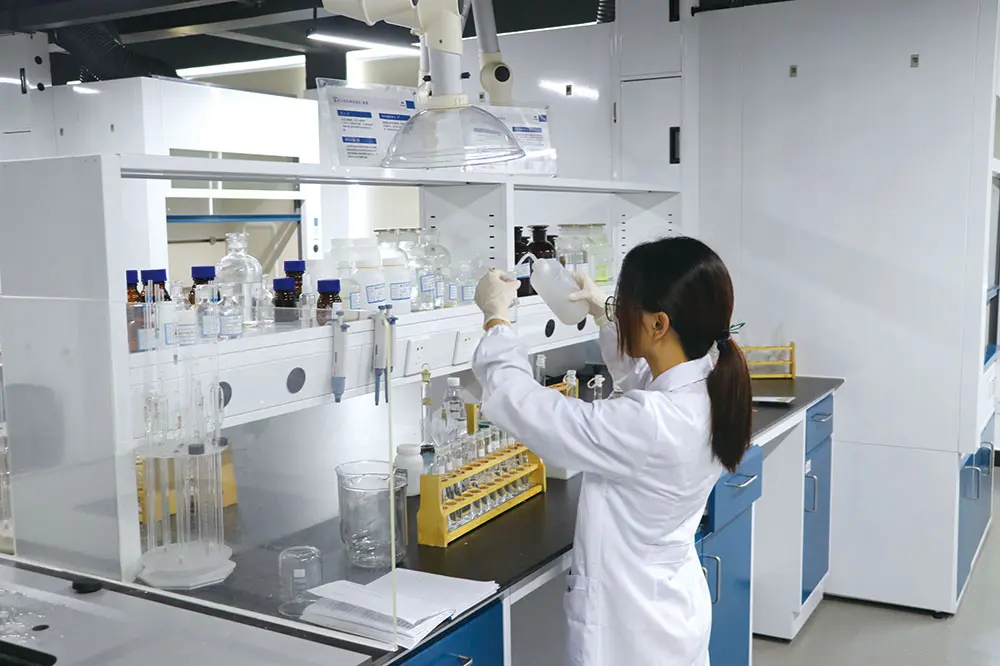
At Ever Ray, production reliability is driven by our modern industrial complexes. We have two production bases: our facility in Jiangmen, Guangdong, encompasses 10,000 square meters, while our primary scale manufacturing base in Yunfu, Guangdong, spans approximately 40,000 square meters. Both facilities are engineered to function under a unified logistics and quality control paradigm.
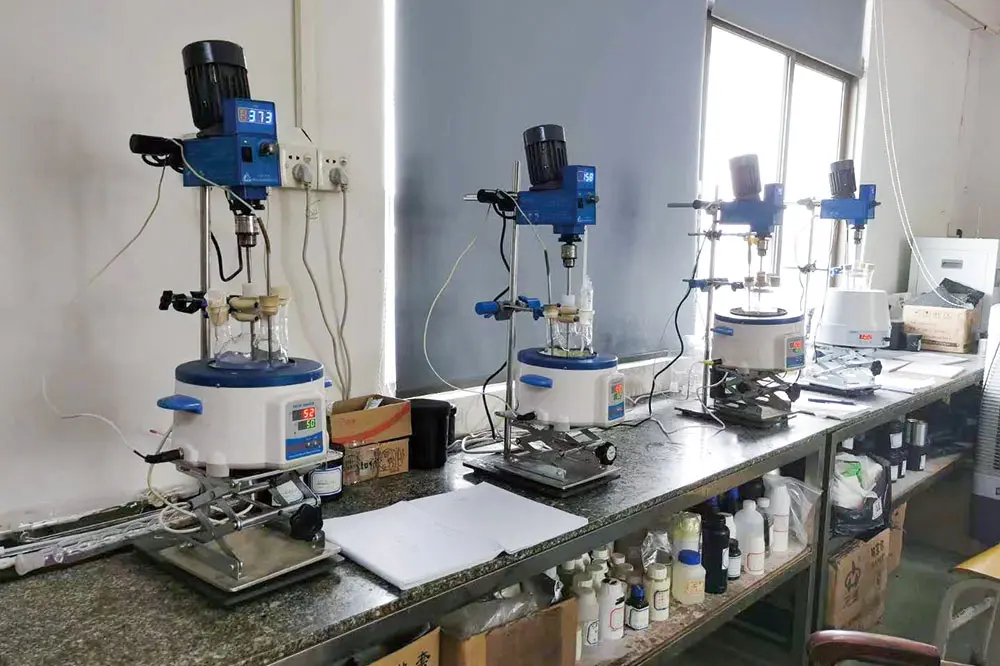
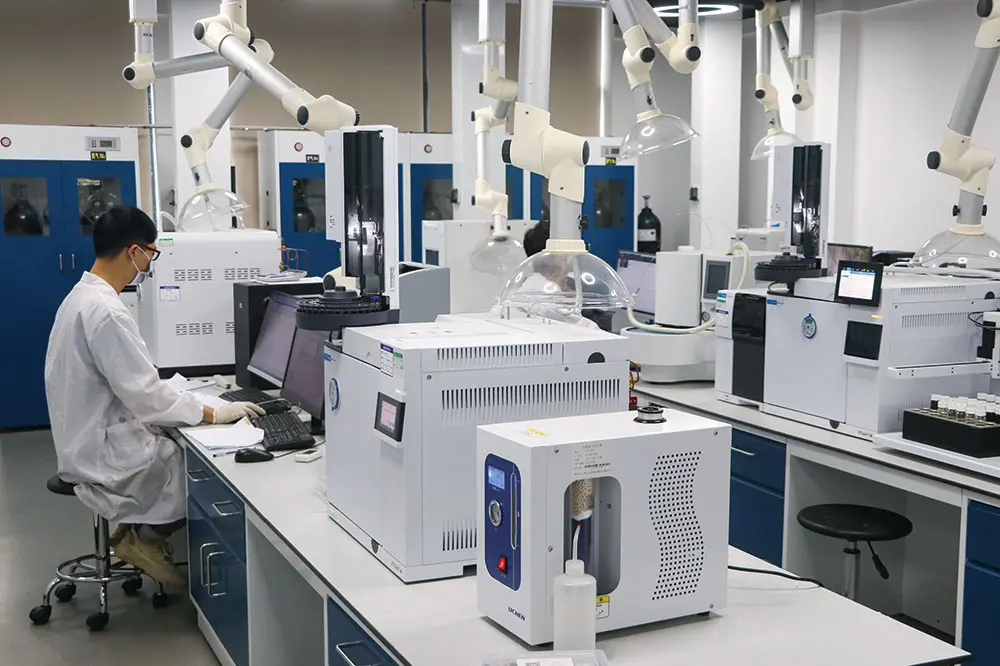
To guarantee batch accuracy and eliminate human error in polymerization, our factories operate under a flexible and advanced DCS fully computerized control system. The temperature control, reaction duration, and raw material dosing are regulated by automated feedback loops. This ensures chemical reaction precision and maintains safety across our 10+ production lines.
The entire operation is certified under the ISO9001 Quality Management System and ISO14001 Environmental Management System. By selecting high-quality domestic and foreign raw materials, adopting advanced scientific management methods, and hiring domestic UV material experts for guidance, we ensure production safety and product quality stability.
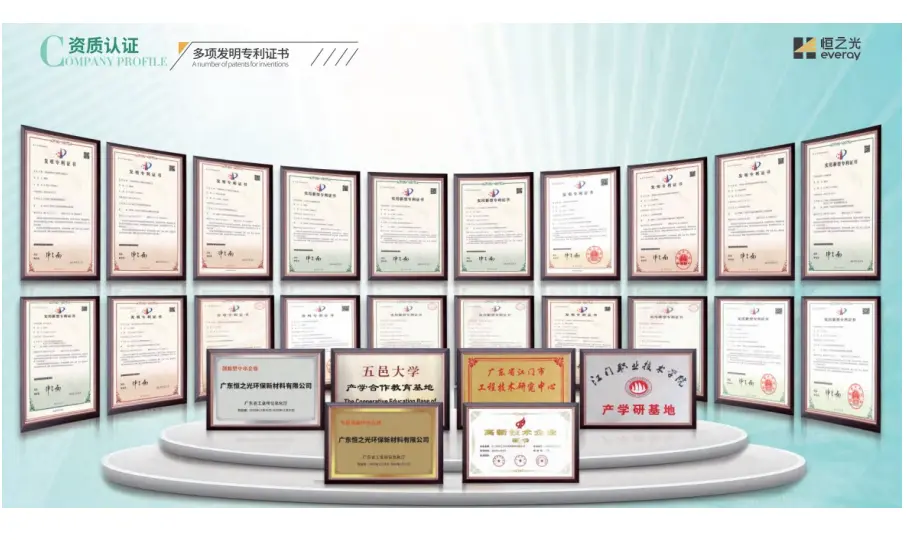
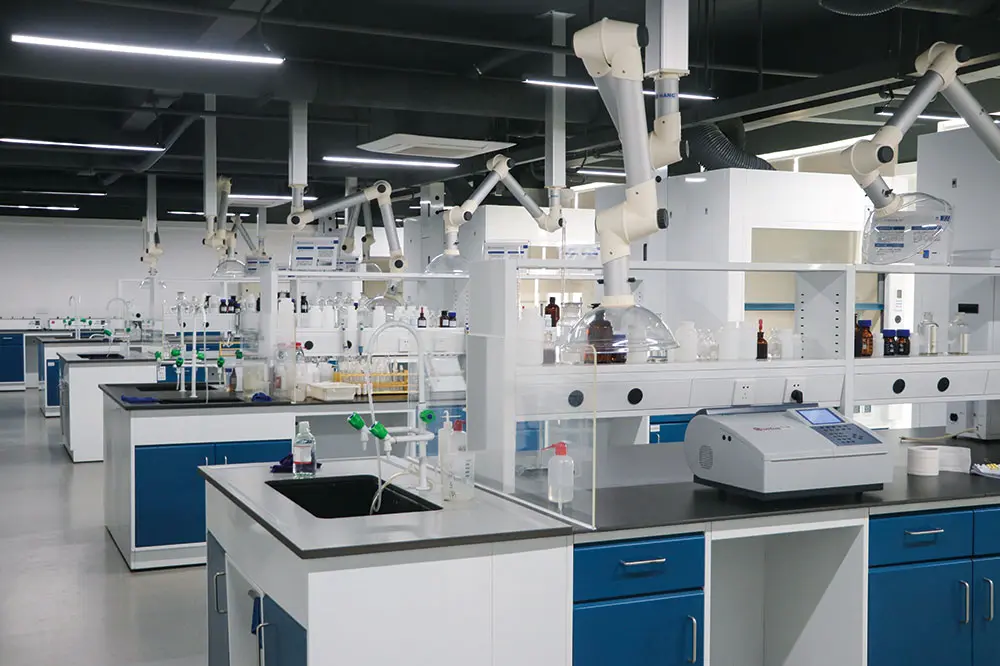
Our internal technology team holds more than 10 invention patents and practical patents. Our 15+ specialized R&D technicians focus on providing high reactivity, chemical resistance, and high gloss to formulations for a wide variety of applications, including wood coatings, plastic, inks, and adhesives. We supply custom formulations to meet customer requirements, balancing performance capabilities and cost efficiency.
UV curable coating formulations behave differently depending on the chemistry of the underlying plastic substrate. Here is how Ever Ray's customized oligomers fulfill the needs of key vertical markets:
Mobile devices, laptops, and smart home appliances require exceptional scratch resistance and surface hardness. Our 1730 UV resin and modified epoxy acrylates deliver high-crosslink density coatings ideal for VM (Vacuum Metallization) primers and topcoats, ensuring robust intercoat adhesion and metallic luster longevity.
Car cabins contain ABS, PC/ABS, and PMMA elements exposed to harsh sunlight, temperature swings, and chemical contact (sweat, sanitizers). Our aliphatic polyurethane acrylates (PUA) provide excellent yellowing resistance and physical toughness, keeping console surfaces protected over years of use.
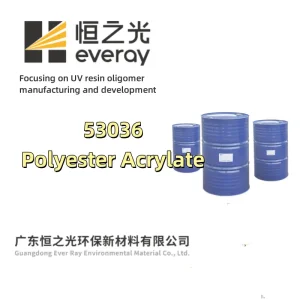
For premium optical films and glare-resistant displays, our 53036 Polyester Acrylate resin is engineered for 172nm excimer laser matte systems. It produces a uniform micro-structure on the film surface, providing an anti-glare effect and a soft-feel, fingerprint-resistant surface.
Advanced chemical structures for packaging, functional coatings, 3D printing resins, and optical film processing.
 Ever Ray