Explore our premium grade chemical prepolymers optimized for fast-curing UV systems, exceptional substrate adhesion, and customized crosslinking profiles.
An in-depth analysis of high-efficiency photo-polymerization, structural oligomer selection, and industrial coating application dynamics.
The industrial wood finishing market is undergoing a significant paradigm shift. Historically, solvent-borne nitrocellulose lacquers and polyurethanes dominated the manufacturing floor. However, environmental directives such as the clean air act, REACH compliance, and strict VOC thresholds have catalyzed a transition towards radiation-curable systems.
UV Wood Coating chemistry utilizes ultra-fast electromagnetic radiation to trigger crosslinking reactions. Compared to traditional thermal curing—which relies on solvent evaporation and heat-activated chemical reactions taking hours—UV curing achieves full polymerization within fraction of a second. This allows line speeds to exceed 100 meters per minute, drastically minimizing energy usage, physical footprint, and material waste.
"Information Gain Insight: The true efficiency of a UV wood coating is determined by its oligomeric backbone. The balance between curing speed, shrinkage stress, and final film flexibility dictates the longevity of the wood substrate under mechanical and environmental stress."
At the heart of any UV-curable formulation is the oligomer. The oligomer dictates the physical properties of the coating film: toughness, scratch resistance, elasticity, adhesion, and yellowing resistance. Ever Ray specializes in developing high-purity, structural oligomers categorized into four essential chemical families:
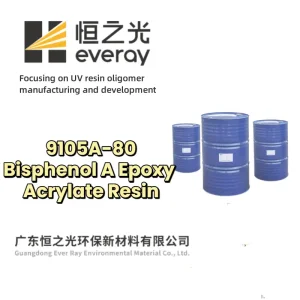
Characterized by extremely fast curing rates, high gloss, and unparalleled surface hardness. Standard Bisphenol A Epoxy Acrylates like 9104 and 9105A-80 are ideal for dense-board wood primers, providing strong chemical barriers and wear resistance. However, their structural rigidity requires modification to manage shrinkage stress.
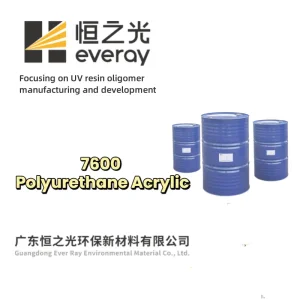
Aliphatic and aromatic PUAs balance hardness with high flexibility. They exhibit excellent adhesion on difficult wood surfaces, impact resistance, and long-term non-yellowing characteristics. Multifunctional oligomers like 7600 represent the peak of high-performance wood varnishes, providing exceptional wear-and-tear protection.
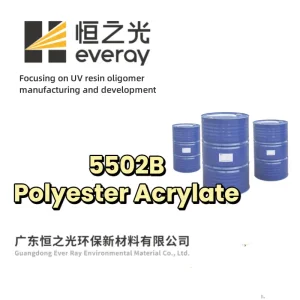
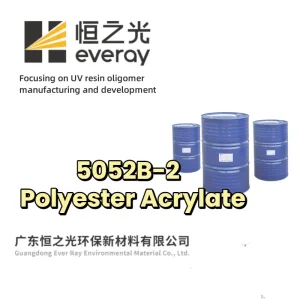
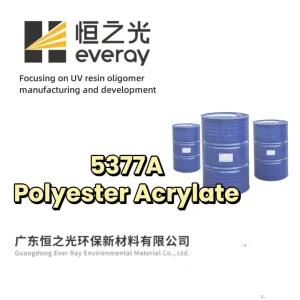
Known for low viscosity and outstanding pigment wetting, Polyester Acrylates like 5501 and 5502B are critical for formulating pigmented UV coatings and LED-UV curing systems. They maintain a balanced curing speed and reduce the need for excessive reactive diluents, preserving eco-profile integrity.
B2B procurement teams must look beyond simple material costs per kilogram. Achieving reliable, high-yield manufacturing lines requires focusing on key supply chain and material variables:
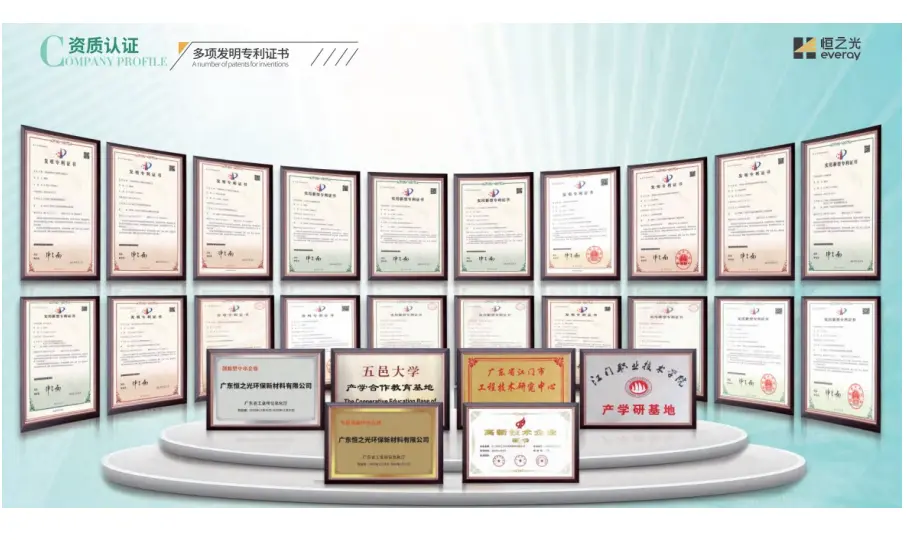
Established in 2006, Guangdong Ever Ray Environmental Material Co., Ltd. is a leading high-tech manufacturer specializing in the research, development, and production of high-performance UV-curable oligomers.
Across our production facilities in Jiangmen and Yunfu, Guangdong, we operate over 50,000 square meters of manufacturing space. Under strict ISO9001 and ISO14001 guidelines, and guided by a fully computerized DCS control system, we produce over 20,000 tons of high-grade oligomers annually. Our dedicated R&D team holds more than 10 invention patents, delivering customized chemical solutions to global clients.
As global manufacturers seek to reduce carbon footprints, the transition from conventional medium-pressure mercury arc lamps to LED-UV curing diodes is accelerating. Traditional curing systems produce high heat, which can damage heat-sensitive wood veneers and resinous wood species (e.g., pine). In contrast, LED-UV curing emits narrow-band wavelengths (typically 365nm, 385nm, or 395nm) without high infrared heat, lowering energy consumption by up to 70%.
Formulating coatings for LED-UV requires oligomers with high radical reactivity to overcome oxygen inhibition, which often compromises surface curing. Our Polyester Acrylate 5501 is engineered to meet these requirements, ensuring fast, thorough curing even under low-energy LED systems.
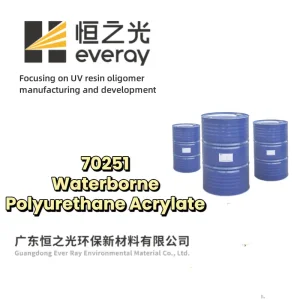
"Innovative Waterborne UV Dispersion (70251): Combines the low viscosity and easy handling of water-reducible systems with the rapid curing and high durability of UV technology. It is ideal for eco-friendly, ultra-low gloss, complex wood profiling."
Operating globally means navigating complex regulatory frameworks. Ever Ray ensures all raw material sourcing, chemical processing, and distribution adhere to regional chemical inventories (REACH, TSCA, IECSC). Our ISO-certified production facilities feature integrated DCS computer systems, minimizing human error and ensuring consistent product quality. Our team works directly with customers to adapt formulations for local regulatory standards, helping accelerate time-to-market.
A reference table for selecting oligomers based on substrate material, application method, and desired performance characteristics.
| Resin Model | Chemical Type | Core Properties | Primary Wood Application | Curing System |
|---|---|---|---|---|
| Polyester Acrylate 5501 | Polyester Acrylate | Fast cure response, excellent pigment wetting | Basecoat & Pigmented Primers | LED-UV & Mercury |
| Epoxy Acrylate 9104 | Bisphenol A Epoxy Acrylate | High chemical resistance & hardness | High-Gloss Furniture Varnishes | Traditional Mercury Arc |
| Waterborne 70251 | Polyurethane Dispersion | Ultra-low VOCs, excellent wood wetting, low gloss | Eco-Friendly Furniture & Panel Coatings | LED & UV Curable |
| Oligomer 6203F | Modified Epoxy Acrylate | Low curing shrinkage, flexible adhesion profiles | Difficult Substrates, Pine, Density Boards | Mercury & Gallium |
Addressing key technical challenges, formulation questions, and troubleshooting tips for industrial coatings.
Adhesion failure on density boards (MDF, HDF) is typically caused by high cure shrinkage and poor penetration into the substrate fibers. Standard epoxy acrylates can shrink up to 8–15% during crosslinking, creating internal stresses that weaken the bond.
To improve adhesion, incorporate low-shrinkage oligomers like 6203F or 1200A, which are designed for density-board primers. These resins offer high wetting capabilities and low shrinkage, allowing the coating to anchor deeply into the wood fibers before curing.
Traditional mercury arc lamps emit a broad light spectrum, generating significant infrared heat. This heat can cause resinous woods (like pine) to bleed, and warp thin wood veneers.
LED-UV systems emit a narrow spectrum (usually 395nm) and run significantly cooler. This reduces substrate stress and energy consumption. However, LED curing requires oligomers with high radical reactivity, such as Polyester Acrylate 5501, to combat surface oxygen inhibition and achieve a complete cure.
Waterborne UV resins (like 70251) combine the viscosity control of waterborne coatings with the rapid curing of radiation-curable systems.
They allow for easy application using spray systems, excellent grain definition, and the ability to dry to a dust-free state prior to UV exposure. This reduces the risk of dust contamination in the wet film, making them popular for high-end cabinetry and architectural wood details.
Yellowing is caused by the degradation of the polymer backbone under UV light. Epoxy acrylates based on Bisphenol A (such as 9104) are prone to yellowing and should be avoided in topcoat formulations.
Instead, utilize aliphatic polyurethane acrylates (PUAs) or specialized pure acrylate resins, such as our Low Shrinkage High Flexibility Pure Acrylate Resin. These resins do not contain aromatic ring structures, ensuring long-term color stability.
Explore our advanced chemical prepolymers optimized for functional varnishes, offset inks, and protective wood finishes.
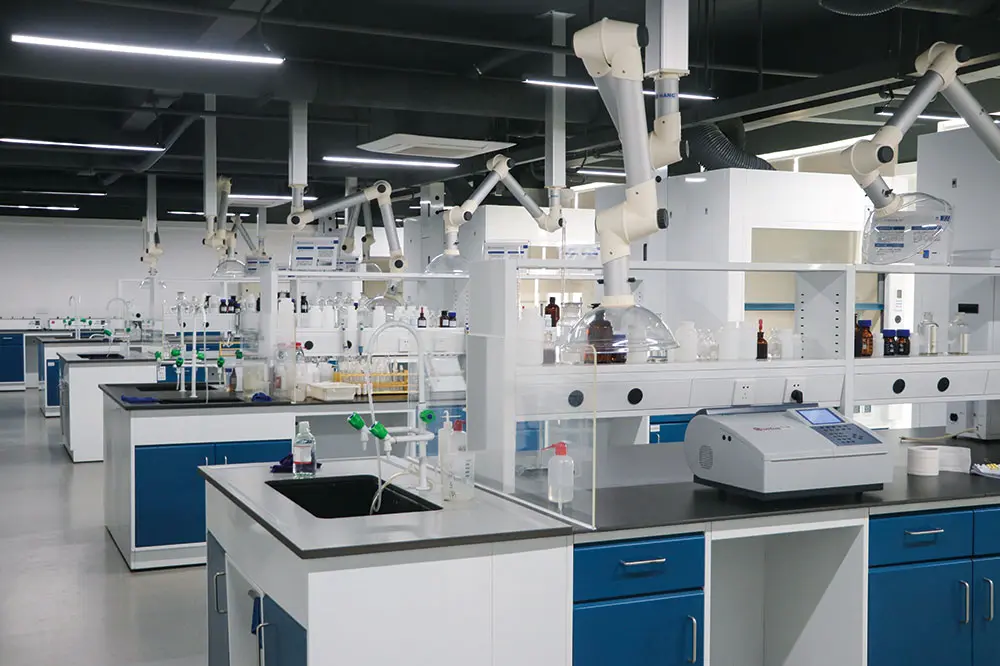
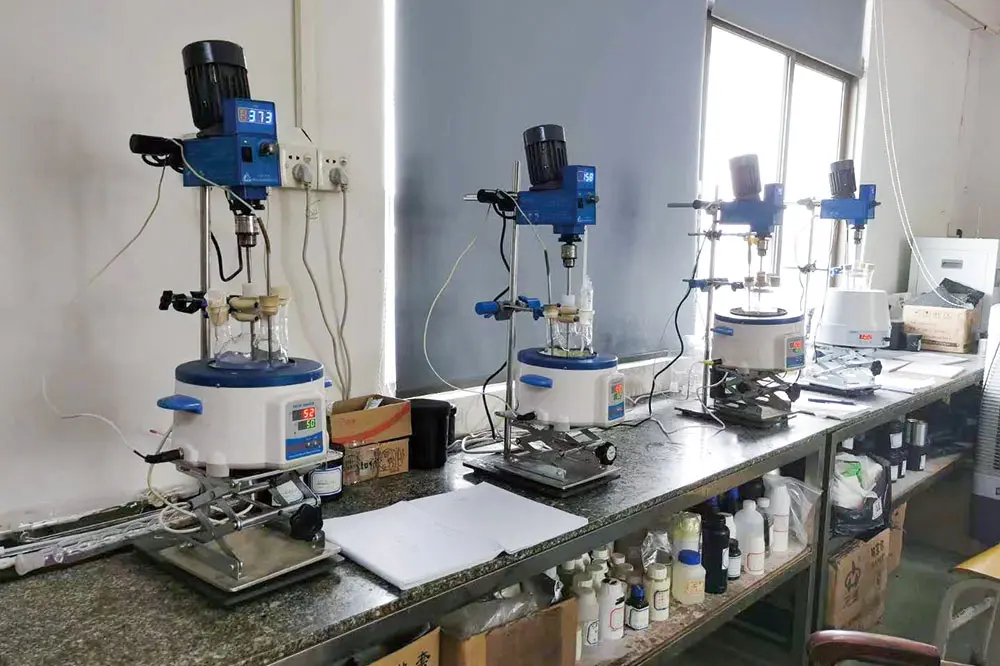
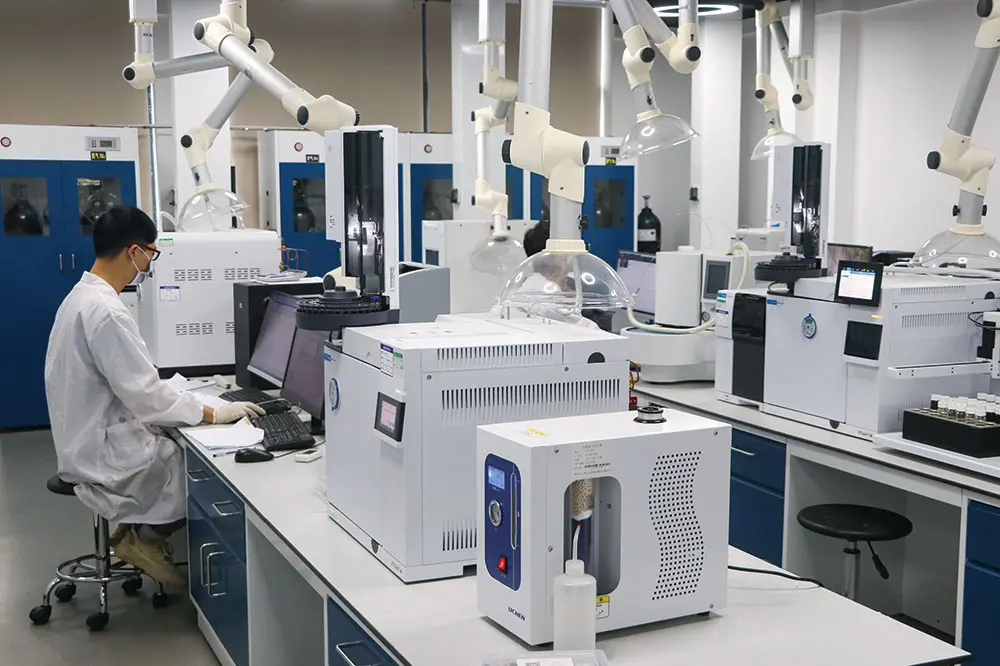
Operating high-capacity manufacturing centers equipped with modern quality control and supply chain infrastructure.
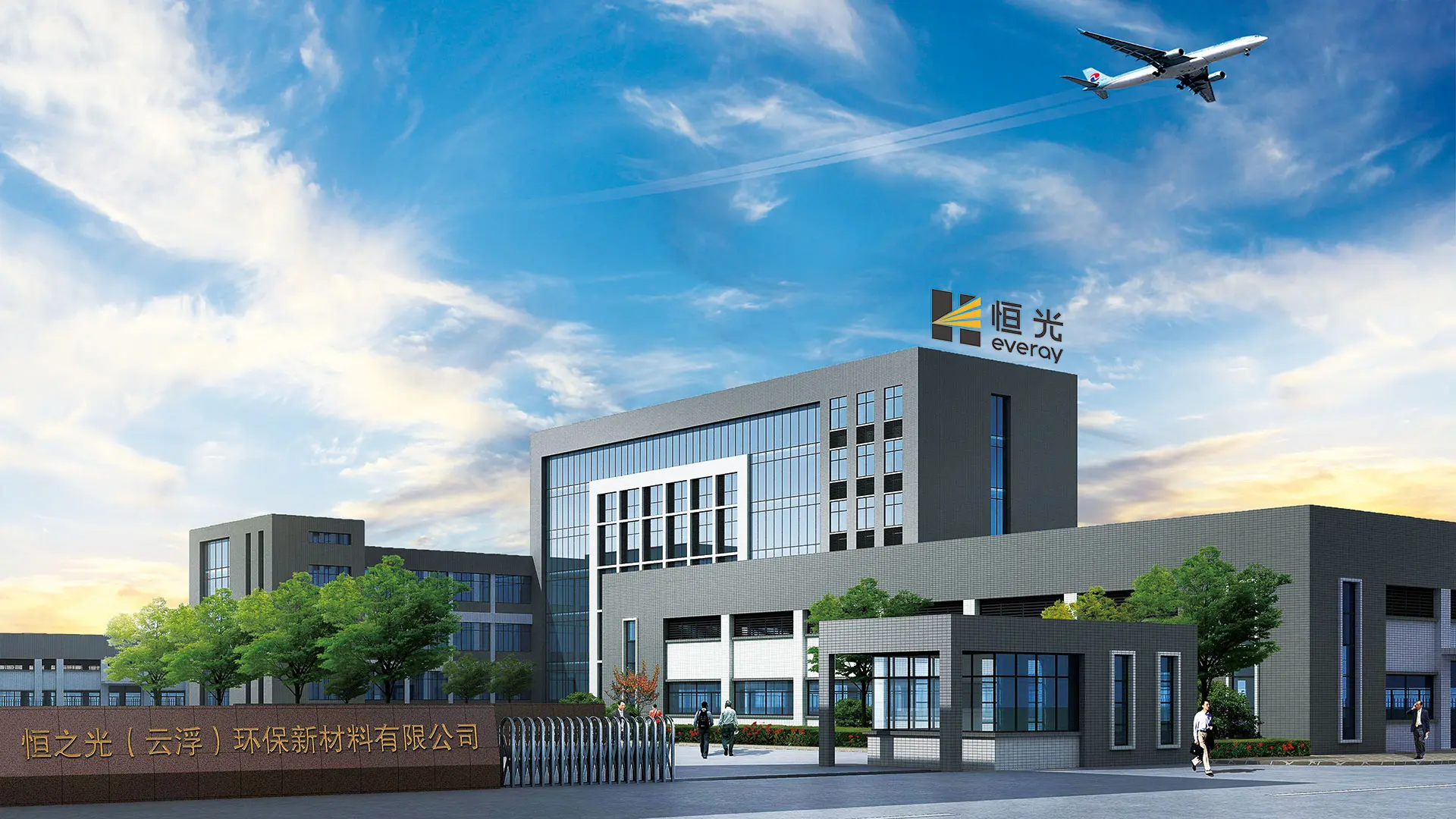
Guangdong Ever Ray operates two production facilities. Our Jiangmen plant covers 10,000 square meters, while our larger Yunfu facility extends over 40,000 square meters.
Both locations are integrated with computerized Distributed Control Systems (DCS), ensuring precision control over reaction temperatures and chemical feed rates. This setup helps minimize batch-to-batch variation, supporting stable production runs for automated industrial finishing.
Our facilities operate under ISO9001 and ISO14001 management systems, helping us maintain safety and environmental standards while meeting high-volume global demands.
 Ever Ray