Explore our premium grade UV-curable oligomers and acrylate resins designed for high-abrasion resistance, low odor, and superior adhesion.
In-depth technical insight into the evolution of global environmental materials, polymer curing innovations, and market demands.
The industrial paint sector is rapidly transitioning toward 100% solid systems, waterborne UV oligomers, and low-VOC bio-based resins. Manufacturers must reconcile high functional performance with strict decarbonization goals.
The rise of high-speed UV-LED curing technologies requires specialized modified acrylates that exhibit exceptional reactivity at longer wavelengths (e.g., 365nm and 395nm) without sacrificing crosslinking density.
End-users require tailored mechanical profiles: dual-cure properties, hyperbranched structures, ultra-low viscosity diluents, and advanced additives that optimize pigments wetting, chemical resistance, and high-gloss levels.
In thin-film radiation curable systems, free-radical photo-polymerization of acrylic resin coatings suffers from oxygen inhibition. At the coating surface, atmospheric oxygen reacts with radical species to form stable peroxy radicals, retarding polymerization. Our R&D department solves this by incorporating modified amino-acrylates or designing high-molecular-weight hyperbranched polyester acrylates that act as hydrogen donors, significantly lowering surface tackiness and optimizing scratch resistance.
Furthermore, standard Bisphenol-A epoxy acrylate resins exhibit high volumetric shrinkage (typically 5% to 8%) during polymerization, which may jeopardize adhesion to non-porous plastic substrates (PET, PC, PMMA) or metal platings. By integrating soft-segment-containing urethane linkages or specialized cyclic structures into our oligomer backbone, we reduce inner stress while maintaining cross-linking efficiency, resulting in a balanced formulation suited for vacuum plating, optical coatings, and industrial offset printing inks.
Established in 2006, Guangdong Ever Ray Environmental Material Co., Ltd. is a leading high-tech enterprise dedicated to the R&D, manufacturing, and synthesis of high-performance oligomers for UV curable systems. We focus on producing superior epoxy acrylate, polyurethane acrylate (waterborne, aliphatic, aromatic), polyester acrylate, pure acrylate, and custom modified functional monomers.
With a comprehensive manufacturing infrastructure across our two production facilities, we deliver dependable product quality and reliable supply chains to paint manufacturers, industrial coating lines, and global printing ink suppliers.
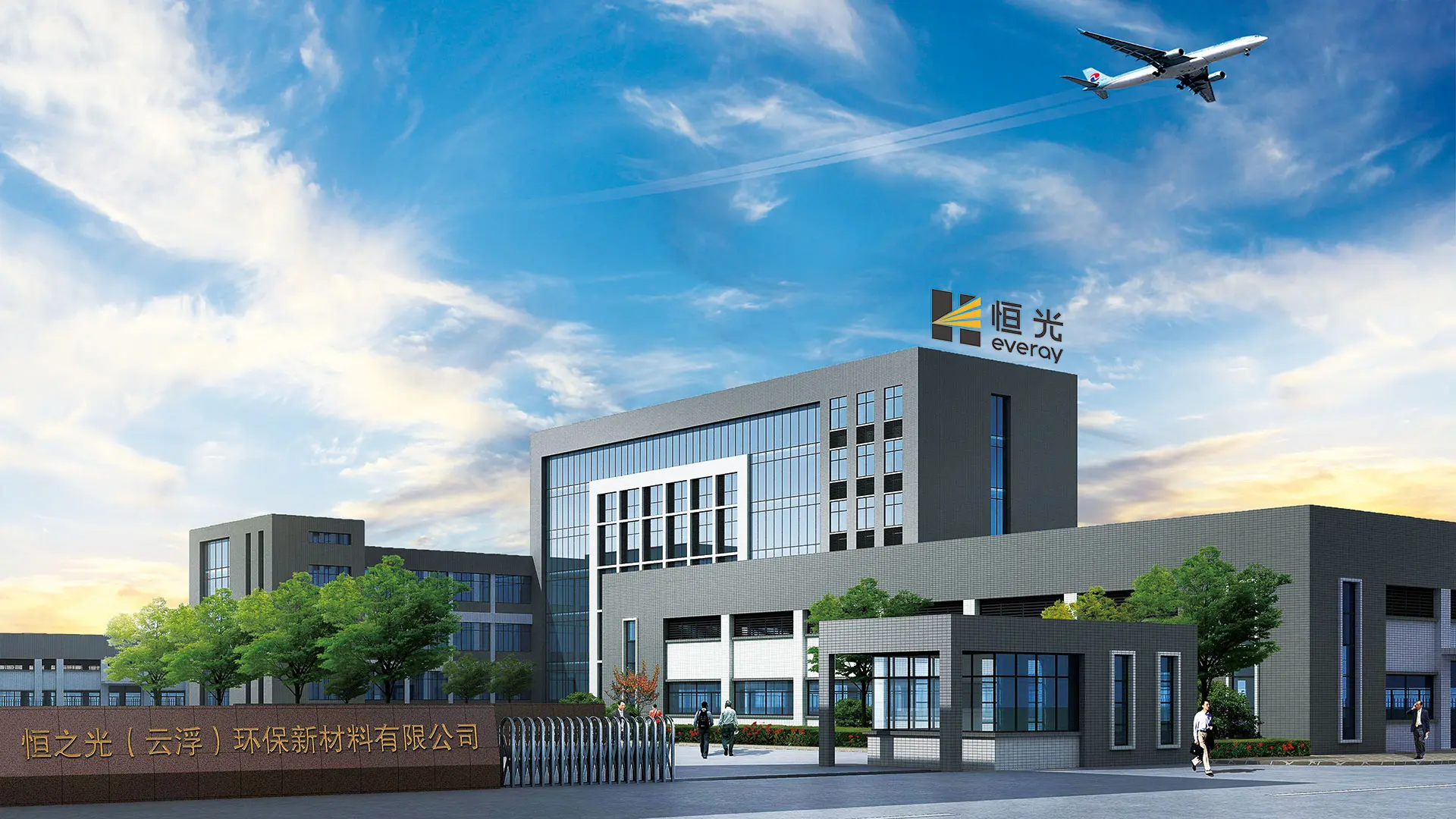
To ensure robust batch-to-batch consistency and technical precision, our facilities utilize a fully computerized DCS control system. We select premium domestic and international raw materials, integrating rigorous molecular weight, viscosity, and curing rate tests at every phase of the manufacturing process.
Supported by 15+ professional R&D technicians and over 10 patents, we design functional formulations that optimize reactivity, chemical stability, and cost performance across multiple industries—from wood coating to electronic film applications.
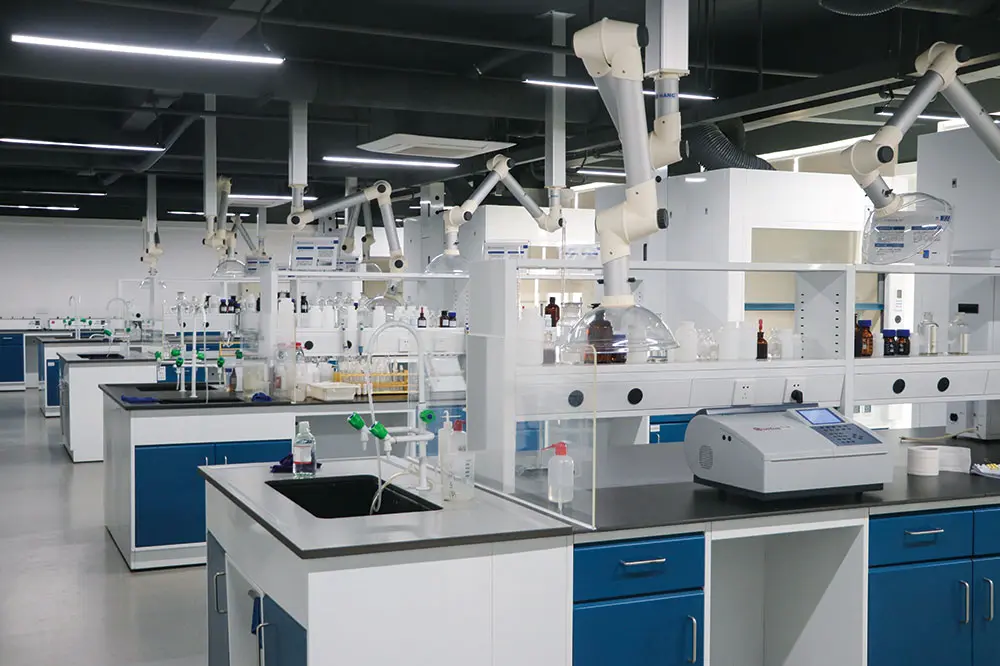
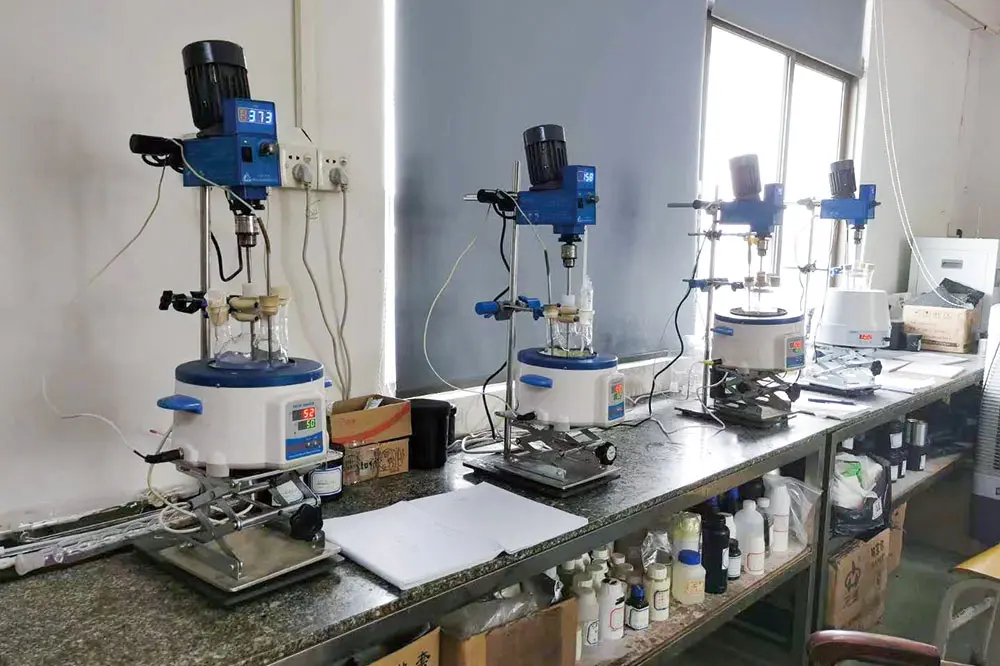
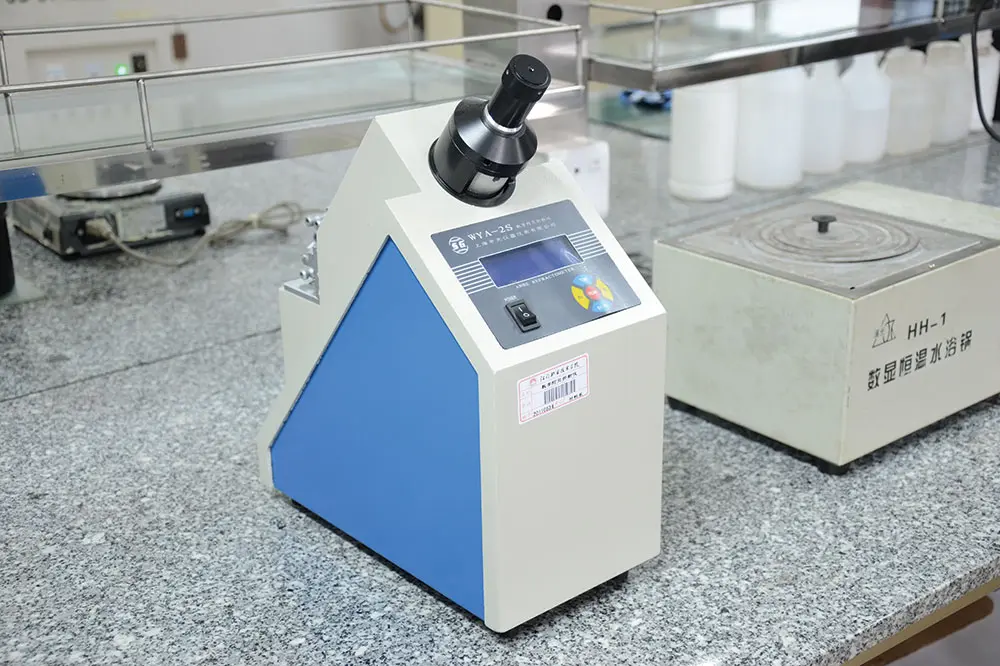
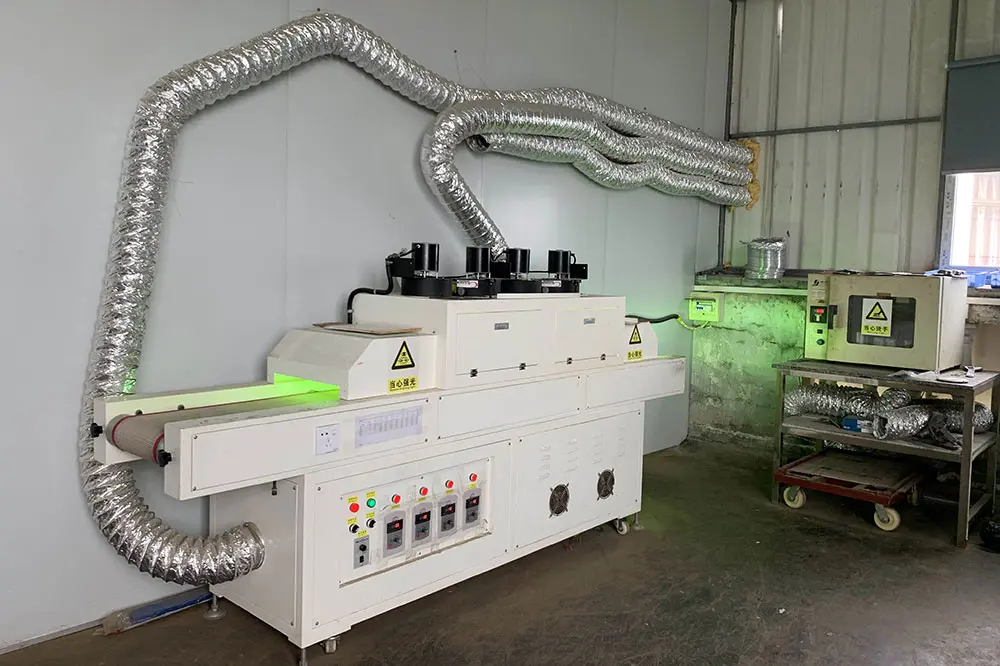
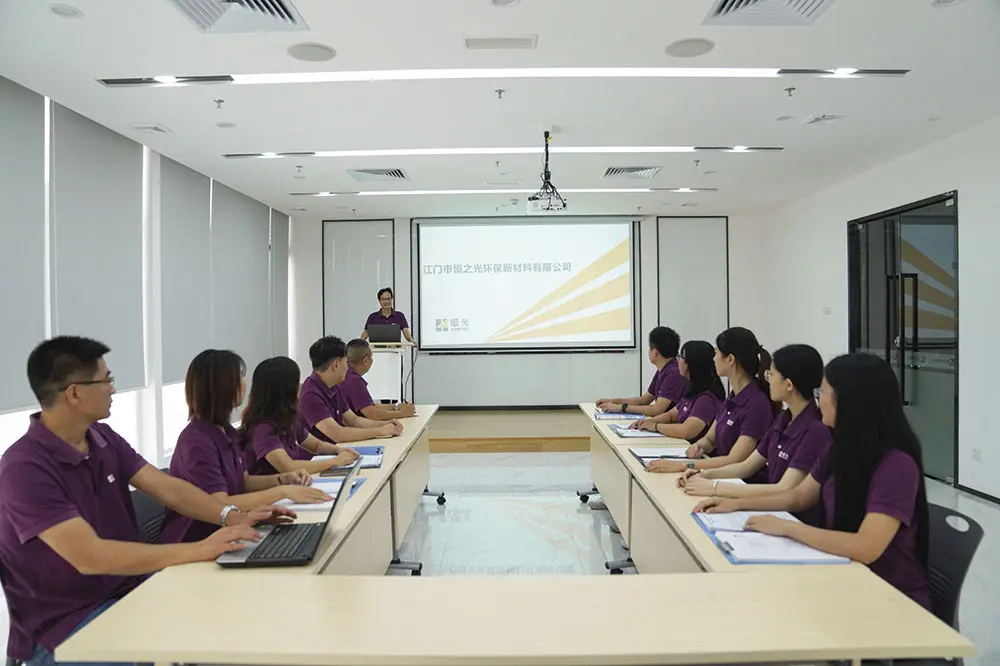
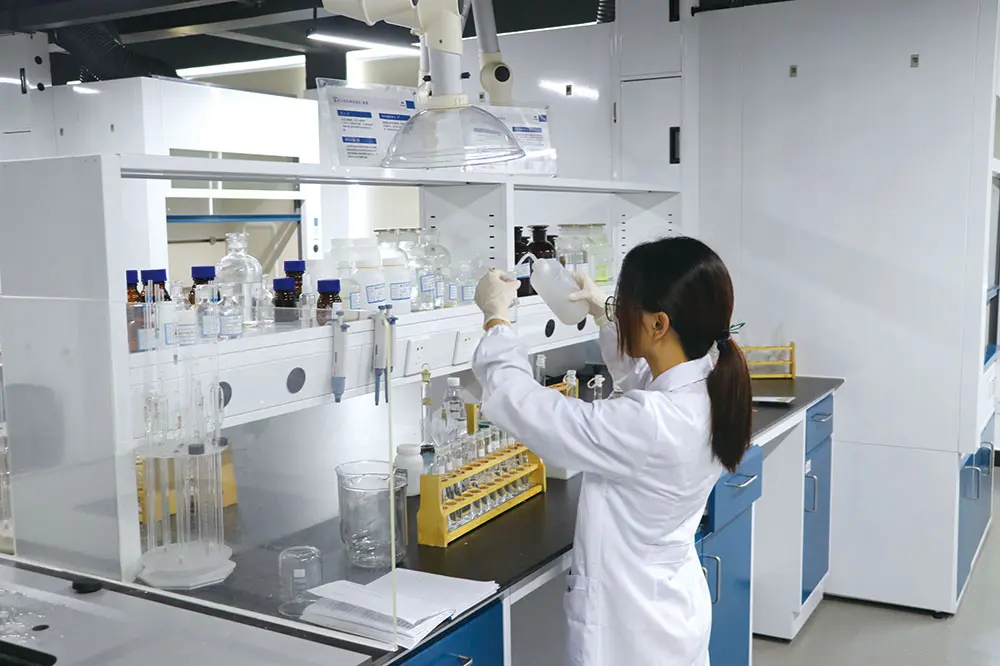
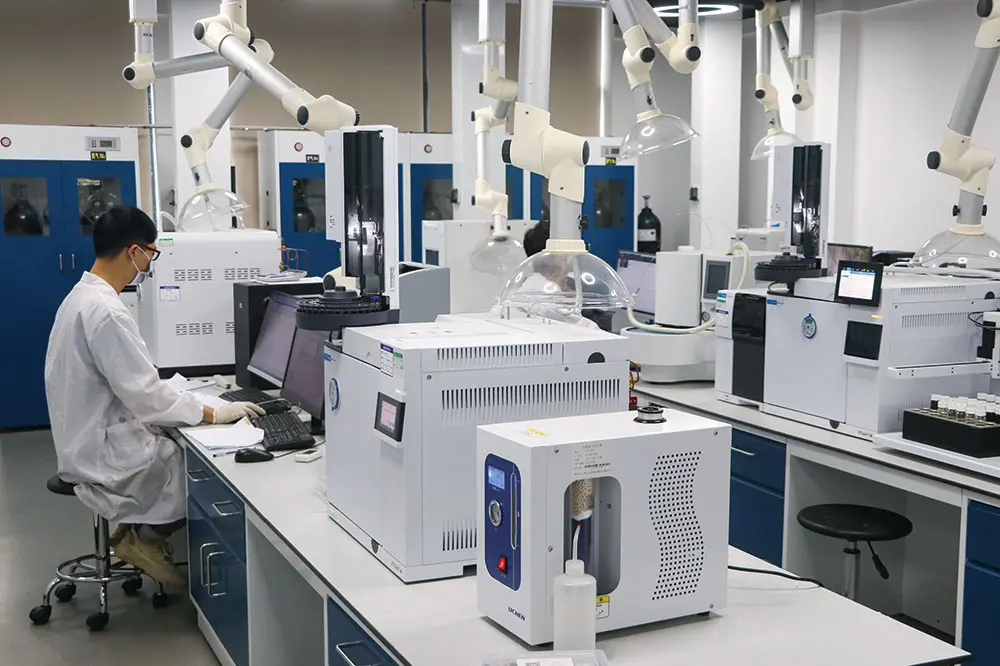
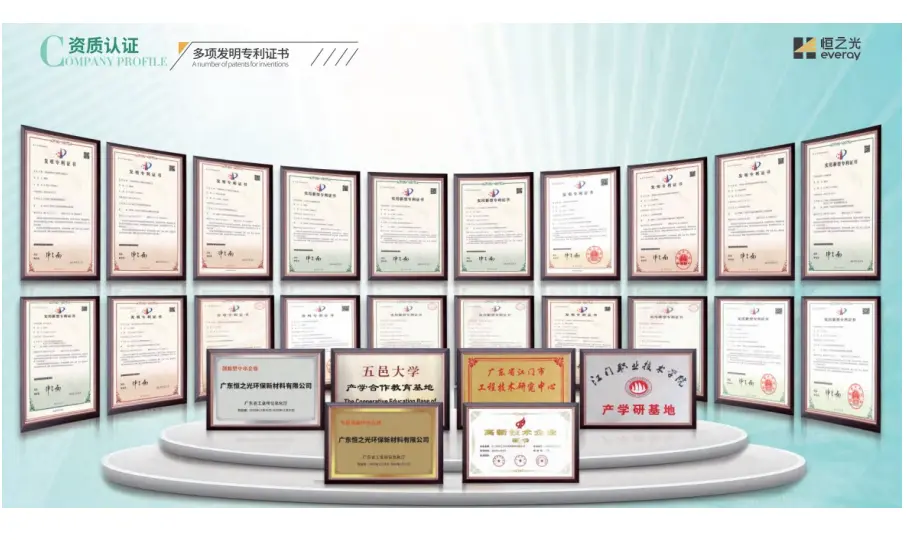
Leveraging state-of-the-art infrastructure to fulfill international demand for high-volume acrylic resin procurement.
Addressing supply chain integration, regional compliance standards, and custom technical requirements.
Industrial resin formulations require exact viscosity windows for consistent application. Whether operating high-speed roller coaters for parquet wood, offset litho presses, or automated spray lines for automotive plastics, we tailor oligomers and diluents to meet target shear rates, reducing formulation adjustments at the plant.
Our epoxy and urethane acrylate selections are engineered to resist aggressive solvents, household chemicals, and moisture. For vacuum plating applications, our specialty resins (like the 7230E series) provide excellent adhesion profiles on metal and plastic surfaces, preventing delamination after curing.
We systematically monitor material safety data sheets, hazardous chemicals protocols, and green policies. Operating under ISO 9001 and ISO 14001 environmental frameworks, our UV-curable oligomers align with regional environmental rules (RoHS, REACH) to support clean chemical exports.
With an annual capacity of 20,000+ tons and structured raw material reserves, we minimize lead times and stabilize costs. Our storage and logistics systems support global exports, securing supply continuity for continuous-production assembly plants.
Pioneering high-durability coatings and bio-derived polymers to support next-generation manufacturing needs.
To reduce reliance on fossil-fuel petrochemicals, our chemical synthesis team is advancing green alternatives such as Epoxidized Soybean Oil Acrylate (6720). Incorporating bio-renewable feedstocks yields low carbon footprints and reliable functionality for wood finishes and paper coatings, balancing sustainability with performance.
In highly complex three-dimensional structures or shadowed regions where UV light cannot reach, standard radiation curing is incomplete. Ever Ray is engineering hybrid dual-cure oligomers that combine photochemical reactions with secondary heat or moisture curing mechanisms. This hybrid approach enables uniform crosslinking, optimal hardness, and chemical resistance across complex substrates.
For electronic touchscreens and automotive interiors, preventing fine surface scratches is vital. We utilize specialized modified acrylate oligomers to develop elastic networks that recovery from external physical deformation. These properties, combined with fast-curing speeds, reduce defects and expand design possibilities for modern applications.
Providing technical answers to common formulation challenges, sourcing standards, and manufacturing workflows.
Select from our targeted resins below to find the specific performance characteristics required for your application.
 Ever Ray