Industry-leading formulations engineered for rapid polymerization, outstanding mechanical stability, and high chemical resistance.
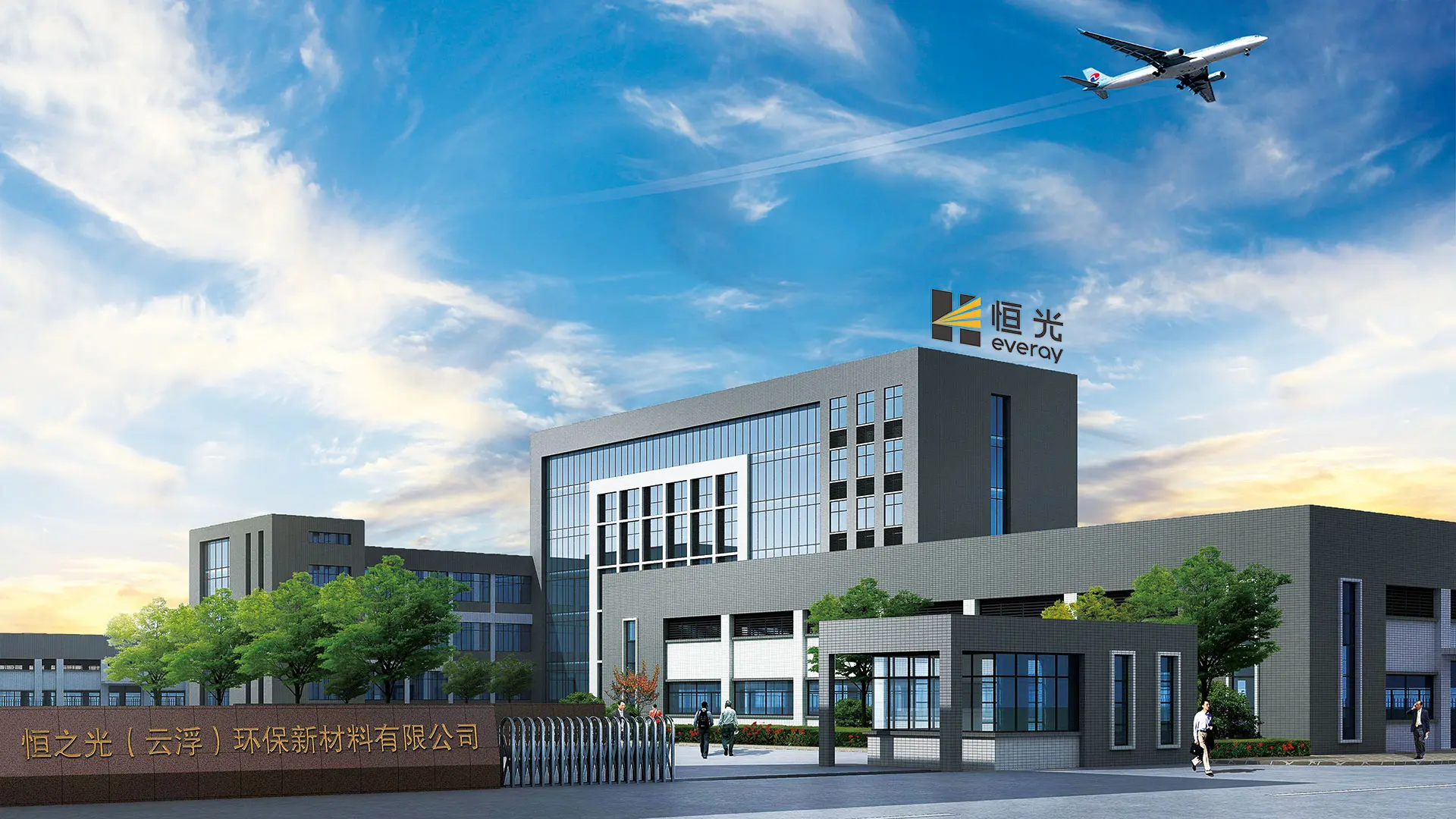
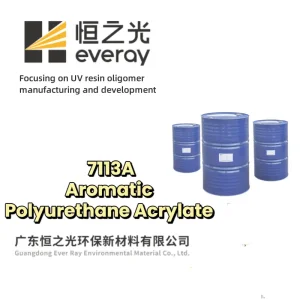
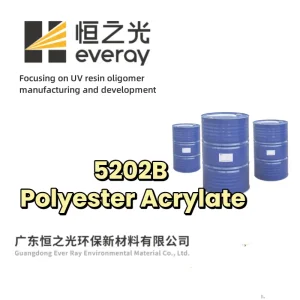
Guangdong Ever Ray Environmental Material Co., Ltd., established in 2006, is a premier high-tech enterprise dedicated to the R&D and precision manufacturing of oligomers for UV-curable resins. Our advanced chemical portfolio includes premium epoxy acrylates, polyurethane acrylates (waterborne, aliphatic, and aromatic urethane), polyester acrylates, pure acrylates, and special functional modified acrylate oligomers designed to optimize curing efficiency and coating performance.
Equipped with state-of-the-art facilities, our operations are optimized to balance technical excellence with strict environmental protection, advancing sustainable chemical solutions across industrial sectors.
Total Production Area (Sqm)
Annual Production Capacity (Tons)
Advanced Production Lines
Dedicated R&D Chemists
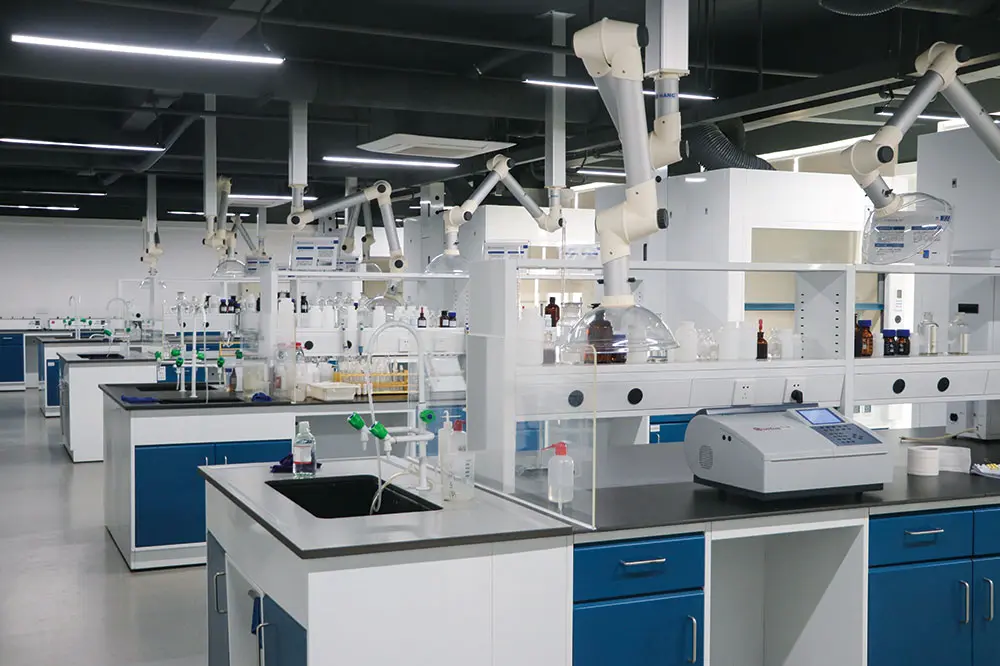
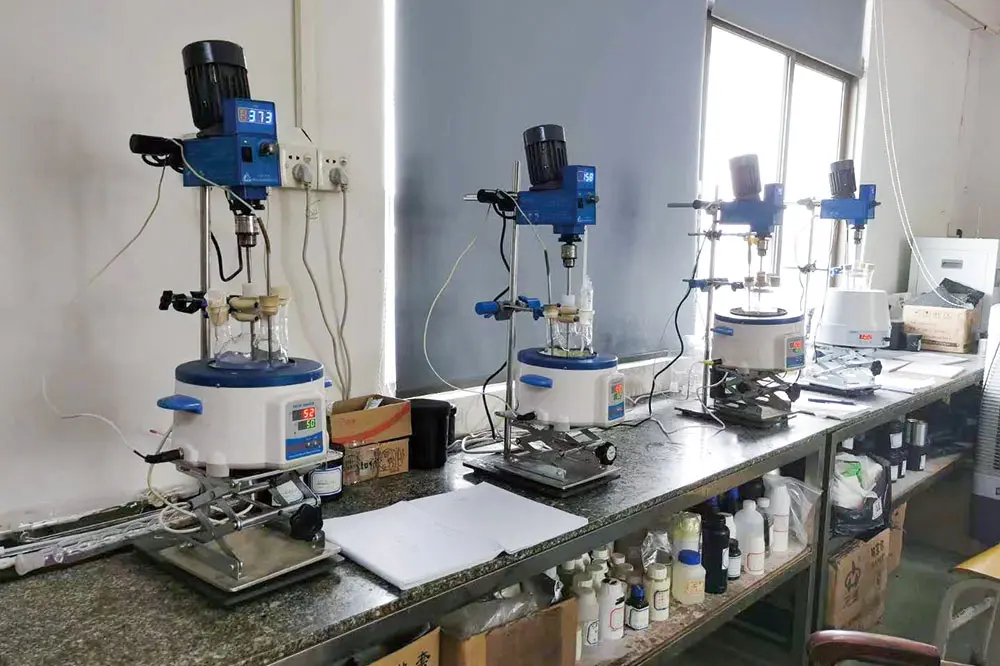
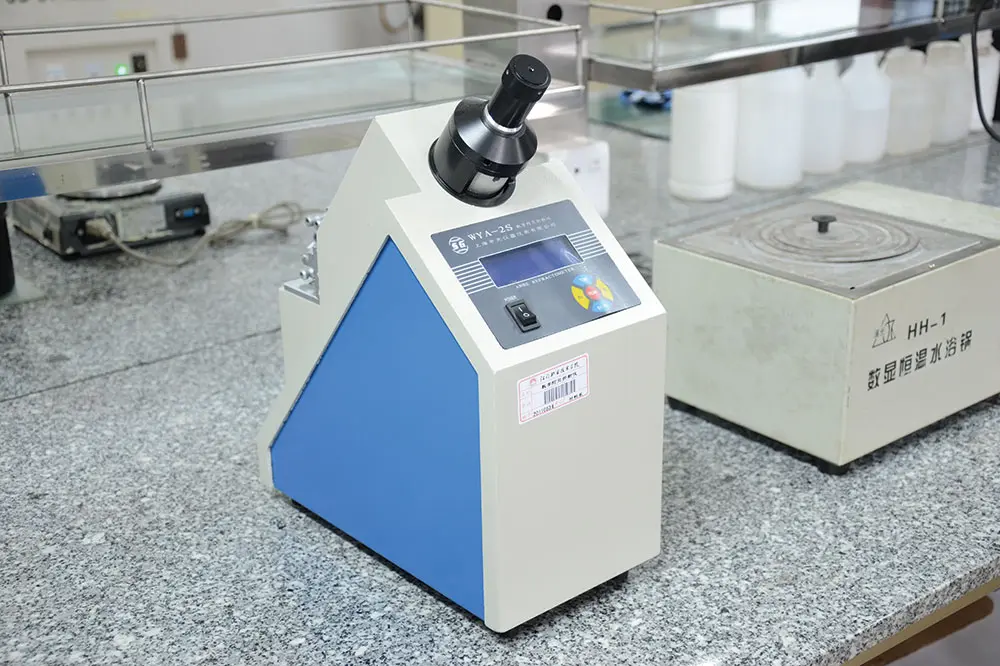
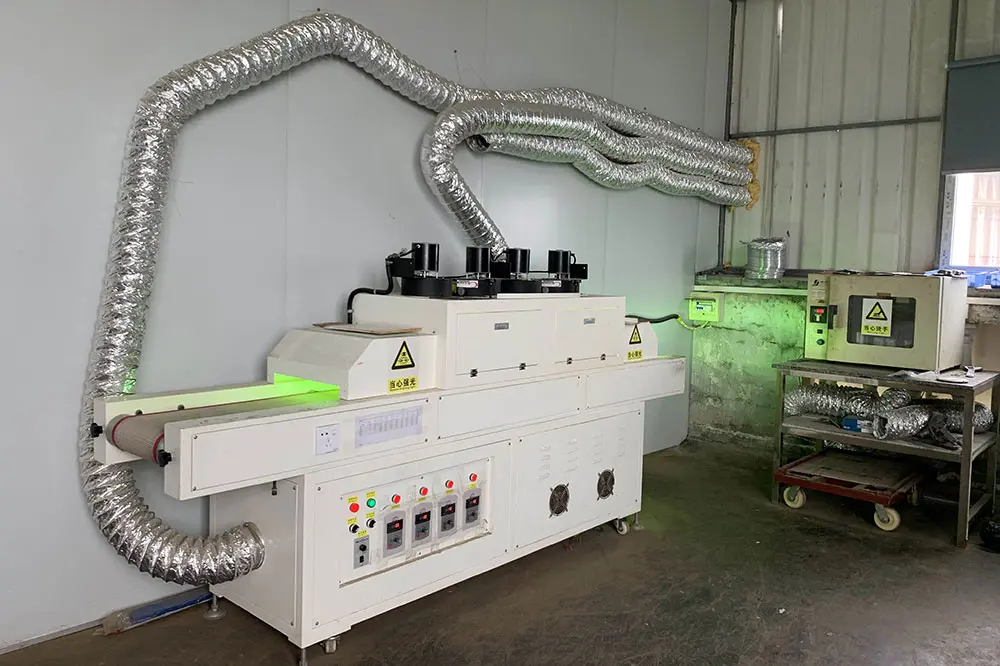
To support high-volume global demands, we run two primary manufacturing sites: our 10,000 m² facility in Jiangmen, Guangdong, and our flagship 40,000 m² base in Yunfu, Guangdong. Together, they house over 10 fully integrated, DCS-computerized production lines designed for batch consistency, maximum worker safety, and efficient logistics.
Our manufacturing workflow operates strictly under ISO9001 Quality Management System and ISO14001 Environmental Management System certifications. Through the integration of premium local and international raw materials, computerized production, and guidance from leading domestic UV-curing specialists, we ensure that every batch of epoxy acrylate resin meets international quality benchmarks.
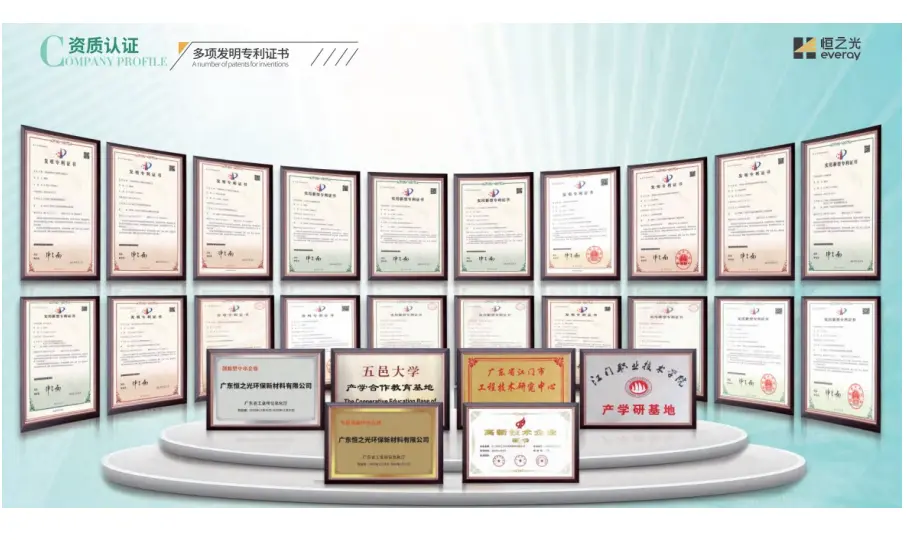
At Ever Ray, innovation is continuous. Holding over 10 invention and practical utility patents, our research team focuses on developing photocurable materials that exhibit high reactivity, exceptional chemical resistance, and superior gloss profile modifications.
We work directly with formulation chemists and industrial end-users to optimize oligomer performance. This ensures compatibility with diverse monomer diluents and photoinitiators, maximizing throughput while minimizing manufacturing costs.
An in-depth analysis of market developments, regulatory directives, and the commercial demand for photocurable epoxy resins.
Global environmental mandates—such as the EU's REACH regulation and the EPA's strict limitations on Volatile Organic Compound (VOC) emissions—are forcing industrial coating lines to transition away from traditional solvent-based thermal curing systems. Fast-curing UV-epoxy acrylates offer a 100% solid, VOC-free formulation path that allows manufacturers to remain compliant while significantly reducing carbon footprints.
Modern industrial lines (e.g., high-speed packaging printing and continuous wood floor coating plants) require cycle times measured in seconds. Thermally cured systems require large curing ovens and long dwell times. Our modified UV epoxy acrylates achieve full polymerization within milliseconds under standard mercury lamps or LED-UV arrays, allowing assembly speeds of over 100 meters per minute.
By eliminating solvents, manufacturers reduce dry-film volume loss. The volume applied is equal to the volume cured. Lower thermal requirements eliminate the need to run gas-fired ovens, resulting in substantial energy savings. Additionally, the high mechanical strength of our oligomers enables formulation flexibility with lower oligomer-to-monomer ratios, optimizing raw material costs.
Understanding the molecular structures and modification techniques that dictate polymer characteristics.
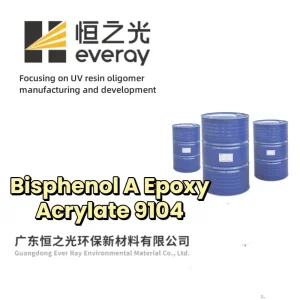
Standard epoxy acrylates are synthesized via the ring-opening esterification of epoxy resins (typically bisphenol A diglycidyl ether) with acrylic acid. At Ever Ray, we employ precise temperature control and specific catalysts to ensure near-complete conversion of epoxide groups, minimizing residual acid values. This process yields oligomers with predictable viscosities and excellent mechanical properties.
A typical challenge with pure bisphenol A epoxy acrylates is high crosslink density, which can lead to high volumetric shrinkage and brittle coatings. To resolve this, our R&D team modifies oligomer backbones using polyols or elastomeric segments (such as in modified epoxy acrylate 6231). This modification balances high surface hardness with flexibility, maintaining adhesion to metal, glass, and wood substrates.
The aromatic rings in standard bisphenol A resins degrade under continuous UV exposure, leading to yellowing. For applications requiring optical clarity or protective clear-coats, we recommend aliphatic urethane acrylates or modified epoxy acrylates (such as 61003A). These formulations are designed to resist photodegradation while maintaining rapid curing properties.
Delivering targeted performance metrics across primary manufacturing sectors.
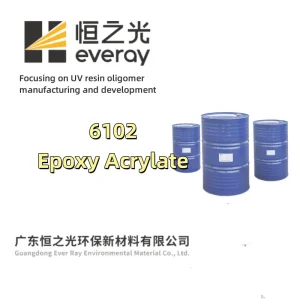
Our low-shrinkage epoxy acrylate oligomers (such as 6102 and 6116) are optimized for industrial roller-applied wood coatings. They provide high scratch resistance, rapid curing speeds for multi-layer sanding sealer lines, and excellent clarity to enhance the natural appearance of wood grains.
In high-speed flexographic printing, ink curing must keep pace with rapid web speeds. Polyester acrylates like 5377A and 5501 are engineered to provide rapid curing and pigments wetting. They exhibit high curing rates under LED-UV sources, making them suitable for thin-film label printing and flexible food-safe packaging.
In electronics manufacturing, modified tough epoxy acrylates are used as potting resins and conformal coatings. They isolate sensitive circuitry from moisture, chemical solvents, and physical shock. Their low shrinkage rates prevent mechanical stress on micro-solder joints during rapid thermal cycles.
Detailed technical answers to common queries regarding formulation, processing, and application performance.
Select from our comprehensive chemical lineup to enhance your formulations.
 Ever Ray