Explore our primary chemical systems optimized for high reactivity, mechanical strength, and exceptional surface properties. Direct supply from our ISO-certified facilities.
In modern formulation engineering, the transition from thermal-curing chemical systems to photopolymerizable UV curing technologies represents a massive paradigm shift. Liquid epoxy resins and their acrylated derivatives (epoxy acrylates, aliphatic/aromatic polyurethane acrylates, polyester acrylates) form the molecular backbone of ultra-fast-curing coatings, high-performance structural adhesives, and specialized optical inks.
Formed through the ring-opening esterification of liquid bisphenol A/F epoxy resins with acrylic acid. EA oligomers offer unmatched surface hardness, exceptional chemical resistance, high gloss, and tensile strength. Key for wood varnishes and heavy-duty industrial coatings.
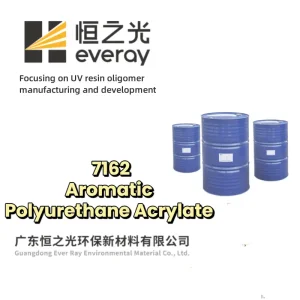
Featuring aliphatic or aromatic urethane pre-polymers. Aliphatic PUAs demonstrate superior weatherability, flexible elongation, and non-yellowing traits perfect for exterior applications and automotive parts. Aromatic variations offer high cross-linking speed at lower costs.
Characterized by low viscosity, excellent pigment wetting behavior, and high printing transferability. Highly utilized in offset, flexo, and screen-printing UV inks where rheological control is vital.
Unlike standard commercial bisphenol-A liquid epoxy resins which rely on slow, amine-based polyaddition reactions, our photopolymerizable oligomer solutions cure within seconds under UV radiation (typically centered around 365nm to 405nm wavelengths). By exploiting free-radical polymerization kinetics, chemical formulators can completely eliminate volatile organic compound (VOC) emissions, aligning production systems with stringent global eco-regulations.
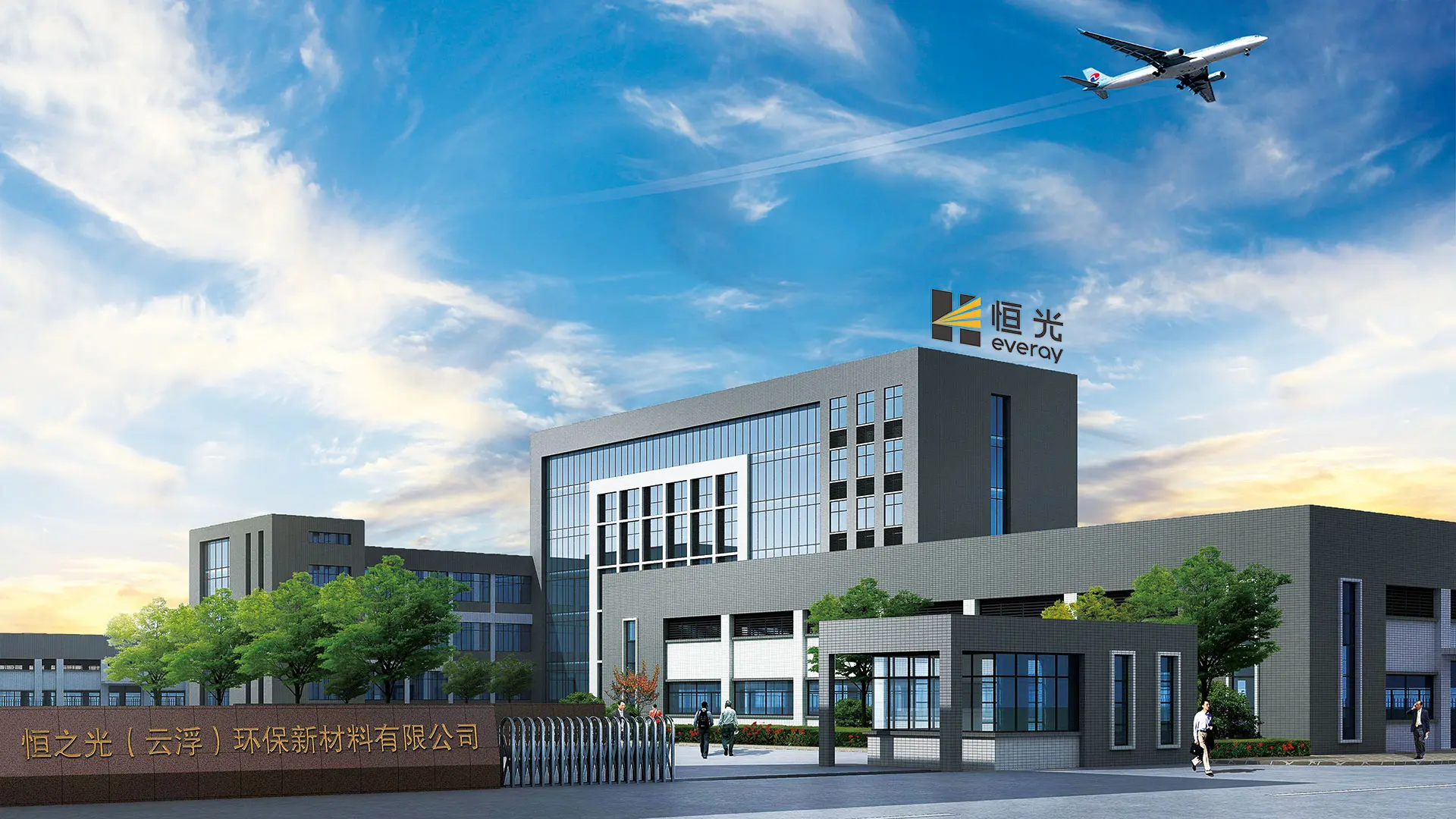
Guangdong Ever Ray Environmental Material Co., Ltd., established in 2006, is a high-tech enterprise focusing on the R&D and manufacturing of oligomers for UV curable resin. Our comprehensive product portfolio includes modified epoxy acrylate, polyurethane acrylate (including waterborne, aliphatic urethane, and aromatic urethane variants), polyester acrylate, pure acrylate, and custom functional modified acrylate oligomers designed to resolve complex application challenges.
We are dedicated to providing high reactivity, robust chemical resistance, and high-gloss parameters to formulations across key industries, including wood coatings, plastic substrates, printing inks, and structural adhesives.
Global B2B procurement of chemical raw materials demands absolute consistency, high volume capabilities, and secure logistical handling. Guangdong Ever Ray operates two distinct production bases designed to meet these stringent international criteria:
Our Jiangmen facility, spanning approximately 10,000 square meters, focuses on rapid-turnaround custom blending, special functional modification of acrylates, and direct customer application support. It serves as our agility hub for bespoke chemical engineering.
Spanning approximately 40,000 square meters, our Yunfu base is engineered for high-volume, bulk synthesis of primary oligomers. Equipped with storage, bulk handling, quality control labs, and automated logistics networks.
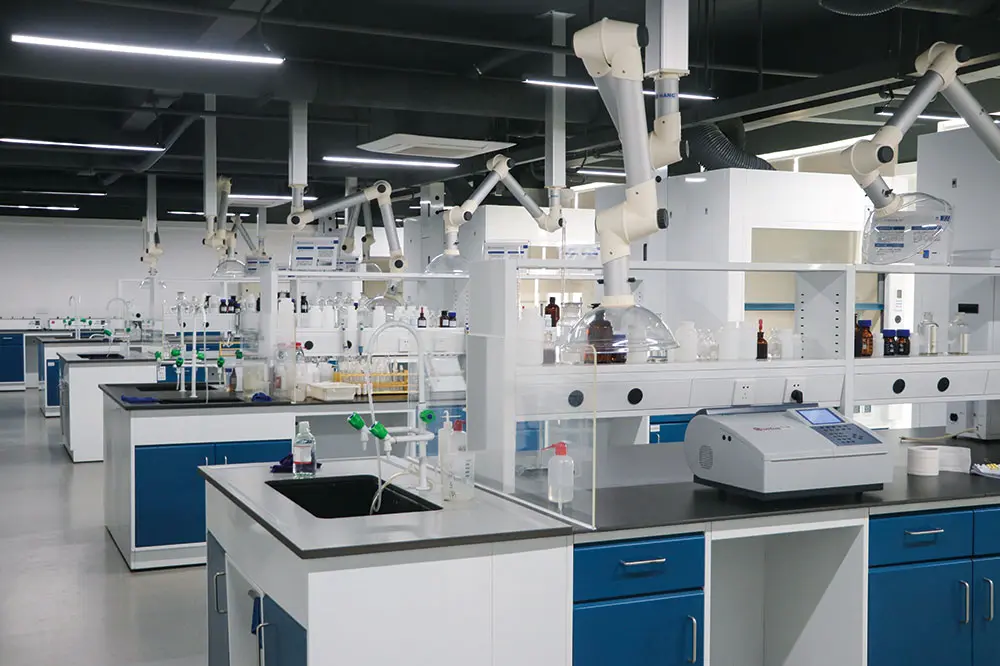
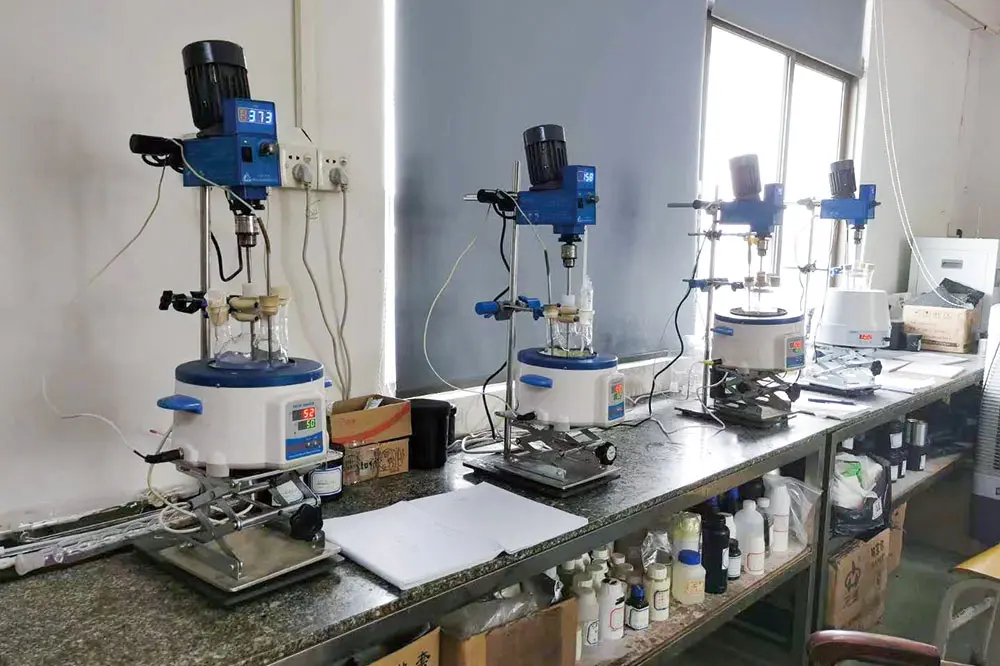
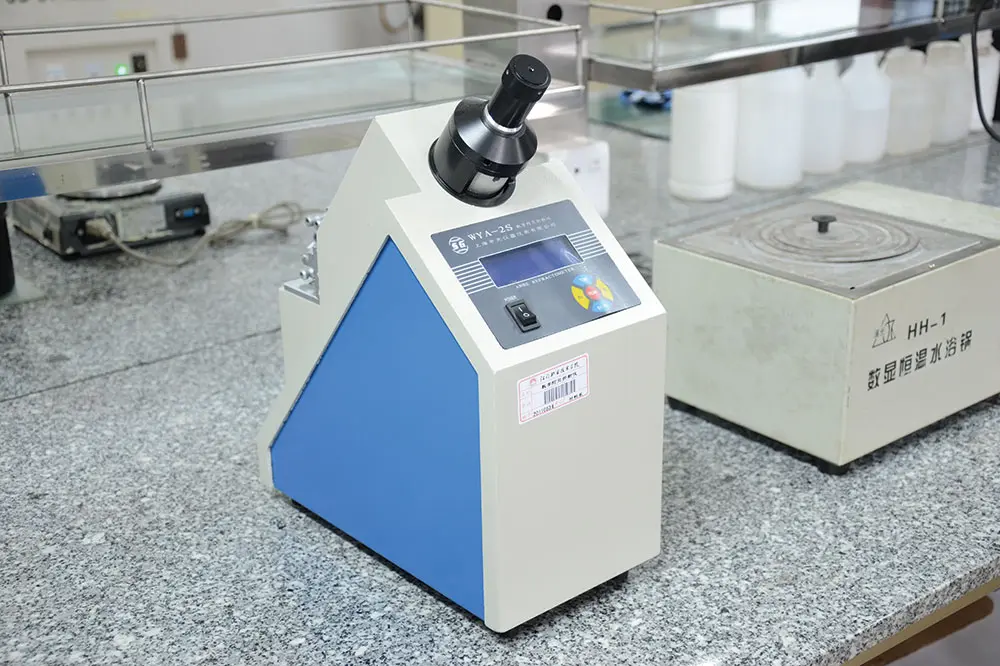
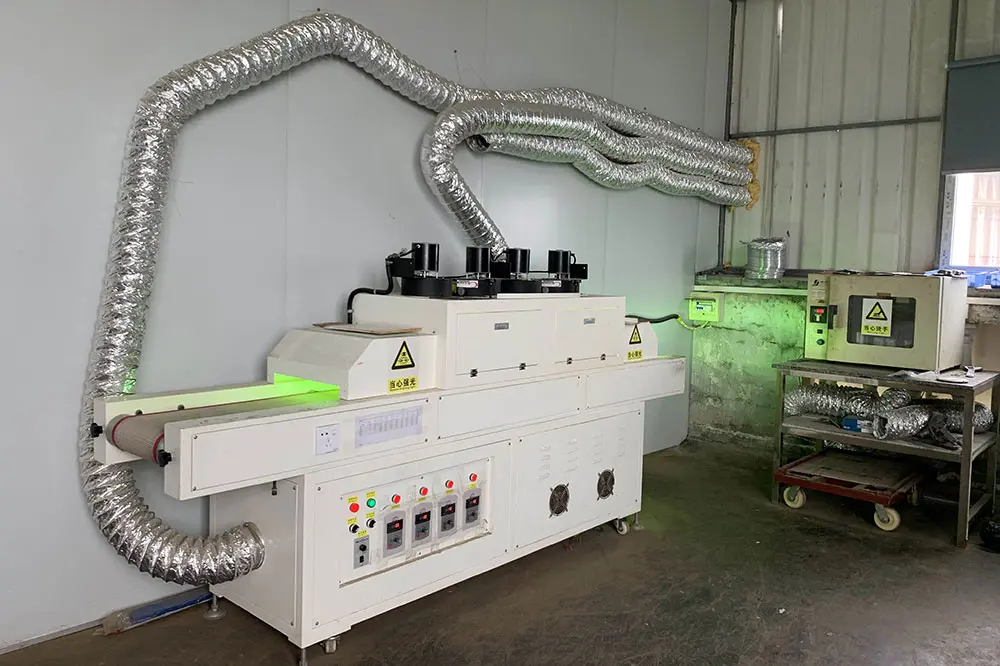
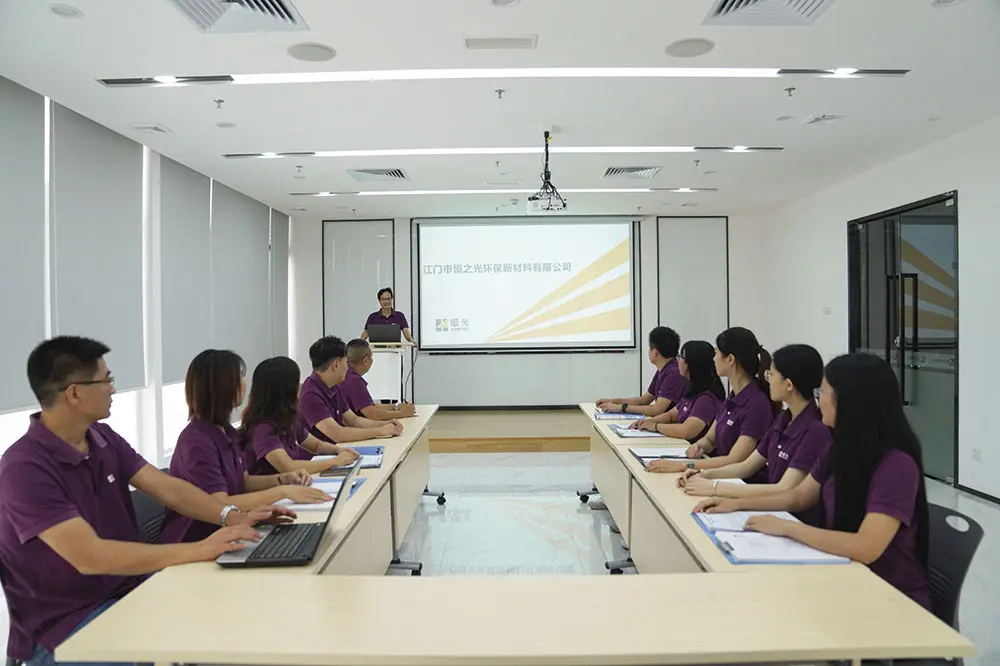
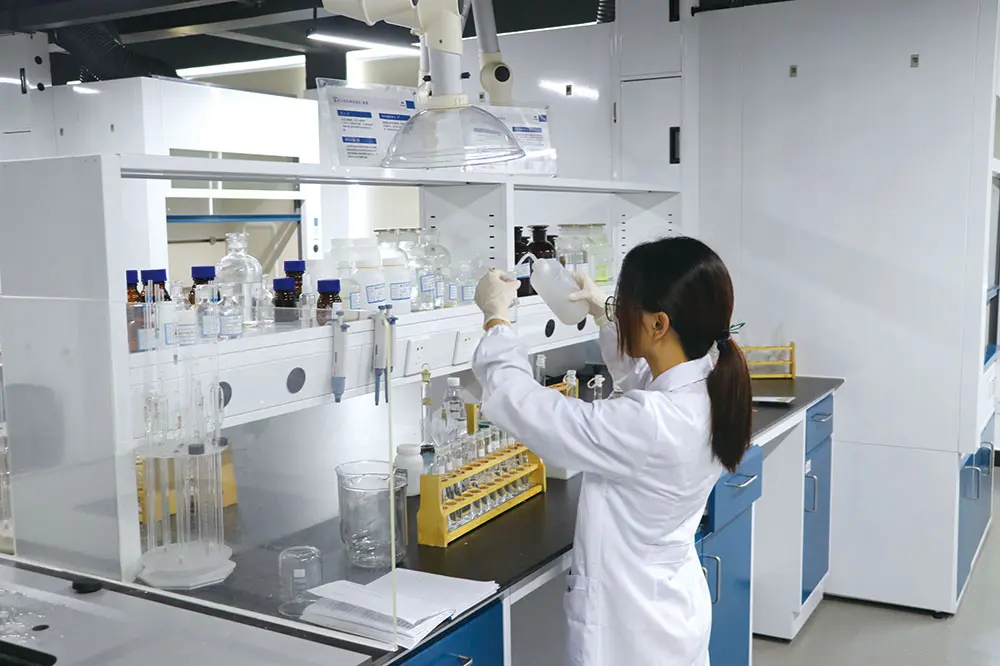
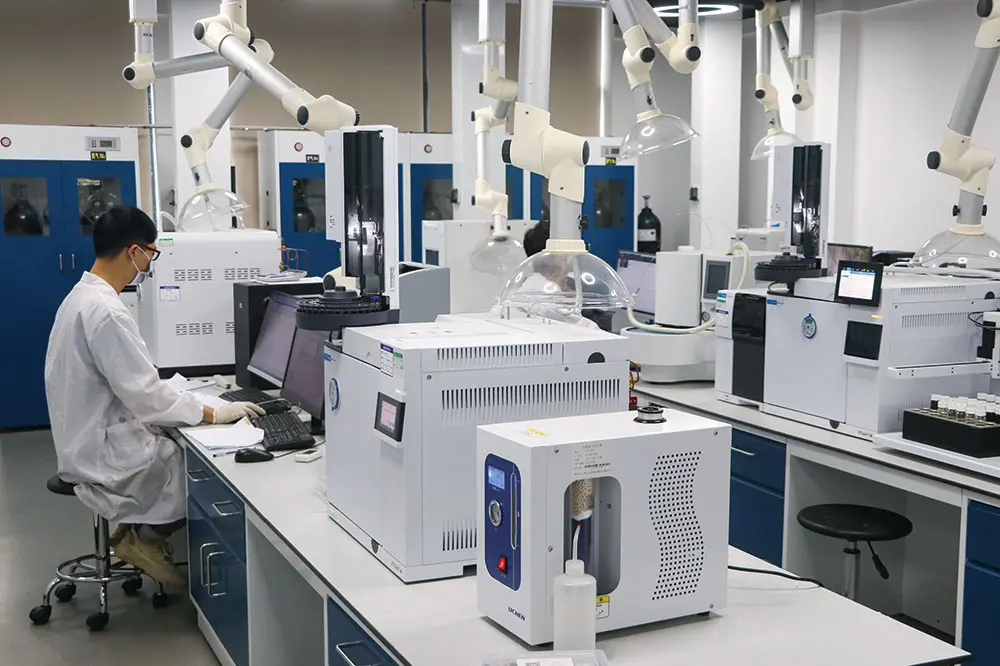
To guarantee stable chemical profiles across batch iterations, our facilities are controlled under a fully computerized DCS (Distributed Control System). This digital infrastructure continuously monitors flow rates, temperature profiles, and reaction kinetics during the synthesis of acrylates, mitigating human error and variance. By sourcing premium raw materials globally and locally, we achieve an optimal balance between quality assurance and cost-effective bulk chemical supply.
As a forward-looking liquid epoxy resin supplier and factory, our scientific division actively develops next-generation monomer/oligomer systems. We align our molecular engineering with global macro-trends:
Reducing dependence on fossil resources by integrating renewable chemical building blocks, such as epoxidized soybean oil (ESO) and cardanol-derived acrylates. Our 6710B Epoxidized Soybean Oil Acrylate represents our commitment to eco-friendly resins without compromising cure speeds.
Eliminating monomers and organic diluents via advanced polyurethane dispersions (PUDs). Waterborne UV resins achieve extremely low viscosity with zero emissions, suitable for high-end interior coatings, leather finishes, and cosmetic packaging.
Developing high-molecular-weight multi-functional oligomers with minimal migratable species. Critical for food-contact packaging coatings, pharmaceutical carton inks, and indoor applications sensitive to VOC outgassing.
Our liquid epoxy resins and UV curable oligomers are designed to function as drop-in solutions across diverse manufacturing processes:
High gloss, scratch resistance, and exceptionally fast line speeds are required in modern furniture factories. Our epoxy acrylates provide the required surface hardness, while our polyester acrylates ensure rapid curing under conveyor-belt UV lamps, cutting down curing times from hours to seconds.
Substrates like glass and display glass require durable bonding with no yellowing. Formulations containing modified acrylates, like the 17730A-2, deliver high moisture resistance and anti-yellowing performance, sustaining mechanical bonds under harsh environmental exposure.
Offset, flexographic, and screen printing demand resins that wet pigments effectively while maintaining stable viscosity. Our polyester acrylates (e.g., 5336B) provide the precise rheological behavior needed for high-speed industrial printing presses.
Safety, flexibility, and anti-yellowing are critical for personal care formulations. Our high-flexibility polyurethane acrylate oligomers provide long-lasting adhesion, excellent gloss retention, and skin-safe profiles for salon-grade nail gel systems.
Navigating international chemical shipping, customs clearance, and local compliance requires a highly experienced supplier. At Guangdong Ever Ray, we minimize logistics friction and assure long-term stability:
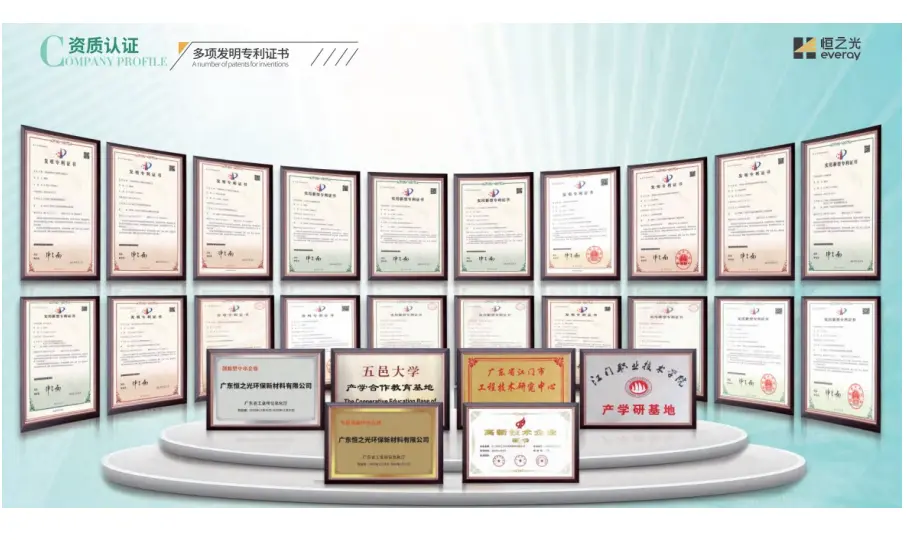
We operate in strict adherence to environmental regulations. All products are manufactured in compliance with ISO9001 and ISO14001 standards, with complete documentation including MSDS, COA, and RoHS compliance certificates.
With our 20,000-ton annual capacity, we secure raw material availability even during peak market demand, preventing production bottlenecks for our global clients.
Our in-house technical team works directly with clients' formulators to customize viscosity, cure speed, and hardness properties to meet specific production lines.
Find detailed chemical, application, and logistical answers curated by our senior R&D engineering team to streamline your B2B sourcing decisions.
Traditional liquid epoxy resins (e.g., standard Bisphenol-A resin) are thermosetting polymers that cure via chemical polyaddition using amine or anhydride hardeners. This curing mechanism is highly temperature-dependent and takes hours to dry. Conversely, a modified epoxy acrylate is synthesized by reacting liquid epoxy with acrylic acid, replacing the epoxide groups with terminal acrylate groups. This allows the resin to cure almost instantaneously (in seconds) via free-radical polymerization under UV light. Additionally, modified versions are tailored to deliver superior yellowing resistance, improved substrate adhesion, and controlled viscosity profiles.
We utilize an advanced, automated DCS (Distributed Control System) across our production lines in Jiangmen and Yunfu. This centralized computer system controls reactor temperature, pressure, feed rates, and raw material inputs. Each manufactured batch undergoes testing in our QC laboratories, where we measure viscosity (Brookfield method), acid value, color value (Gardner scale), and double-bond conversion rates (FTIR analysis) to ensure strict compliance with customer specifications before packaging.
For glass and glass-like substrates, we recommend modified acrylate resins such as our 17730A-2 Special Modified Acrylate Resin. It contains functional groups that form strong chemical bonds with silicate structures on the glass surface, offering high water resistance and anti-yellowing performance. For plastics (PC, ABS, PMMA), aliphatic polyurethane acrylates (PUAs) provide the required combination of high flexibility, low shrinkage, and excellent impact strength, preventing delamination over time.
Yes. Our R&D department, comprising over 15 dedicated technical experts, specializes in customizing chemical formulations to match our clients' exact specifications. We can adjust the oligomer molecular weight distribution, modify functional groupings to increase or decrease cure reactivity, or pre-dilute the resins with selected reactive monomers (e.g., TPGDA, TMPTA, IBOA) to meet target viscosity requirements for printing, spraying, or roller coating systems.
Select from our range of specialized industrial monomers, eco-friendly acrylated oil polymers, and texturing resins.
 Ever Ray