Explore our specialized range of high-efficiency UV resins and modified epoxy solutions engineered for peak industrial performance.
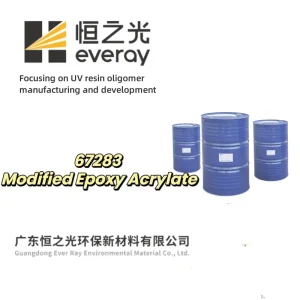
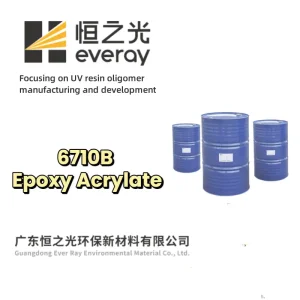
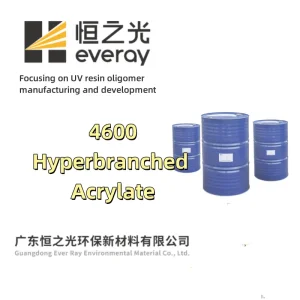
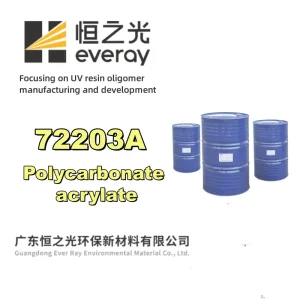
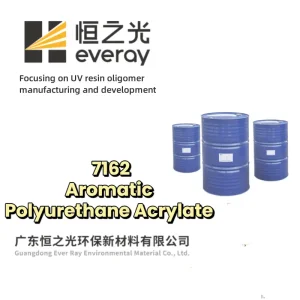
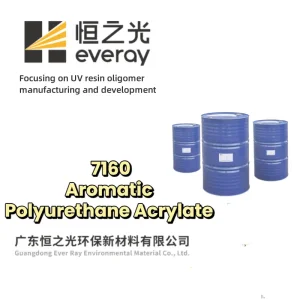
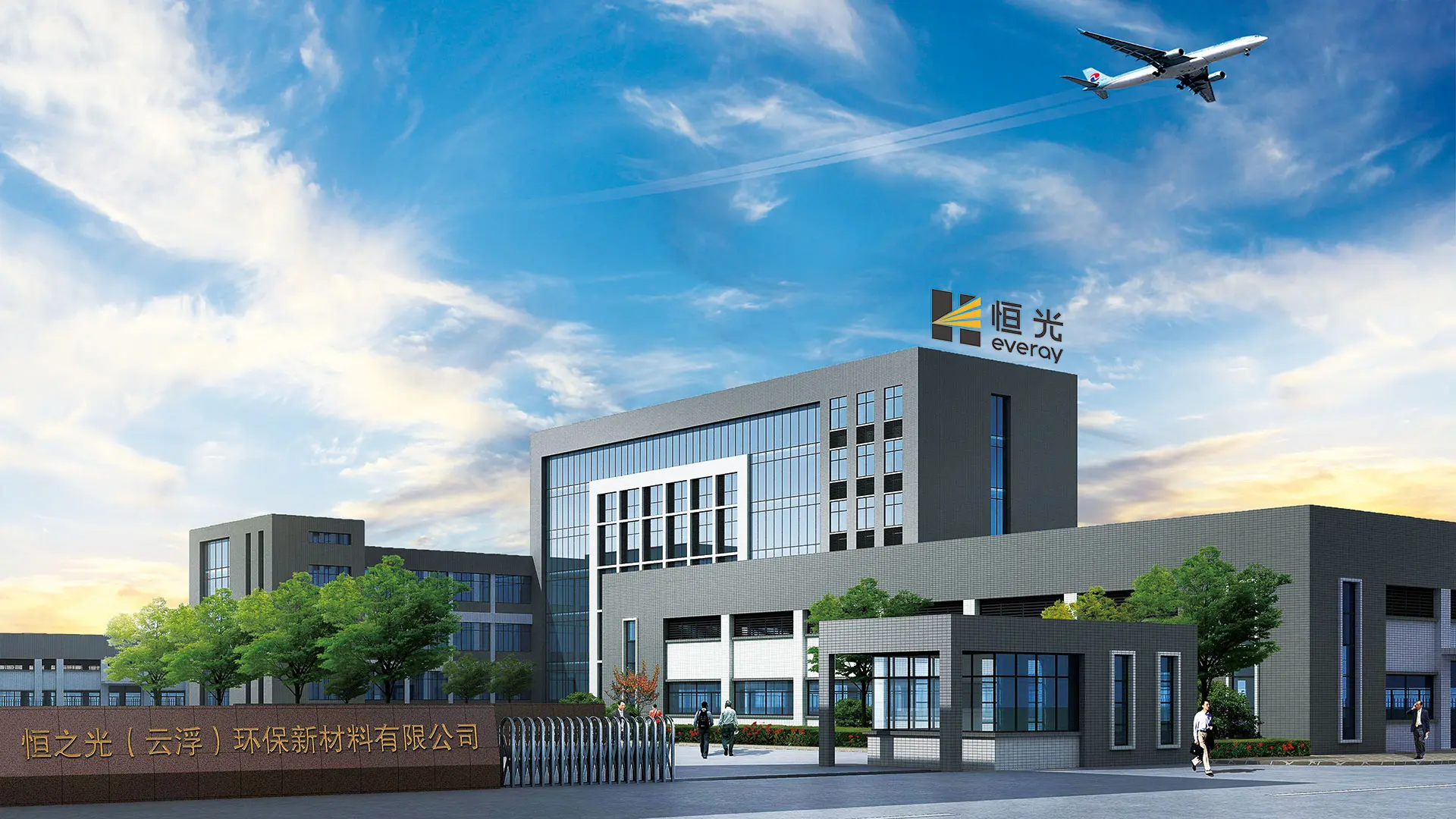
Over nearly two decades, we have established our reputation as a trusted global partner by consistently delivering superior reactivity, chemical resistance, and exceptional gloss for industries worldwide. By combining progressive chemical research with sustainable practice, we supply critical components that optimize cost, speed, and durability.
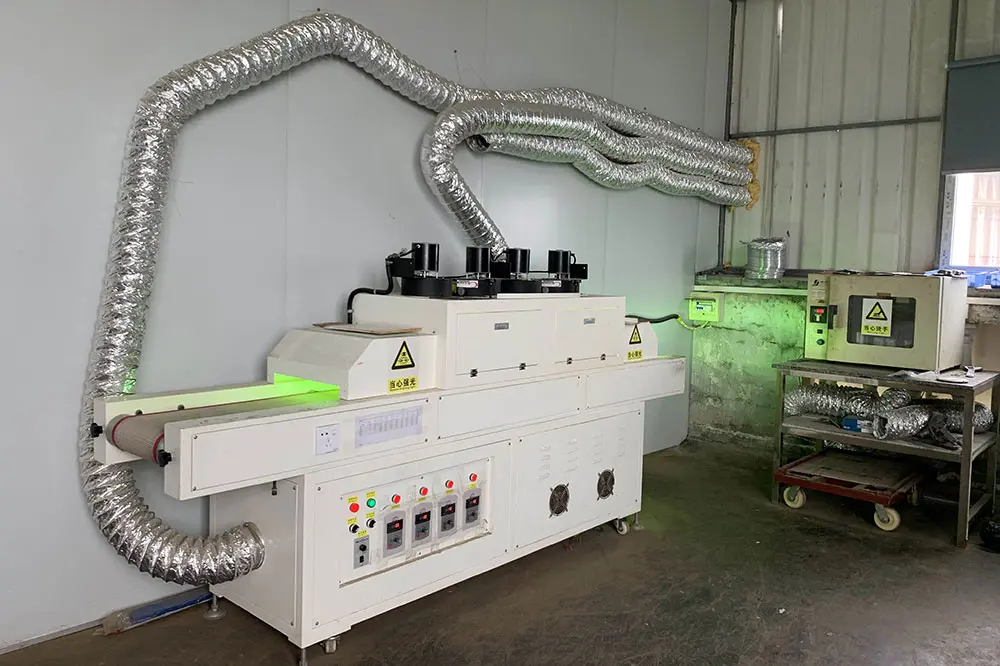
We operate two production hubs in Guangdong province to ensure supply chain resilience. Our primary facility in Jiangmen spans 10,000 square meters, while our high-volume facility in Yunfu extends across 40,000 square meters. Both factories feature fully automated DCS (Distributed Control System) computerized control systems that guarantee extreme batch-to-batch consistency.
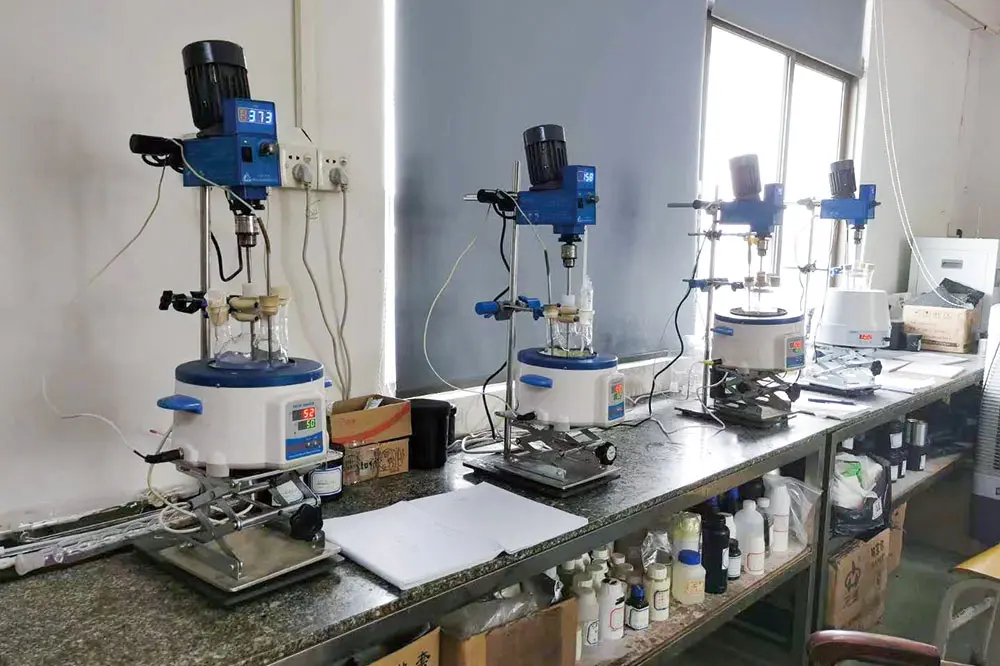
Operating under rigorous ISO9001 quality management and ISO14001 environmental management frameworks, our facilities are equipped with 10+ advanced polymer synthesis lines, delivering an annual capacity exceeding 20,000 tons.
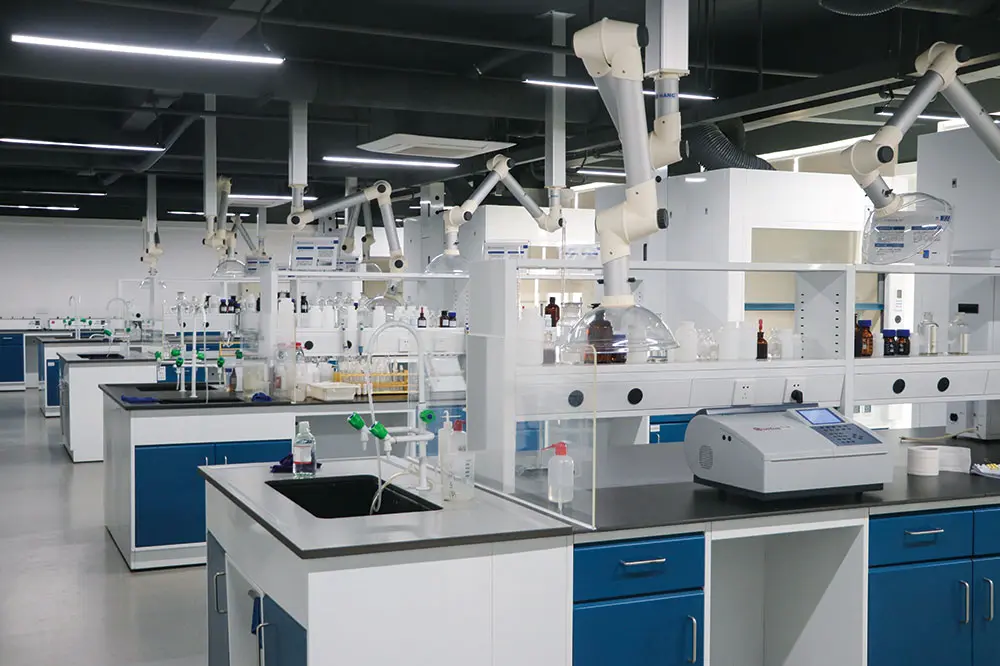
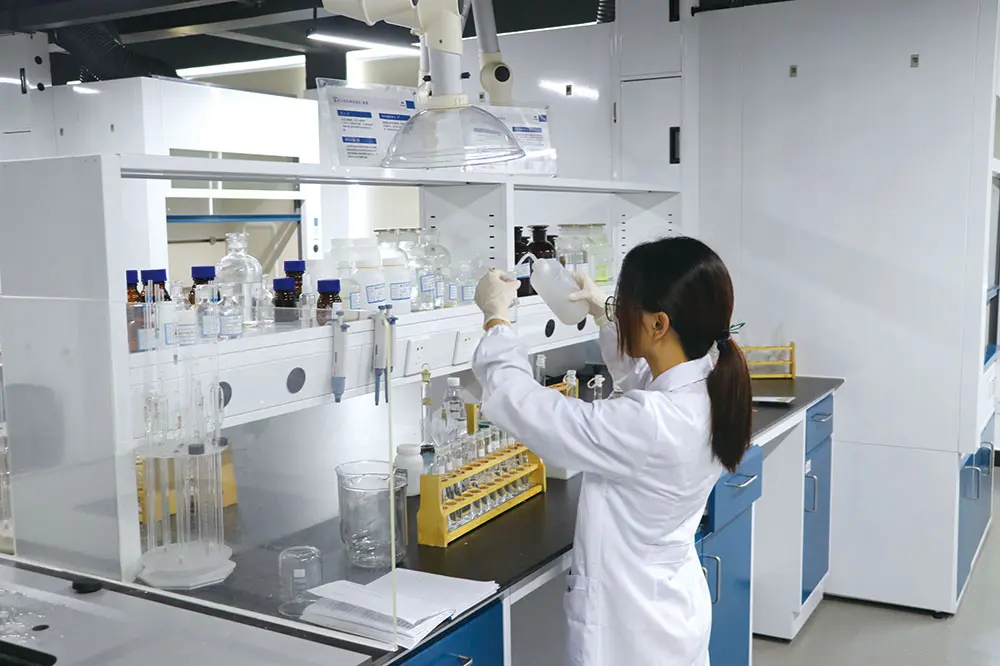
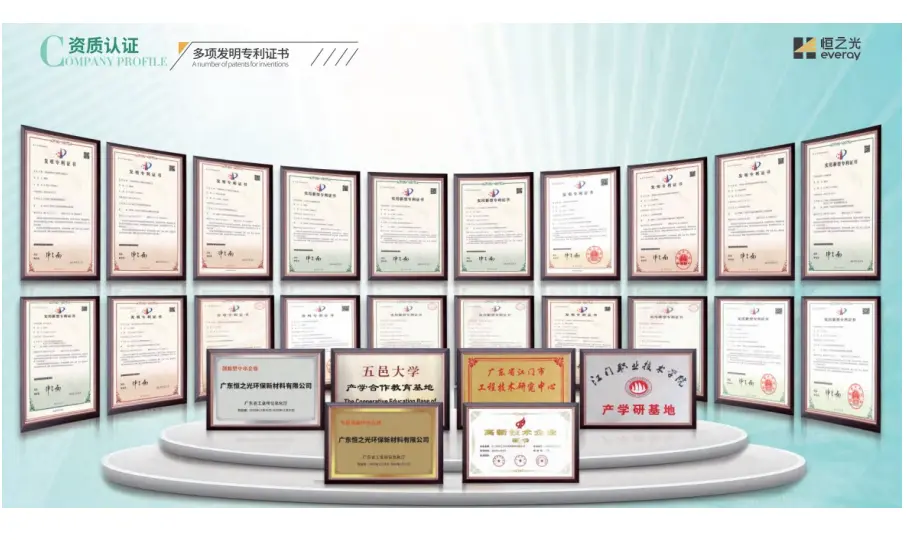
With over 15 highly skilled technicians in our R&D department and a portfolio of 10+ core invention patents, we focus on engineering cost-effective, green materials that conform to international environmental and safety compliance regulations.
Why chemical modification of standard epoxy acrylates is crucial to resolving the core performance limits of UV curable formulations.
Standard Bisphenol-A (BPA) epoxy acrylates are recognized for their fast cure speed, excellent chemical resistance, and high hardness. However, their high crosslinking density often leads to high shrinkage and extreme brittleness. Chemical modifications, such as introducing flexible segments (polyethers, polyesters, or aliphatic chains) into the epoxy backbone, significantly reduce internal stress, lower volumetric shrinkage, and boost adhesion to non-porous substrates like plastics, glass, and metal.
Traditional aromatic epoxy resins suffer from rapid discoloration under UV exposure due to photo-oxidative degradation of the bisphenol core. Our modified epoxy acrylates incorporate specialized cycloaliphatic structures or protective chain modifiers that disrupt the conjugated double-bond structures. This results in superior color retention and weatherability, enabling their use in clear coats and outdoor protective films.
Our modified resins exhibit superior dilution efficiency and lower viscosity profiles compared to standard raw epoxies. This enables chemical formulators to minimize the use of low-molecular-weight reactive diluents (monomers). Reducing monomer content improves the safety profile of the finished product, lowers skin irritation risks, and prevents monomer migration in food-grade packaging applications.
| Oligomer Class | Key Modification Type | Primary Performance Advantage | Target Applications |
|---|---|---|---|
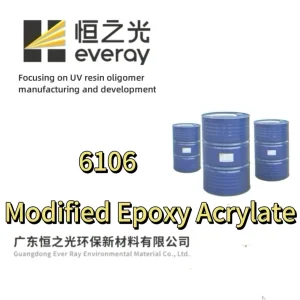
| Modified Epoxy Acrylate | Urethane / Polyester Elastomeric Modifiers | High toughness, excellent adhesion, low shrinkage, fast cure speed | Metal coatings, plastic primers, offset inks, wood topcoats |
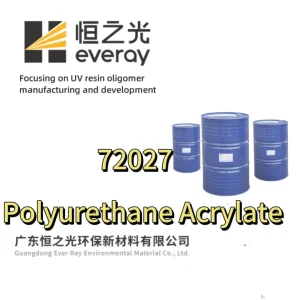
| Aliphatic Urethane Acrylate (PUA) | Isophorone Diisocyanate (IPDI) Core | Exceptional non-yellowing, weatherability, high elongation | Automotive exterior topcoats, outdoor protective films |
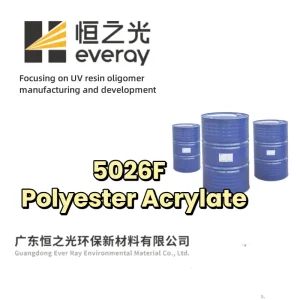
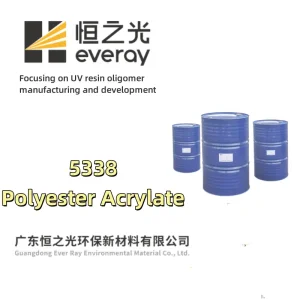
| Polyester Acrylate | Hyperbranched Architecture | Very low viscosity, low odor, fast surface curing | Flexographic inks, overprint varnishes, high-speed wood coating |
| Bio-based Acrylate | Epoxidized Soybean Oil Acrylation | Excellent eco-profile, cost-efficiency, superior flexibility | Eco-friendly packaging inks, paper coatings, plasticizers |
Why partnering with a Guangdong-based manufacturer optimizes your global chemical supply chain.
Guangdong is the epicenter of the East Asian chemical industry. By positioning our manufacturing facilities adjacent to global leaders in petrochemical refining and raw monomer production, we secure priority access to vital feedstocks, including acrylic acid, bisphenol-A, and specialized isocyanates. This raw material security insulates our clients from price volatility and guarantees production continuity.
Unlike small-scale chemical compounding facilities, our Yunfu and Jiangmen plants utilize advanced Distributed Control Systems (DCS). Every process parameter—from temperature ramps during polymerization to vacuum distillation pressure—is digitally monitored and recorded. This minimizes human error, ensures precise control over molecular weight distribution, and yields stable batch-to-batch polymer specs.
Located near Guangzhou, Shenzhen, and Jiangmen ports, we offer seamless global logistics. We handle all aspects of international shipping for hazardous and non-hazardous chemical freight, ensuring proper packaging, drum/IBC packing, and documentation compliance (REACH registration, GHS safety data sheets, and marine transport certifications) to guarantee safe custom clearances.
Providing high-end UV oligomer solutions tailored to key global industrial sectors.
Modern wood manufacturing requires finishes that cure in seconds to keep pace with automated line speeds. Our modified epoxy acrylates and hyperbranched polyester resins supply the necessary reactivity, high gloss, scratch resistance, and abrasion durability required for roller-coated wood flooring, flat-panel cabinet doors, and premium furniture varnishes.
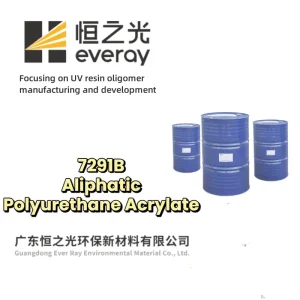
Plastics like polycarbonate (PC), ABS, and PMMA present adhesion challenges due to their low surface energy. We supply specialized oligomers, such as Polycarbonate Acrylate 72203A and PUA 7291B, that establish strong mechanical and chemical bonds with plastic substrates. These resins are widely used in consumer electronics, automotive interiors, and soft-touch protective clear coats.
Packaging printing demands rapid drying, low odor, and excellent pigment wetting. Our epoxidized soybean oil acrylates (such as 6710B) and scratch-resistant hyperbranched acrylic resins are optimized for high-performance ink formulations. They offer superior pigment dispersion and excellent rheological stability under high shear forces, preventing ink misting on high-speed presses.
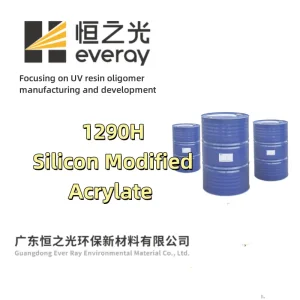
For floor manufacturing and assembly applications, low shrinkage is vital to avoid warping. Our Low Shrinkage 1290H resin is ideal for heavy-duty PVC floor coatings. For electronics and industrial assembly, our high-bonding-strength UV adhesives (such as 1762) deliver fast bonding, high thermal stability, and exceptional resistance to moisture and chemical attack.
Strategic insights for procurement directors and product developers adapting to changing regulatory and technological landscapes.
Regulatory pressures like the EU Green Deal and global carbon neutrality goals are accelerating the demand for sustainable oligomers. Industrial buyers are shifting from petrochemical derivatives to bio-sourced resins. Using raw materials like epoxidized soybean oil, cardanol, and bio-glycerol allows us to lower the carbon footprint of finished products without compromising curing speed or crosslink density.
Traditional mercury vapor lamps are being replaced by UV-LED systems (emitting at 365nm, 385nm, or 395nm) to save energy and eliminate ozone emissions. Since UV-LED emissions are narrow-band, oligomers must be highly reactive at these specific wavelengths. Our modified epoxy acrylates are designed to cure efficiently under low-energy LED light, preventing surface tackiness and ensuring complete depth cure.
Procurement teams require compliance validation. Meeting REACH, TSCA, RoHS, and food-contact approvals (such as Nestlé guidance and Swiss Ordinance for packaging inks) is essential. Our R&D and regulatory teams design formulations with low extractable profiles and minimal migration, ensuring compliance for exporting to highly regulated markets.
Answering common technical and logistical questions for procurement managers and formulators.
Unmodified Bisphenol-A epoxy acrylates feature high rigidity, fast cure rates, and high chemical resistance, but suffer from high shrinkage (~8%) and brittleness, resulting in poor adhesion to metals and plastics. Modified versions incorporate polyether, polyester, or polyurethane segments into the polymer chain. These modifiers reduce shrinkage to less than 4%, improve flexibility, and enhance adhesion to difficult substrates without sacrificing curing speed.
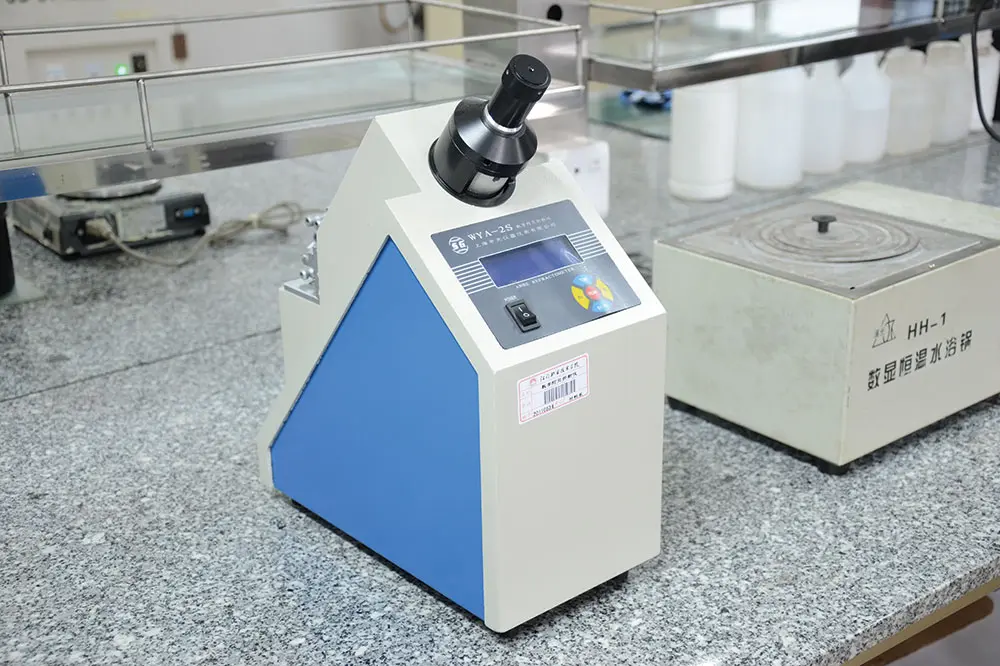
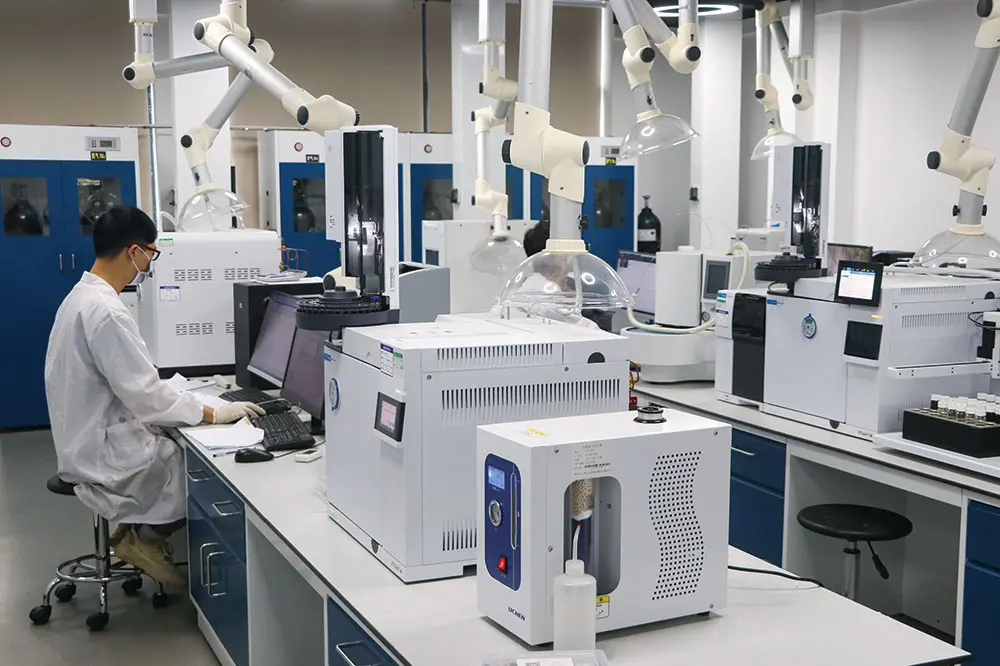
Our Yunfu and Jiangmen factories operate under ISO9001 and ISO14001 certification. We use fully automated DCS (Distributed Control Systems) to monitor feed rates, reaction temperatures, and pressure during polymerization. Every batch of oligomers undergoes rigorous Quality Control testing—including viscosity measurements, acid value titration, color testing (Gardner scale), and gel permeation chromatography (GPC) molecular weight distribution profiling—to ensure it matches spec before dispatch.
Yes. Many of our modified epoxy acrylates and polyurethane acrylates (such as PUA 7291B) are optimized for UV-LED curing. They are designed to react efficiently in the presence of long-wave UV-LED light sources (365nm to 405nm) when combined with appropriate photoinitiators (like TPO or 819). This prevents oxygen inhibition at the surface, ensuring a tack-free finish under low energy inputs.
When stored in their original, sealed containers at temperatures between 5°C and 35°C, away from direct sunlight, heat, and moisture, our oligomers have a shelf life of 6 to 12 months. Since UV resins contain reactive double bonds, keeping them in dark, cool, and well-ventilated locations is critical to prevent premature polymerization.
Absolutely. Our R&D team regularly customizes properties like viscosity, molecular weight, functional groups, and color value to meet specific customer requirements. We can also pre-dilute high-viscosity oligomers with reactive monomers (such as TMPTA, TPGDA, or IBOA) at specified ratios to simplify your formulation process.
We offer flexible packaging options based on purchase volume: 200 kg steel drums, 25 kg plastic pails, or 1000 kg IBC containers. We coordinate all logistics, including sea, rail, and air freight, and handle all safety documents and dangerous goods shipping declarations.
Our Epoxidized Soybean Oil Acrylate (6710B) is a bio-based UV resin. Compared to standard bisphenol-A epoxy acrylates, 6710B is highly flexible, low-odor, and exhibits very low shrinkage. It is an excellent choice for eco-friendly printing inks, paper coatings, and food-grade packaging where cost-efficiency and flexibility are paramount, though it cures slightly slower than high-purity aromatic epoxy acrylates.
For high-scratch-resistance applications, we recommend our 4600 hyperbranched acrylic UV resin. Its hyperbranched architecture provides a very high crosslinking density upon curing, which yields a hard, scratch-resistant surface. This resin is ideal for high-wear applications, such as wood floor coatings, overprint varnishes, and screen-printing inks.
Discover our specialized functional monomers, UV-adhesives, and low-shrinkage acrylates for advanced chemical engineering.
 Ever Ray