High-performance custom formulations synthesized under ISO 9001 quality controls for industrial coatings and specialty packaging.
Exploring macroeconomic drivers, regulatory compliance, and industrial advancements shaping the UV oligomer market.
The global demand for high-efficiency, environment-friendly polymers is growing rapidly. Among them, polyester and epoxy acrylate UV-curable resins stand out. As strict environmental policies restrict volatile organic compound (VOC) emissions, industries are shifting from solvent-based coatings to radiation-curable systems. Market analyses indicate that the UV-curing oligomer industry is expanding into heavy-duty protective systems, automotive parts, printed electronics, and high-resolution packaging inks.
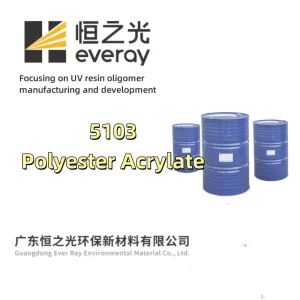
Epoxy acrylates offer high hardness, chemical resistance, and fast cure speeds, making them the standard choice for rigid substrate finishes, wood coatings, and overprint varnishes. However, their high shrinkage and limited flexibility can present challenges. This is where polyester acrylates play an important role, offering a good balance of viscosity reduction, flexibility, pigmentation compatibility, and substrate adhesion. Manufacturers are increasingly producing hybrid and modified variations to meet strict application requirements.
Our formulations help downstream manufacturers align with global environmental mandates, including REACH and TSCA compliance regulations.
Advanced synthesis control ensures rapid polymerization cross-linking, optimizing throughput and lowering operational energy costs.
Tailored molecular configurations provide excellent scratch resistance and balance adhesion with impact resistance across various substrates.
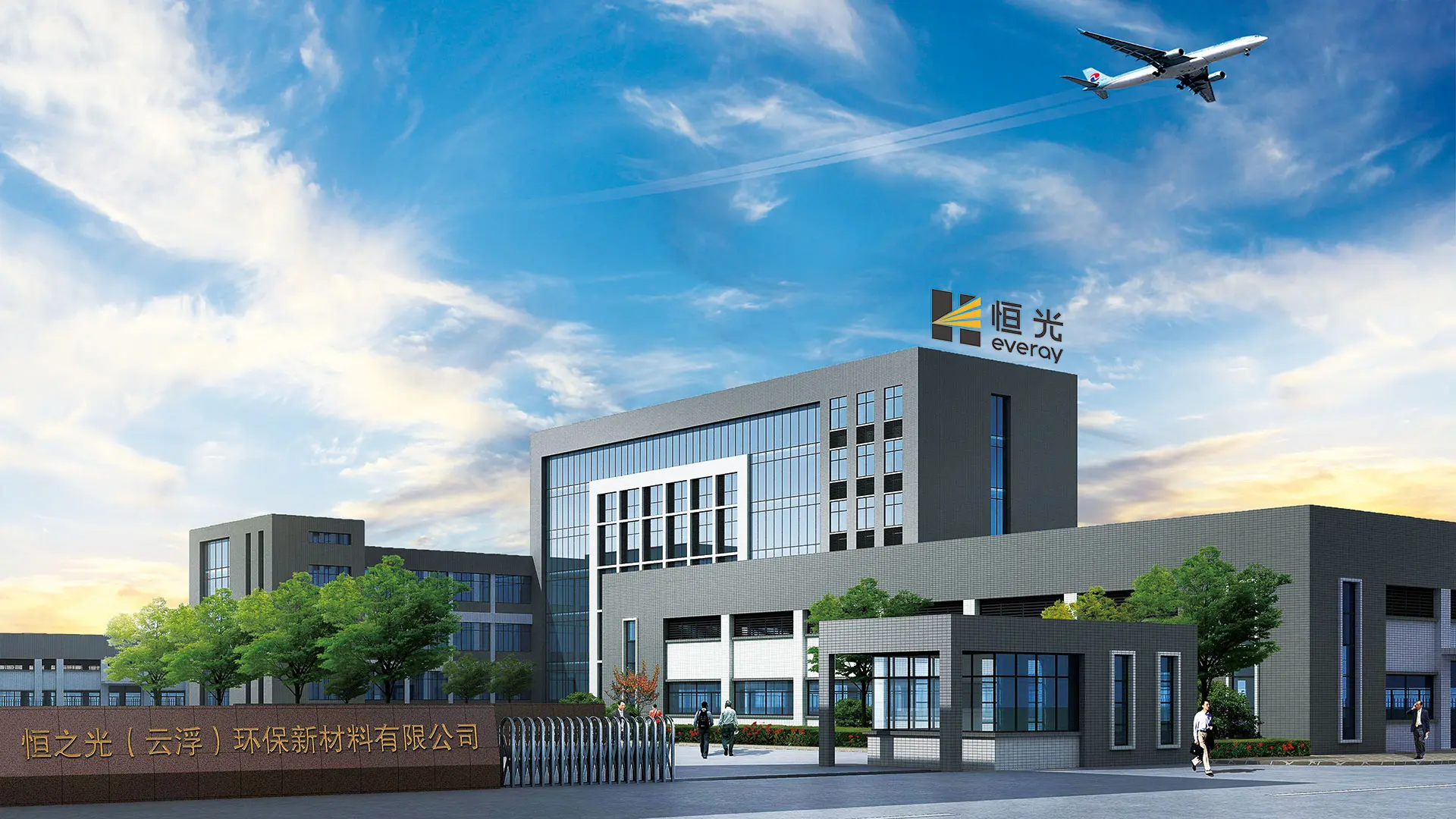
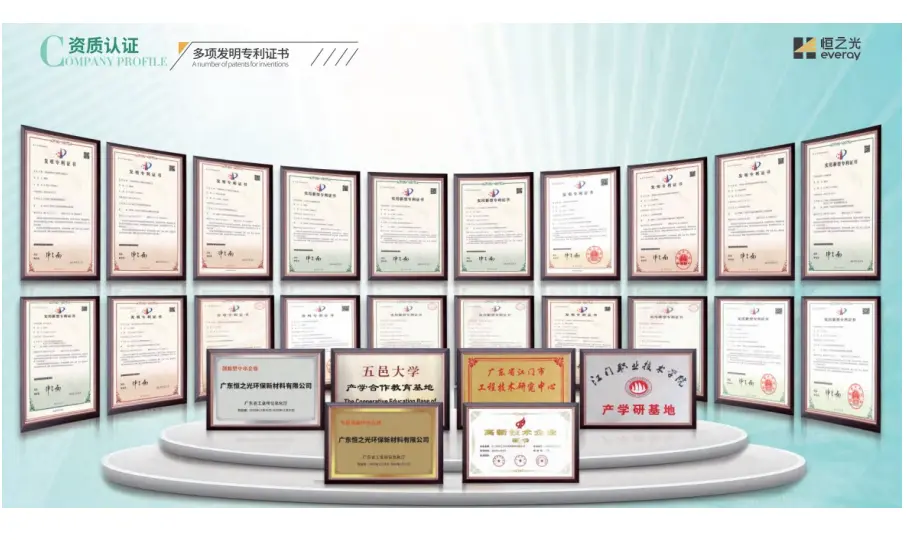
Guangdong Ever Ray Environmental Material Co., Ltd., established in 2006, is a high-tech enterprise focusing on the R&D and manufacturing of oligomers for UV curable resin. Our expertise covers epoxy acrylate, polyurethane acrylate (water-borne, aliphatic urethane, aromatic urethane), polyester acrylate, pure acrylate, and other special functional modified acrylate oligomers.
For nearly two decades, we have continuously advanced our polymer technologies to provide high reactivity, chemical resistance, and high gloss to formulations for a wide variety of applications. This includes wood coatings, plastics, printing inks, industrial adhesives, and emerging custom markets.
We operate two production bases: our 10,000-square-meter facility in Jiangmen, Guangdong, and a larger 40,000-square-meter facility in Yunfu, Guangdong. Together, they form a robust supply chain network. The facilities feature complete quality control, storage, and logistics supporting systems, with an annual capacity exceeding 20,000 tons run across more than 10 production lines.
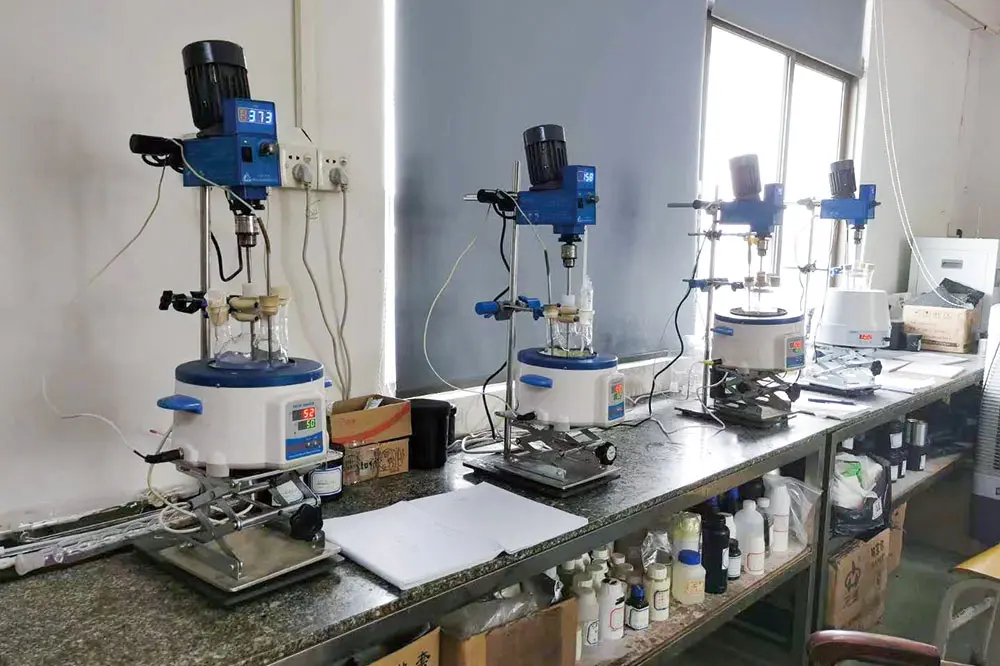
To ensure consistent quality, our factories run under the ISO9001 quality management system and the ISO14001 environmental management system. Production is managed via a modern Distributed Control System (DCS). This computerized setup allows us to precisely regulate polymerization temperatures, feed rates, and pressures. By minimizing human error, we achieve batch-to-batch consistency.
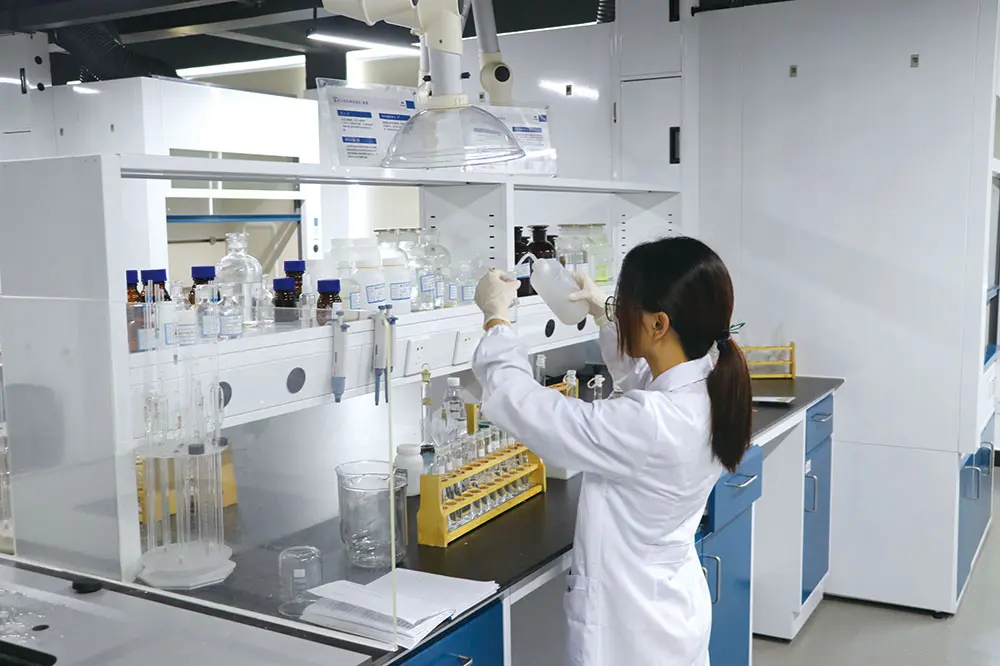
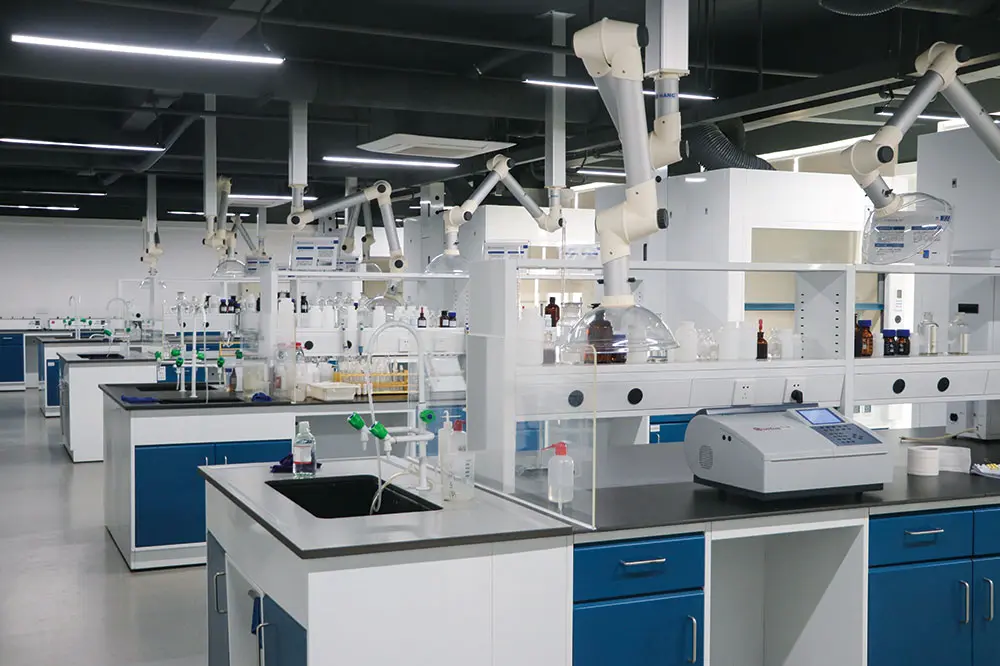
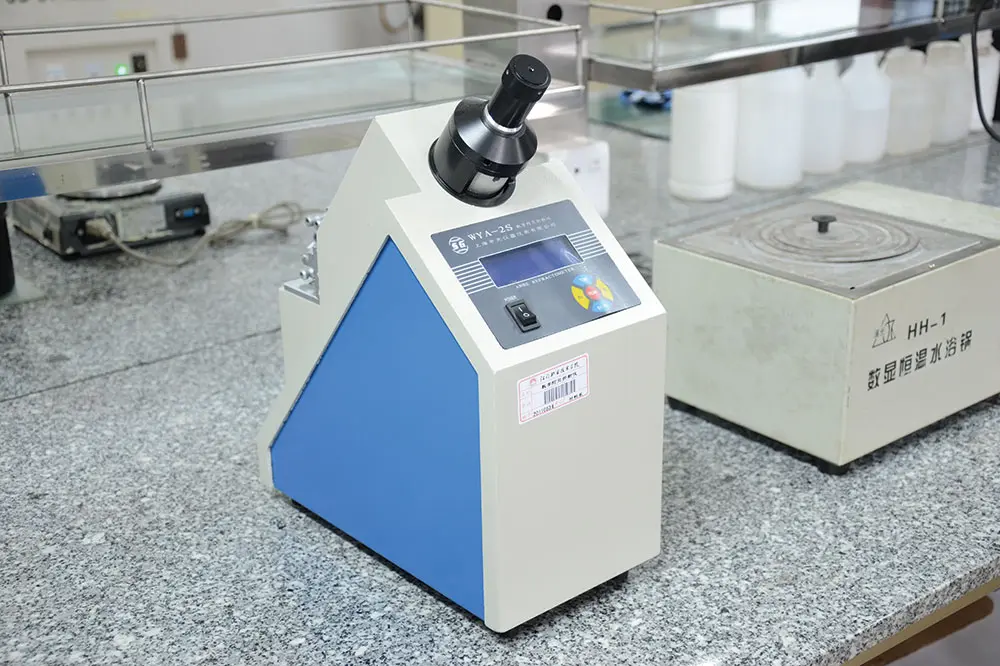
Our formulations rely on quality raw materials from verified domestic and international partners. Supported by consulting UV material experts, we continually optimize reaction kinetics, safety protocols, and product stability.
Choosing the right oligomer requires balancing performance tradeoffs. Below is a reference table to help formulators choose between Epoxy and Polyester Acrylates:
| Performance Attribute | Epoxy Acrylates (e.g., 6300, 6102) | Polyester Acrylates (e.g., 5403-2F, 5103) | Polyurethane Acrylate (e.g., 7911, 72017) |
|---|---|---|---|
| Cure Speed / Reactivity | Very Fast (Free Radical Polymerization) | Moderate to Fast (Dependent on functionality) | Excellent / Adaptable (High crosslinking density) |
| Adhesion Properties | Excellent on wood, paper; poor on plastics | Good overall, moderate on plastics & metals | High adhesion to diverse polymer substrates |
| Hardness & Resistance | High hardness, strong chemical resistance | Moderate hardness, flexible formulation | Excellent flexibility & abrasion resistance |
| Yellowing Tendency | Moderate (Standard), High (Bisphenol A base) | Low (Highly weatherable aliphatic grades) | Minimal (Aliphatic grades), High (Aromatic) |
| Shrinkage Level | Moderate to High (Requires modified design) | Low to Moderate (Highly stable) | Low shrinkage configurations |
Polyester and epoxy acrylates perform differently depending on the regional and environmental conditions of the application area:
Industrial corridors in China, Japan, and South Korea rely heavily on UV-curable resins for electronic components, consumer electronics, and automotive plastics. For instance, modified low-shrinkage epoxy acrylates like our 6106 Fast-Curing Oligomer prevent substrate distortion in delicate electronic enclosures while maintaining strong adhesion.
North American and European furniture makers utilize high-speed curing lines to boost efficiency. Fast-curing, low-odor polyester acrylates and epoxy acrylates are preferred. They offer high stain resistance and help manufacturers meet strict regional indoor air quality standards.
High-speed flexographic and offset inks require fast curing times. Polyester acrylates like our 5403-2F disperse pigment effectively and maintain low viscosity. This ensures consistent ink transfer, good wetting properties, and clean print definition at high manufacturing speeds.
Our R&D team works to balance performance with environmental responsibility. To meet changing customer demands, we focus our development on three key areas:
Answers to common engineering questions regarding the application, troubleshooting, and optimization of UV-curable monomers and oligomers.
High reactivity often leads to fast volumetric shrinkage because double bonds polymerize quickly. To address this, we introduce flexible polyether or polyester segments into the epoxy acrylate backbone (as seen in our modified 6102 and 6106 resins). This modifications relaxes internal stresses during UV exposure without significantly slowing down the overall cure speed.
Multi-functional polyester acrylates, like our 5403-2F and 5312, act as crosslinkers that provide high chemical resistance, good pigment wetting, and fast cure speeds. They help prevent ink transfer issues in packaging systems, ensuring clean results even on non-porous films or metallic substrates.
The 72017 resin features a dual-cure mechanism. Initial UV exposure triggers a rapid radical reaction to define the 3D-printed shape. Next, a thermal cure completes polymerization in shadowed or unexposed regions. This two-step process reduces shrinkage stress, prevents curling, and yields tough, precise parts.
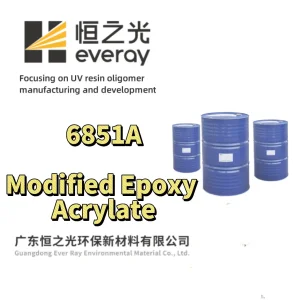
Yellowing is often caused by heat or UV exposure degrading aromatic rings in standard bisphenol-A epoxy resins. To improve weatherability, we formulate using aliphatic structures and modified polyester backbones, as found in our 6851A and 6271 resins. This keeps clear coatings transparent even when exposed to sunlight.
Select high-performance resins formulated for nail enhancements, plastic coatings, industrial wood protection, and 3D prototyping.
 Ever Ray