Wholesale Resin Manufacturers & High-Performance UV Products

Industrial-grade oligomers, epoxy acrylates, polyurethane acrylates, and custom formulation solutions engineered by Guangdong Ever Ray.

High-Performance UV Oligomer Product Showcase (Part 1)

Explore our selection of commercial-grade UV curable prepolymers, developed to deliver outstanding curing kinetics, chemical resistance, and substrate adhesion.
Wholesale Polyester Acrylate 5202B
Polyester Acrylate 5202B – The Ideal Choice for High-Performance UV Coatings Manufacturer
View Technical Specs
High-Quality 7317 UV resin
7317 UV Resin - Specialized in UV Ink Wrinkle and Snowflake Effects Supplier
View Technical Specs
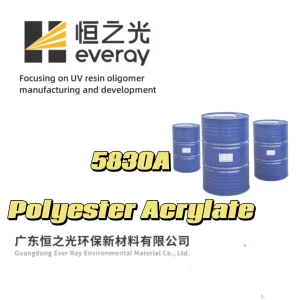
High-Quality 5830A
5830A High Hydroxyl Polyester Acrylate Resin with Superior Water Boiling Resistance
View Technical Specs
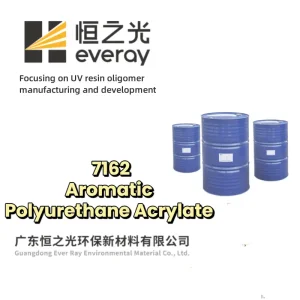
Aromatic PA UV-resin 7162
Aromatic PA UV-resin 7162 for Plastic Spray-coatings, Wood-finishes and UV-inks
View Technical Specs
Modified Epoxy Acrylate Oligomer
Fast Curing Modified Epoxy Acrylate Oligomer - High Flexibility Acrylic Resin
View Technical Specs
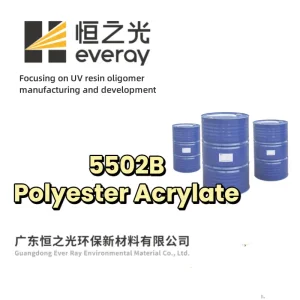
Polyester Acrylate 5502B
Polyester Acrylate 5502B – Fast Reactivity, High Hardness, Low Odor, and Heat Resistance
View Technical Specs
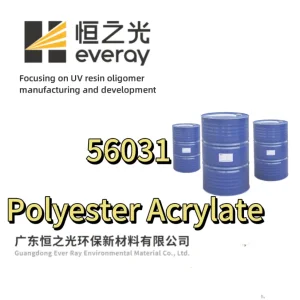
56031 Polyester Acrylate Resin
56031 Low Viscosity High Reactivity Polyester Acrylate Resin for UV Gravure Varnish
View Technical Specs
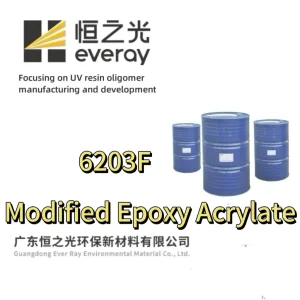
6203F Low-Shrinkage Modified Epoxy Acrylate Resin
6203F Low-Shrinkage Modified Epoxy Acrylate Resin - High Adhesion UV Prepolymer
View Technical Specs

About Our Company & Industrial Foundations

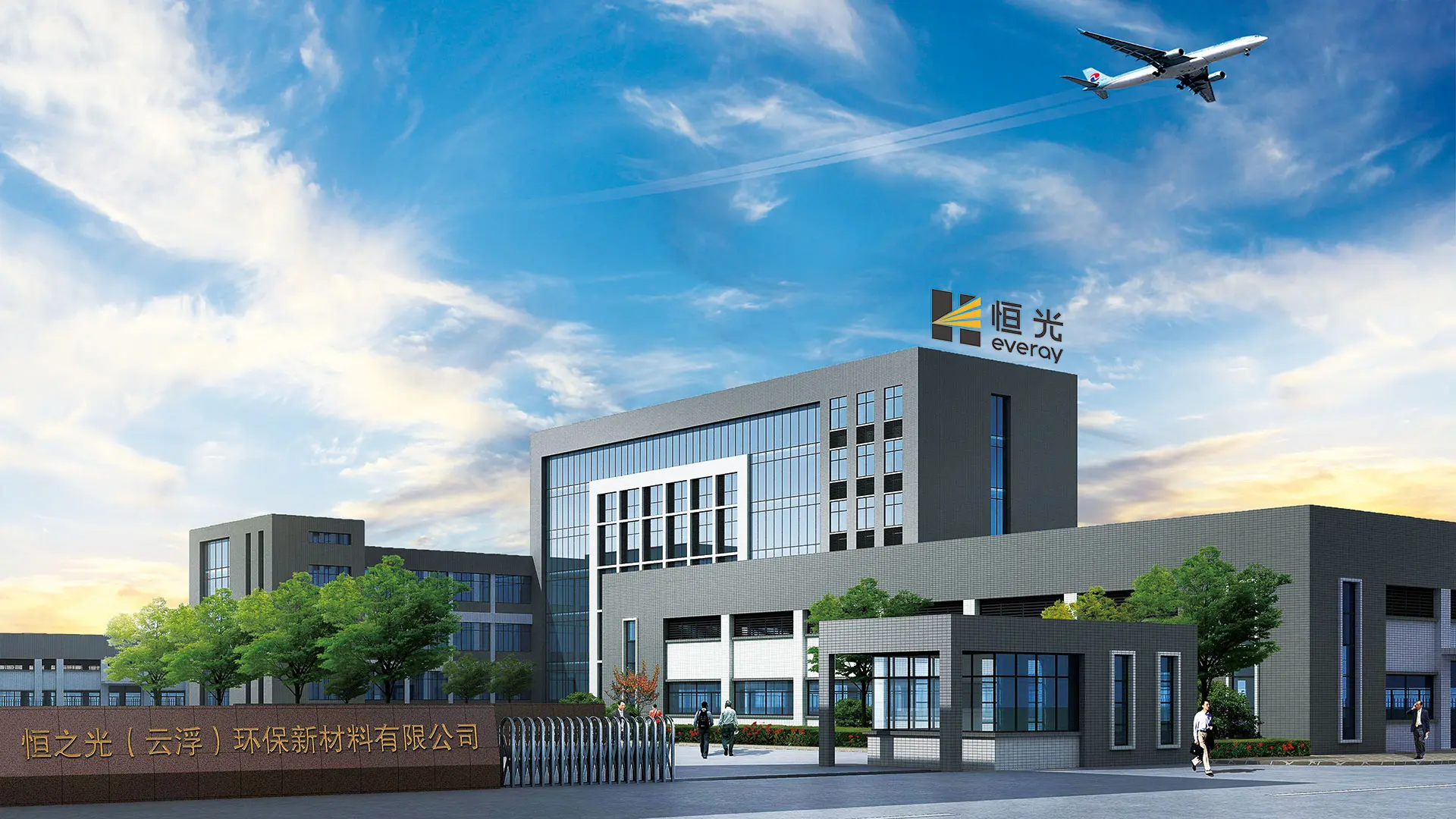
Guangdong Ever Ray Environmental Material Co., Ltd., established in 2006, is a premier high-tech enterprise dedicated to the R&D, synthesis, and supply of advanced photopolymerizable chemicals.
Our primary competency lies in the manufacturing and development of oligomers for UV curable resins. We specialize in producing key industrial chemical baselines including epoxy acrylate, polyurethane acrylate (waterborne, aliphatic urethane, aromatic urethane), polyester acrylate, pure acrylate, and special functional modified acrylate oligomers designed to optimize curing profiles across various application methods.
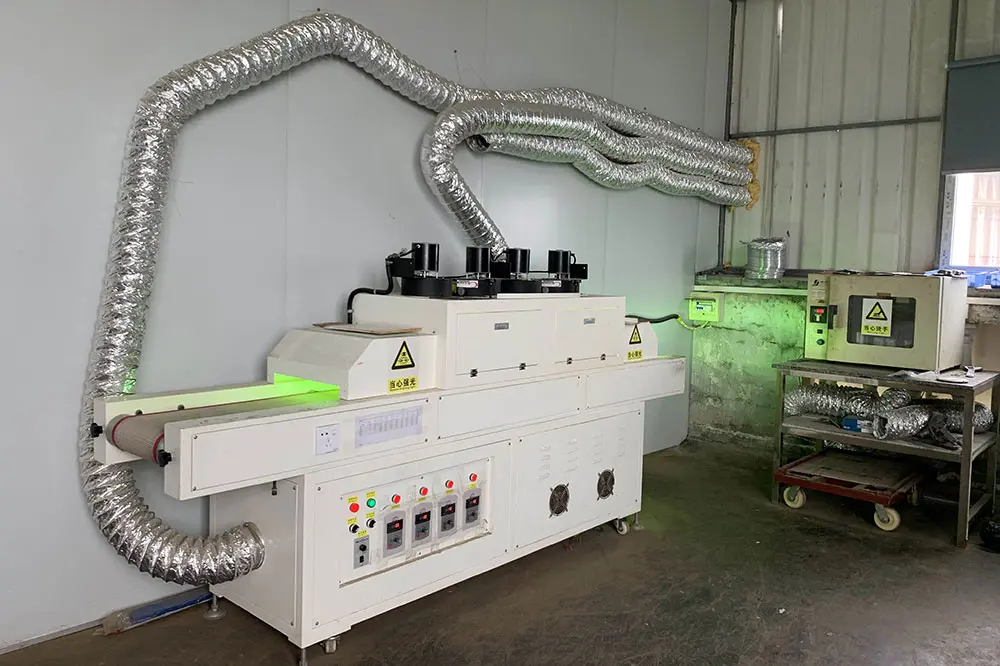
To maintain our standard of quality, our operations are fully certified under the ISO9001 Quality Management System and ISO14001 Environmental Management System. Production is managed via an advanced DCS (Distributed Control System) computerized process system, allowing for micro-level adjustment of polymerization kinetics, viscosity control, and batch consistency.
Ever Ray Facility Header
20,000+
Tons Annual Capacity
50,000+
Total Square Meters (2 Bases)
15+
Senior R&D Engineers
10+
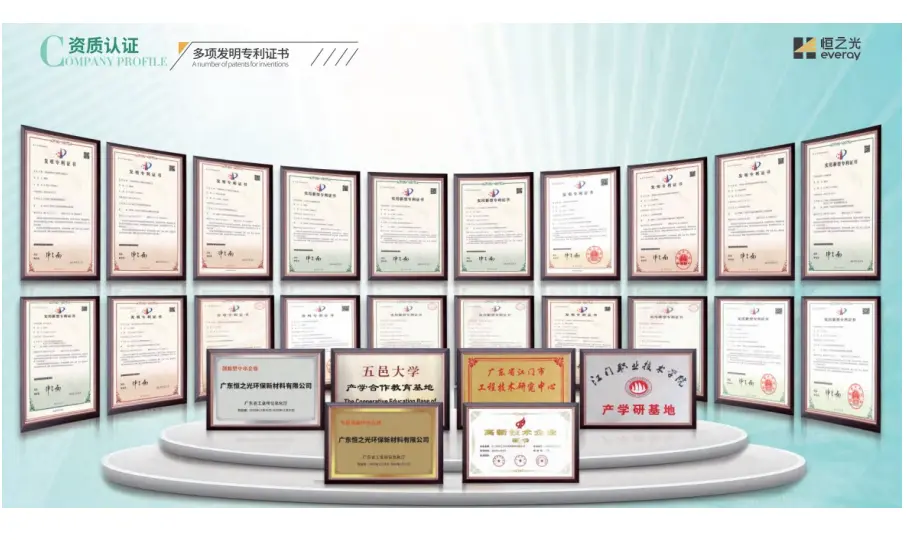
Patents & Inventions

Dual Production Footprints

To satisfy growing global demands and assure supply chain continuity, we maintain two separate modern manufacturing bases:

  • Jiangmen, Guangdong: Measuring approximately 10,000 square meters, focused on precision specialty acrylates and pilot testing.
  • Yunfu, Guangdong: Measuring approximately 40,000 square meters, serving as our primary high-volume production site, featuring comprehensive storage, logistics, and quality assurance facilities.

Advanced Formulation Control

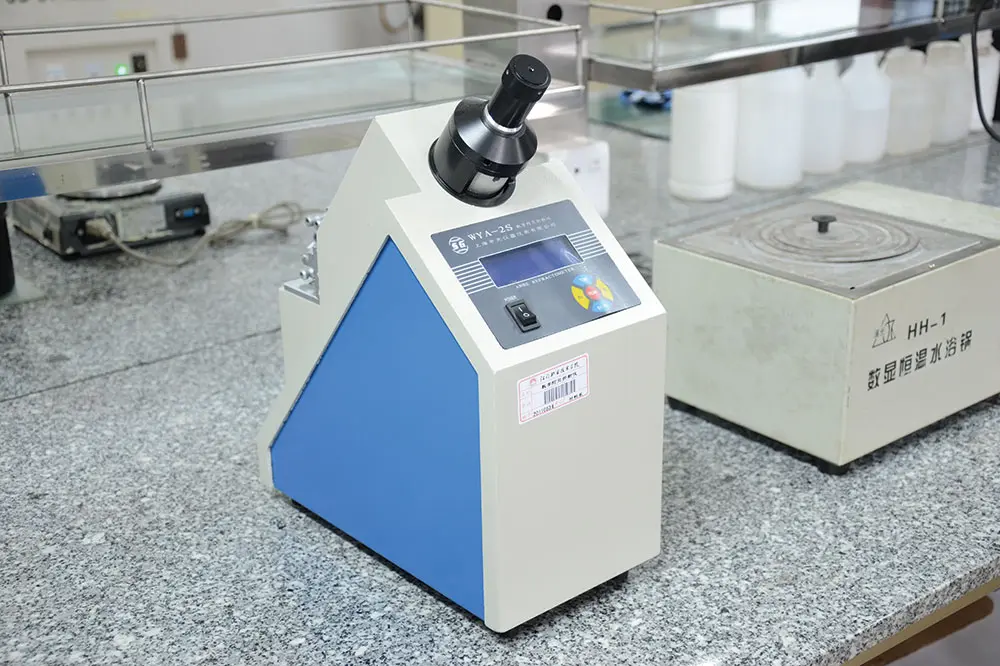
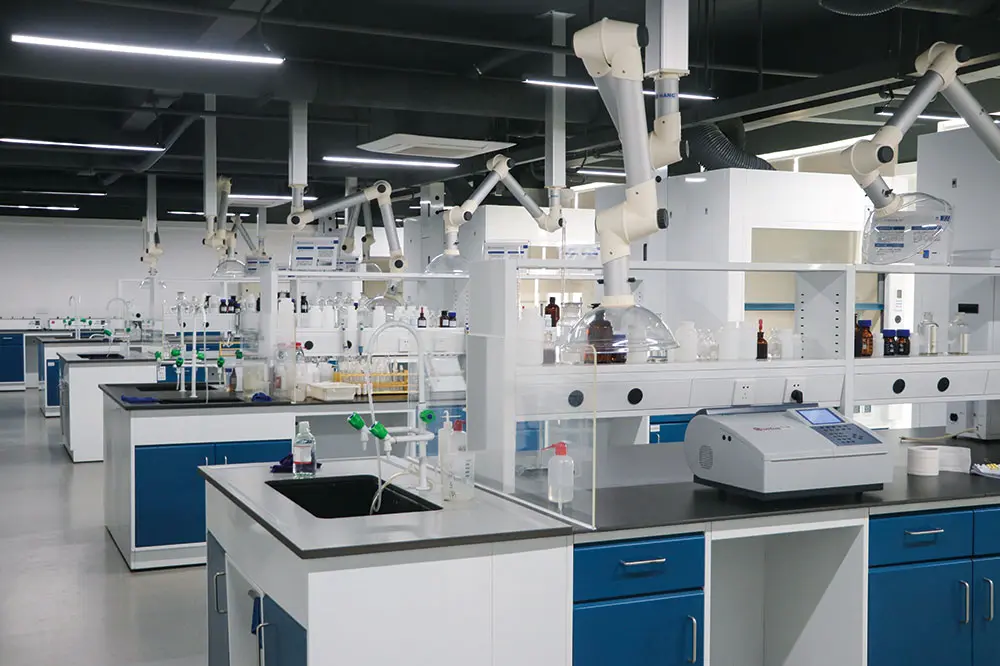
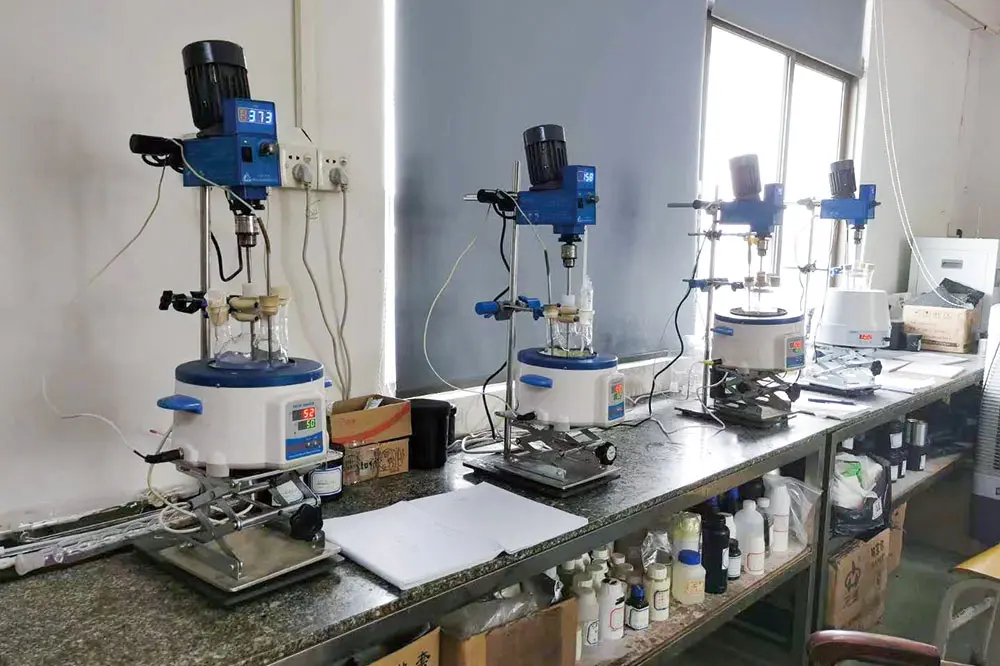
Our infrastructure integrates advanced DCS fully computerized controls with strict raw material screening. Supported by raw materials from trusted suppliers and strategic technical consultations with external photopolymer experts, we maintain precise batch-to-batch stability and optimize properties like monomer conversion rates and polymerization yields.
Visual Tour of Our Facilities

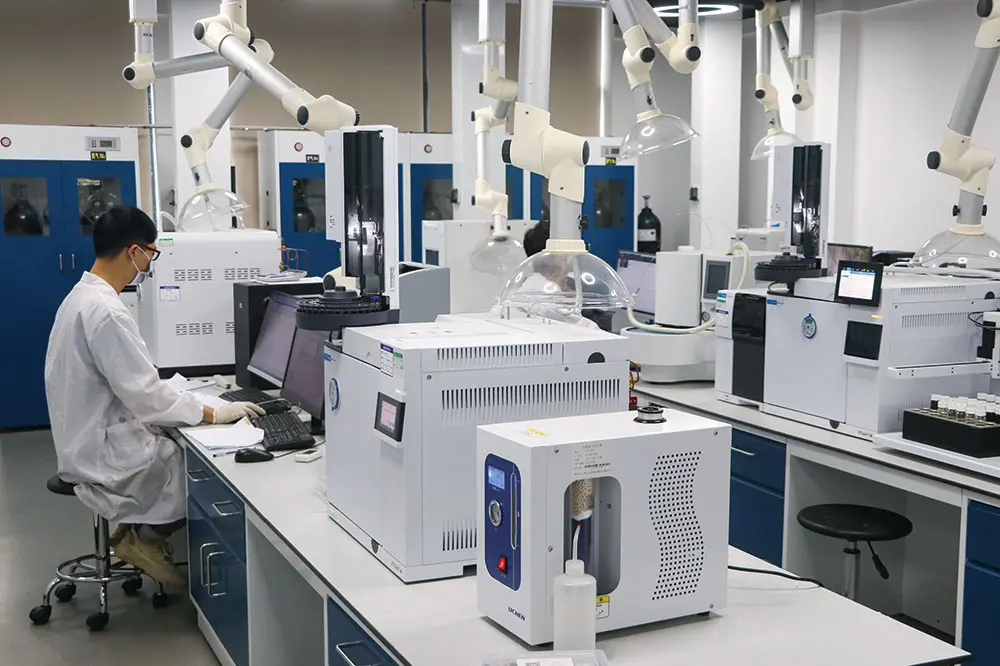
Production Facility 1
Production Facility 2
Production Facility 3
Production Facility 4
Production Facility 5
Production Facility 6
Production Facility 7
R&D Patent and Certification Showcase

Technology Roadmap & Future Outlook of Photo-Curable Resins

As global environmental standards tighten, the radiation curing industry is undergoing transitions in performance requirements and chemical compositions.

1. Waterborne UV-Curable Systems

Traditional UV curing relies on reactive diluent monomers to adjust viscosity, which can contribute to volatile organic compounds (VOCs) and skin irritation hazards. Our technology roadmap prioritizes waterborne polyurethane acrylates (WPUs), using water as the primary viscosity modifier. This allows for zero-VOC formulations without compromising cross-linking density or adhesion profiles.

2. Bio-Sourced & Low-Carbon Precursors

Sustainability is key to modern chemical manufacturing. Ever Ray is actively synthesizing oligomers based on bio-sourced polyols, functionalized vegetable oils, and renewably sourced diisocyanates. Our target is to increase the renewable carbon index of our polyurethane and polyester acrylates to over 40% within the next three years, reducing dependencies on fossil fuels.

3. Precision Polymerization & Shrinkage Control

Volumetric shrinkage during cure remains a common challenge with acrylic radicals. By modifying polymer backbones and developing hyperbranched polyester structures, our current synthesis pathway helps control volume shrinkage under 3%. This enables formulation of scratch-resistant coatings with high substrate adhesion on glass, metal, and plastic.

Furthermore, we are investigating dual-cure systems (such as UV-moisture and UV-thermal curing) designed for complex 3D structures and shadowed areas where direct light path exposure is limited. Our target is to provide oligomers that accommodate deep curing requirements, maintaining coating stability and surface finish quality in challenging environments.

Macro-Industry Solutions: Formulating for Multi-Substrate Application Challenges

Different industries demand distinct physical and chemical characteristics from UV oligomers. Below is a summary of how Ever Ray addresses these performance profiles:

Wood & Furniture Finishes

Key requirements: Scratch resistance, chemical resistance against domestic cleaners, fast line speed.
Solution: Epoxy acrylates combined with fast-reacting polyester acrylates like our 5502B. This provides hard surface finishes, low odor emissions during curing, and high production speeds on roller coating production lines.

Plastic & Automotive Electronic Parts

Key requirements: Thermal cycling stability, non-cracking behavior, adhesion to low-energy surfaces (PC, ABS, treated PP).
Solution: Aliphatic polyurethane acrylates (PUA) and specialized modified aromatic resins (e.g. 7162, 7160). These systems help manage mechanical stress during cure, providing flexible, non-yellowing protection.

High-End Printing Inks & Graphic Arts

Key requirements: Pigment wetting, low-viscosity transfer in gravure/flexo, high speed cure, specialty effects.
Solution: Polyester and modified epoxy acrylates with high polar functional groups. Products like our 7317 support textured effects (snowflake/wrinkle finishes), while maintaining high pigment loading and suspension stability.

Structural Adhesives & Water Transfer Inks

Key requirements: Peel strength, moisture resistance, flexible post-cure deformation.
Solution: Modified acrylates engineered for low shrinkage and high cross-linking. Our structural acrylates preserve dimensional integrity, providing stable bond lines between glass, plastic, and metal substrates.

China Factory 4.0: Supply Chain Resilience & Technical Advantages

Operating in the center of China’s chemical cluster in Guangdong, Ever Ray leverages local chemical supply chains to optimize manufacturing costs and product availability.

Raw Material Integration

Direct proximity to key monomer, polyol, and isocyanate manufacturers in Southern China allows us to source feedstock materials efficiently, reducing supply disruptions and raw material cost volatility.

Automated DCS Operations

Our Yunfu and Jiangmen factories use DCS automated systems to monitor feed rates, pressure limits, and heating curves in real time, limiting human error and supporting consistent batch quality.

Scalable Logistics Support

With dedicated warehouse facilities, hazardous chemical shipping licenses, and close proximity to major ports (Guangzhou, Shenzhen), we support fast shipping and flexible MOQ setups for global buyers.

Global Procurement Demands: Compliance & Technical Customization

Navigating global chemical regulations and product customization is critical for modern industrial chemical procurement. Here is how we support global sourcing requirements:

Technical Customization & Support

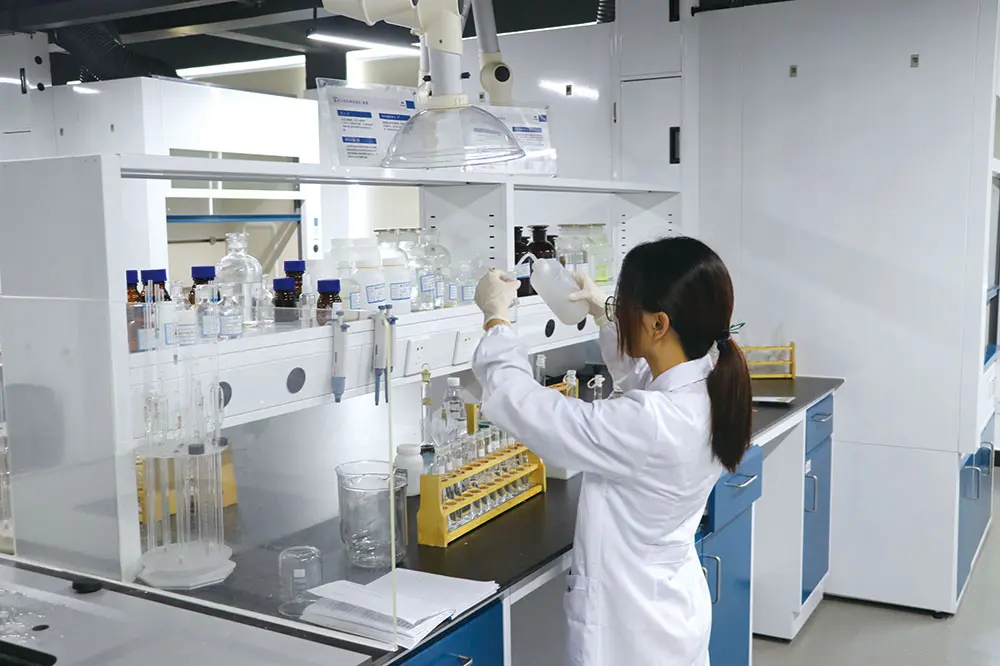
Our R&D team works directly with clients to adapt oligomer designs to regional curing equipment setups and seasonal climate variations. Whether adjusting high-temperature viscosity stability for Middle Eastern clients or low-viscosity flow profiles for European high-speed packaging lines, we customize molecular weights and monomer additions to meet specific application criteria.

We provide safety data sheets (SDS) following GHS standards, detailed certificates of analysis (COA), and technical datasheets (TDS) for every batch, simplifying incoming raw material quality checks.

Regulatory Compliance Assurance

Ever Ray monitors international chemical regulation updates to ensure product compliance across regional markets.

  • RoHS & REACH Compliance: Oligomers are designed to be free from restricted heavy metals, halogenated compounds, and high-concern plasticizers.
  • FDA Food Contact Approvals: Developing low-migration, low-odor monomers and oligomers specifically for food packaging and cosmetic container applications.
  • Environmental Systems: ISO 14001 compliance, incorporating wastewater treatability protocols and energy conservation designs inside our production loops.

Frequently Asked Questions: Technical UV Resin & Oligomer Guidance

Q1: What are the differences between epoxy acrylates and polyurethane acrylates (PUA) in formulation?
Epoxy acrylates cure quickly, yield high surface hardness, offer good chemical resistance, and are cost-effective, making them popular for wood coatings and paper varnishes. Polyurethane acrylates (PUA) focus on balancing flexibility, adhesion, weathering stability, and anti-yellowing behavior. Aliphatic PUAs are commonly used in automotive finishes and exterior coatings due to their UV light stability, whereas epoxy acrylates are preferred for rigid, chemical-resistant interior components.
Q2: How does polyester acrylate resin affect viscosity and curing rates in UV gravure and flexo inks?
Polyester acrylates help control pigment wetting and system rheology. Lower-viscosity polyester acrylates, like our 56031, reduce the need for low-molecular-weight reactive monomers, which helps limit shrinkage and odor. They support fast double-bond conversions, allowing flexo and gravure printing machines to run at higher speeds while maintaining ink transfer and crisp prints.
Q3: What causes volume shrinkage in UV coatings, and how can it be resolved?
Volume shrinkage happens when liquid monomer molecules draw closer together to form a solid polymer network during cross-linking. High shrinkage can result in poor substrate adhesion and warping. To address this, formulators can use oligomers with lower double-bond densities, specialized high-molecular-weight modified epoxy acrylates (such as 6203F), or hyperbranched polyester resins. These structures help control shrinkage while maintaining target surface hardness.
Q4: What storage requirements are necessary to prevent premature gelation of UV resins?
UV-curable oligomers are sensitive to light and high heat. They should be stored in opaque, UV-blocking HDPE or lined steel drums at temperatures between 5°C and 30°C. Maintaining a small head of air (oxygen) inside the container is important, as the polymerization inhibitors commonly used in these formulations require oxygen to remain active.
Q5: Can UV resins be adjusted for water transfer printing?
Yes. Resins for water transfer printing must be flexible enough to bend with the carrier film and release cleanly once activated, while retaining reliable adhesion to the receiving part after UV curing. Specialty modified acrylates are designed to support clean water release, maintain film integrity during transfer, and cure to a durable final finish.

High-Performance UV Oligomer Product Showcase (Part 2)

Discover further high-performance resins designed for specialized applications, including multi-substrate bonding, wood varnishing, and flexible film printing.
Bisphenol A Epoxy Acrylate Resin 9105M-80
Bisphenol A Epoxy Acrylate Resin 9105M-80: Core Resin for Durable UV Coatings
View Technical Specs
7913 Polyurethane Acrylate UV Resin
7913 High Reactivity Anti-fouling & Abrasion Resistant Polyurethane Acrylate UV Resin
View Technical Specs
72021E UV-resin
72021E UV-resin for Multi-Substrate Bonding Supplier & Developer
View Technical Specs
6231 Curing modified epoxy acrylate
6231: Curing Modified Epoxy Acrylate with Excellent Leveling Properties Manufacturer
View Technical Specs
6160M-3 modified epoxy acrylate
6160M-3: Fast Curing Modified Epoxy Acrylate for Industrial Coatings
View Technical Specs
Special Modified Acrylate Resin
Special Modified Acrylate Resin | Low Shrinkage & Glass Adhesion | For Water Transfer Printing
View Technical Specs
5403DF polyester acrylic UV resin
5403DF: Polyester Acrylic UV Resin for Offset and Flexographic Printing Applications
View Technical Specs
Aromatic PA UV-resin 7160
Aromatic PA UV-resin 7160 for Plastic-coatings, Wood and Inks Supplier
View Technical Specs