Premium UV wood/plastic coatings, paper varnishes, 3D printing engineering resins, and optical-grade adhesives.
UV-curable acrylic adhesives represent the cutting edge of industrial assembly and surface coating technology. Unlike traditional solvent-based or water-based systems that rely on slow thermal evaporation, UV acrylic formulations solidify almost instantaneously via free radical photopolymerization. When exposed to ultraviolet radiation (typically between 200nm and 400nm), photoinitiators absorb energy, generating reactive free radicals that launch rapid chain-growth polymerization of raw monomers and oligomers. This transformational chemistry creates highly crosslinked polymer networks with exceptional chemical resistance, shear strength, and substrate adhesion.
Technical Insight: By adjusting the ratios of acrylic oligomers (such as aliphatic polyurethane acrylates or epoxy acrylates) and reactive diluent monomers, factories can fine-tune critical physical behaviors: glass transition temperature (Tg), shrinkage stress, viscosity, yellowing index (YI), and ultimate peel/shear strength.
For high-throughput industrial manufacturing—ranging from consumer electronics packaging to multi-layer protective laminates—selecting the appropriate wholesale oligomer is the deciding factor in overall assembly speed and durability. Raw material characteristics dictate how effectively the cured system resists moisture, structural loading, thermal shocks, and yellowing from prolonged UV exposure.
Strategic shift towards high-speed automated processing, eco-friendly waterborne systems, and zero-VOC global mandates.
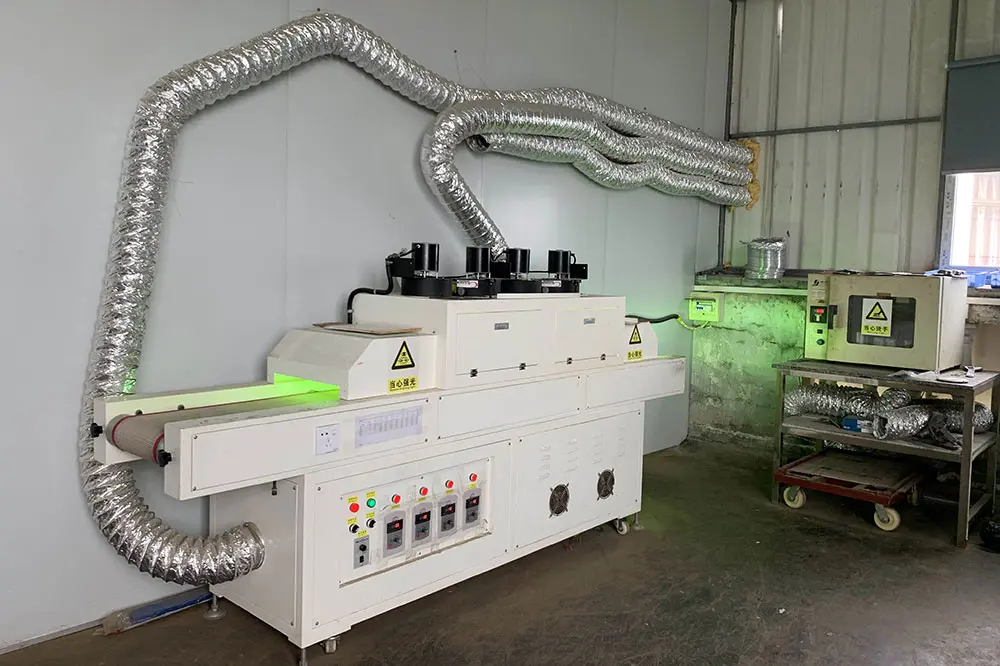
The industry is transitioning from high-heat mercury vapor lamps to narrow-band UV LED systems (365nm to 395nm). Factories demand oligomers optimized for surface cure speeds without atmospheric oxygen inhibition.
Global supply networks require compliance with RoHS, REACH, TSCA, and zero-VOC directives. Traditional solvent-borne adhesives are being systematically phased out for solvent-free hot melt and waterborne UV resins.
Global procurers prioritize vertical integration. Working directly with massive industrial factories that feature advanced DCS fully computerized controls guarantees batch-to-batch consistency and continuous supply volume.
Established in 2006, Guangdong Ever Ray Environmental Material Co., Ltd. is a leading high-tech enterprise focusing on the R&D, formulation optimization, and volume manufacturing of premium UV curable resins and oligomers. Our catalog spans epoxy acrylates, aliphatic/aromatic polyurethane acrylates, waterborne UV resins, polyester acrylates, pure acrylates, and specialty modified functional oligomers.
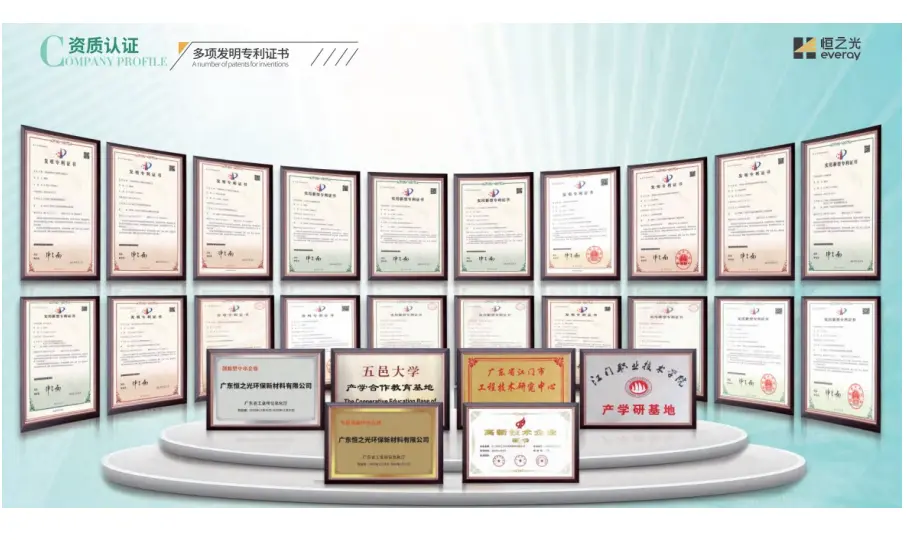
We are dedicated to harmonious coexistence of technology and ecological safety. Leveraging our deep technical reserve of over 10 invention patents and practical patents, we provide solutions that maximize crosslinking density, increase cure rate, enhance chemical resistance, and lower VOC emissions for wood coatings, electronics, plastic parts, ink-jet, and industrial laminating adhesives.
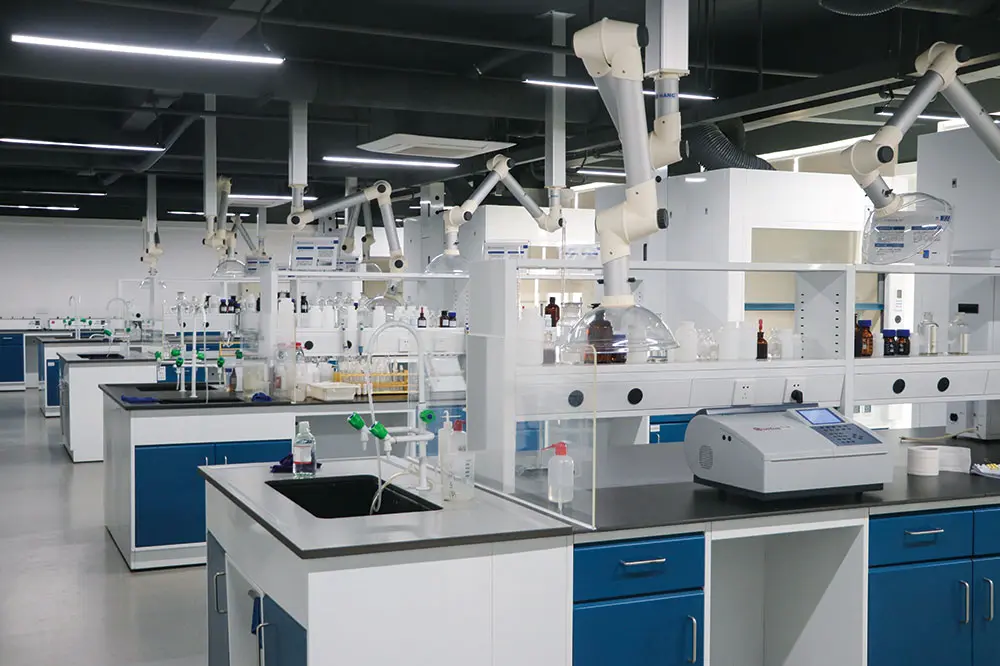
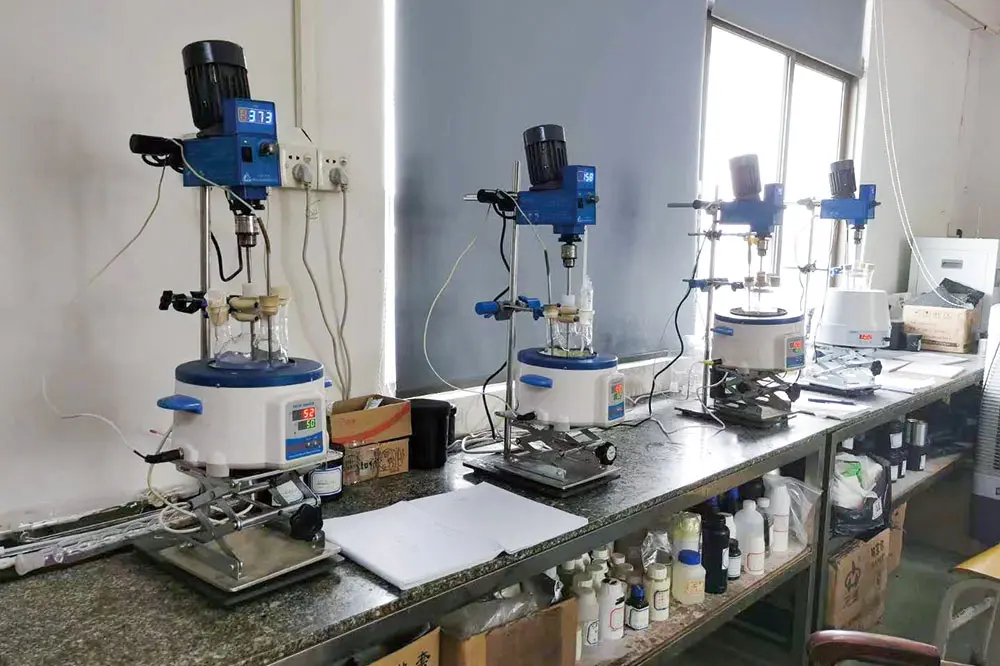
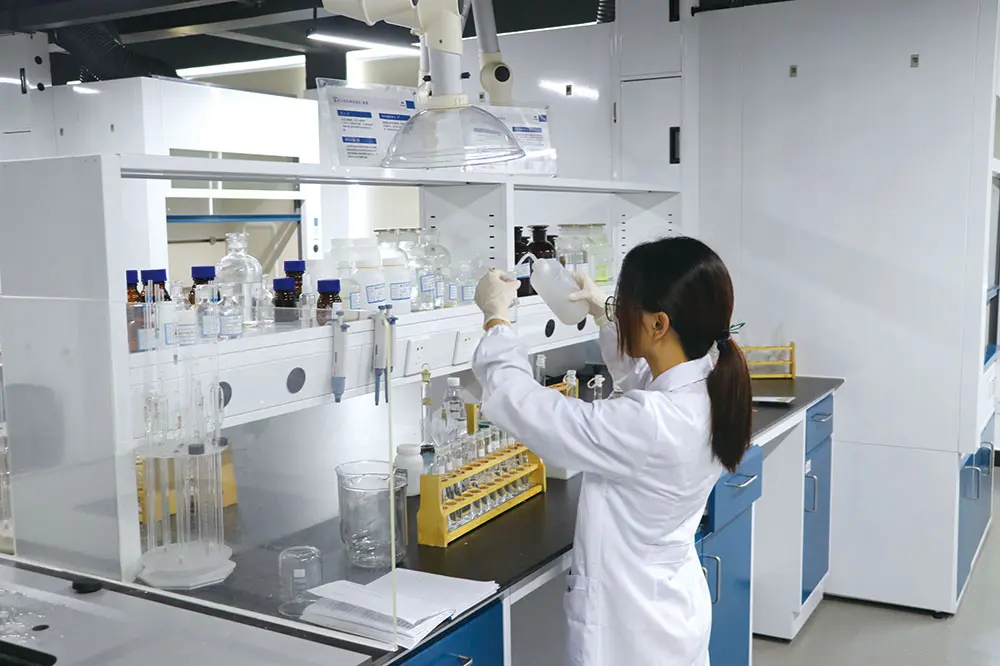
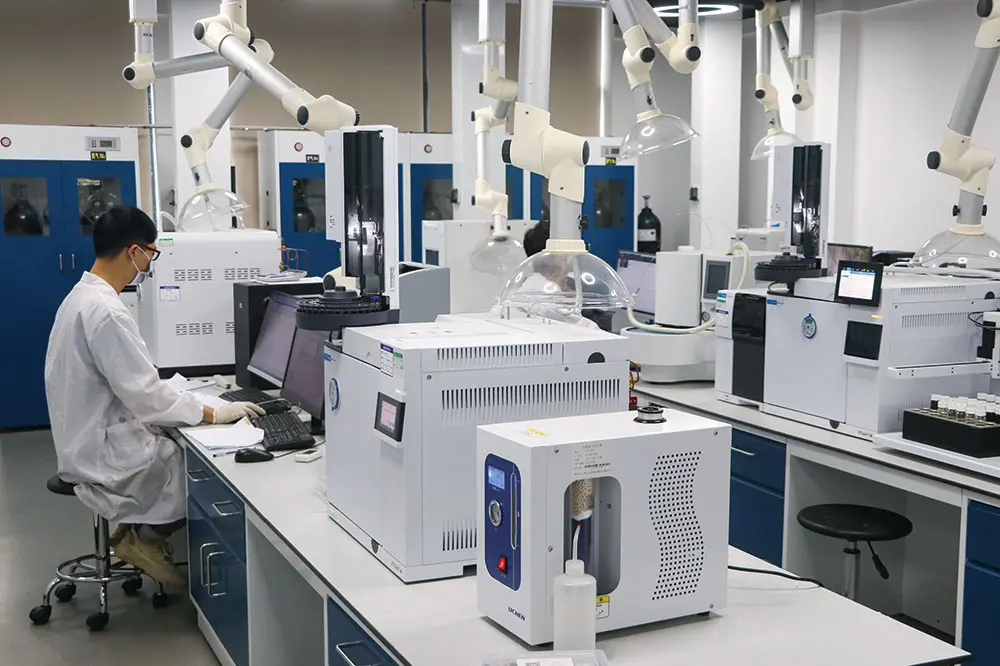
Our experienced R&D department, consisting of over 15 industrial technicians, works closely with domestic polymer institutions and material experts to provide customized modifications. We optimize structural properties to help customers achieve substantial cost savings without compromising chemical or physical specifications.
Total Production Area (Sqm)
Annual Capacity (Tons)
Senior R&D Technicians
Invention Patents
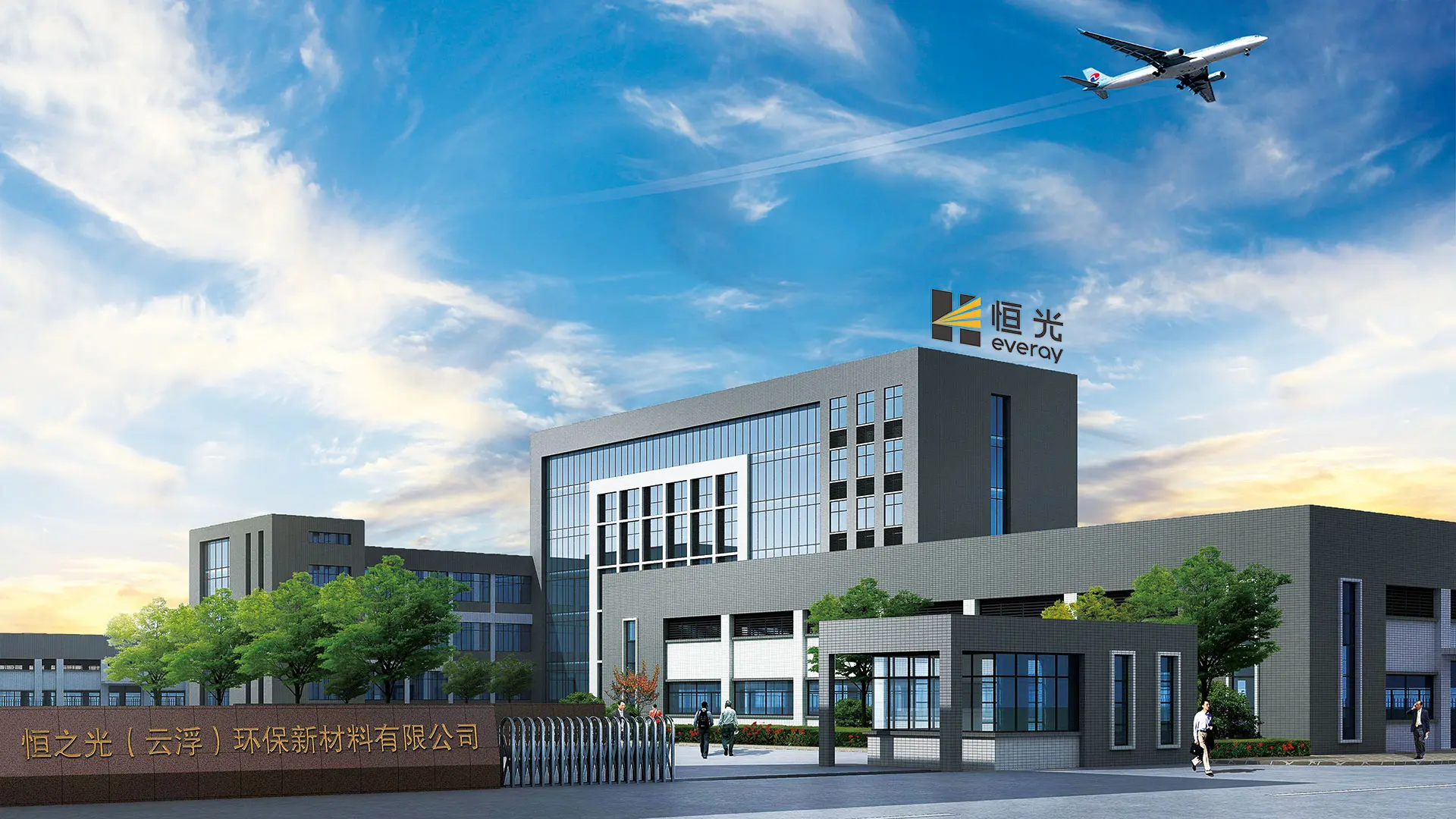
Guangdong Ever Ray Environmental Material Co., Ltd. operates two modern production bases in Guangdong province. The Jiangmen Factory covers approximately 10,000 square meters, handling precise batch variations and agile customization projects. The newly expanded Yunfu Factory spans roughly 40,000 square meters, designed specifically for high-capacity, bulk raw material production, warehousing, and extensive logistics support.
Our combined production footprint runs more than 10 highly automated production lines, delivering an annual capacity exceeding 20,000 metric tons. To ensure rigorous uniformity of our oligomers, we utilize an advanced DCS (Distributed Control System) fully computerized system. This computerized framework continuously monitors and adjusts crucial parameters including reaction temperature, raw monomer addition rate, pressure, and vacuum levels. It minimizes human error, resulting in stable viscosity profiles and color consistency across production campaigns.
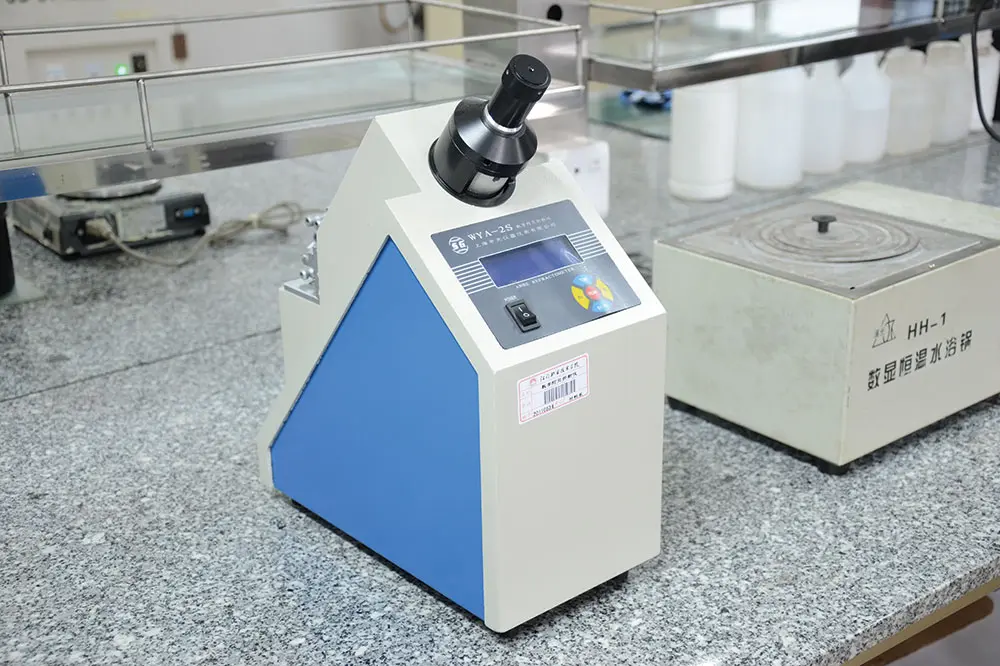
Operating under the dual accreditation of ISO9001:2015 Quality Management System and ISO14001:2015 Environmental Management System, we purchase premium chemical raw materials from established international and local domestic suppliers. Every incoming chemical batch undergoes structural verification, guaranteeing safe production conditions and reliable product stability.
High-end furniture and wood flooring require coatings that resist scratching, physical impacts, and domestic chemicals. Traditional solvent finishes release excessive VOCs. Our high-gloss polyester and modified epoxy acrylates provide deep wood-grain wetting, extremely fast curing, and high pencil hardness. These resins are designed to work seamlessly in high-speed roll coater lines without heat-tunnel delays.
For modern smart devices, structural adhesives must exhibit low shrinkage, high moisture resistance, and reliable optical properties. Excessive shrinkage generates stress that causes display warping or optical distortion. Our urethane and modified epoxy acrylates are formulated with specific crosslink densities that balance shrinkage and adhesive strength, ensuring moisture resistance in diverse environments.
The global push for carbon reduction is driving the replacement of traditional mercury UV curing systems with low-energy UV LED systems. This shift presents a challenge: LED wavelengths lack short-wave UV light, which can lead to incomplete surface curing due to oxygen inhibition. Ever Ray has engineered a series of amine-modified polyester and polyurethane acrylates that act as hydrogen donors, mitigating oxygen inhibition to ensure dry, tack-free surfaces under LED illumination.
Addressing the technical concerns of R&D scientists, formulation engineers, and purchasing directors.
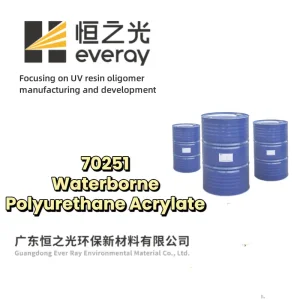
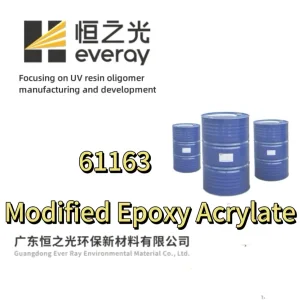
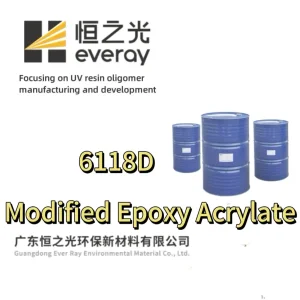
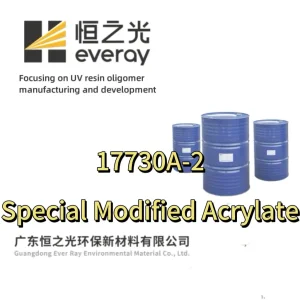
Specialty epoxy acrylates, waterborne UV resins, and high-impact polyurethane solutions for high-performance applications.
 Ever Ray