Engineered to deliver exceptional adhesion, rapid polymerization kinetics, and high chemical resistance under demanding low-temperature curing profiles.
The industrial landscape of Norway requires advanced coatings capable of surviving extreme mechanical stress, chemical exposure, and intense UV or thermal cycles. From offshore oil rigs in the North Sea to wind farms in the coastal regions of Vestland and Nordland, infrastructure components require cutting-edge protection. Aromatic Polyurethane Acrylate (APUA) oligomers serve as the molecular backbone for these high-performance coatings, delivering outstanding durability and rapid cure capabilities.
Traditionally, aromatic polyurethane structures are preferred for primers, undercoats, and heavy-duty barrier coatings because of their inherent hardness, fast cure rates, and superior adhesion profile. On ABS, polycarbonate, metal, and structural glass substrates, our oligomers establish robust chemical bonds that withstand mechanical deformation and thermal cycling typical of sub-zero Arctic conditions.
As Norway leads the global transition to high-solid and VOC-compliant coating formulations, UV-curable chemistries have seen rapid adoption. Eliminating hazardous solvents while preserving performance is critical. Our aromatic urethane acrylates are engineered to address these strict ecological standards without compromising processing speeds or film properties.
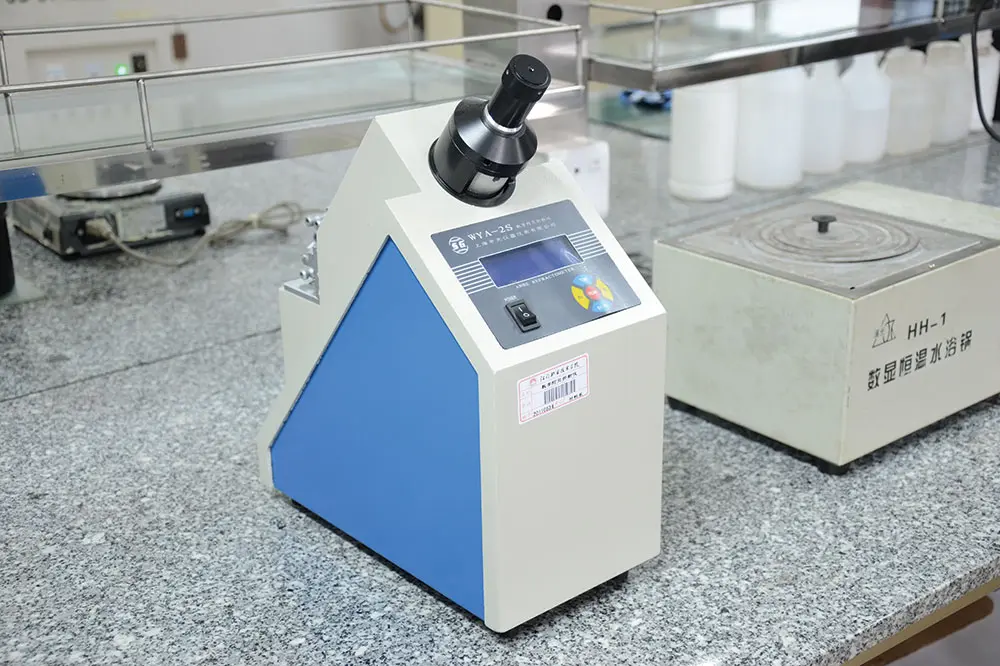
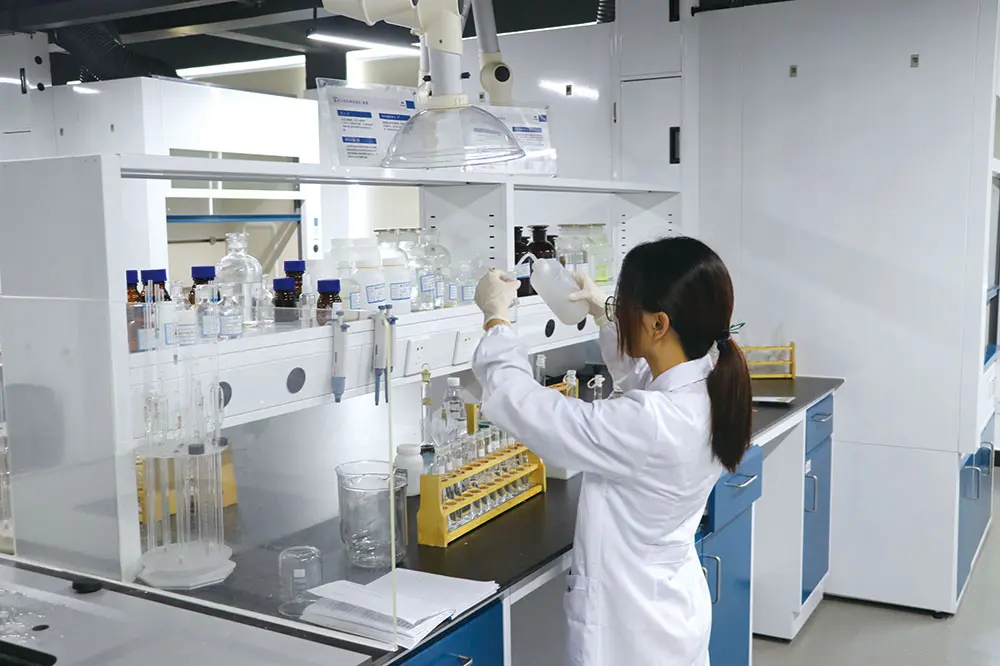
Empirical laboratory testing under simulated North Sea conditions
Aromatic Polyurethane Acrylate (APUA) oligomers are synthesized through the reaction of aromatic diisocyanates (such as TDI or MDI) with polyols, capped with hydroxyl-functional acrylates (e.g., HEA or HPA). The integration of the benzene ring structure within the polymer backbone imparts rigidity, high tensile strength, and excellent scratch resistance. This molecular design distinguishes aromatic urethanes from aliphatic structures, which are typically chosen for weatherable topcoats due to their resistance to yellowing. In contrast, aromatics excel in applications requiring maximum hardness, fast cure response, high refractive index, and chemical resistance.
The aromatic rings provide structural stiffness, raising the glass transition temperature (Tg) for enhanced scratch and abrasion defense.
Intermolecular hydrogen bonding between urethane groups delivers elasticity and toughness, avoiding brittle failure under impact.
Multi-functional terminal acrylate groups allow rapid cross-linking when exposed to UV light, optimizing cure cycle throughput.
In industrial settings, balancing viscosity with performance is a key challenge. Formulators regularly blend high-viscosity aromatic oligomers with reactive monomers like IBOA, TMPTA, or HDDA. The choice of reactive diluent heavily impacts final coating performance, control over volume shrinkage during photopolymerization, and wet adhesion to non-porous surfaces. For maritime applications in Bergen and Stavanger, where moisture levels are high and temperatures remain low, understanding these physical-chemical interactions is vital for ensuring reliable coating performance.
Developed for specific industrial parameters requiring boiling water resistance, high toughness, and low shrinkage.
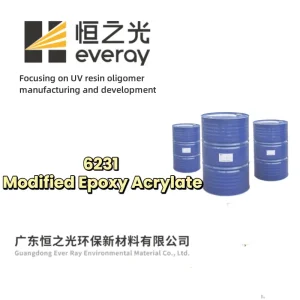
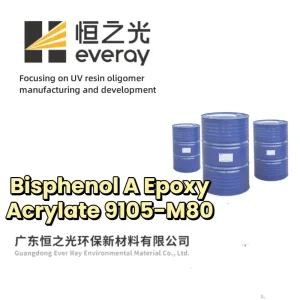
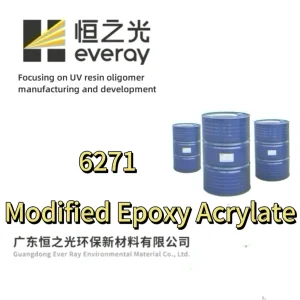
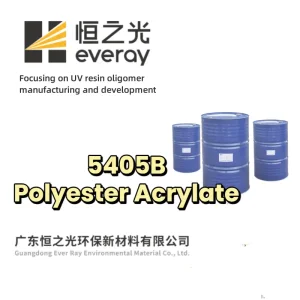
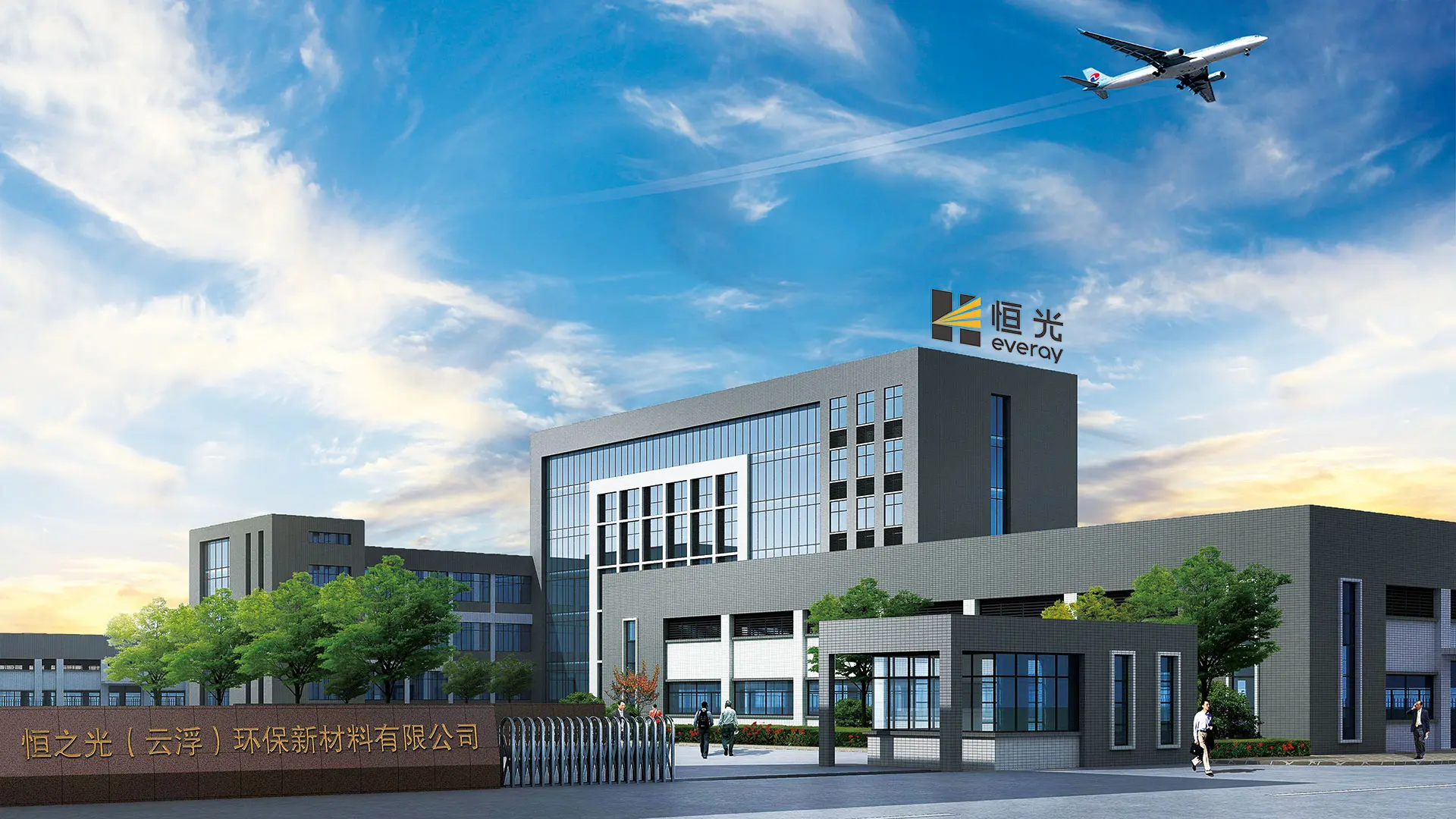
Guangdong Ever Ray Environmental Material Co., Ltd., established in 2006, is a high-tech enterprise focusing on the R&D and manufacturing of oligomers for UV-curable resins, including epoxy acrylates, polyurethane acrylates (waterborne, aliphatic urethane, aromatic urethane), polyester acrylates, pure acrylates, and other special functional modified acrylate oligomers.
We operate two modern production bases: one in Jiangmen, Guangdong, covering 10,000 square meters, and another in Yunfu, Guangdong, covering approximately 40,000 square meters. Both facilities feature quality control, storage, and logistics support systems. Our annual production capacity exceeds 20,000 tons across more than 10 dedicated production lines.
To ensure consistent quality, our factories operate under the ISO9001 Quality Management System and ISO14001 Environmental Management System. We utilize an advanced Distributed Control System (DCS) for precise, computerized control over synthesis processes. By selecting domestic and imported raw materials and working with polymer experts, we guarantee chemical stability and batch-to-batch consistency.
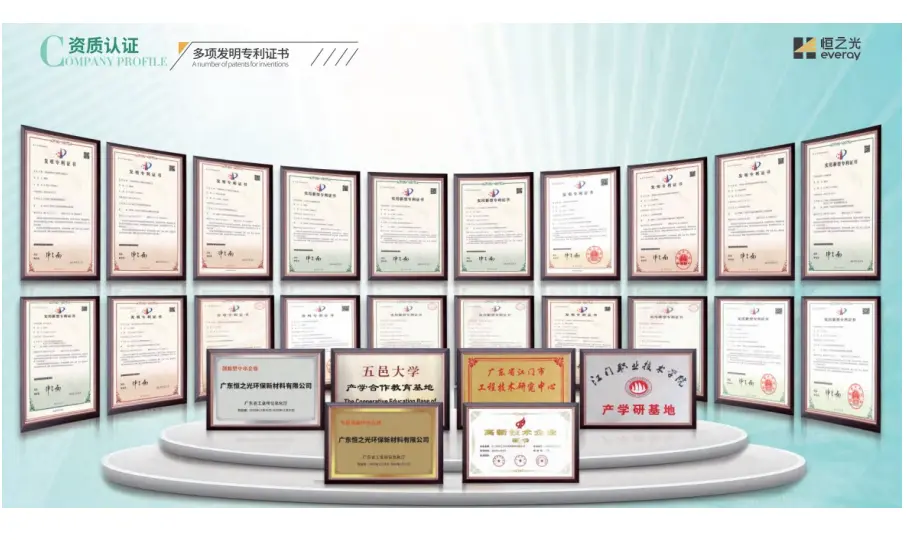
Ever Ray holds more than 10 invention and utility patents. Supported by over 15 dedicated R&D technicians, we specialize in enhancing reactivity, chemical resistance, and gloss in formulations for diverse applications—including wood coatings, plastics, industrial inks, and engineering adhesives. We focus on balancing performance with cost efficiency, helping our customers optimize costs while advancing environmental sustainability.
Connect With Our R&D Team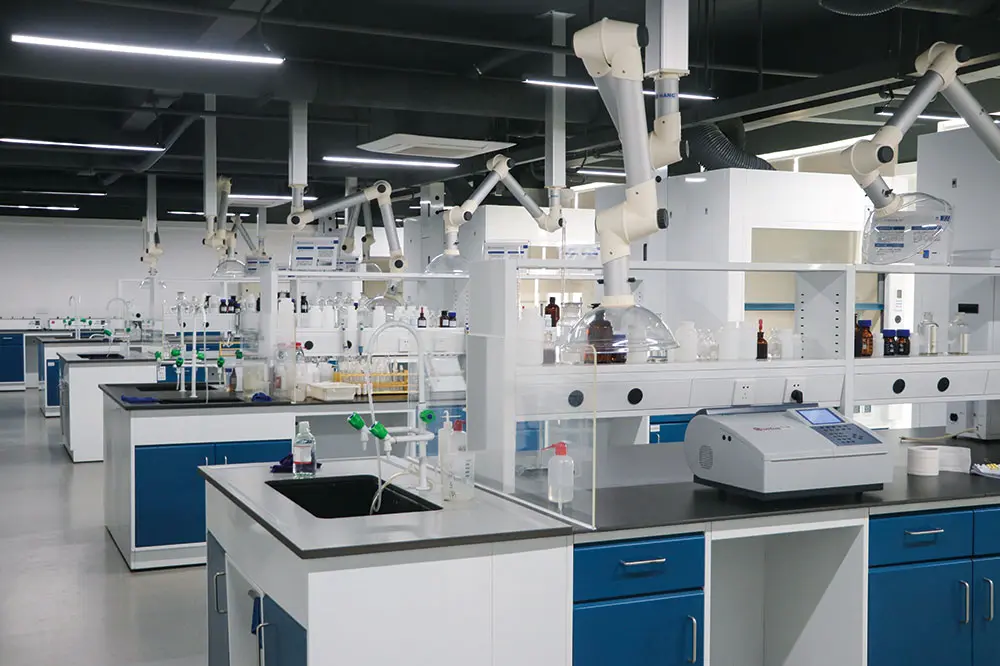
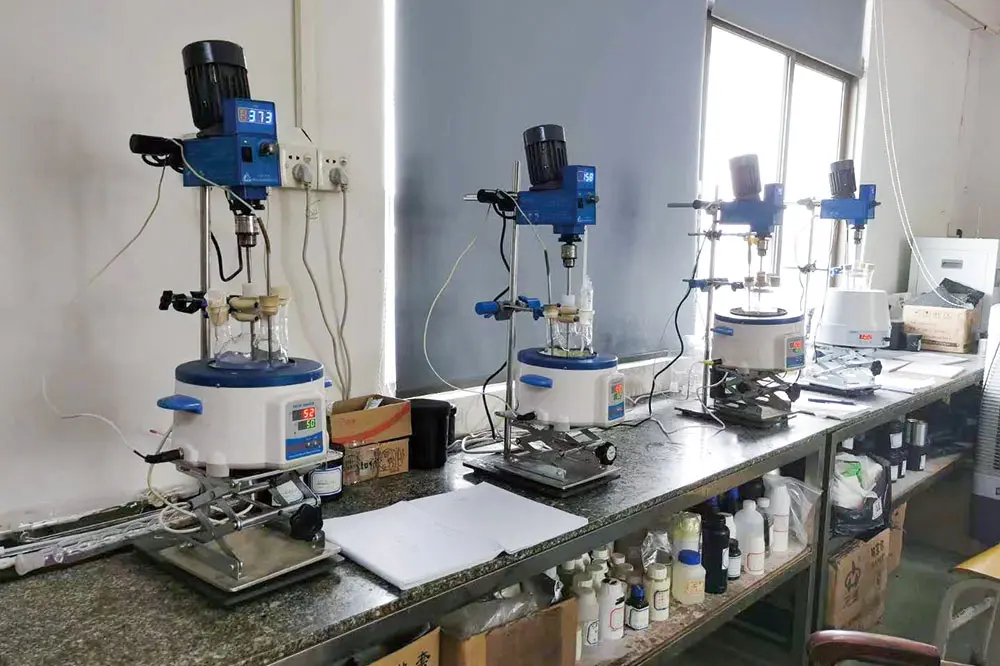
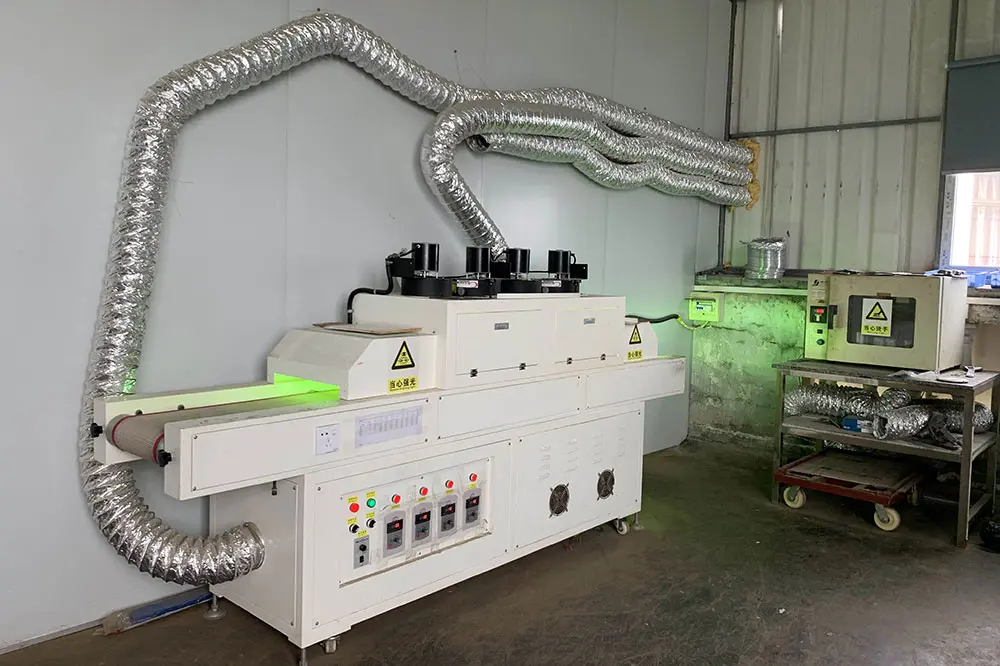
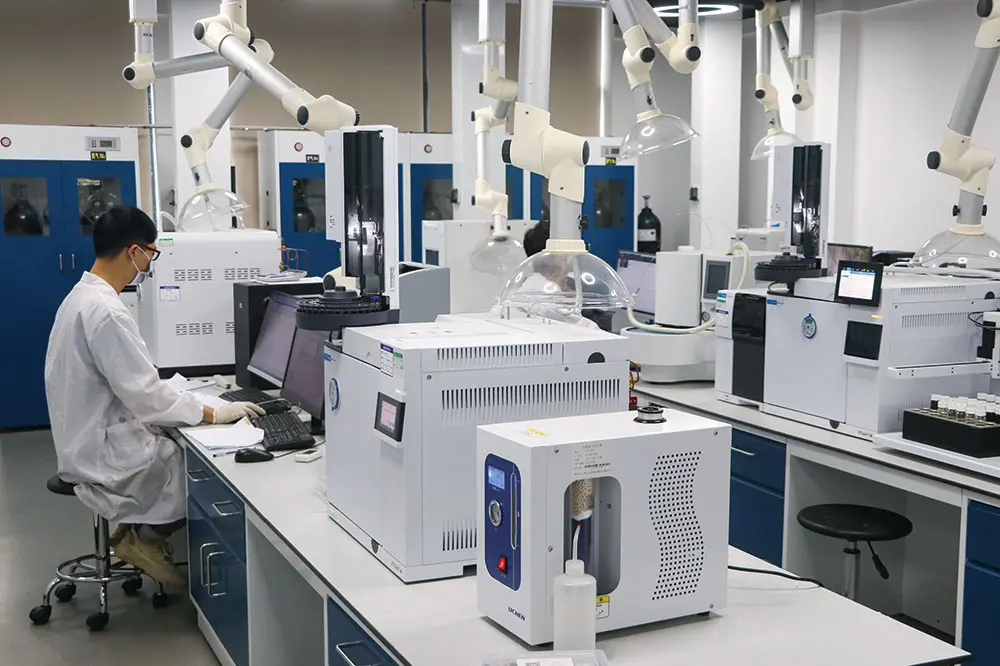
The global UV resin market is shifting toward longer-wavelength UV-LED light sources (typically 365nm, 385nm, or 395nm) to replace traditional high-pressure mercury lamps. Mercury lamps present environmental challenges and consume substantial energy. Our latest aromatic polyurethane acrylate oligomers are designed with optimized curing kinetics. This design supports rapid polymerization under UV-LED wavelengths, helping formulators avoid the oxygen inhibition issues commonly associated with shallow-depth LED setups.
In addition, our technical team continues to refine waterborne UV systems. These technologies combine the low-VOC benefits of water-based systems with the rapid throughput of UV curing. For complex wood components and marine interior plastics, waterborne UV coatings offer excellent flow, low shrinkage, and consistent adhesion—all while meeting strict European workplace exposure limits.
Explore our full line of functional oligomers, certified and manufactured under strict ISO quality controls.
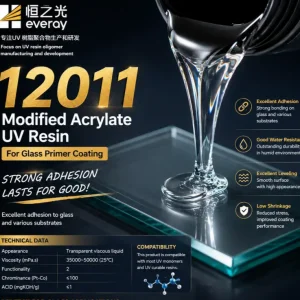
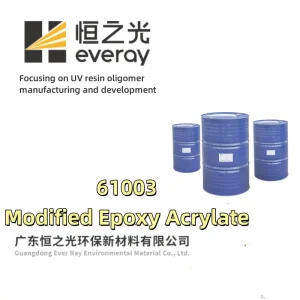
Addressing common formulation challenges, curing dynamics, and shipping protocols for industrial buyers in Norway.
Whether you need to modify existing resins or develop a custom formulation, our engineering team can help. Contact our technical sales office today to discuss your project requirements.
 Ever Ray