Engineered for high reactivity, superior adhesion substrates, and rigorous mechanical performance.
Exploring macro trends, environmental transitions, and chemical performance architectures.
The global industrial manufacturing landscape is undergoing a critical transition. Companies are shifting from solvent-borne formulations to radiation-curing technologies. As a premier wholesale adhesive UV manufacturer and factory, Guangdong Ever Ray Environmental Material Co., Ltd. leads this evolution. We supply high-performance oligomers designed for rapid-cycle processing, zero-VOC emission standards, and excellent mechanical performance.
Unlike traditional thermal-cured systems that rely on solvent evaporation and heat application, UV-curable polymer matrices cure through instant photo-polymerization. Under targeted ultraviolet light, photoinitiators break down into free radicals or cations. These launch the cross-linking of oligomers—such as epoxy acrylates, polyurethane acrylates, and polyester acrylates—and active monomers. This dynamic yields structurally sound coatings, inks, and structural bonds within fractions of a second.
In macro-industrial applications, UV adhesives are essential for high-speed automated production. This includes consumer electronics assembly, packaging lines, automotive glass laminates, and advanced optoelectronic displays. This technology offers high manufacturing throughput, energy savings, low heat generation on heat-sensitive substrates, and space-saving production footprints. By sourcing from a primary manufacturer like Ever Ray, factories acquire base chemical components tailored for these demanding systems.
Over 18 Years Industry Expertise
Total Production Footprint
Annual Production Capacity
Advanced Computerized DCS Systems
The core oligomers driving high-efficiency UV adhesive and coating formulations.
We manufacture oligomers with varying degrees of functionality, molecular weight, and chemical structures. This allows formulators to modify viscosity, cure speeds, shrinking properties, chemical resistance, and toughness.
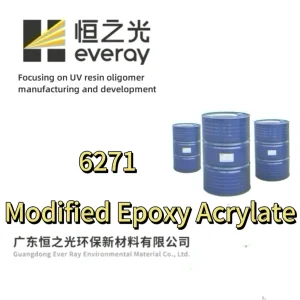
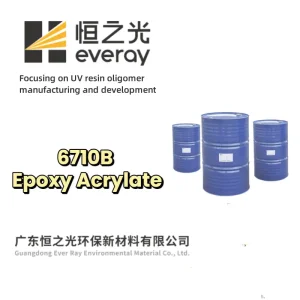
Epoxy acrylates serve as a cornerstone for UV varnishes, wood coatings, and metal finishes due to their fast cure rates, high hardness, high gloss, and strong chemical resistance.
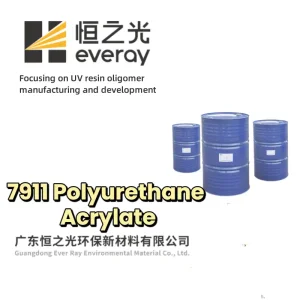
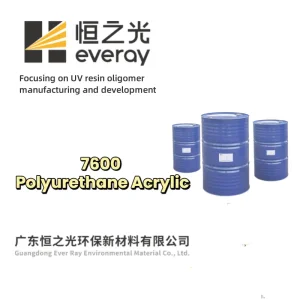
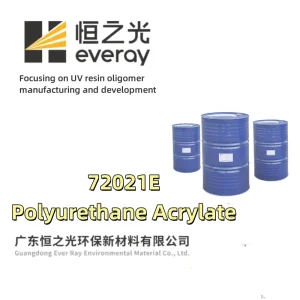
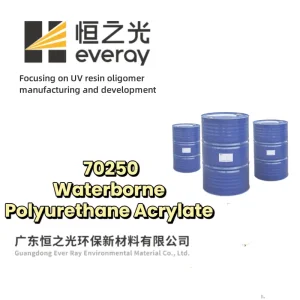
We synthesize aliphatic and aromatic polyurethane acrylates. These optimize elongation, impact resistance, and weatherability, making them ideal for mobile electronics coatings and optical adhesive films.
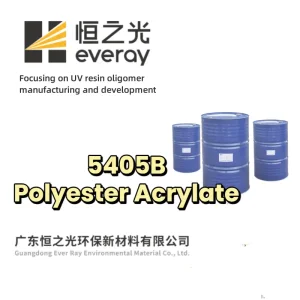
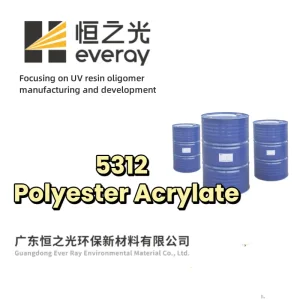
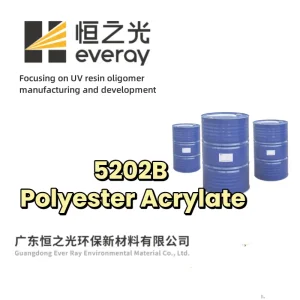
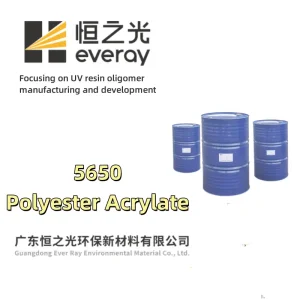
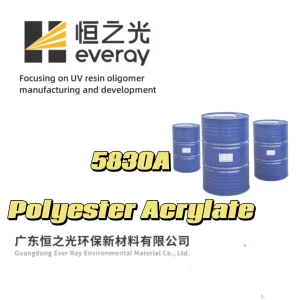
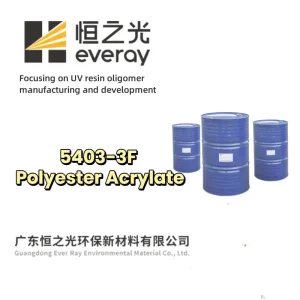
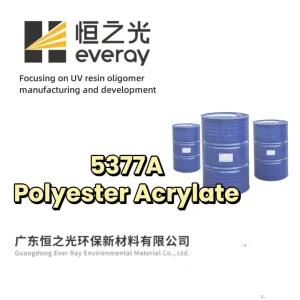
Our polyester acrylates balance viscosity reduction, pigment wetting, and flexographic ink compatibility. Additionally, our bio-based resins lower the carbon footprint of your formulations.
To maintain consistent production quality, we select high-grade raw materials and implement strict quality control protocols. Ever Ray's dual production centers operate under ISO9001 Quality Management and ISO14001 Environmental Management Systems. This systematic approach ensures that every batch meets precise viscosity, acid value, and cure-rate standards.
High-capacity infrastructure supporting global chemical supply chains.
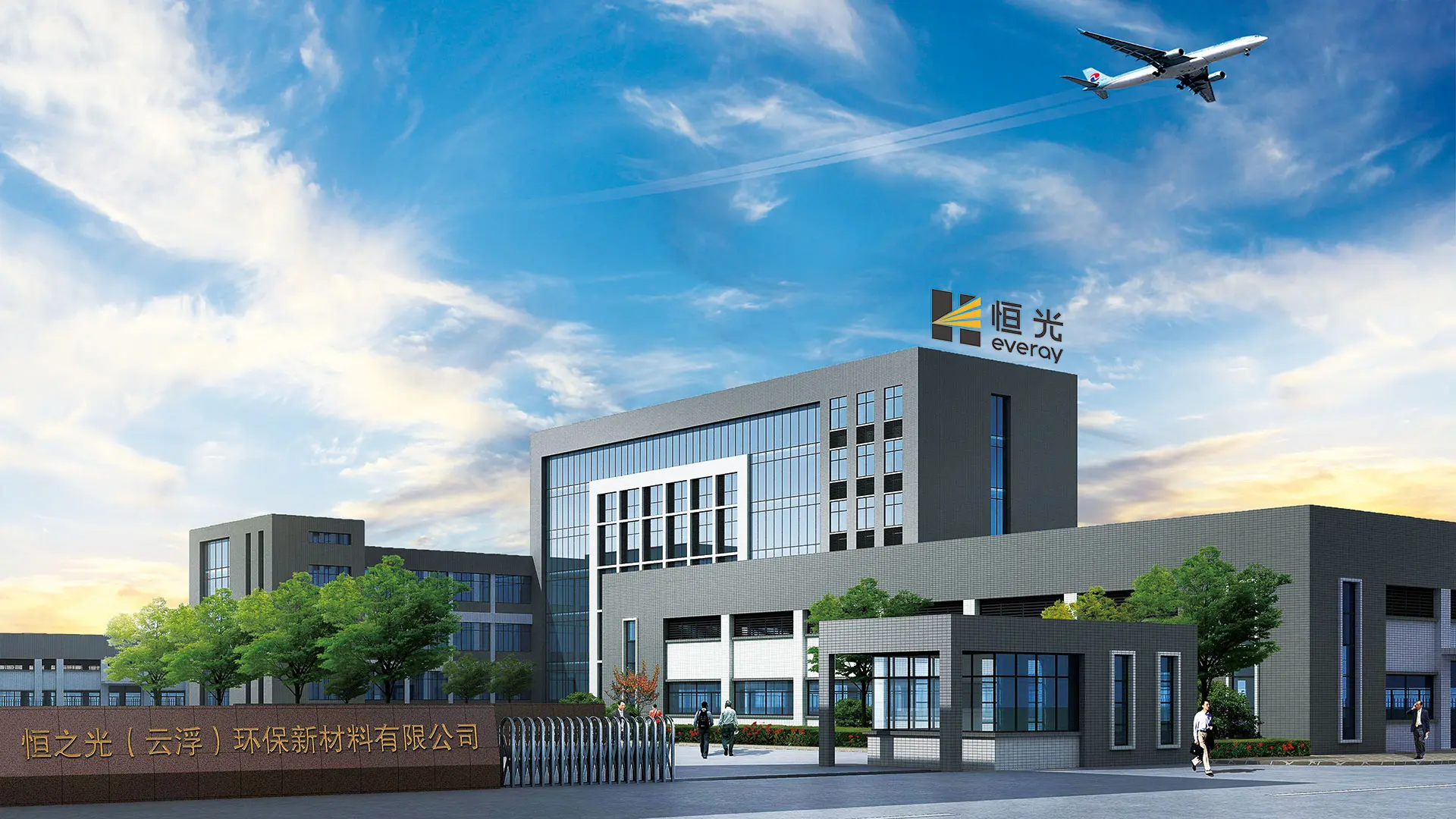
Established in 2006, Guangdong Ever Ray Environmental Material Co., Ltd. is a high-tech enterprise focusing on the R&D and manufacturing of oligomers for UV-curable resins. Our core offerings include epoxy acrylate, polyurethane acrylate (waterborne, aliphatic urethane, aromatic urethane), polyester acrylate, pure acrylate, and other specialty functional modified acrylate oligomers.
We operate two production bases. Our Jiangmen facility in Guangdong spans 10,000 square meters. The Yunfu facility, also in Guangdong, extends across 40,000 square meters. Both bases are fully equipped with quality control, storage, and logistics supporting systems. Our total annual production capacity exceeds 20,000 tons across more than 10 dedicated production lines.
To ensure process safety and consistency, our plants use advanced DCS fully computerized control systems. We source premium domestic and international raw materials, employ structured scientific management, and work closely with domestic UV material experts to optimize our production workflows.
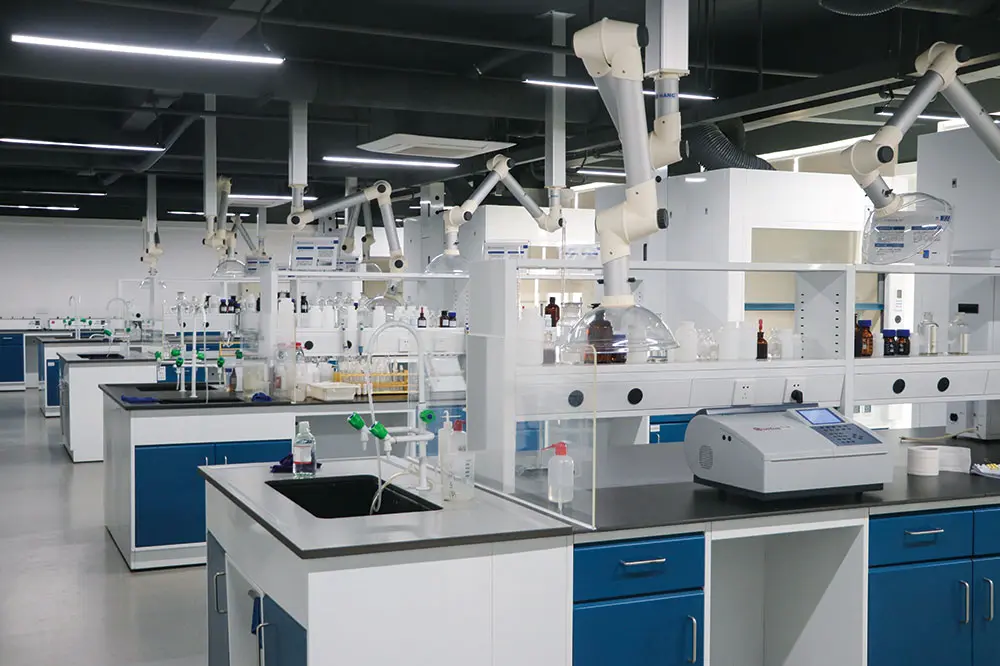
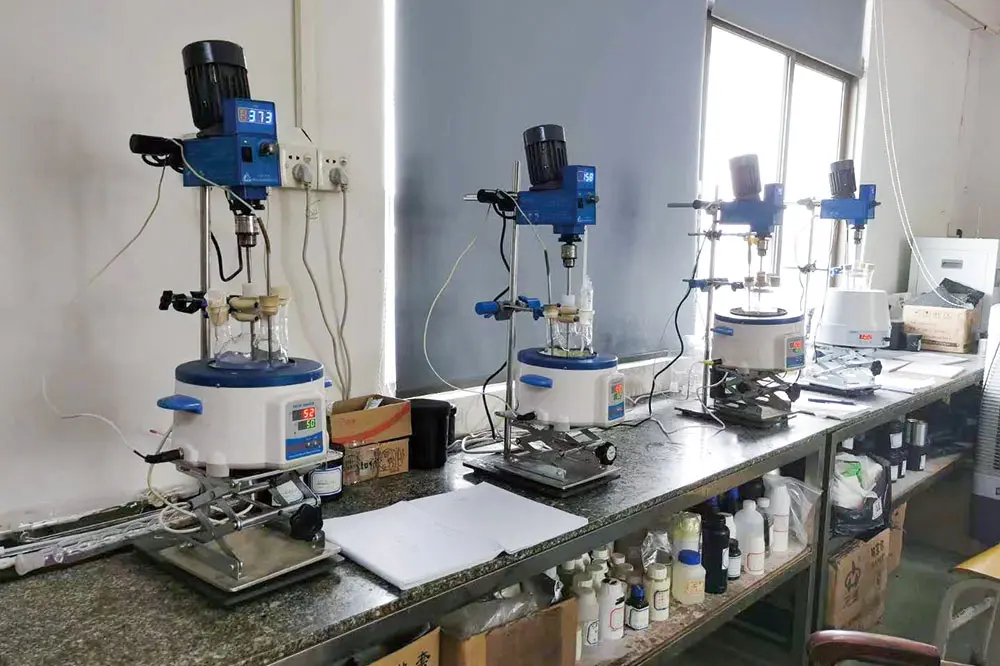
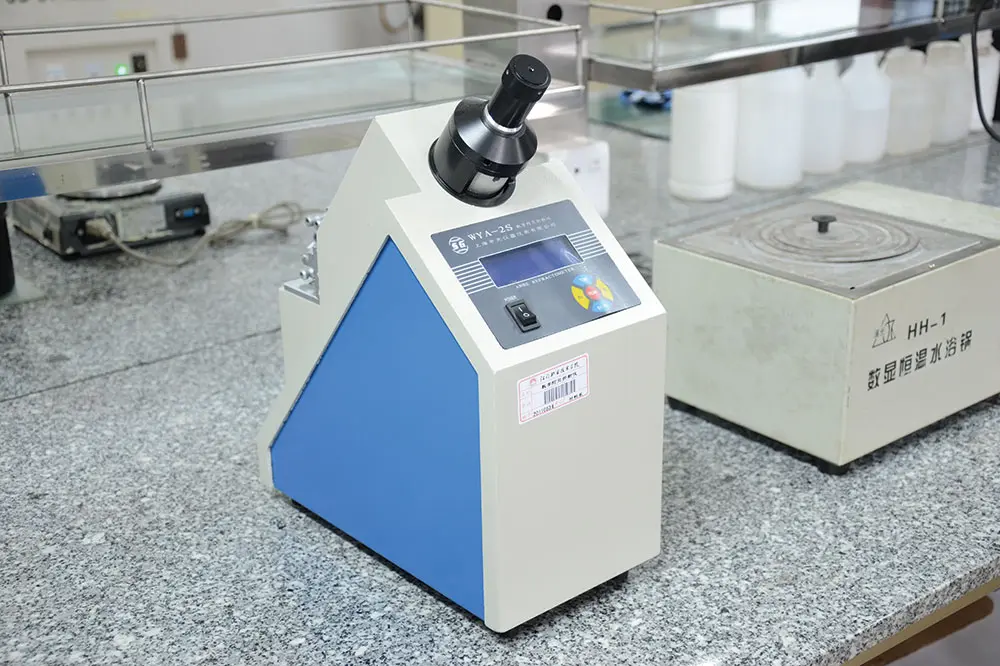
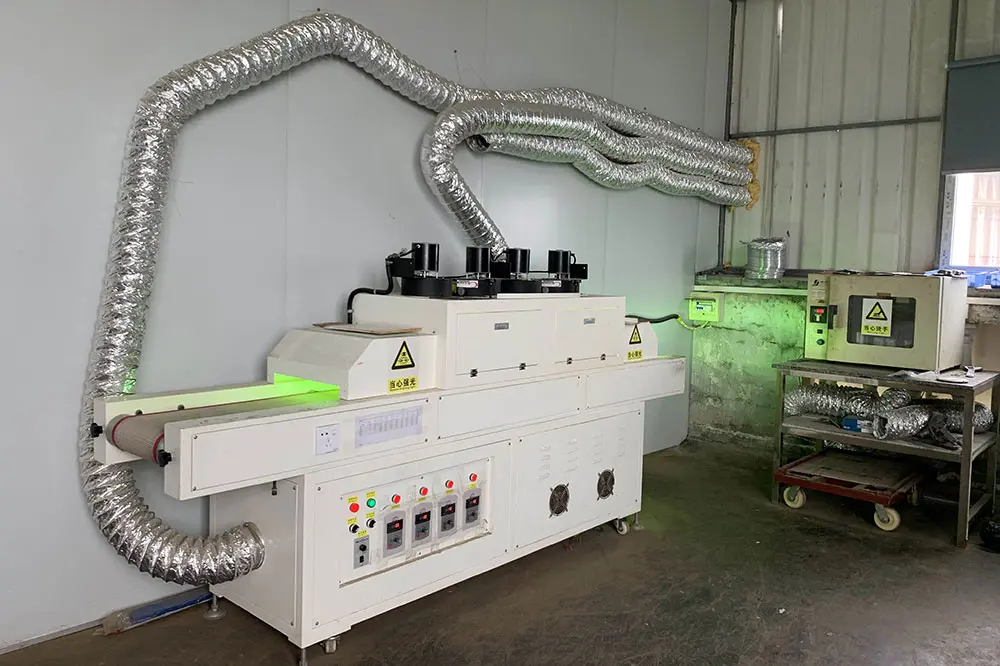
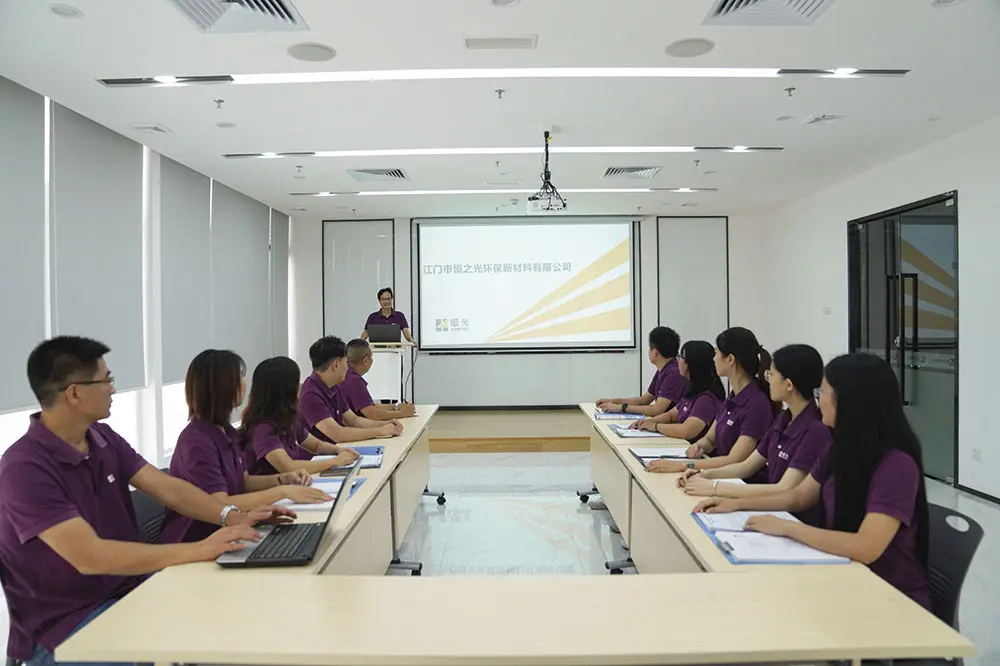
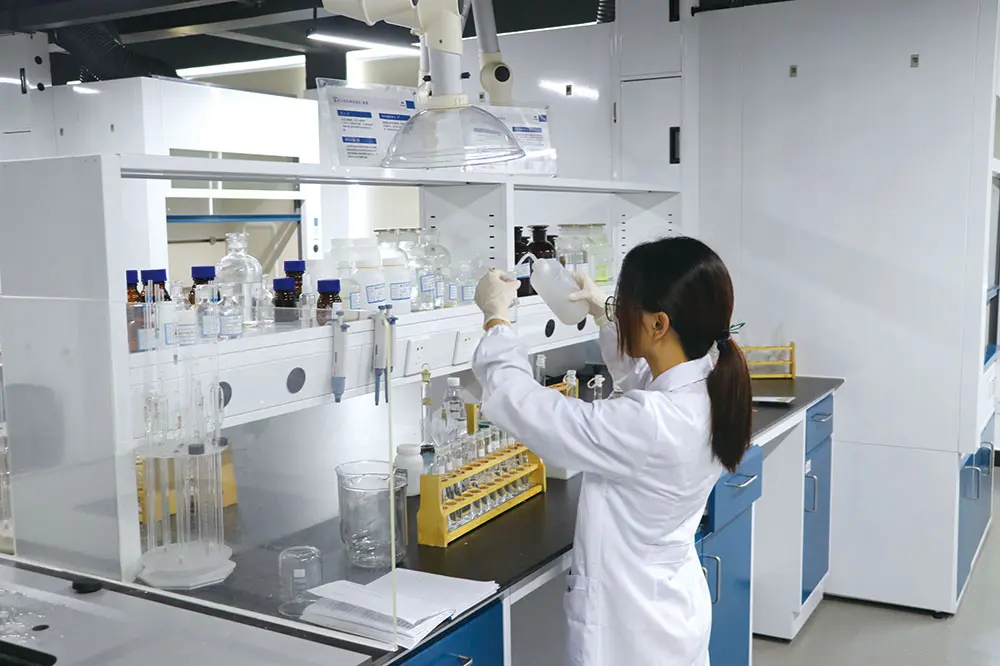
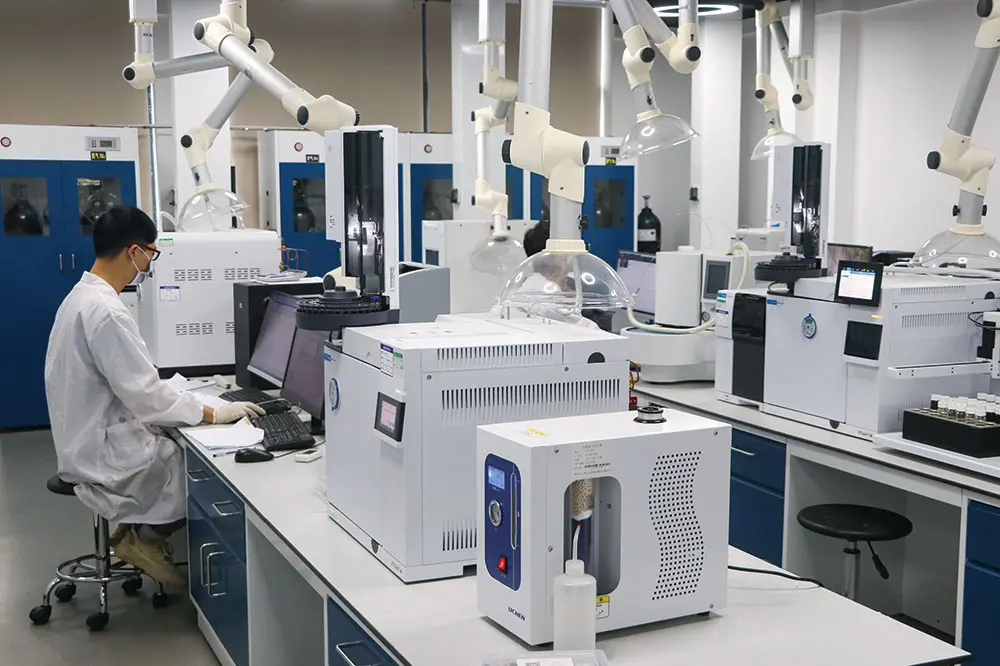
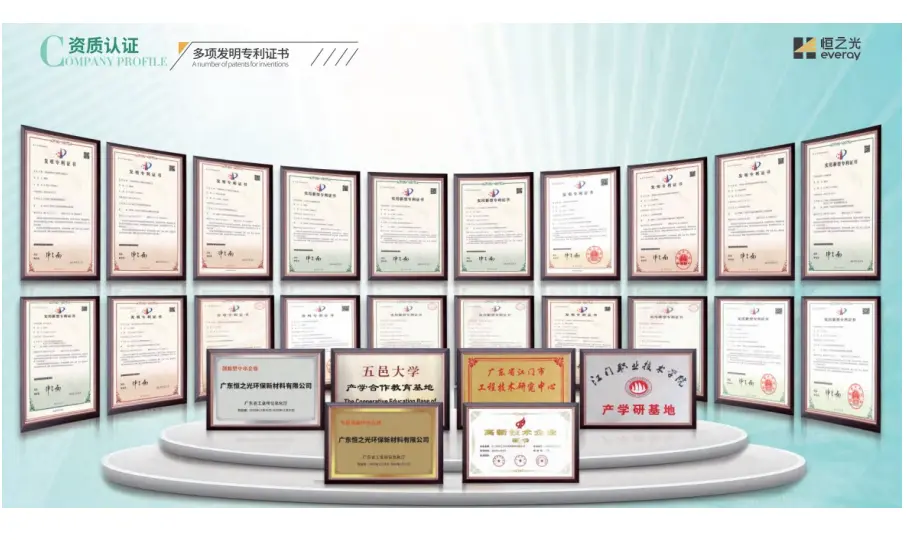
Our R&D department employs more than 15 dedicated technicians and holds over 10 invention and practical patents. We develop formulations that provide high reactivity, chemical resistance, and high gloss across many applications, including wood coatings, plastics, printing inks, and structural adhesives.
Tailored performance characteristics designed to meet regional specifications and industrial requirements.
Industrial manufacturers worldwide face distinct local application challenges. These range from varying curing conditions to regional environmental regulations. Our engineering teams help customers choose and modify oligomers to meet their specific performance and cost targets.
We supply low-shrinkage oligomers designed for Liquid Optically Clear Adhesives (LOCA) used in touchscreens. These help prevent display distortion, delamination, and yellowing over long-term use.
Our dual-cure systems combine UV curing with thermal or moisture mechanisms. This ensures complete bonding in shaded areas, which is critical for complex automotive parts and sensors.
We manufacture low-odor, low-migration polyester acrylates. These are designed for food-grade flexible packaging inks and varnishes, complying with global food contact regulations.
For regional manufacturers, we offer customized solutions that balance curing speeds with mechanical toughness. Whether you are running flexographic printing lines in Europe, wood-coating lines in Southeast Asia, or 3D printing plants in North America, we tailor our polymer architectures to fit your local machinery and processing temperatures.
Fulfilling international directives while developing sustainable chemical pathways.
As environmental regulations tighten globally, compliance is essential for industrial supply chains. Chemical initiatives like REACH in the EU, TSCA in the USA, and clean-air regulations worldwide limit the use of traditional volatile solvents. By using solvent-free UV-curable chemistry, factories can lower their VOC tax liabilities, reduce carbon emissions, and improve worker safety.
Our forward research focuses on three major initiatives:
Ever Ray is committed to balancing environmental responsibility with technological progress. By continually investing in green chemistry, we help our partners transition toward sustainable manufacturing without compromising productivity or product quality.
Technical answers to common questions about UV-curable materials, ordering, and logistics.
Specialized formulations designed for inks, coatings, and advanced printing processes.
 Ever Ray