Discover our primary product configurations designed to optimize reactivity, viscosity, and chemical resistance across packaging, wood, and electronics sectors.
Leading Environmental Chemical Research and Industrial Resin Synthesis Since 2006
Guangdong Ever Ray Environmental Material Co., Ltd. established in 2006, is a high-tech enterprise focusing on the R&D and manufacturing of oligomers for UV curable resin such as epoxy acrylate, polyurethane acrylate (waterborne, aliphatic urethane, aromatic urethane), polyester acrylate, pure acrylate and other special functional modify acrylate oligomers.
Our core development thesis focuses on the integration of performance with environmental responsibility. We supply tailored photopolymer formulations for complex substrate applications including industrial wood finishes, consumer plastics, high-speed commercial packaging inks, optoelectronics, and structural adhesives.
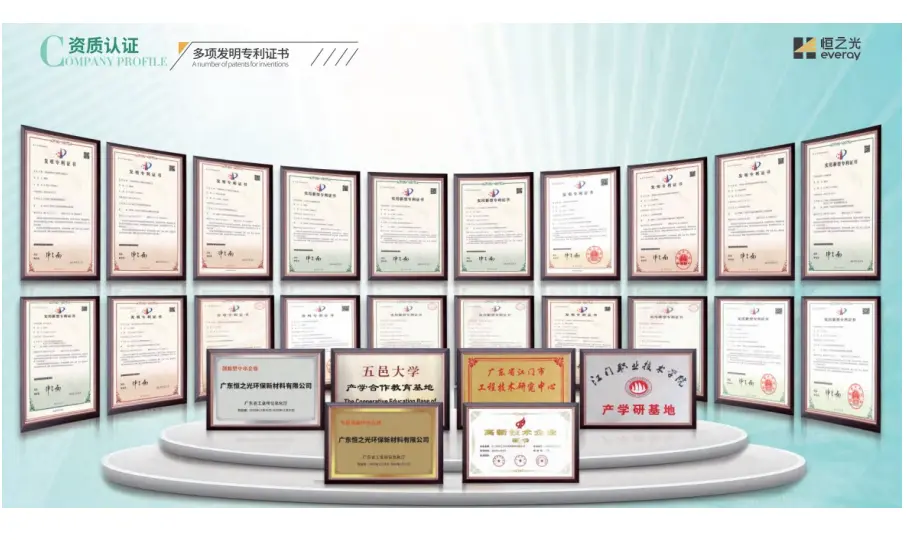
With over 15 dedicated technical engineers in our R&D division, we hold more than 10 invention patents and practical utility patents. This allows us to supply materials characterized by rapid crosslinking kinetics, high chemical resistance, scratch protection, and customizable gloss levels.
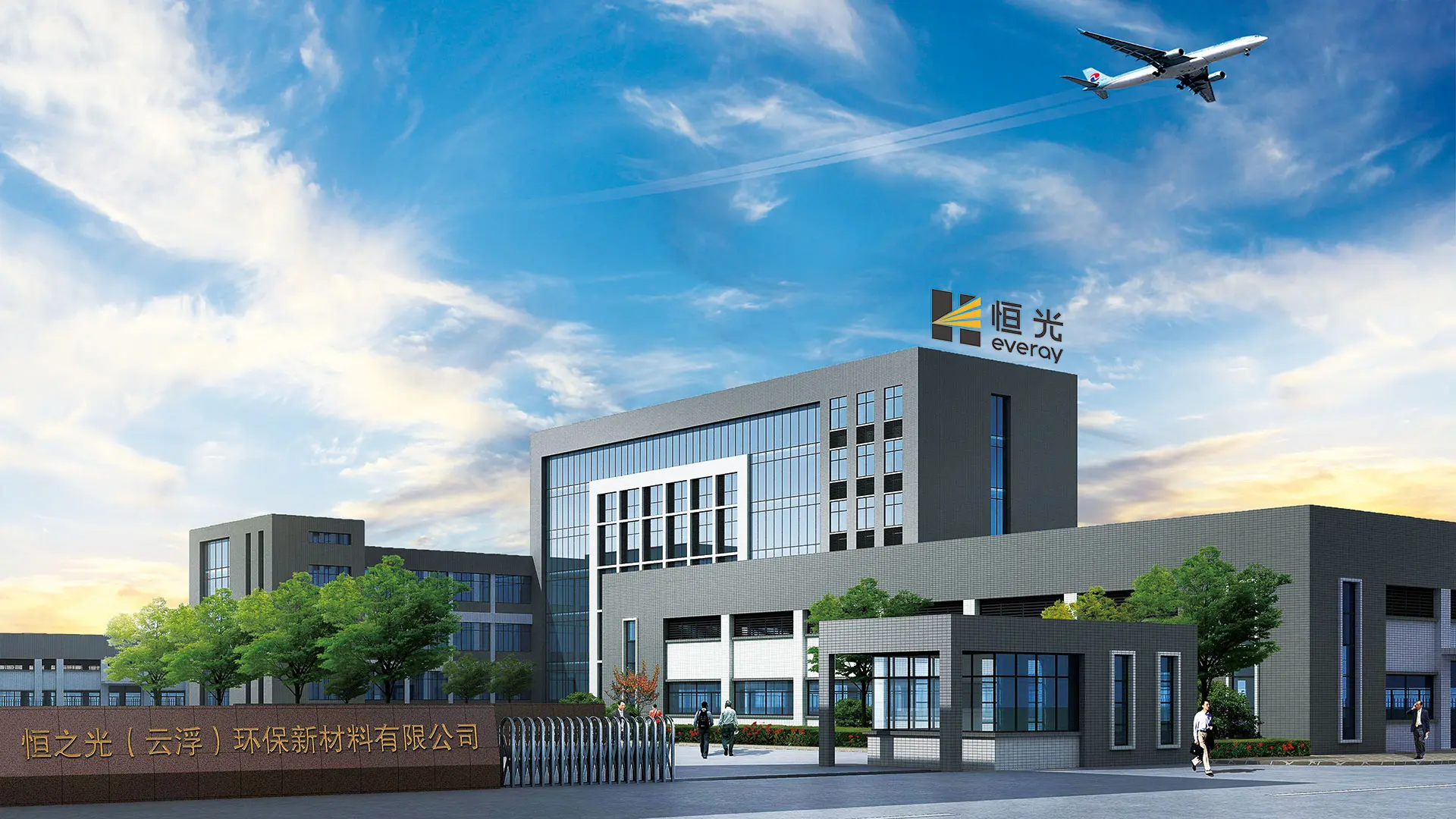
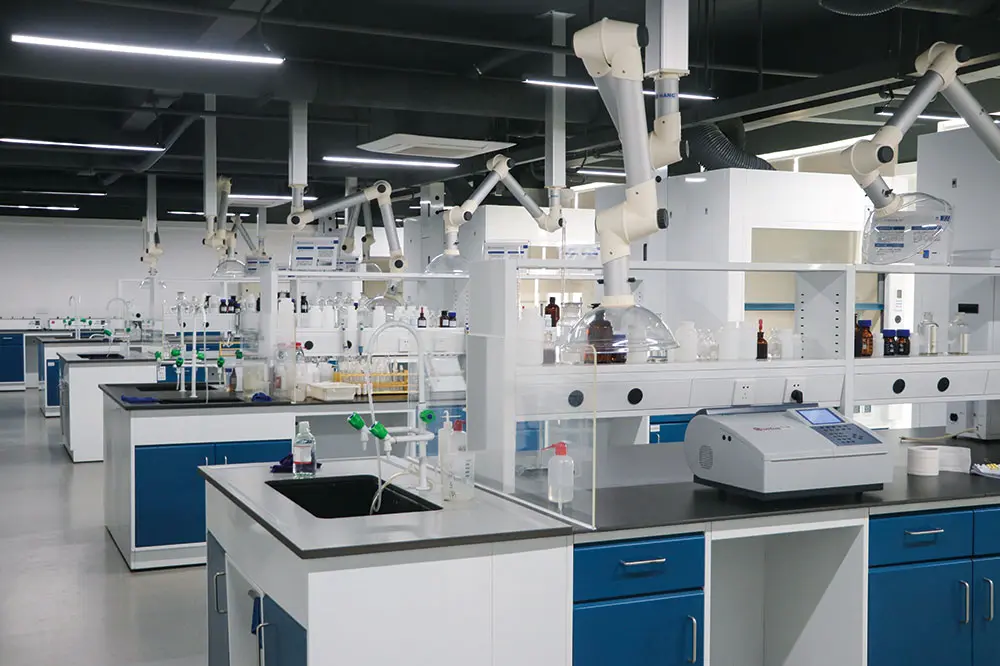
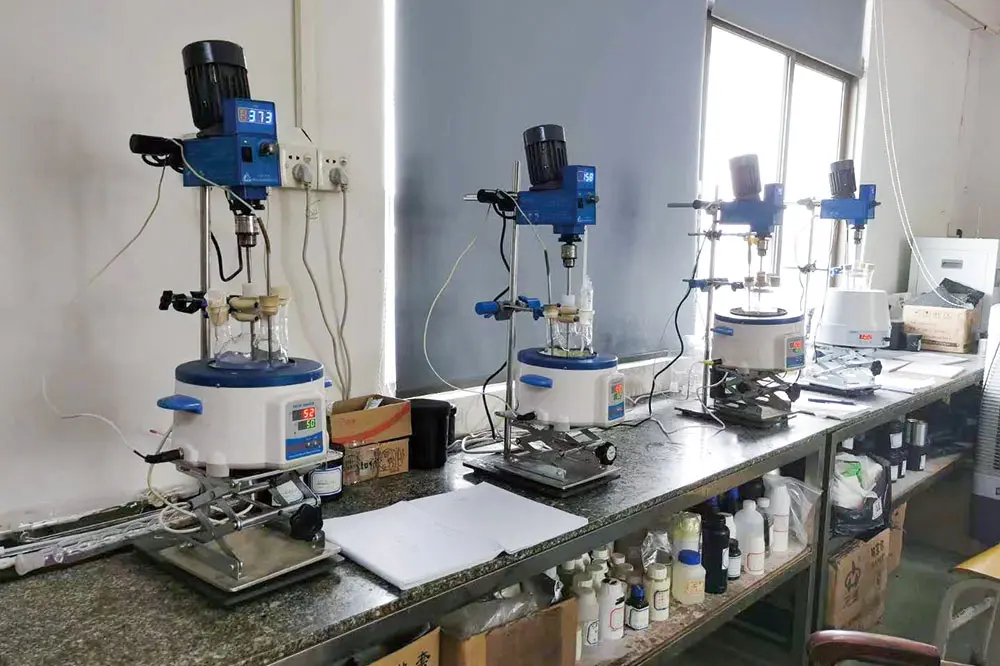
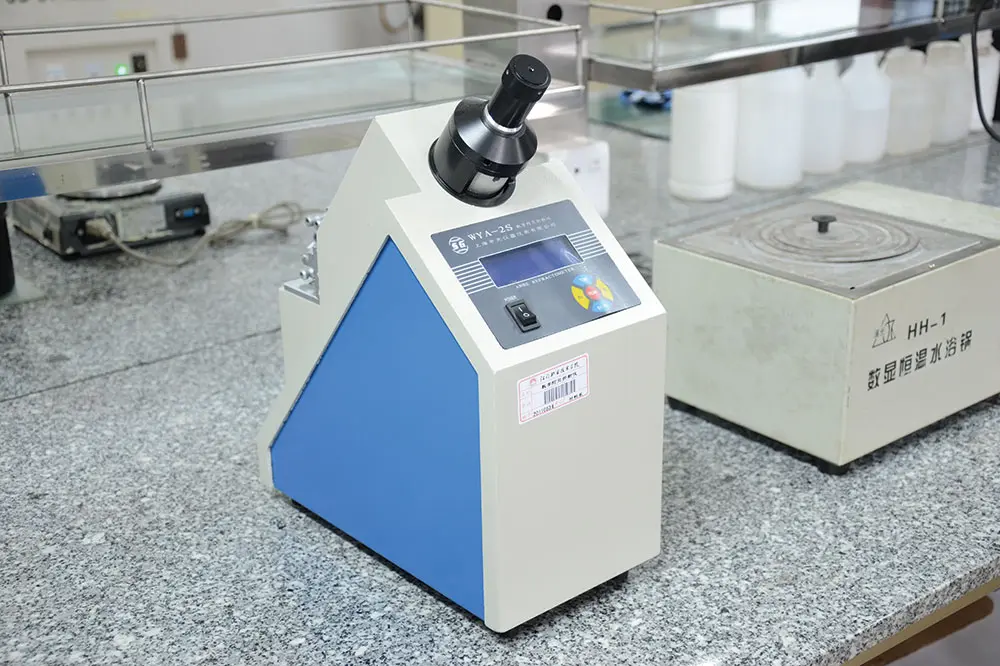
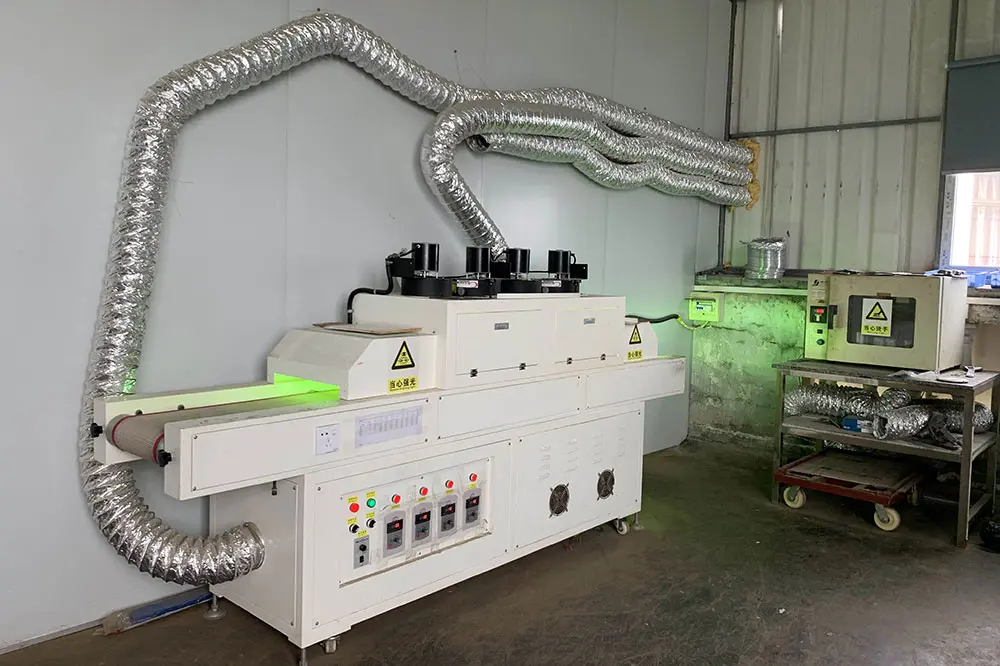
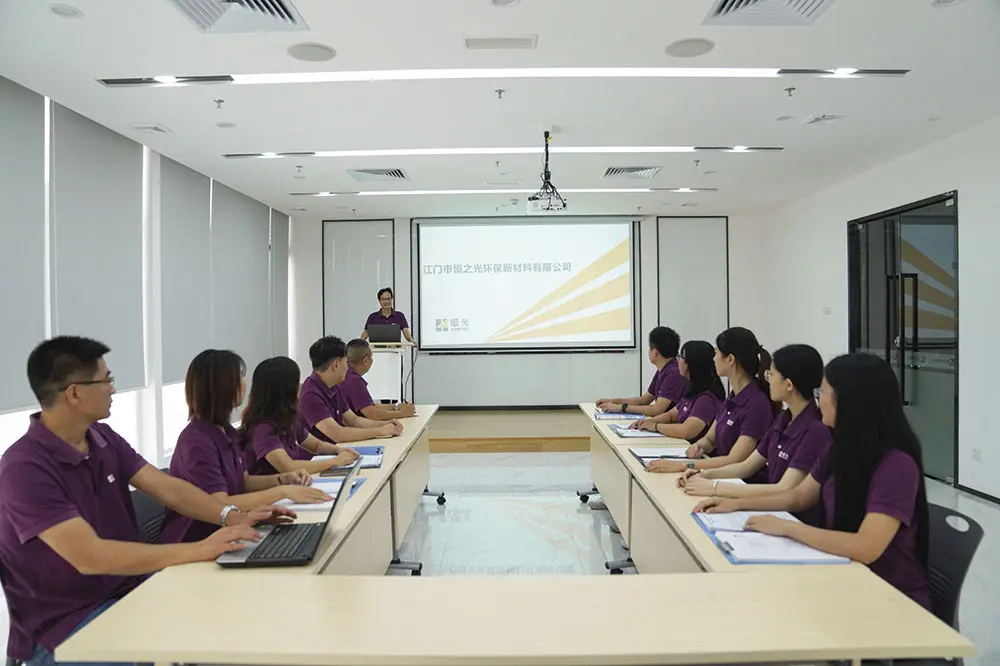
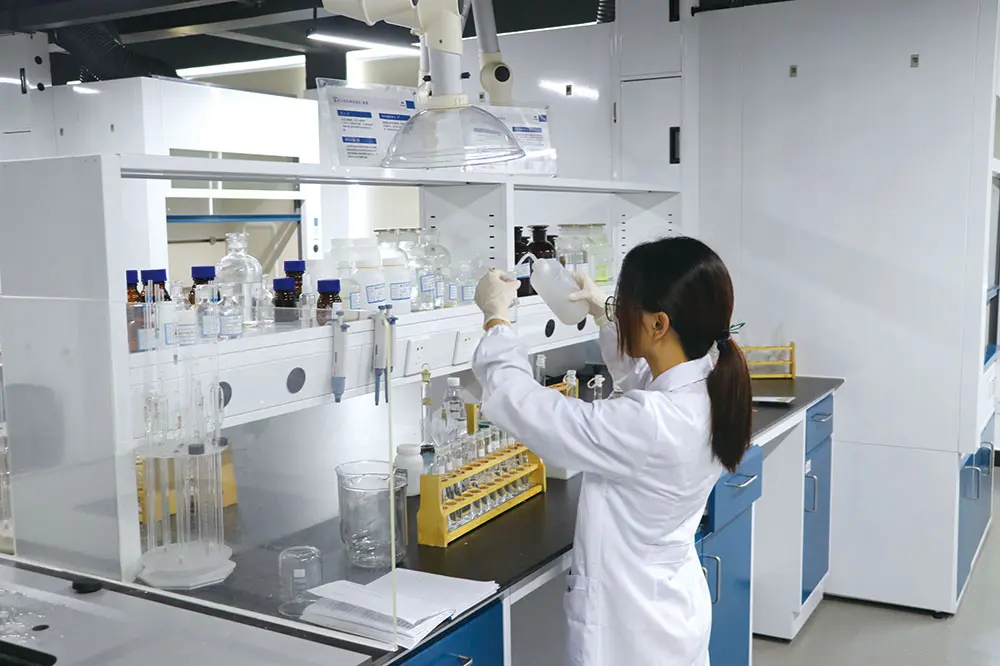
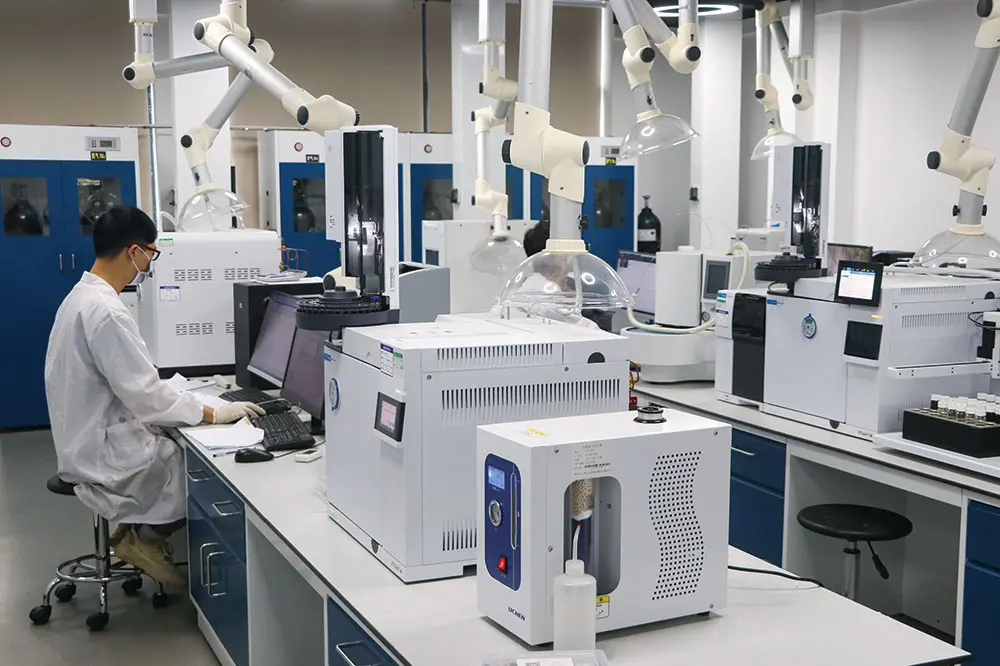
Highly automated manufacturing facilities running DCS computerized controls for consistent quality.
We operate two production bases: one in Jiangmen, Guangdong, with a production area of approximately 10,000 square meters, and another in Yunfu, Guangdong, covering around 40,000 square meters. These facilities include quality control, storage, and logistics supporting systems, with an annual production capacity exceeding 20,000 tons across more than 10 dedicated production lines.
To maintain strict quality control, both factories operate under the ISO9001 Quality Management System and the ISO14001 Environmental Management System, using an advanced DCS fully computerized control system. This computerized control monitors reaction temperatures, mixing speeds, and monomer feeding rates to ensure stable polymer structures and minimize batch-to-batch variations.
We select domestic and imported raw materials, apply scientific management methods, and consult with domestic UV material experts to ensure process safety and product stability.
Evaluating Polymer Performance, China Supply Chain Strengths, Global Compliance, and Application Scenarios
UV-curable chemistry relies on photopolymerization, where liquid monomers and oligomers cure into crosslinked polymers using ultraviolet radiation. At the center of this process are oligomers, which determine the cured coating's physical properties, including adhesion, flexibility, hardness, and chemical resistance.
Epoxy Acrylate Oligomers: These resins, synthesized from epoxy resin (typically bisphenol A epoxy) and acrylic acid, are standard in industrial UV formulations. Bisphenol A epoxy acrylates, like our 9105A-80, feature high reactivity, high gloss, high tensile strength, and excellent chemical resistance. The aromatic rings in bisphenol A provide hardness and thermal stability, making them suitable for wood varnishes, overprint varnishes (OPV), paper coatings, and electronic solders. However, epoxy acrylates can exhibit high viscosity and limited flexibility, requiring dilution with reactive monomers or blending with flexible oligomers.
Polyurethane Acrylate (PUA) Oligomers: PUA resins combine the toughness and flexibility of polyurethanes with the fast curing speed of acrylates. Aliphatic PUA oligomers offer excellent weathering and yellowing resistance, suitable for outdoor applications, automotive parts, and high-end plastics. Aromatic PUA oligomers provide high hardness and fast curing at a lower cost, though they are prone to yellowing. Our 7317 High Reactivity Flexible Polyurethane Acrylate balances curing speed with flexibility, preventing cracking in UV wrinkle and snowflake inks.
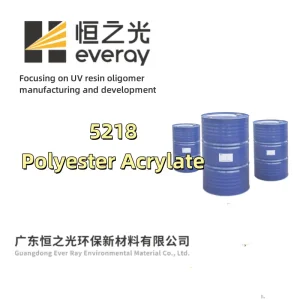
Polyester Acrylate Oligomers: These resins offer low viscosity, good wetting properties, and balanced performance. Resin systems like our 5052B-2 or 5016 act as core diluents and film-forming resins, reducing viscosity while maintaining curing speed. This makes them highly compatible with high-speed offset and flexographic printing.
Sourcing UV oligomers and epoxy acrylates from Chinese manufacturers offers key benefits for global chemical procurement, particularly in terms of raw material integration and production capacity.
Raw Material Integration: China is a major producer of key raw materials like epoxy resins, epichlorohydrin, acrylic acid, adipic acid, and various glycols. Sourcing these upstream chemicals domestically minimizes supply chain delays and reduces transportation costs. This integration allows manufacturers like Ever Ray to stabilize production costs, protecting international partners from volatility in global raw material prices.
Scale & Modern Capacity: With over 50,000 square meters of production space across Jiangmen and Yunfu, our operations showcase the scale of Chinese manufacturing. Large-scale production lines, automated DCS systems, and bulk storage facilities allow for continuous manufacturing. This scalability ensures short lead times even during peak seasonal demand.
Logistical Advantage: Based in the Guangdong-Hong Kong-Macao Greater Bay Area, our facilities have access to deepwater ports, including Guangzhou, Shenzhen, and Hong Kong. This enables convenient shipping with multiple shipping lanes, reducing container transit times and export customs clearance periods.
Global industrial chemical procurement requires strict product consistency, custom formulation support, and reliable technical service.
Matching coating equipment limits (such as spray, roller, offset, or flexo) by providing low-viscosity monomers and targeted dilution curves.
Developing highly reactive oligomers that cure fully at speeds exceeding 100 meters per minute under standard Hg or LED-UV light sources.
Resolving adhesion issues on low-surface-energy plastics like PP, PE, PET, and metal foils through polar-modified acrylate oligomers.
At Guangdong Ever Ray, our laboratory simulates client production processes to resolve these challenges. If a client faces adhesion issues on PET packaging, our technical team can adjust the hydroxyl content or modify the polyurethane backbone to improve bonding without compromising the cure rate. This custom support reduces development time for global formulators.
Compliance with international chemical regulations is critical for importing UV resins into North America, Europe, and the Asia-Pacific region.
REACH, RoHS, and TSCA Audits: Formulators must verify that all chemical components are registered with local regulatory bodies. Our exports undergo testing to ensure compliance with RoHS (Restriction of Hazardous Substances) and REACH regulations, confirming they are free from heavy metals, polybrominated biphenyls, and restricted phthalates.
Low VOC and Odor Initiatives: Regulations on Volatile Organic Compounds (VOCs) are driving a shift toward 100% solid UV coatings. Our 2406 UV Resin provides a low-odor solution for paper and plastic varnishes, helping food packaging manufacturers meet migrate limits and occupational health standards.
Global Delivery and Technical Support: We collaborate with international distributors to supply localized technical support, import documentation, and buffer stock. This reduces the logistics risks associated with overseas shipping.
The UV curing industry is transitioning toward more sustainable chemical formulations. Key developments include:
Bio-based UV-Curable Resins: As industries work to reduce carbon footprints, bio-sourced oligomers are growing in popularity. Our 6710B Epoxidized Soybean Oil Acrylate (ESOA) is a key example of this trend, utilizing renewable soybean oil to replace petroleum derivatives. ESOA offers low volume shrinkage, good pigment wetting, and excellent flexibility, making it a cost-effective alternative for wood primers and paper inks.
LED-UV Curing Systems: Traditional medium-pressure mercury lamps consume high amounts of energy and generate ozone. LED-UV curing systems emit narrow-band light (typically 365nm, 385nm, or 395nm), which reduces energy consumption and heat generation. These systems require specialized oligomers, like our Polyester Acrylate 5501, which are formulated to cure under longer wavelength LED light sources.
Waterborne UV Resins: Waterborne UV systems combine the environmental benefits of water-based coatings with the performance of UV curing. Resins like our Waterborne 70251 UV Resin allow formulators to apply thin coatings, control viscosity with water, and eliminate organic solvents, making them popular for 3D printing and wood finishes.
To ensure proper performance, UV oligomers must be matched to their specific application substrates:
PVC floor coatings require high abrasion resistance and minimal shrinkage to prevent warping. Our 1290H resin is designed to provide durability and low shrinkage on flexible PVC tiles and sheets.
Packaging inks and overprint varnishes (OPV) require fast curing and low odor. Blends of Polyester Acrylate 5016 and 5335B provide high pigment wetting and quick curing for consumer packaging.
Adhesives for bonding plastics, glass, and metals require polar functional groups to ensure adhesion. The 72021E UV-resin is formulated for these multi-substrate bonding applications.
Answers to common technical and logistical questions about UV-curable oligomers and epoxy acrylates.
Explore our specialized formulations, including high-hardness epoxy acrylates, bio-based resins, and waterborne UV curing systems.
 Ever Ray