High-adhesion, fast-curing, and yellowing-resistant formulations engineered for superior surface protection and coating longevity.
The industrial coating landscape has witnessed a massive paradigm shift toward radiation-curing technologies. Underpinning this transformation are Epoxy Acrylate Oligomers, recognized globally for their exceptional cure speed, surface hardness, chemical barrier properties, and superior cost-performance ratio. As premier wholesale manufacturers, we specialize in addressing the complex chemical mechanics of these systems.
Epoxy acrylates are synthesized via the ring-opening esterification of epoxy resins (primarily bisphenol A based) with acrylic acid. This dual-functional structure marries the robust adhesion of the epoxy backbone with the ultra-fast free-radical polymerization kinetics of acrylic groups. When exposed to ultraviolet (UV) radiation in the presence of appropriate photoinitiators, the acrylic double bonds rapidly cross-link to form a dense, three-dimensional thermoset network within fractions of a second.
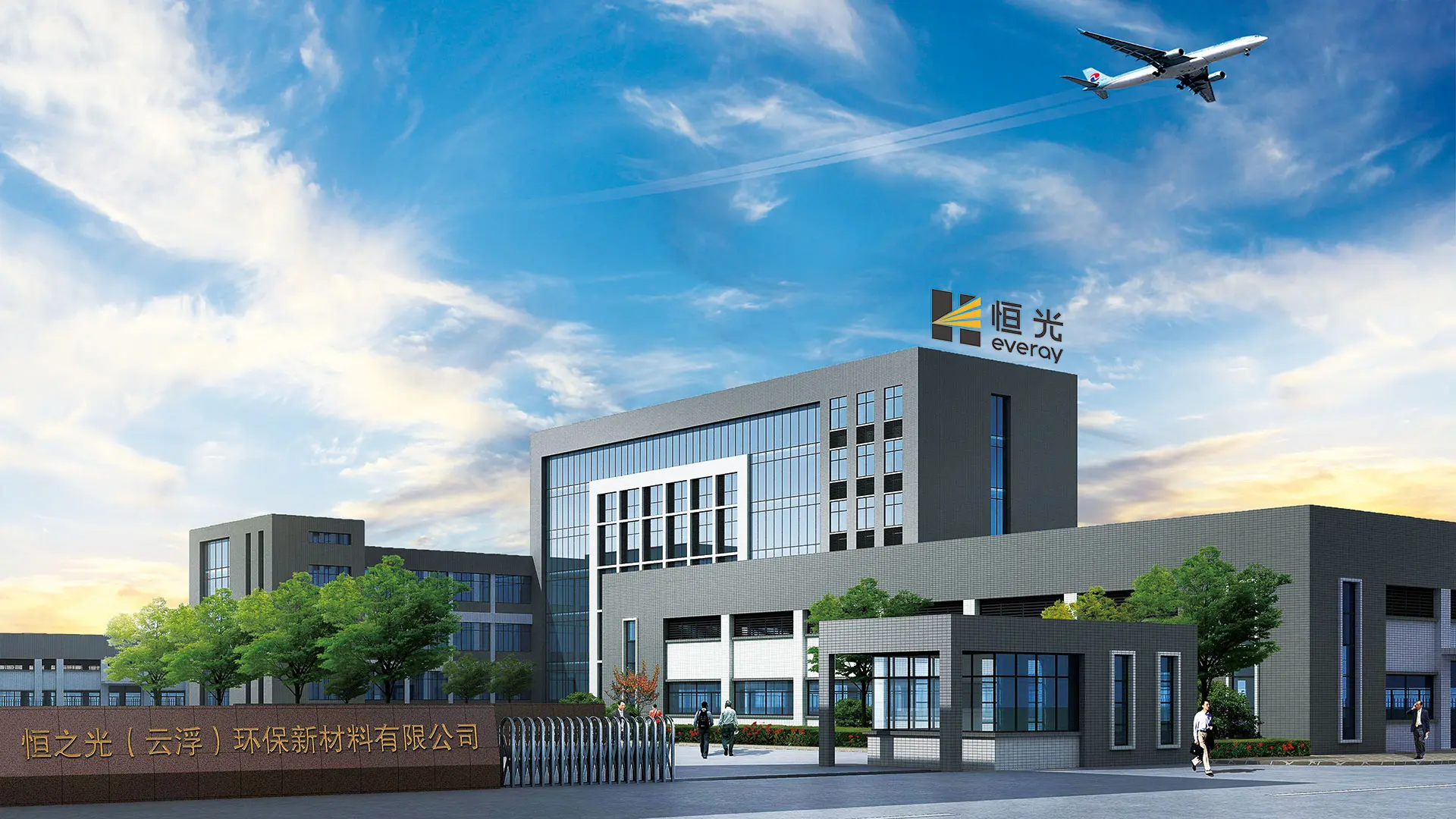
Guangdong Ever Ray Environmental Material Co., Ltd. — Accelerating Sustainable Coating Chemistry Since 2006
Established in 2006, Guangdong Ever Ray Environmental Material Co., Ltd. is a nationally recognized high-tech enterprise. We specialize in the R&D, precision manufacturing, and global supply of high-performance oligomers for UV-curable systems. Our product portfolio encompasses standard and modified epoxy acrylates, polyurethane acrylates (waterborne, aliphatic, and aromatic), polyester acrylates, pure acrylates, and custom functionalized oligomers.
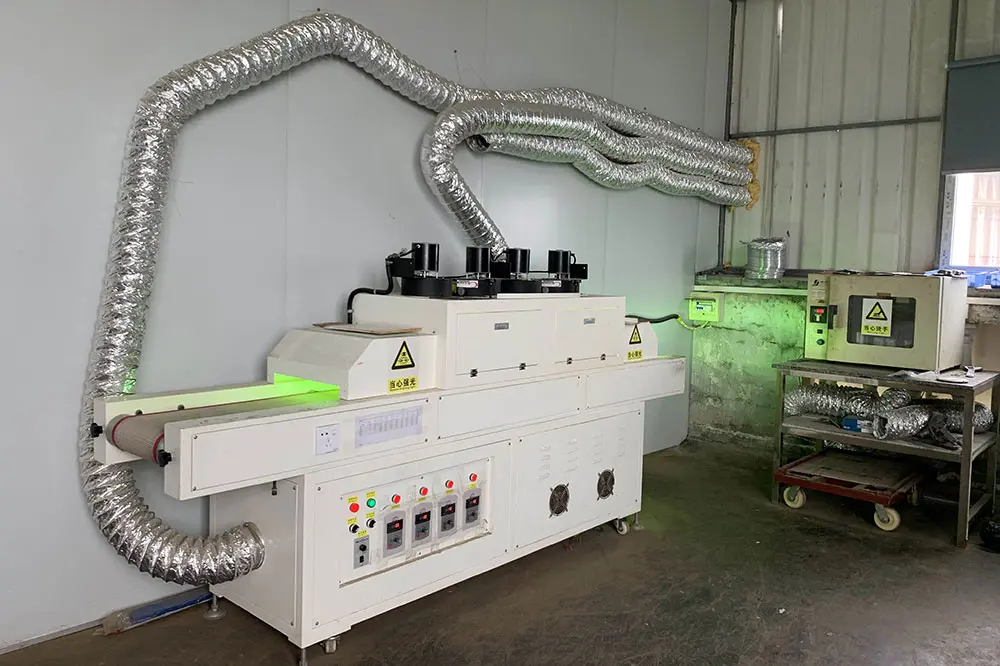
To ensure high chemical consistency and stable supply metrics, we operate two advanced manufacturing bases in Guangdong province. The Jiangmen Factory covers 10,000 square meters of high-density production space. The Yunfu Factory expands our footprint with a state-of-the-art 40,000 square meter chemical campus. Both facilities are engineered to run sophisticated DCS computerized controls, allowing precise temperature profiles and automated feedstock charging during synthesis.
With an annual output exceeding 20,000 metric tons across 10+ dedicated automated lines, we supply multinational coatings businesses with consistent oligomers, reducing batch-to-batch variation to almost zero.
A technical reference guide to choosing oligomers based on system viscosity, flexibility, adhesion, and yellowing resistance.
| Oligomer Type | Curing Speed | Hardness & Toughness | Yellowing Resistance | Key Substrates | Recommended Applications |
|---|---|---|---|---|---|
| Standard Bisphenol A Epoxy Acrylate | Ultra-Fast | Excellent Hardness / Low Flexibility | Moderate (Propene to Yellowing) | Wood, Paper, Metals | High-gloss wood varnishes, paper overprint coatings, industrial metal topcoats. |
| Modified Epoxy Acrylate (e.g., 61003A, 6300) | Fast | Balanced Toughness & Flex | Good (Low Yellowing) | Plastics, Cardboard, PVC | LED-UV packaging varnishes, offset inks, flexible plastic films. |
| Polyester Acrylate (e.g., 5502B, 5311A) | Moderate to Fast | Excellent Dilution & Hardness | Excellent (Aliphatic types) | ABS, Polycarbonate, Paper | Low-odor heat-resistant coatings, screen printing inks, plastic primers. |
| Polyurethane Acrylate (PUA) (e.g., 7291B, 72027) | Variable | High Flexibility & Tensile Strength | Outstanding | PET, Outdoor Foils, Leather | Outdoor weather-resistant tapes, labels, high-end optical films, automotive clearcoats. |
| Bio-Based Acrylates (e.g., Soybean Oil 6710B) | Moderate | Flexible to Semi-Rigid | Good | Paperboard, Packaging | Green packaging, low-VOC eco-inks, sustainable wood primer systems. |
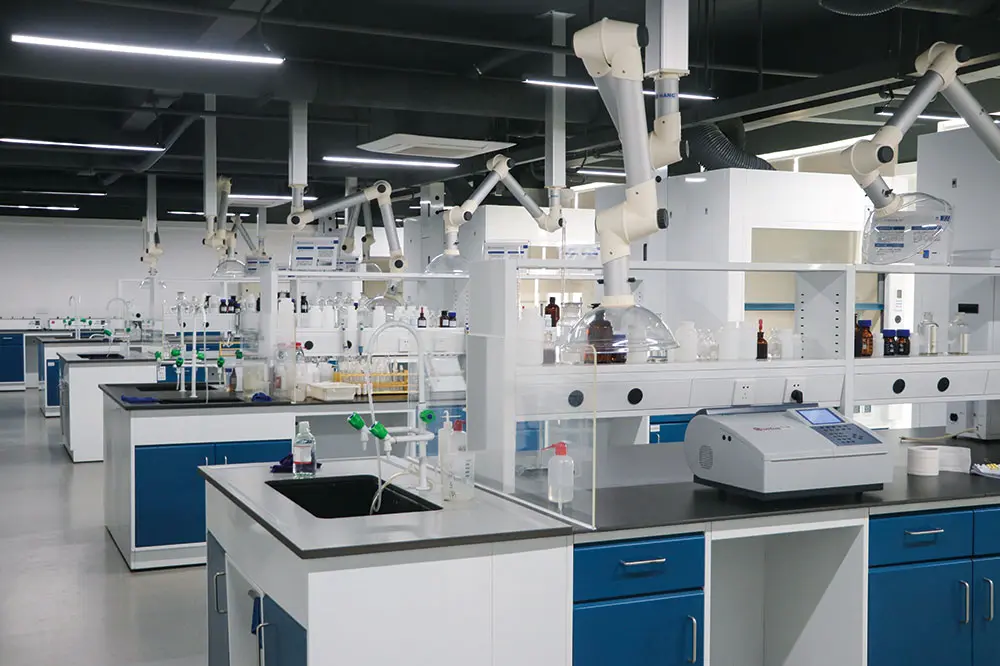
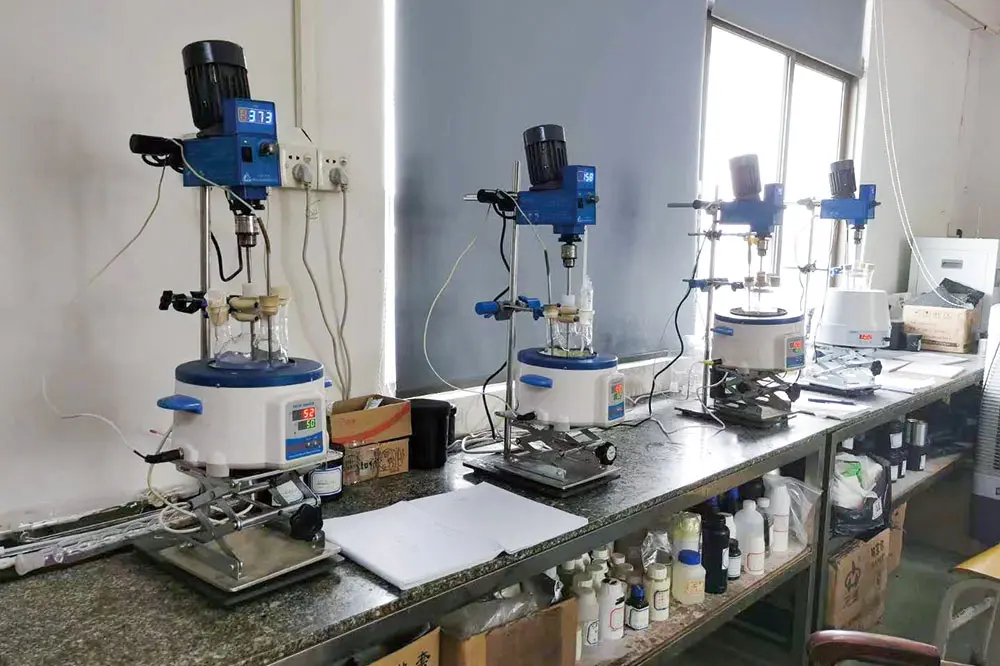
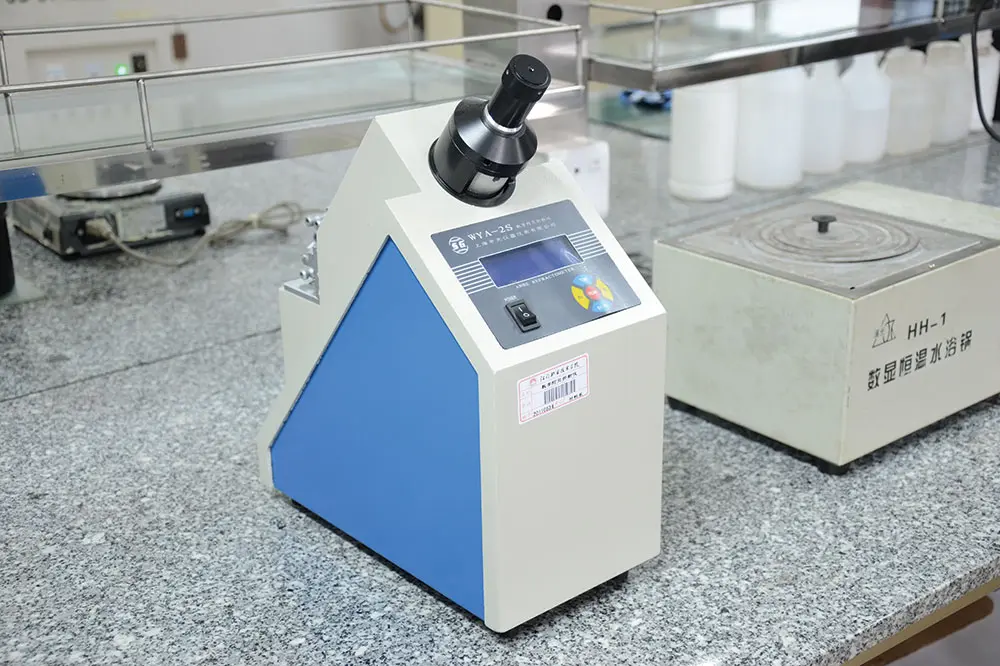
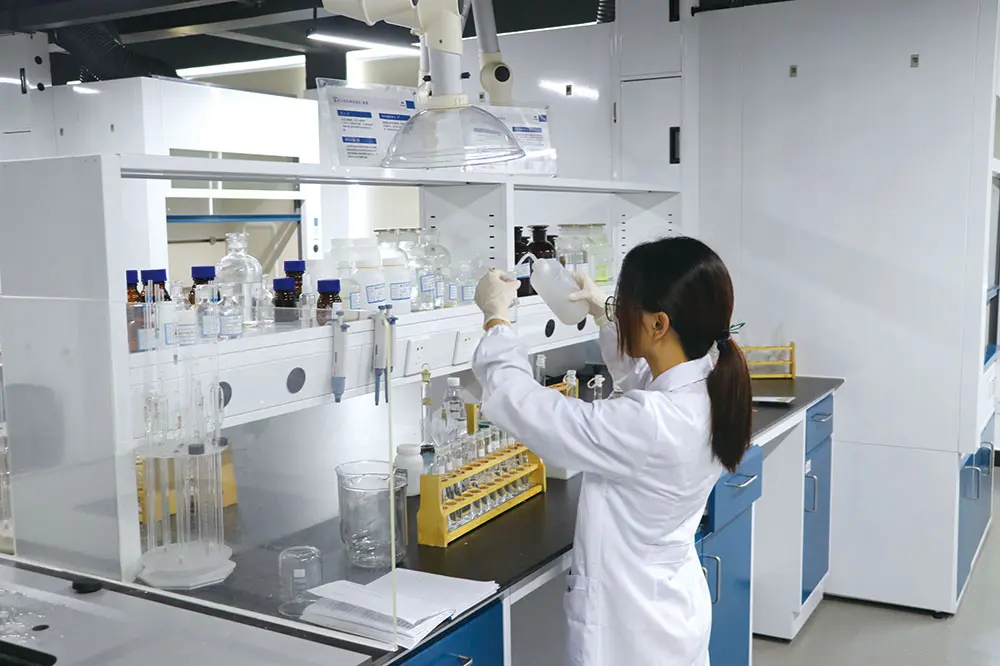
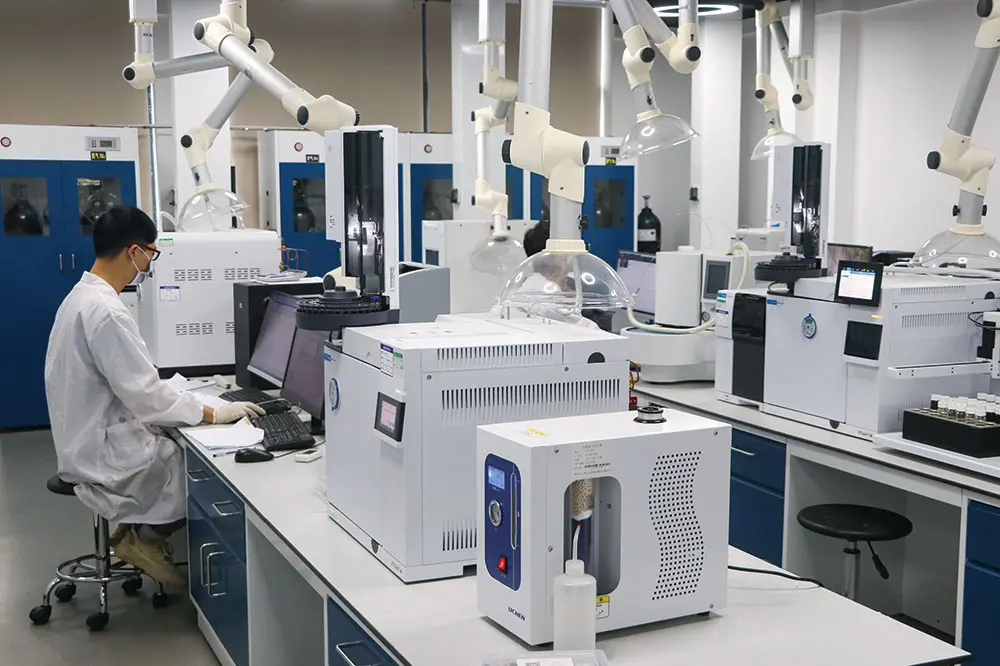
Our dedicated Research and Development center is staffed by over 15 senior polymer technicians and formulation engineers. We collaborate with national research institutes and invite leading UV curing experts to keep our synthesis technology aligned with modern demands.
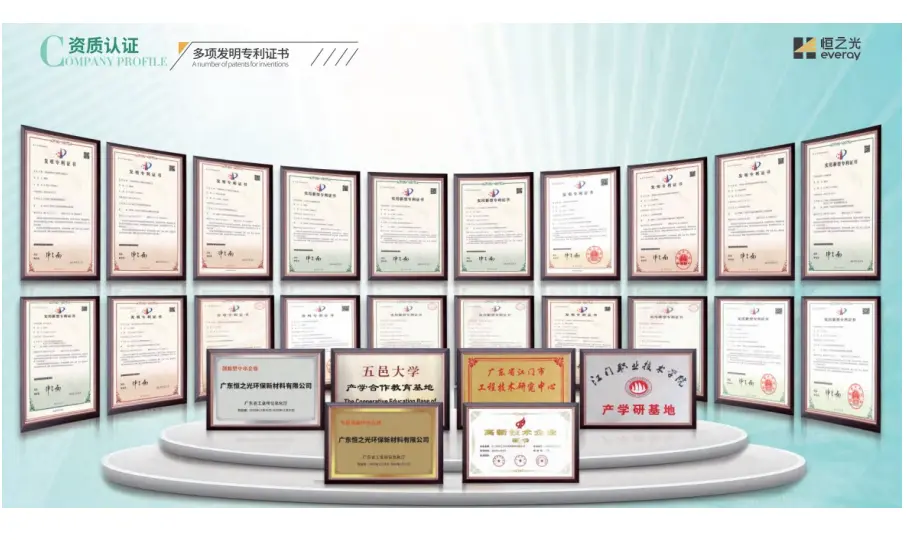
This technical foundation has resulted in more than 10 practical and invention patents. We focus on addressing core performance trade-offs in UV curing:
Environmental compliance is a core pillar of our production strategy. Guangdong Ever Ray operates under both the ISO9001:2015 Quality Management and ISO14001:2015 Environmental Management systems. Our factories meet rigorous chemical emission limits, utilizing scrubbers and thermal oxidizers to minimize volatile organic emissions.
As global regulations tighten—including the EU’s REACH initiative, the Toxic Substances Control Act (TSCA) in the United States, and domestic low-VOC policies—our chemical engineering teams continuously update our inventory. We prioritize raw materials that are free from SVHCs (Substances of Very High Concern), helping clients export finished coatings and printed goods to strictly regulated markets.
Why international brands rely on Southern China's industrial chemical clusters for epoxy resin and acrylate sourcing.
Guangdong's proximity to major petrochemical refining clusters ensures a consistent supply of key raw materials like acrylic acid, bisphenol A diglycidyl ether (BADGE), and aliphatic diisocyanates. This proximity helps us maintain stable production pricing and run times, even during broader global logistics disruptions.
Integrating Distributed Control Systems (DCS) prevents run-away exotherms during highly reactive acrylate esterification. With computer-monitored reactor systems, our reaction conditions stay within tight parameter margins. This system level control prevents unwanted gelation and polymer structure flaws.
We provide full documentation to support international customs clearances. Our logistics support includes certificates of analysis (COAs), material safety data sheets (MSDS) in multiple languages, GHS labeling compliance, and transportation safety declarations for ocean, rail, or air freight.
How Ever Ray oligomers solve performance issues across diverse industrial sectors.
Modern high-speed wood coating lines require rapid, reliable curing. Using oligomers like 6100D-85 Epoxy Acrylate provides excellent adhesion to wood grain and composite substrates, high surface hardness to resist scratches, and resistance to common household chemicals like alcohol or water stains.
Food packaging and cosmetic cartons require glossy, low-odor varnishes that resist scuffing. Our 61003A LED-UV Resin is designed to cure efficiently under longer LED wavelengths (385–395nm), helping print shops save energy while reducing heat exposure on thin film substrates.
Typical acrylates can degrade and yellow under solar UV rays. Our Model 72027 Polyurethane Acrylate offers strong weatherability and UV stability, making it suitable for outdoor tapes, labels, automotive vinyls, and protective coatings.
Technical answers to help formulation scientists solve common problems with UV-curable epoxy and polyester resins.
Acrylate polymerization is accompanied by volumetric shrinkage due to the replacement of van der Waals distances with covalent carbon-carbon bonds. On non-porous plastic substrates (like PET, PC, and PVC), high shrinkage creates internal stresses that lead to adhesive failure. To resolve this, we formulate oligomers like 17701 and 6300 with bulkier hydrocarbon backbones, reducing the relative concentration of double bonds while maintaining strong polar interactions with the substrate.
Standard high-pressure mercury lamps emit a broad ultraviolet spectrum, including UVC, UVB, and UVA. This broad spectrum initiates both surface curing (via short wavelengths) and deep curing (via long wavelengths). In contrast, LED-UV systems emit narrow bands, typically at 365nm, 385nm, or 395nm. Curing with LED requires oligomers designed with high reactivity, like our 61003A, paired with specific photoinitiators (like TPO or DETX) that align with these longer wavelengths.
High-hydroxyl polyester acrylates (like our 5830A) are designed to provide adhesion on metal and glass. Under humid conditions, however, water molecules can diffuse through the coating, seeking out hydrophilic hydroxyl sites. This process can cause delamination. To prevent this, we build hydrophobic segments into the polymer backbone, protecting the adhesive bond line during moisture exposure or boiling tests.
Epoxidized soybean oil acrylate (ESBOA) is a bio-based oligomer that helps reduce the carbon footprint of coatings. In addition to its environmental benefits, ESBOA provides lower skin irritation, good elasticity, and excellent pigment wetting, making it a cost-effective option for eco-friendly overprint varnishes and flexographic inks.
Acrylate synthesis is highly exothermic. Traditional manual batch processing can lead to temperature fluctuations, causing differences in polymer weight distribution and viscosity. Our DCS computerized system regulates the addition of raw materials and controls temperatures within 0.5°C, ensuring that key properties like viscosity, color value, and reactivity remain uniform from batch to batch.
High-durability resins, ABS-like materials, and diluting acrylates for advanced print and manufacturing industries.
 Ever Ray