Select from our precision-engineered core monomers and oligomers for coatings, adhesives, and industrial printing applications.
Key technical indicators and micro-mechanics driving environmental shift and economic returns globally.
Globally, industrial coating operations are migrating away from traditional solvent-borne thermal systems toward 100% solids UV-curing technology. The shift is accelerated by regulatory pressure on Volatile Organic Compounds (VOCs) and corporate commitments to carbon neutrality. UV-cured polymers cross-link through free-radical or cationic initiation pathways initiated in milliseconds by UV light or LED radiation source exposures. This virtually eliminates thermal oven dry-off stages, drastically reduces production floor footprints, and lowers carbon emissions compared to natural gas-fired drying lines.
From a chemical engineering standpoint, UV curing relies on the rapid polymerization of acrylate oligomers, monomers, and photoinitiators. When exposed to specific wavelengths (typically 200nm to 400nm), photoinitiators undergo cleavage, generating free radicals that attack the carbon-carbon double bonds in the acrylate oligomers. This triggers a cascading chain reaction, converting the liquid coating into a three-dimensional thermoset polymer network in a fraction of a second. This cross-linking density directly translates into superior scratch resistance, high hardness, and outstanding chemical barriers.
At the center of this transformation is the optimization of double-bond conversion and the mitigation of polymerization shrinkage. Advanced formulations, such as our low-shrinkage modified acrylate oligomers, resolve internal stress build-up on delicate substrates like metal and high-density fiberboards. This ensures that film integrity, coating gloss levels, and mechanical durability remain uncompromised throughout production cycles.
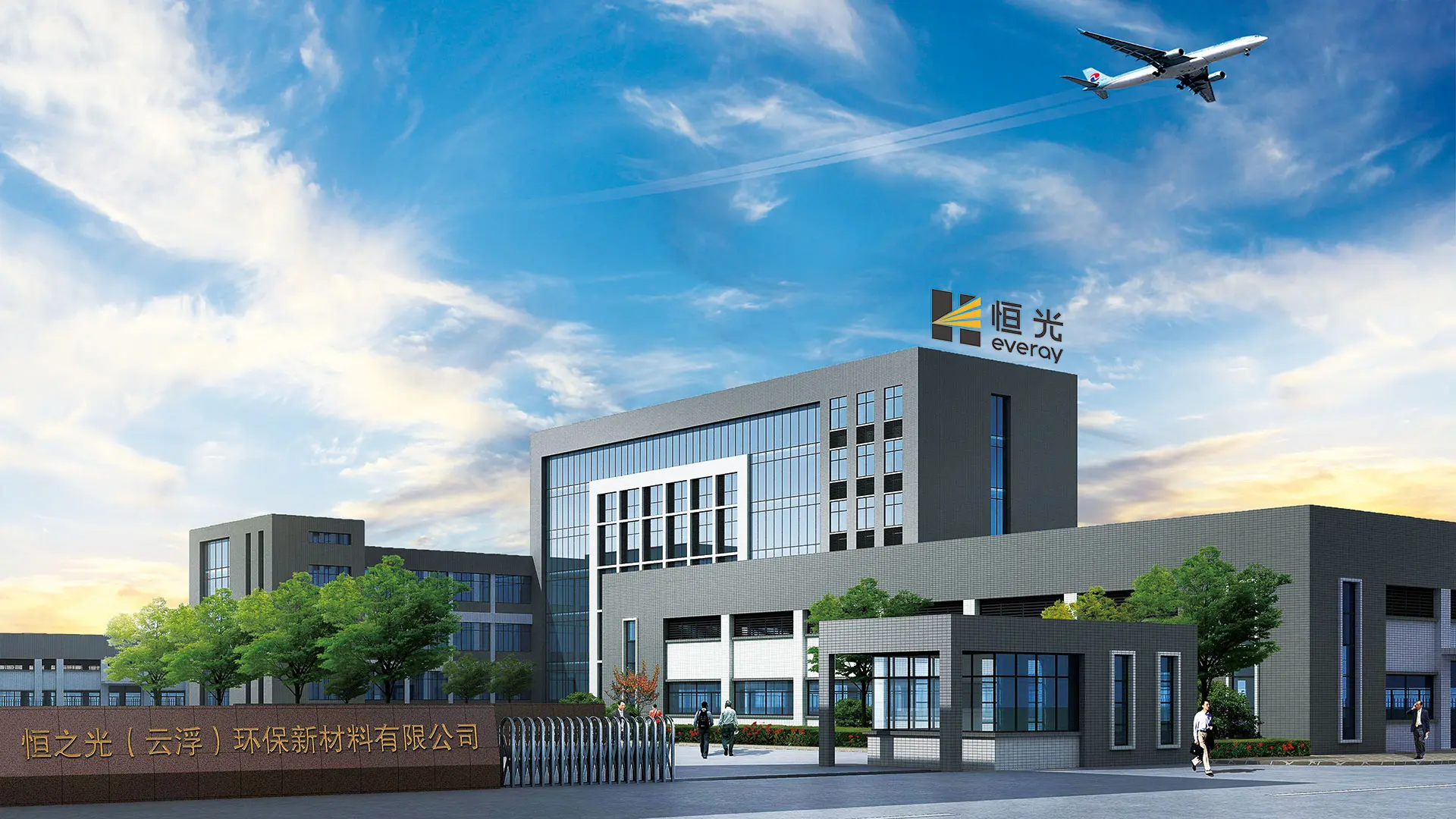
Over 18 years of specialized polymer R&D and automated industrial production capacity.
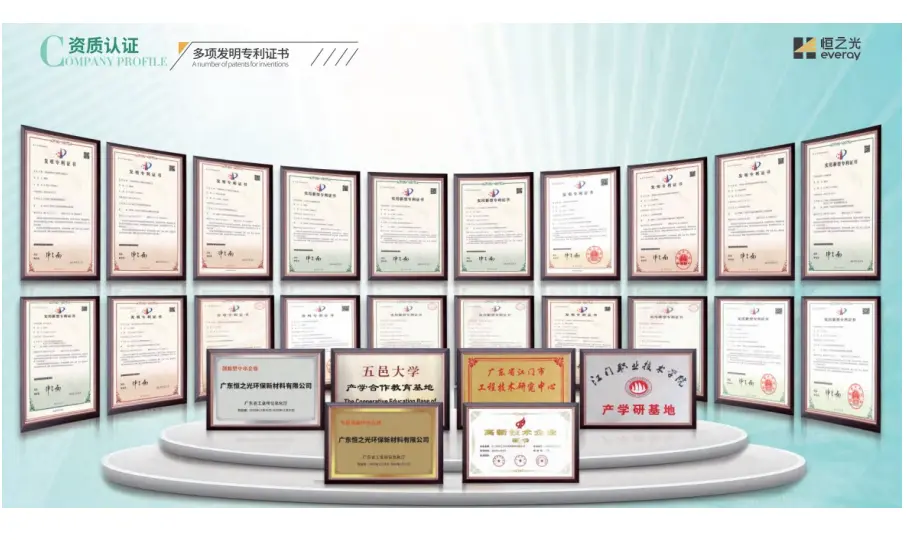
Established in 2006, Guangdong Ever Ray Environmental Material Co., Ltd. is a high-tech enterprise dedicated to the research, development, and high-volume manufacture of oligomers for UV-curable resins. Our product family includes epoxy acrylates, aliphatic/aromatic polyurethane acrylates, waterborne systems, polyester acrylates, pure acrylates, and special functional modified acrylate oligomers designed to solve complex formulating challenges.
Our manufacturing configuration operates across two production bases. Our facility in Jiangmen, Guangdong, covers 10,000 square meters. To meet growing global demands, our modern facility in Yunfu, Guangdong, expands across 40,000 square meters. The Yunfu facility features automated DCS computerized control systems, ensuring chemical consistency, batch-to-batch repeatability, and safety across all manufacturing lines.
Both manufacturing plants are operated under strict ISO9001 quality management systems and ISO14001 environmental management standards. With raw materials sourced from reliable international and domestic chemical suppliers, we combine expert chemical guidance and rigorous internal quality control checks to provide our partners with stable, high-performance resins.
Understanding the chemical profiles, molecular structure selection, and performance characteristics of UV acrylates.
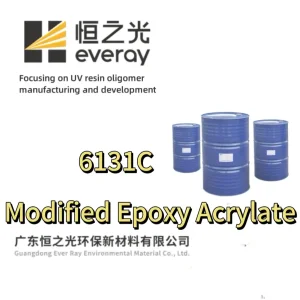
Characterized by fast curing, high gloss, and exceptional surface hardness. Formulated for wood coatings, rigid packaging, and paper varnishes where scratch resistance is paramount. Provides strong adhesion profiles on substrates via strategic modification pathways.
Aliphatic and aromatic structures designed to optimize the trade-off between hardness and flexibility. Aliphatic PUA offers long-term weathering protection and yellowing resistance for exterior applications, automotive plastics, and high-end electronics coatings.
Typically low-viscosity resins utilized to manage formulation rheology while maintaining rapid response times. Commonly utilized in lithographic inks, film coatings, and flexographic processes, helping reduce the usage of reactive diluents.
"By adjusting the ratio of multi-functional oligomers like 17701 or 6271 with mono- or di-functional monomers, formulators can precisely control physical attributes such as impact strength, flexibility, chemical resistance, and surface cures. Balancing these properties prevents mechanical failures like micro-cracking, shrinkage-related warping, and loss of intercoat adhesion."
How our customized acrylate solutions solve substrate-specific challenges in actual production lines.
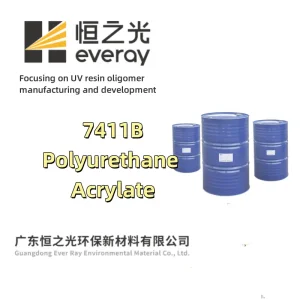
1. Matte Wood Finishing & High Adhesion Primers: For industrial furniture manufacturing, coating adhesion to dense fiberboards, exotic woods, and resinous veneer substrates can be difficult. Formulations using high-adhesion 6100D-85 epoxy acrylate establish robust anchor bonds with the cellular structure of wood. For matte applications, our low-viscosity 7411B oligomer allows high silica filler loadings, delivering flat gloss profiles and smooth tactile feedback without settling issues.
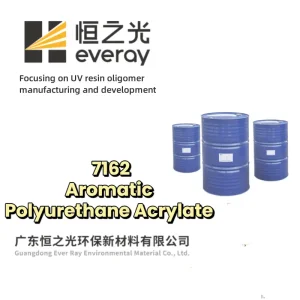
2. Plastics and Automotive Clearcoats: Plastic components, including polyolefins and ABS, require coatings that resist chemical degradation and physical impact. Oligomers like the aromatic PA UV-resin 7162 are designed for plastic spray coatings, providing weather protection, impact resistance, and adhesion to low-surface-energy substrates.
3. High-Speed Lithographic & Flexo Inks: Fast cure speed is critical for printing operations running at over 300 meters per minute. Our low-shrinkage oligomers, such as 17701 and 1100UV, maintain dot gain accuracy, minimize curl on thin film substrates, and ensure immediate ink film drying, preventing set-off on high-speed offset lines.
4. Metallic Substrates & Primers: Non-ferrous metals like aluminum, tinplate, and galvanized steel present challenging surfaces for UV coatings due to chemical inertness and shrinkage-induced stress. Using specialized resins like 1200A UV resin, which features polar acid-functional groups, improves chemical bonding with metal oxides. This provides strong adhesion and corrosion resistance for metal packaging and coil coatings.
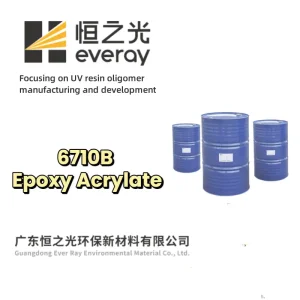
5. Bio-Based Alternatives: As environmental requirements tighten, developers are focusing on bio-sourced alternatives. Our epoxidized soybean oil acrylate 6710B offers a sustainable solution for packaging and wood finishes. It balances cost-efficiency with high flexibility, helping reduce reliance on petrochemical-derived materials.
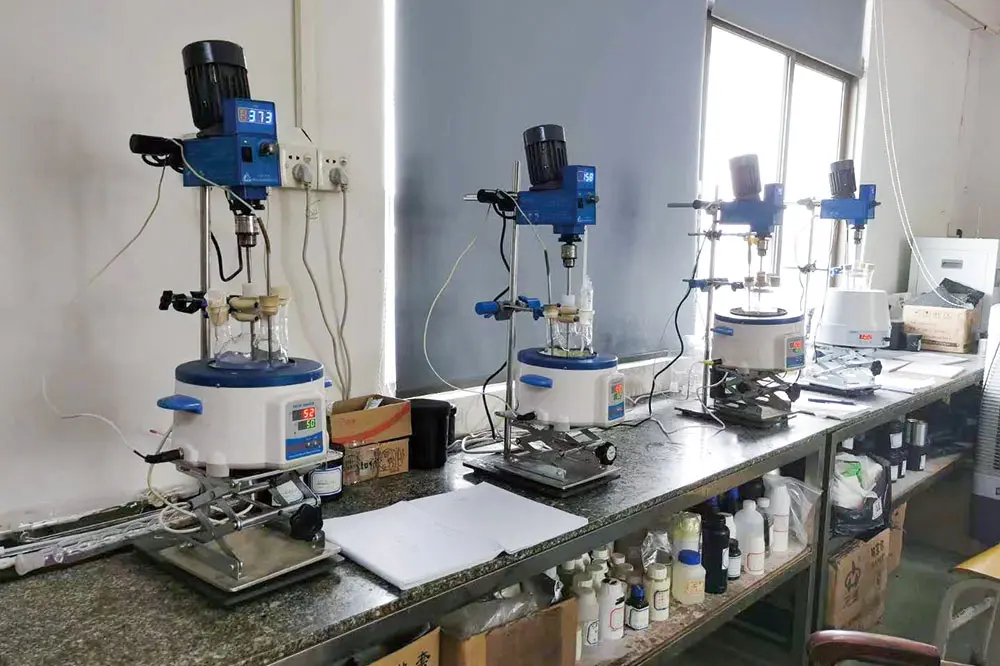
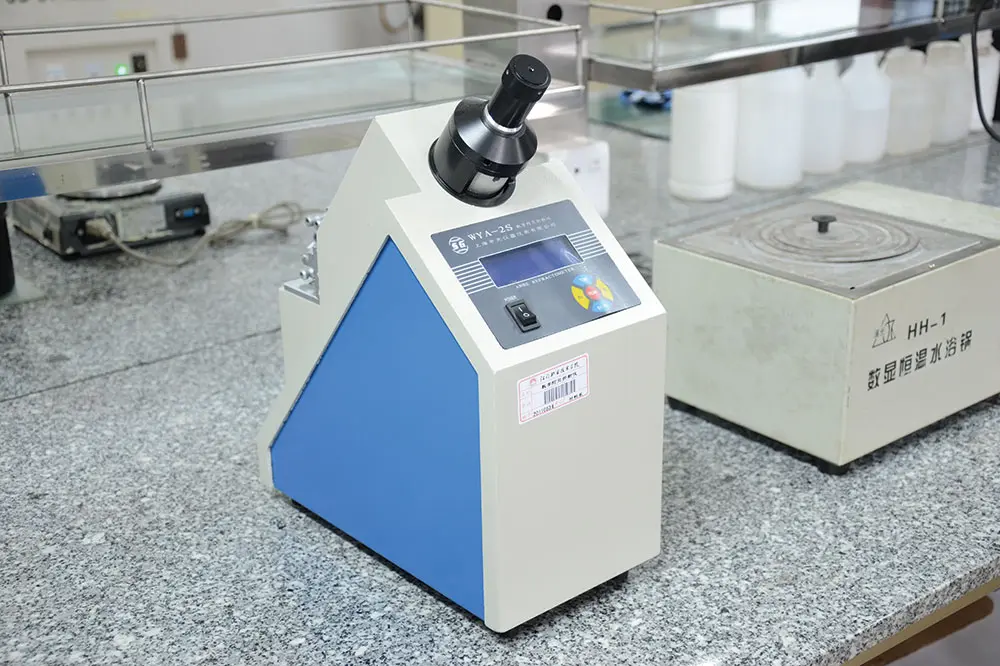
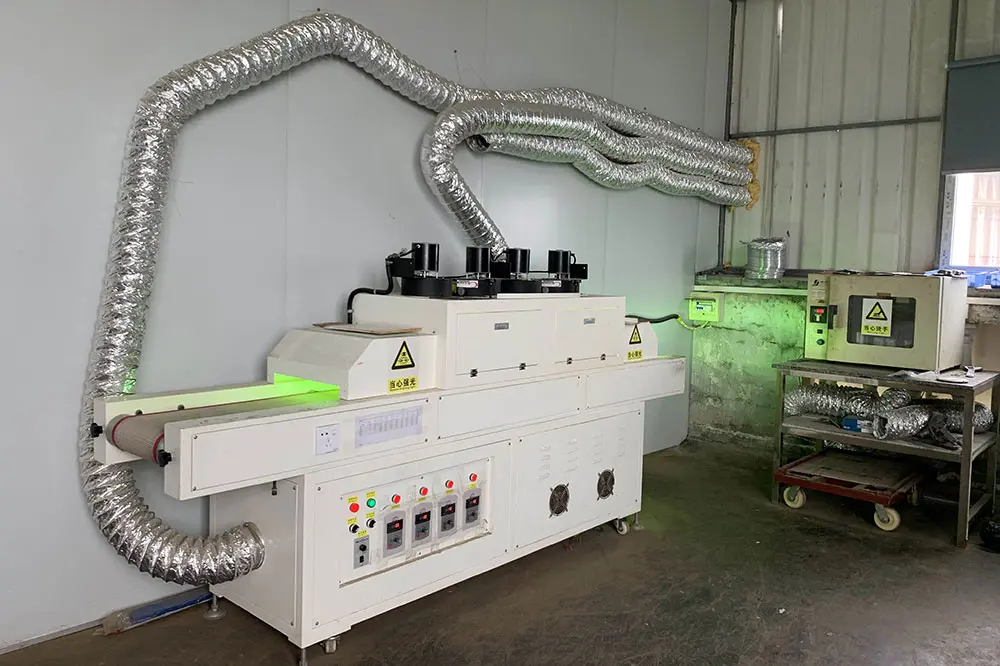
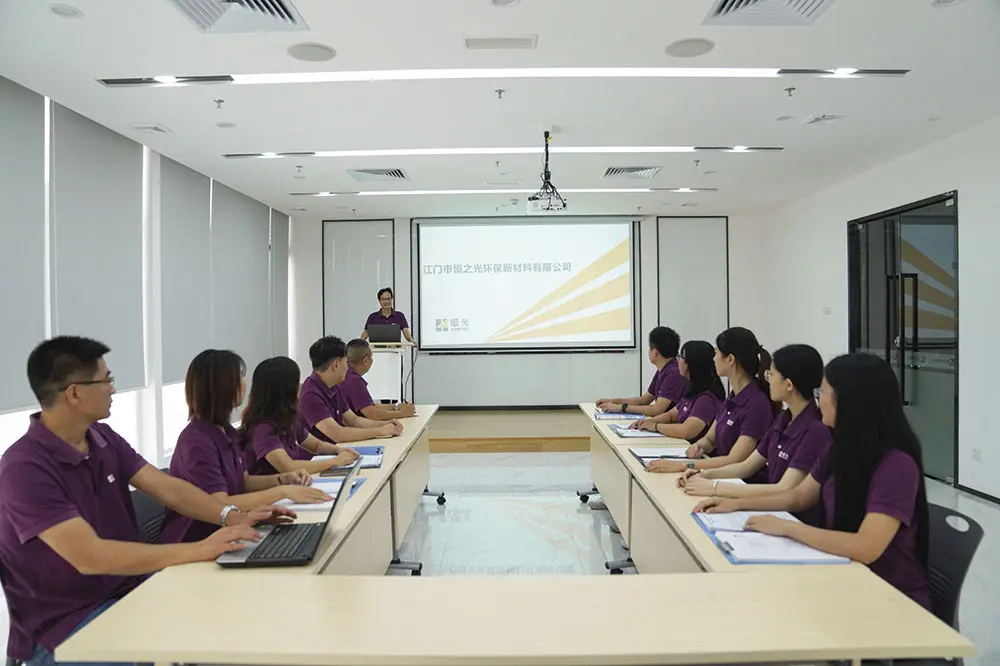
Tour our manufacturing bases, QC testing facilities, and warehouse networks in Guangdong.
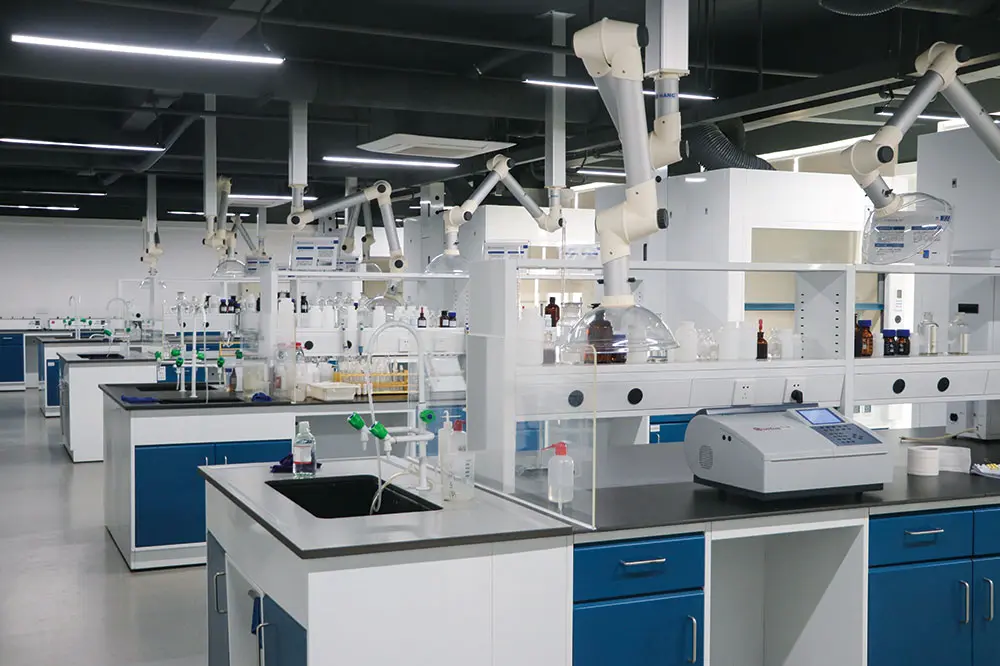
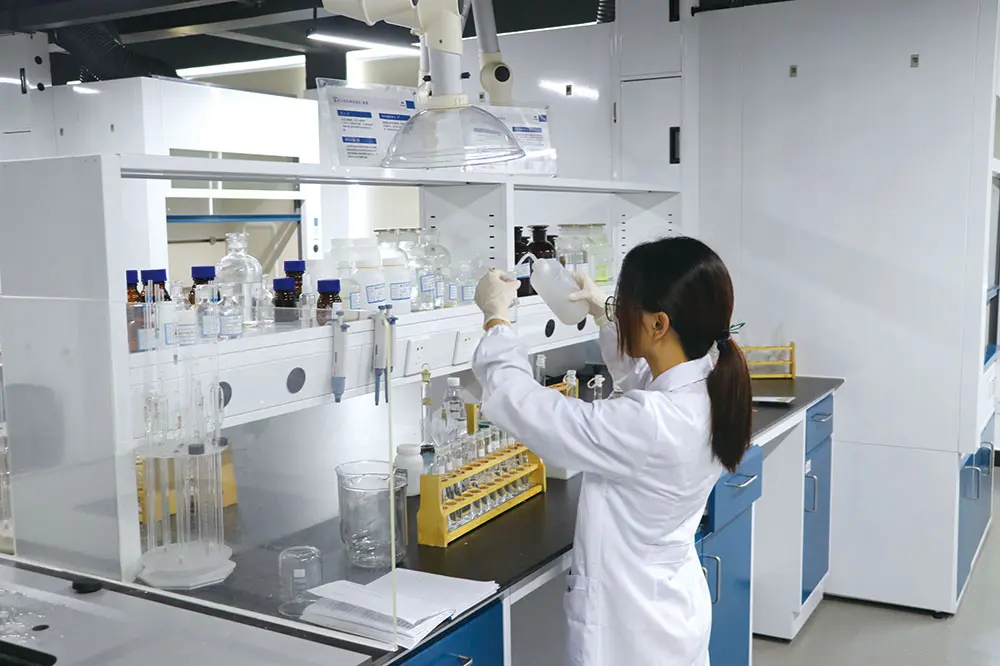
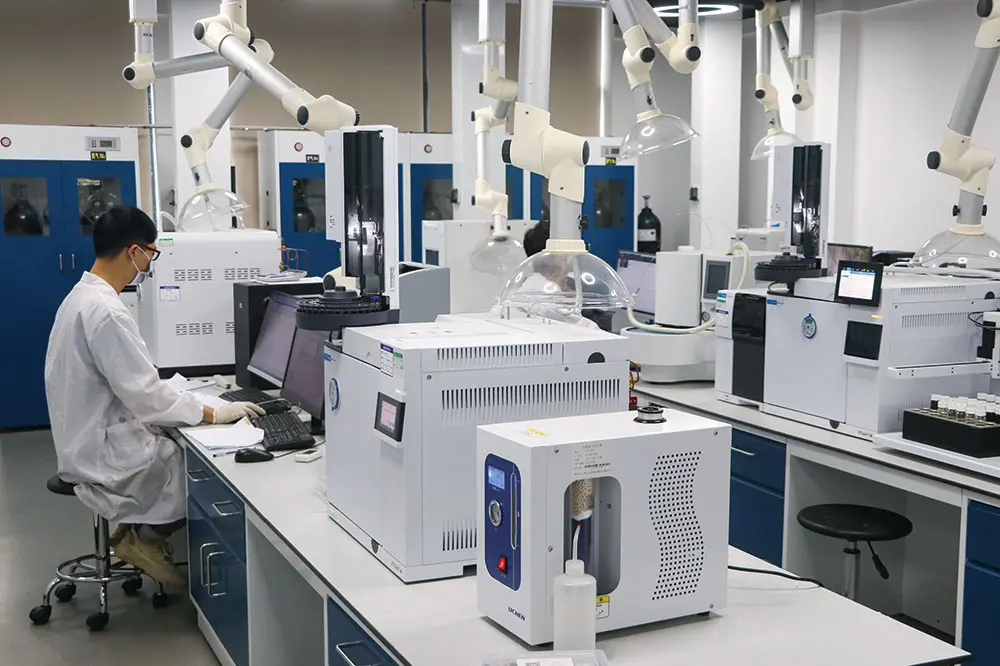
How we support global distribution while maintaining regulatory compliance and product quality.
Maintaining high consistency across chemical shipments is crucial for modern industrial coating operations. Variations in oligomer viscosity or reactivity can lead to processing issues and line downtime. Our Yunfu production facility addresses this by using a Distributed Control System (DCS) to manage feed rates, reactor temperatures, and reaction times. This minimizes batch-to-batch variation, ensuring consistent reactivity and viscosity profiles for our customers.
All finished batches undergo quality testing, including checks on acid value, color, viscosity, and curing speed, before being approved for packaging. This quality-centric approach ensures our products meet the demanding requirements of global manufacturers.
We work to ensure all our raw materials and final oligomer formulations comply with key global regulatory frameworks. This includes REACH registration for Europe, TSCA inventory compliance for the United States, and RoHS compliance for electronic components. Our technical teams also compile safety documentation (SDS/GHS) to support safe handling, storage, and transport across international borders.
Additionally, we offer tailored product support, including formulation advice and product matching, to help our partners optimize their curing systems and improve production line efficiency.
Answers to common industrial questions regarding viscosity control, oxygen inhibition, shrinkage, and adhesion.
Explore further formulations for matte finishes, high-gloss topcoats, and eco-friendly systems.
 Ever Ray