High-efficiency components engineered for exceptional mechanical, thermal, and surface properties across demanding substrate applications.
Decoding the shifts in radiation curing technology, chemistry matrices, and modern regulatory demands.
Traditional solvent-borne coatings release significant volatile organic compounds (VOCs). Modern global manufacturing lines are shifting rapidly to 100% solid-content UV systems, driven by strict ESG compliance goals and occupational safety mandates worldwide.
Our modified epoxy and polyurethane acrylates provide superior surface protection. Utilizing high-reactivity functional groups ensures complete curing within milliseconds under medium-pressure mercury or LED UV lamps, optimizing line speeds.
Achieving structural adhesion on low-surface-energy plastics, raw metals, and dense hardwoods requires tailored wetting and shrinkage profiles. Polyester acrylates and specialized oligomer blends reduce shrinkage tension, preventing delamination.
Modern manufacturing requires precision at the molecular level. UV-curable varnishes depend heavily on the structural properties of their oligomers. As a leading developer of custom chemical systems, Guangdong Ever Ray Environmental Material Co., Ltd. produces epoxy acrylates, polyurethane acrylates (waterborne, aliphatic, aromatic), polyester acrylates, and functionalized pure acrylates. These oligomers form the backbone of coatings that cure through rapid radical polymerization.
By controlling molecular weight distribution and functional groups, formulators can balance flexibility, hardness, chemical resistance, and curing speeds. For example, modified epoxy acrylates provide exceptional hardness and chemical resistance, making them ideal for heavy industrial machinery, high-performance electronics, and packaging overprint varnishes. However, unmodified epoxy acrylates can suffer from brittleness and curing shrinkage. To resolve this, our R&D department modifies epoxy structures to introduce flexibility without compromising their core mechanical strengths.
Ensuring steady supply chains and technical reliability for high-capacity industrial applications.
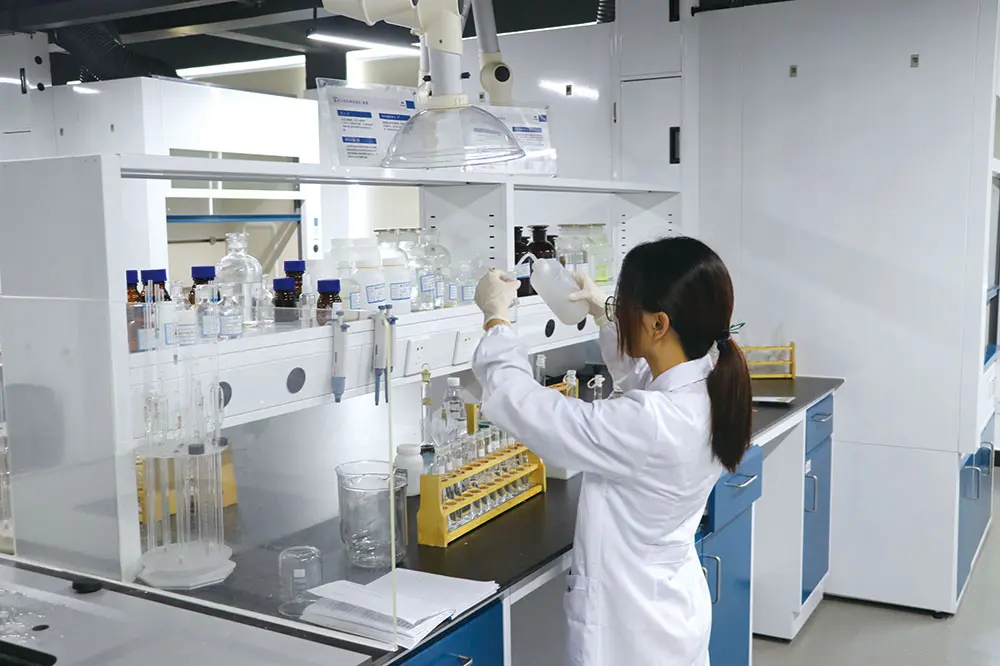
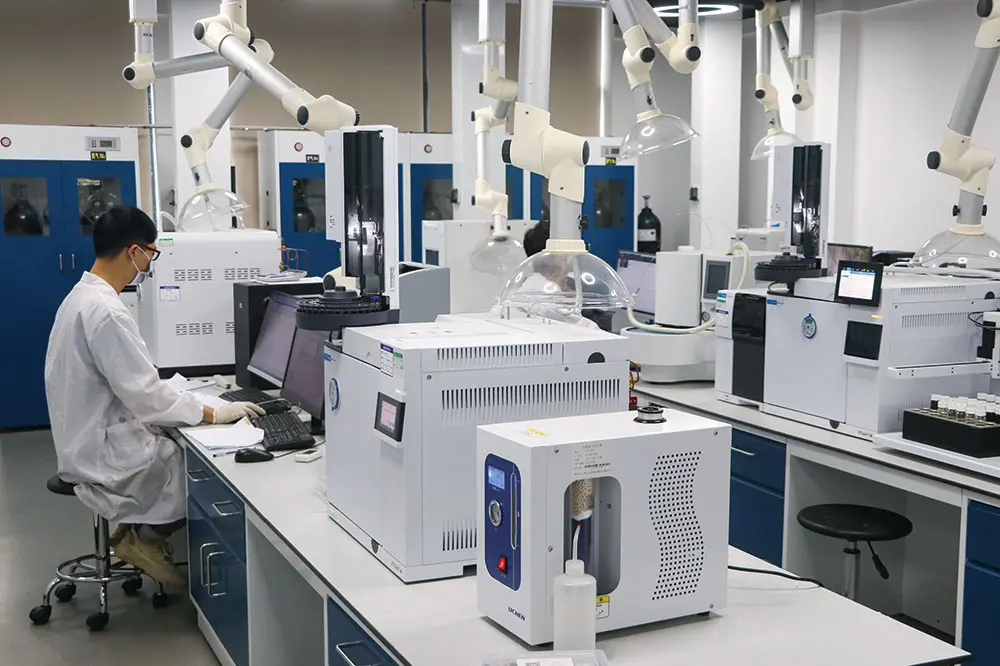
To support global supply chains, we operate two production bases in Guangdong province. The Jiangmen facility (10,000 square meters) handles fast-turnaround product variations, testing, and application prototyping. The Yunfu production base (40,000 square meters) supports bulk manufacturing, boasting over 10 fully automated production lines managed by advanced DCS computerized control systems.
Our ISO 9001:2015 and ISO 14001:2015 certified production processes ensure that every batch of UV resin meets strict global tolerance specifications, maintaining viscosity and reactivity consistency across orders.
For custom formulation requests, our 15 R&D specialists design customized oligomers to meet specific curing speeds and mechanical requirements, ensuring reliable batch performance.
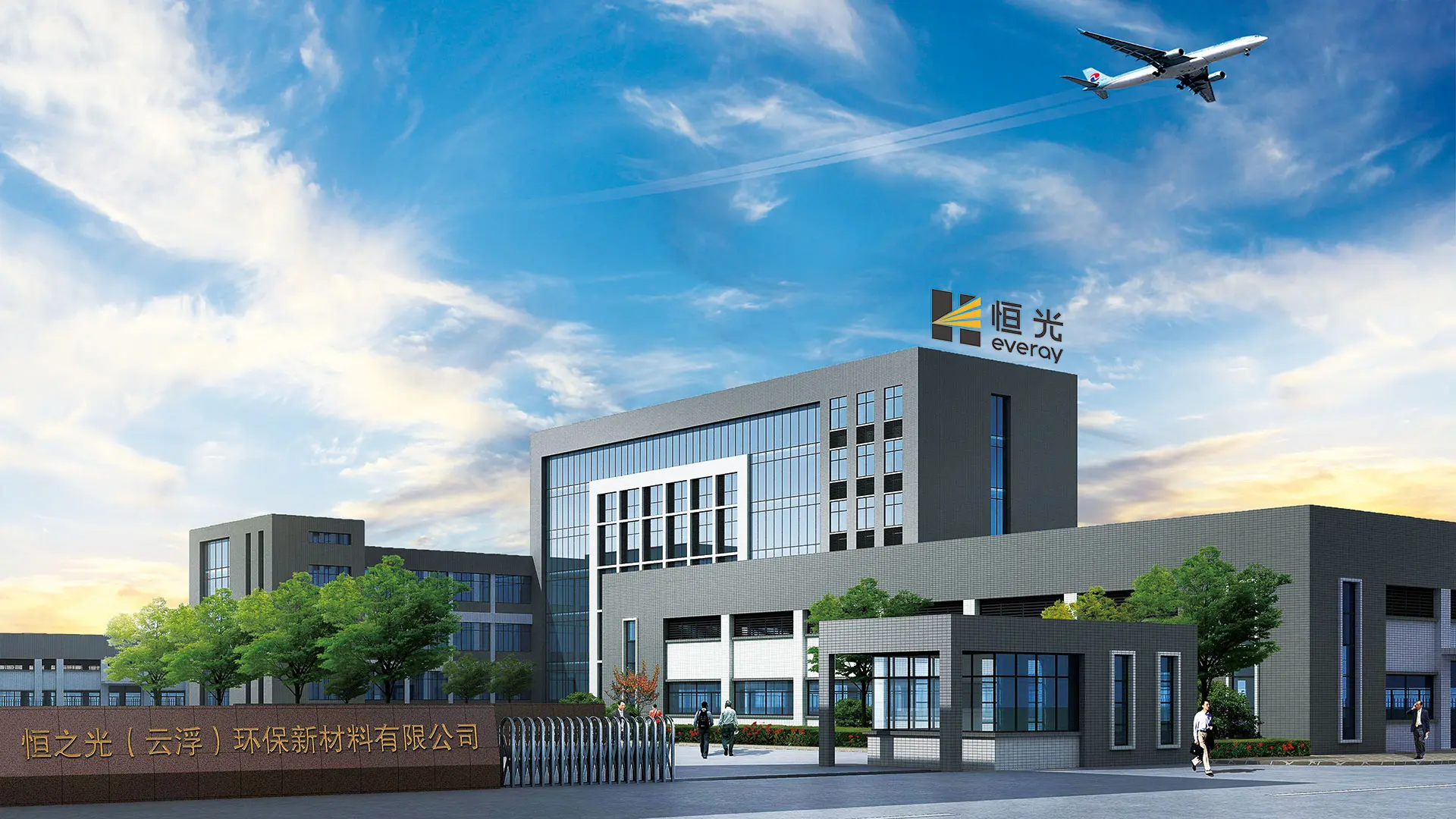
40,000 m² of specialized production space, storage terminals, and automated chemical raw-material feeding systems. Designed for large-scale operations with an annual capacity of over 20,000 tons.
10,000 m² facility focused on custom modifications, synthesis testing, and scaling specialized oligomers like waterborne urethane acrylates and excimer-curable polyester resins.
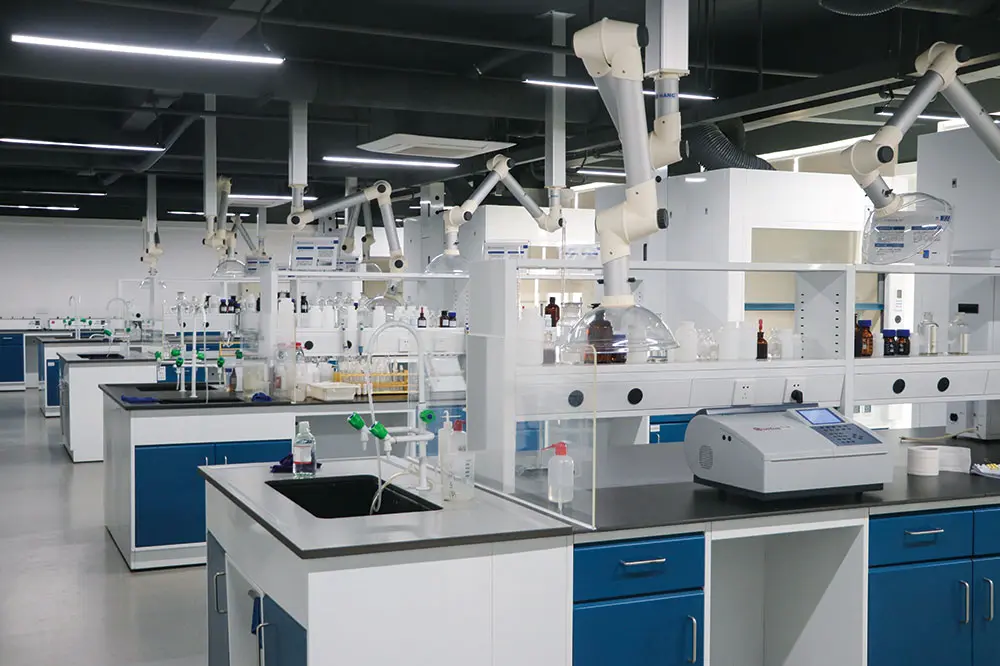
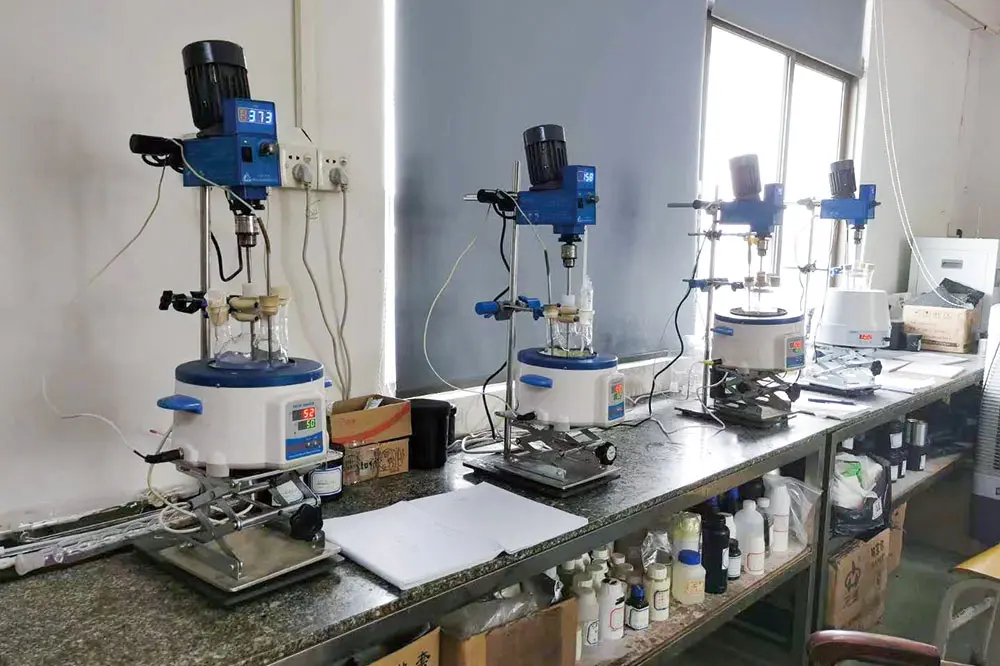
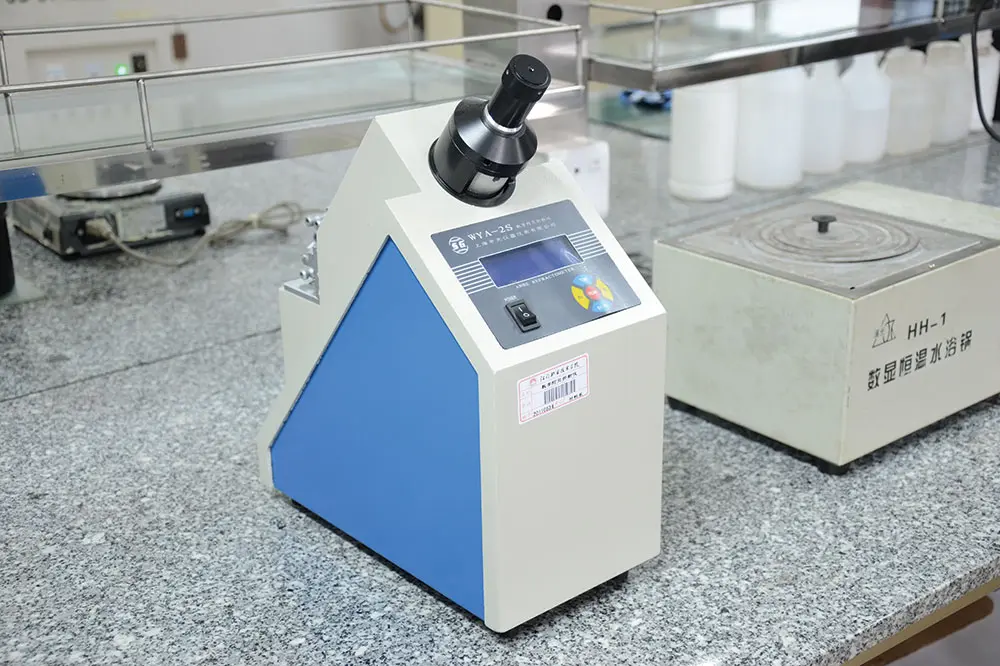
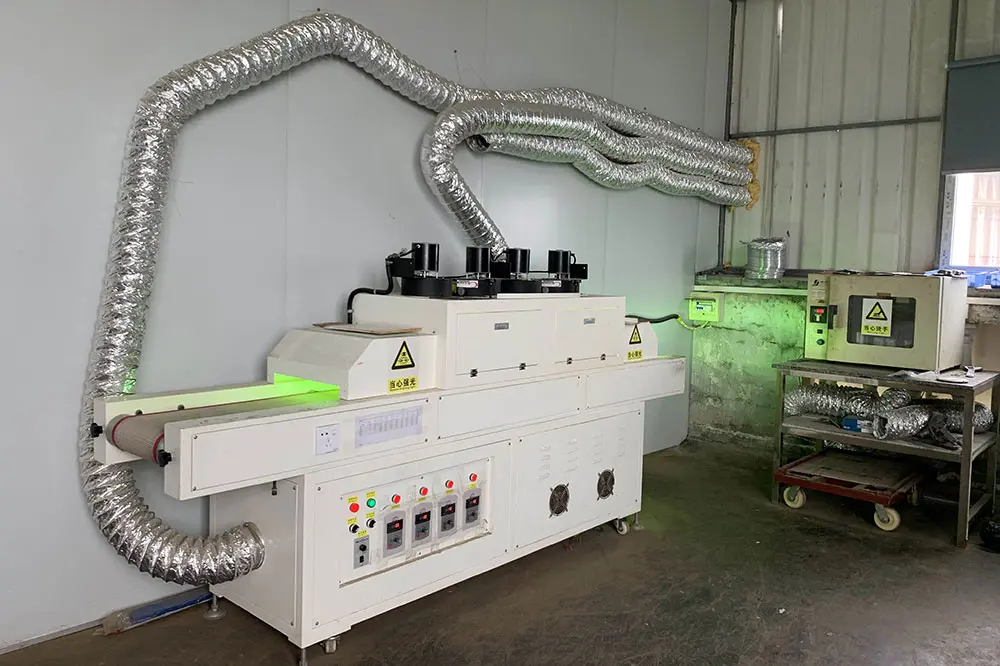
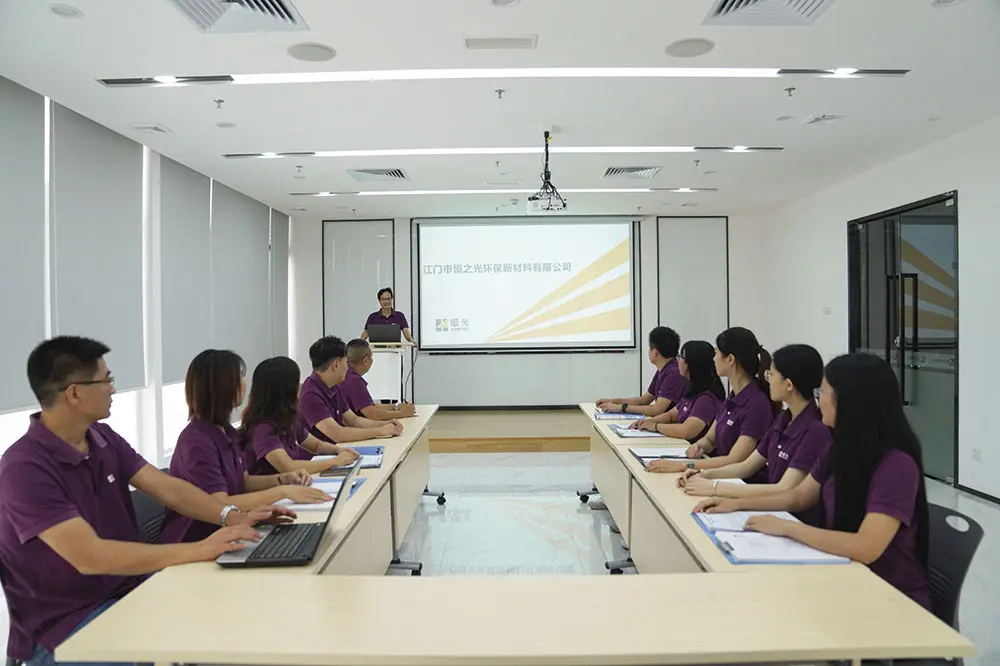
Designing custom oligomer matrices for specific substrate requirements, application environments, and curing systems.
Plastic subassemblies (ABS, PC, PMMA, and treated PP) often struggle with poor coating adhesion and low thermal resistance. Our Aromatic PA UV-Resin 7113A and modified epoxy resins provide excellent adhesion to basecoats and topcoats, ensuring high-gloss metal deposition.
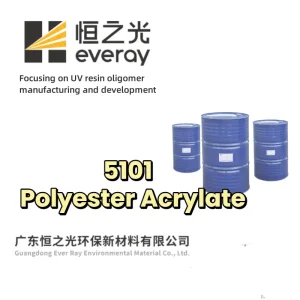
Modern overprint varnishes (OPV) and offset printing processes demand fast curing, low odor, and strong adhesion. Polyester Acrylate 5351 and 5335B are formulated for fast roller and printing line speeds, maintaining uniform gloss across paper and film.
Industrial wood finishing uses excimer lasers (172nm) to create highly uniform matte, soft-touch surfaces. Our 53036 Polyester Acrylate is designed for these excimer lines, providing a defect-free micro-folding effect.
Optimizing resin reactivity curves to align with 365nm and 395nm LED-UV output wavelengths, reducing energy costs for industrial coaters.
Synthesizing polyester and polyurethane acrylates using plant-derived polyols and organic acids to lower lifecycle carbon footprints.
Developing specialized resins for 172nm excimer laser curing to deliver durable matte, anti-fingerprint, and self-healing surfaces.
Expanding REACH registration, TSCA compliance, and RoHS/FDA approvals to ensure reliable international distribution.
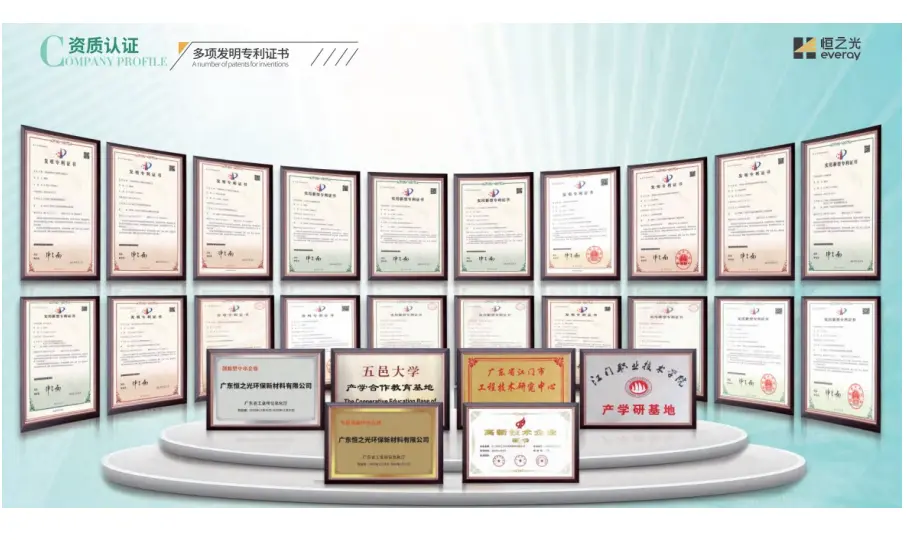
With more than 10 invention patents and practical utility patents, Ever Ray ensures that its UV oligomers incorporate advanced chemical modifications to maximize durability and cure performance.
Answers to common processing challenges, resin selection criteria, and chemical behaviors in UV-curable systems.
Sourcing solutions for high-gloss varnishes, industrial coatings, and electronic packaging resins directly from our manufacturing facilities.
 Ever Ray